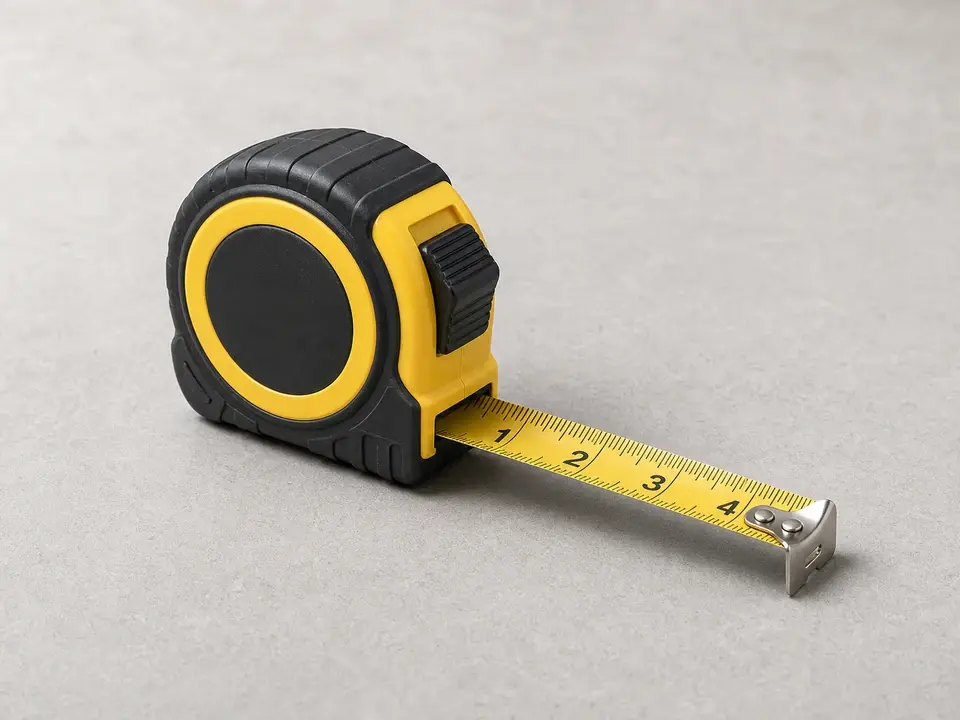
Tape measure
Use it for: To measure the branch duct diameter or width so the replacement damper fits.
Shop tape measuresTo replace an HVAC branch duct damper, first confirm the damper is actually stuck, broken, or missing inside the branch run. Then remove the old damper section or blade assembly, install a matching replacement in the same airflow direction, seal the joints, and test that the vent now opens and closes normally.
This is a manageable repair if the damper is accessible in a basement, crawlspace, attic, or open mechanical area. The key is matching the damper style and size to the branch duct and making sure the new part moves freely after installation.
Before you start: Match the replacement part to your exact ductwork vent before ordering.
Use it for: To measure the branch duct diameter or width so the replacement damper fits.
Shop tape measures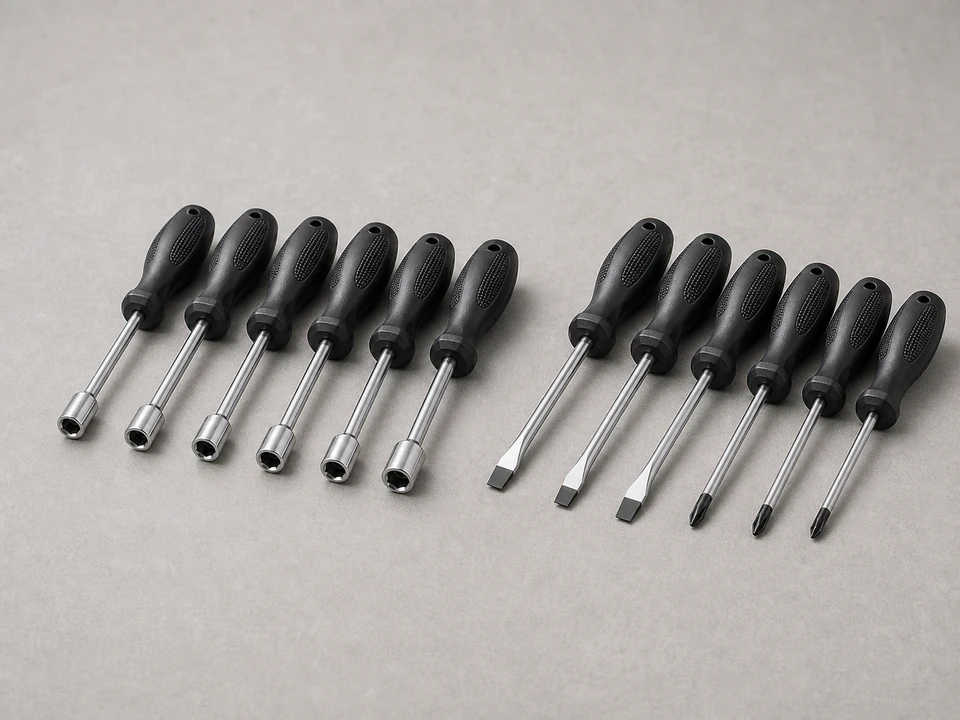
Use it for: To remove and reinstall sheet metal screws on the duct and damper hardware.
Shop screwdriver and nut driver sets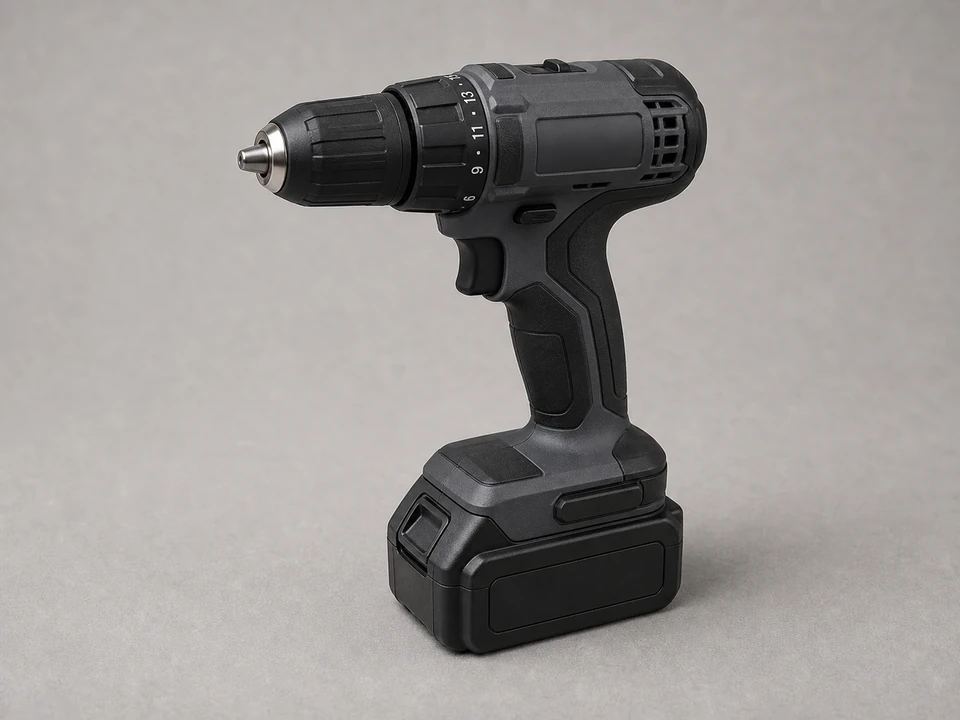
Use it for: To back out stubborn screws and drive new ones more easily.
Shop cordless drills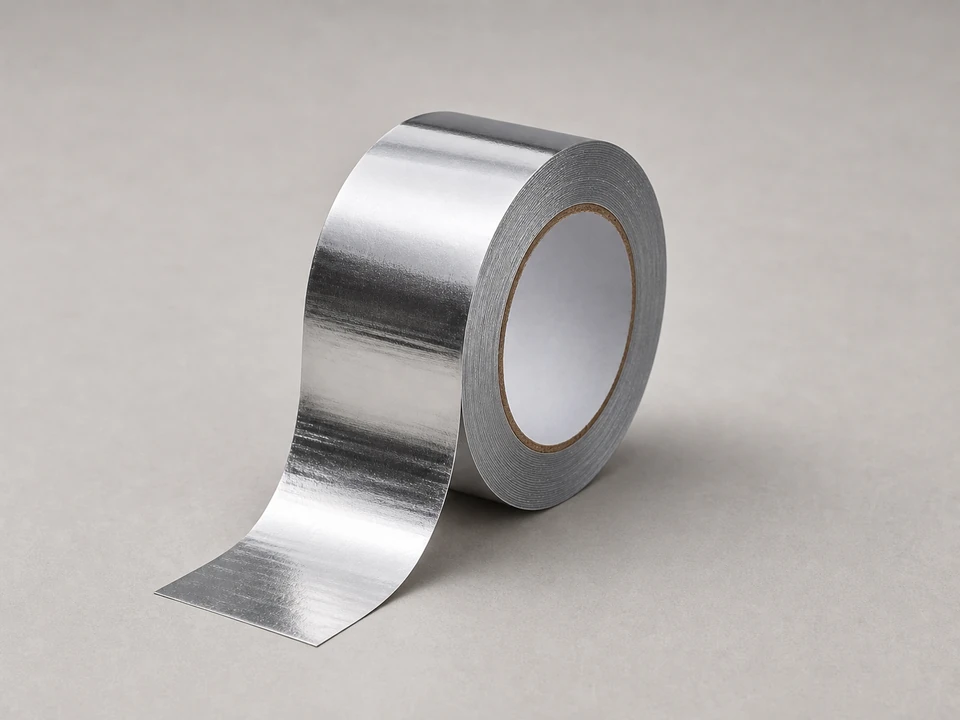
Use it for: To reseal duct joints after the new damper is installed.
Shop foil HVAC tape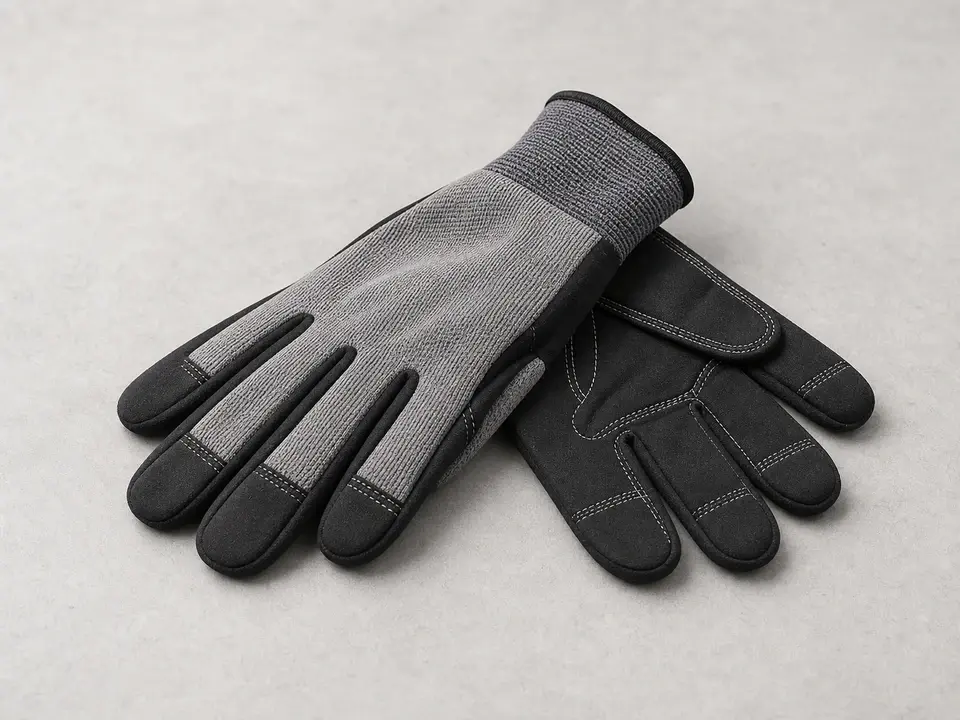
Use it for: To protect your hands from sharp sheet metal edges.
Shop work gloves
Use it for: To see the damper body, handle, and duct seams clearly in dark spaces.
Shop headlampsAs an Amazon Associate I earn from qualifying purchases. Repair Riot may earn a commission at no extra cost to you.
If it works: You have confirmed the damper is damaged, stuck, or no longer controlling airflow and you know the duct size and damper style.
If it doesn’t: If the damper moves normally and airflow still does not improve, check for a blocked vent, disconnected duct, closed register, dirty filter, or a larger HVAC airflow problem instead.
If it works: The HVAC system is off and the damper body and duct connections are fully accessible.
If it doesn’t: If you still cannot reach the full damper body, remove more surrounding tape or insulation until you can see where the part begins and ends.
If it works: The old damper is out and the duct ends are exposed for the new part.
If it doesn’t: If the damper will not come free, check again for hidden screws, heavy sealant, or tabs still locking the part in place.
If it works: The new damper is mounted securely and the blade moves freely through its full travel.
If it doesn’t: If the blade binds, loosen the screws slightly, realign the damper body, and test the handle again before sealing anything.
If it works: The duct is resealed and the new damper remains accessible and easy to operate.
If it doesn’t: If the tape will not stick, clean dust from the metal and apply fresh foil tape to dry surfaces only.
If it works: The vent airflow responds to damper adjustment, the handle stays put, and there are no obvious air leaks or new noises.
If it doesn’t: If airflow still does not improve, the branch may have another restriction, a disconnected duct, or a system balancing issue beyond the damper itself.
Match the replacement part to your exact ductwork vent before ordering.
As an Amazon Associate I earn from qualifying purchases. Repair Riot may earn a commission at no extra cost to you.
A bad damper may be stuck, bent, rusted, disconnected from its handle, or loose enough that moving the handle does not change airflow at the vent. If the damper moves normally and airflow does not change, the problem may be elsewhere in the duct or HVAC system.
Sometimes, but only if the damper blade and shaft are still in good shape and the handle is the only failed piece. If the blade is jammed, the shaft is bent, or the housing is damaged, replacing the full damper is the better repair.
For a simple manual branch duct damper, turning the thermostat off is usually enough so the blower does not start while you work. If the damper is motorized or tied into a zoning control, stop and identify that system before proceeding.
Use foil HVAC tape made for duct sealing. Regular cloth duct tape does not hold up well on metal duct joints and should not be used for this repair.
The branch line may still have a blockage, a disconnected section, a crushed flex duct, a closed register, or the whole system may have low airflow. Replacing the damper only fixes airflow problems caused by that damper itself.