
Work gloves
Use it for: Protects your hands from sharp sheet metal edges inside and around the duct.
Shop work glovesTo replace a branch duct balancing damper, first confirm the damper is actually stuck, broken, or missing at the branch run, then remove the old damper, install a matching replacement in the same orientation, secure it, seal any disturbed duct joints, and test airflow with the system running.
A balancing damper helps fine-tune how much air a branch duct sends to one room or area. When it is bent, seized, loose, or missing, one space may get too much air while another gets too little. This job is usually manageable if the damper is accessible and the duct is in good shape.
Before you start: Match the replacement part to your exact ductwork vent before ordering.
Use it for: Protects your hands from sharp sheet metal edges inside and around the duct.
Shop work gloves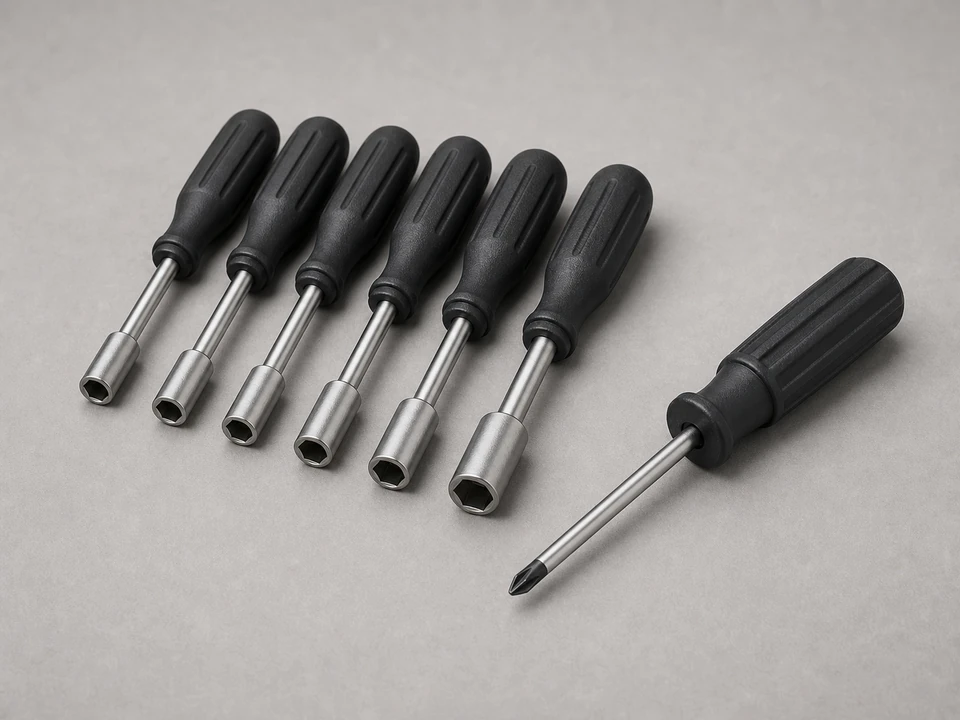
Use it for: Removes and reinstalls common duct screws and access covers.
Shop screwdriver and nut driver sets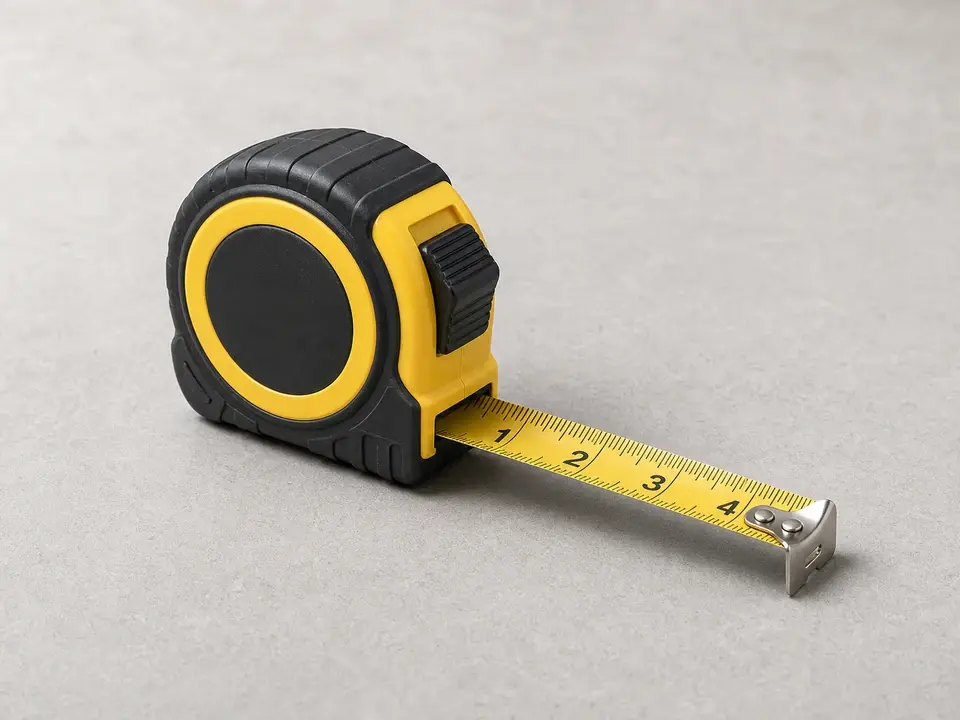
Use it for: Helps match the replacement damper size to the duct opening or branch diameter.
Shop tape measures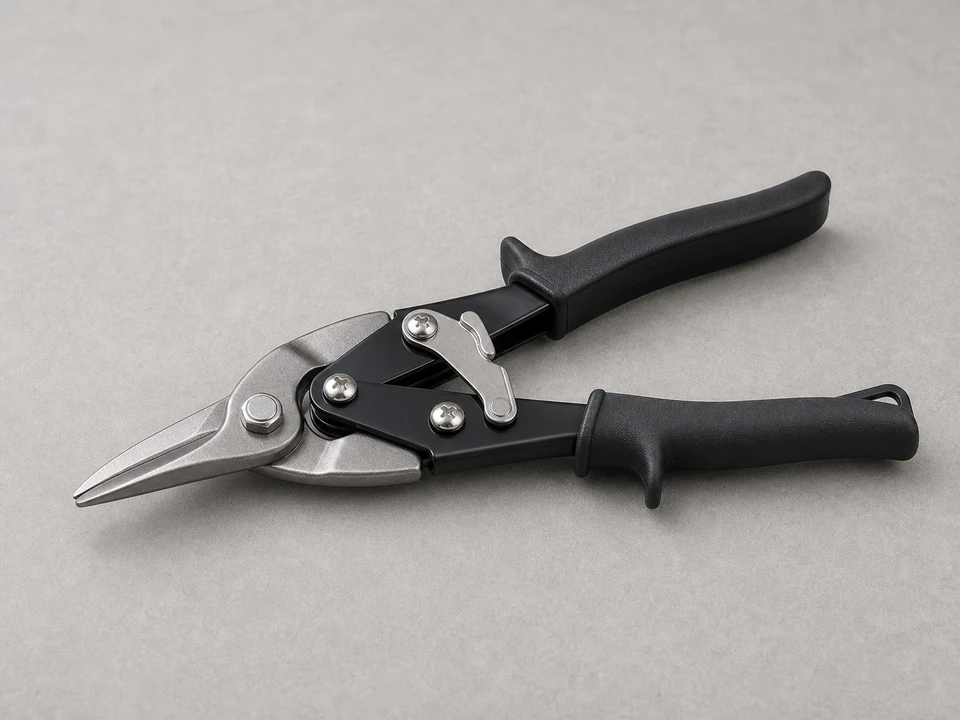
Use it for: Useful if you need to trim light sheet metal or remove damaged metal tabs around the old damper.
Shop tin snips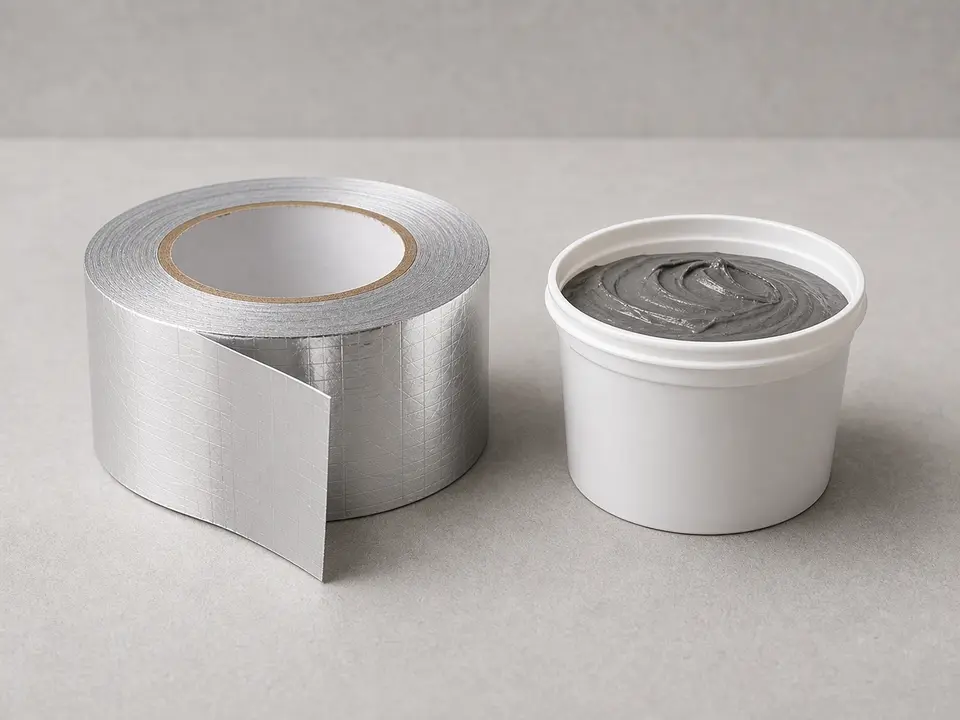
Use it for: Reseals any joint or access area you opened so air does not leak out.
Shop HVAC foil tape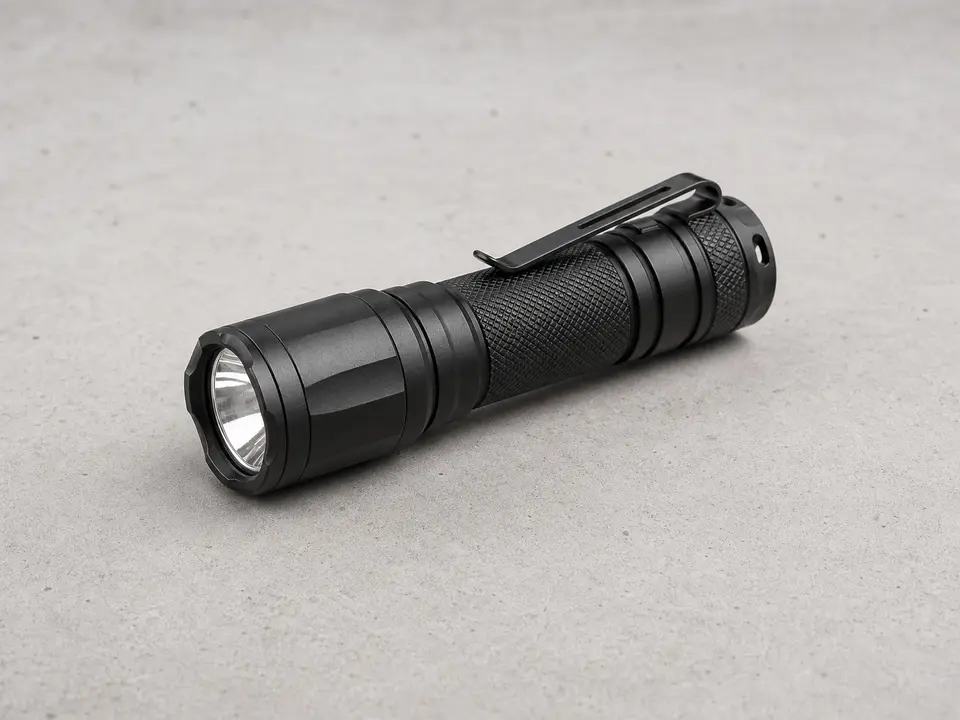
Use it for: Lets you see the damper blade, handle, and fasteners inside a dark duct run.
Shop flashlightsAs an Amazon Associate I earn from qualifying purchases. Repair Riot may earn a commission at no extra cost to you.
If it works: You have confirmed the branch duct balancing damper is damaged, missing, or no longer controlling airflow.
If it doesn’t: If the damper moves normally and airflow still seems wrong, check for a closed register, crushed flex duct, disconnected duct, dirty filter, or a larger HVAC airflow issue before replacing parts.
If it works: The HVAC system is off and the old damper is exposed well enough to remove safely.
If it doesn’t: If you cannot reach the fasteners cleanly, improve access first rather than forcing tools at an awkward angle.
If it works: The old damper is out and the duct opening is clean and ready for the replacement.
If it doesn’t: If the old part will not come out because the duct has deformed around it, straighten the opening gently before trying again.
If it works: The new damper is mounted securely and the blade moves through open and closed positions without binding.
If it doesn’t: If the blade scrapes or sticks, loosen the fasteners slightly, realign the damper, and test the movement again before sealing anything up.
If it works: The duct is closed back up, sealed against air leaks, and the new damper is ready for testing.
If it doesn’t: If you cannot seal the joint because the metal no longer lines up, correct the fit first so the repair does not leak conditioned air.
If it works: Airflow responds to damper adjustments, the duct stays sealed, and the room is closer to the comfort level you were trying to restore.
If it doesn’t: If airflow still does not change much with damper adjustment, the problem is likely elsewhere in the duct system or HVAC equipment and needs further diagnosis.
Match the replacement part to your exact ductwork vent before ordering.
As an Amazon Associate I earn from qualifying purchases. Repair Riot may earn a commission at no extra cost to you.
If the handle moves normally and airflow changes with it, adjustment is usually enough. Replacement makes more sense when the blade is detached, the axle is seized, the handle no longer controls the blade, or the damper is missing or badly rusted.
Usually yes. If the surrounding duct is solid and accessible, you can often remove just the damaged damper or damper section and install a matching replacement. If the branch collar or duct wall is torn up, the repair may grow into a duct section replacement.
Match the replacement to the actual duct opening or branch diameter and to the way the old damper mounts. Measure carefully before ordering, because a close size is often not good enough for a clean fit and smooth blade movement.
Not always. A middle position is a good starting point for testing unless you already know that branch needs maximum airflow. Fine-tune it with the system running so you can feel the change at the register.
A new damper cannot fix a crushed flex duct, disconnected branch, blocked register boot, dirty filter, weak blower performance, or poor overall system balancing. If the new damper moves correctly but airflow barely changes, look for a larger airflow problem.