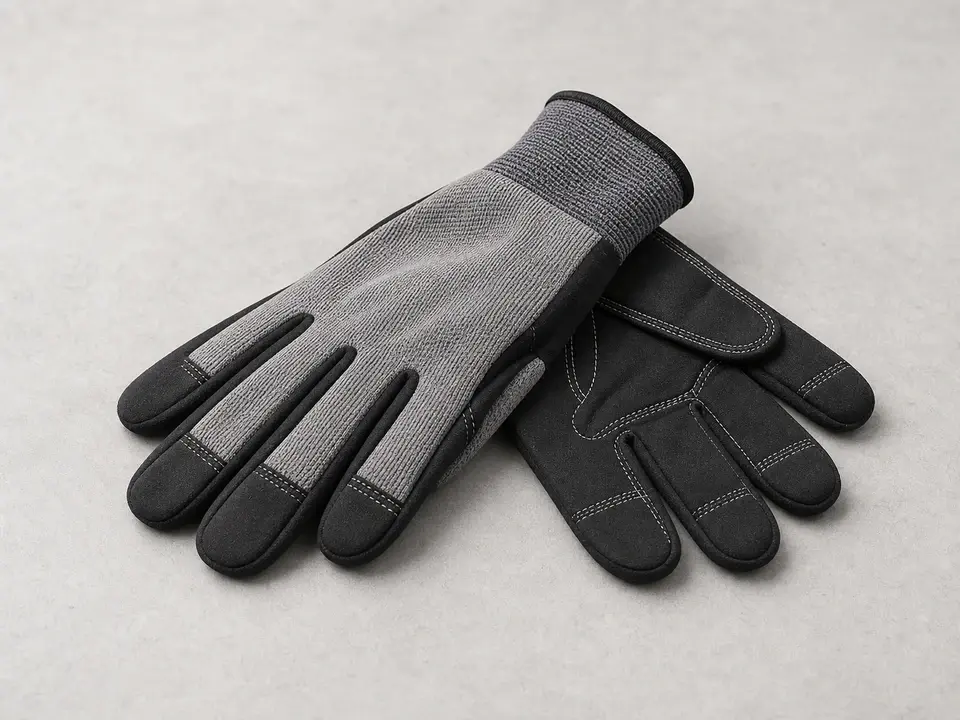
Work gloves
Use it for: Protects your hands from sharp sheet-metal edges, screws, and grit inside the downspout.
Shop work glovesTo reconnect a downspout joint, confirm the sections are still the right size and not crushed, clean out debris, slide the joint back together fully, and secure it so runoff cannot pull it apart again.
A downspout joint usually comes apart because the connection loosened, the pieces shifted, or water and debris added weight. This is usually a straightforward repair if the metal or vinyl is still in good shape and the joint can seat fully again.
Before you start: Match the gutter or downspout size, profile, and connection style before ordering. Stop if the repair becomes unsafe or unclear.
Use it for: Protects your hands from sharp sheet-metal edges, screws, and grit inside the downspout.
Shop work gloves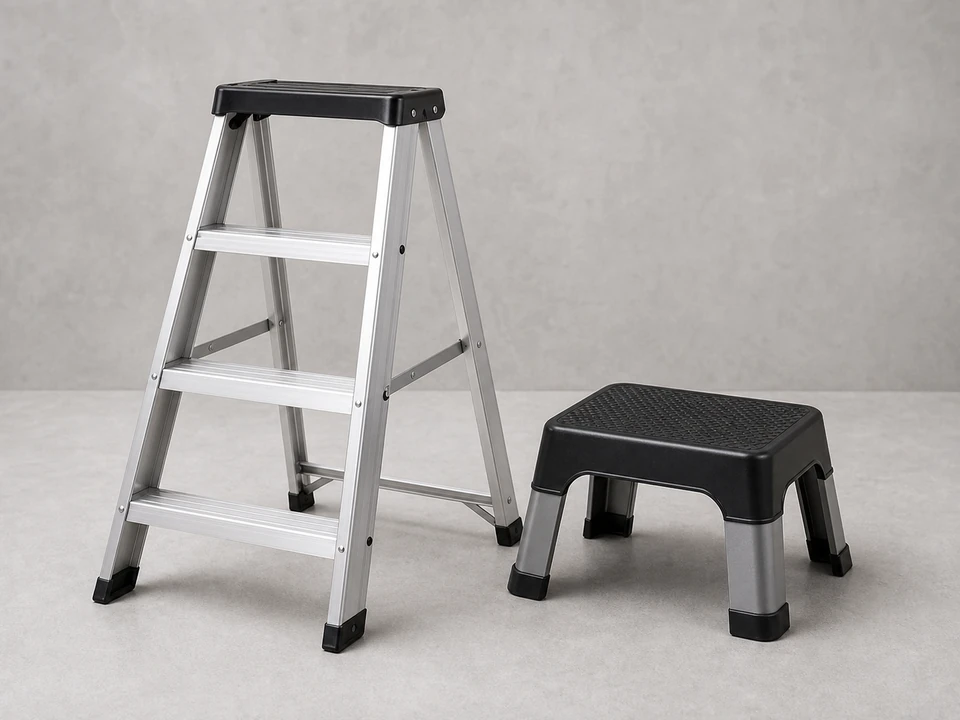
Use it for: Helps you safely reach the joint if it is above ground level.
Shop step ladders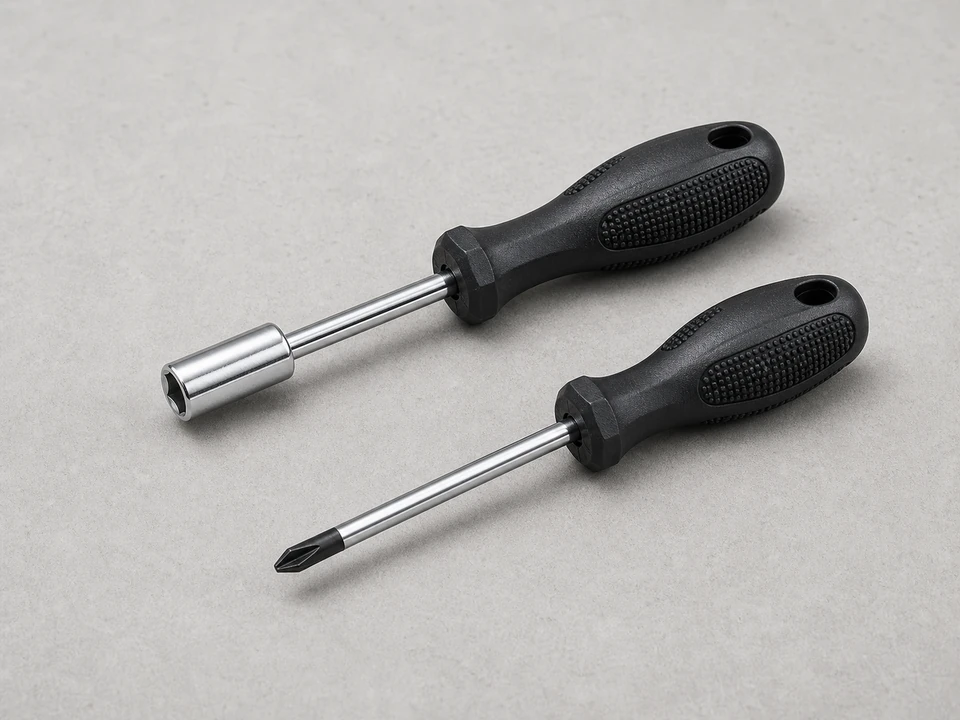
Use it for: Tightens or removes the screws holding the joint together.
Shop nut drivers and screwdrivers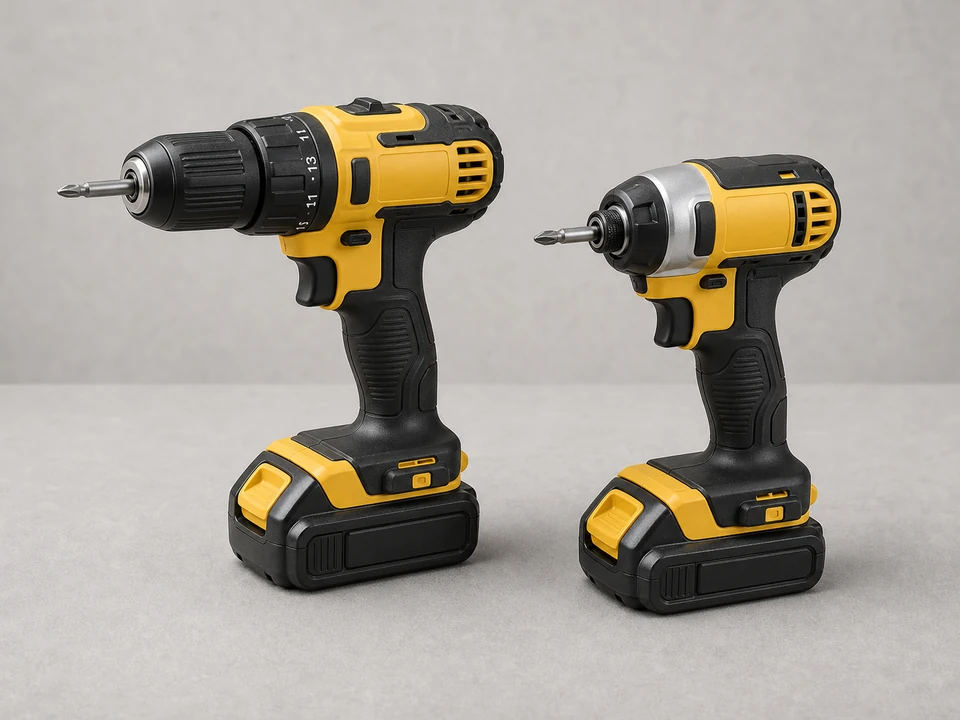
Use it for: Makes it easier to install new sheet-metal screws if the old fasteners are missing.
Shop drill drivers
Use it for: Secures the downspout sections so the joint stays connected.
Shop sheet-metal screws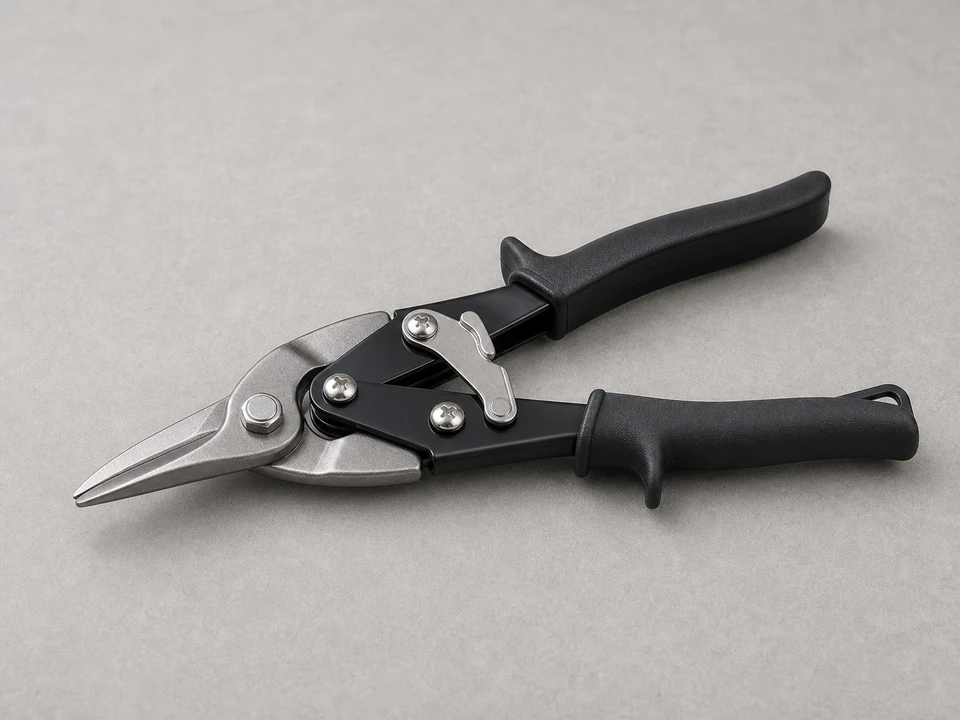
Use it for: Trims bent tabs or damaged edges that keep the connector from sliding together properly.
Shop tin snipsAs an Amazon Associate I earn from qualifying purchases. Repair Riot may earn a commission at no extra cost to you.
If it works: The joint appears reusable, the pieces still match, and the sections can be brought back into alignment.
If it doesn’t: If the connector is missing, deformed, or too damaged to hold, replace it with a matching downspout connector before reconnecting the run.
If it works: The joint is easy to reach, the lower section is supported, and nothing is pulling the connection apart while you work.
If it doesn’t: If the lower section keeps dropping out of place, add temporary support or have someone hold it while you reconnect the joint.
If it works: Both sides of the joint are clean, reasonably straight, and ready to slide together in the correct direction.
If it doesn’t: If the edges are too distorted to straighten or the overlap is too short to hold, install a new matching connector.
If it works: The joint is fully seated, aligned, and held firmly enough that it does not pull apart when you tug it lightly.
If it doesn’t: If the pieces keep slipping apart, remove them and recheck for the wrong connector size, bent edges, or missing support straps above or below the joint.
If it works: The reconnected joint is supported, the run is not under side load, and water has a clear path out.
If it doesn’t: If the downspout still sags or shifts, add or repair support hardware before relying on the joint alone.
If it works: Water flows through the downspout without leaking or pulling the joint apart, and the connection stays solid after the test.
If it doesn’t: If the joint leaks or shifts, reseat it, tighten the fasteners, and check again for a clog or a mismatched connector size.
As an Amazon Associate I earn from qualifying purchases. Repair Riot may earn a commission at no extra cost to you.
No. If the existing connector is still the right size and is not crushed, split, or badly corroded, you can usually reuse it. Replace it when it no longer fits tightly or cannot hold screws.
Set the joint so water flows down through the overlap instead of catching an exposed edge and leaking out. In general, the upper section should feed into the lower path of water flow.
A friction fit alone often comes apart again, especially during heavy rain or when debris adds weight. Screws help keep the joint from rotating and separating.
Common causes are a clog, loose wall straps, a section dragging on the ground, storm movement, or a connector that was never fully seated. Fixing that root cause helps the repair last.
First make sure the pieces are fully seated and aligned. Small leaks usually mean the overlap is shallow, the connector is the wrong size, or the seam is distorted enough that the parts are not nesting correctly.