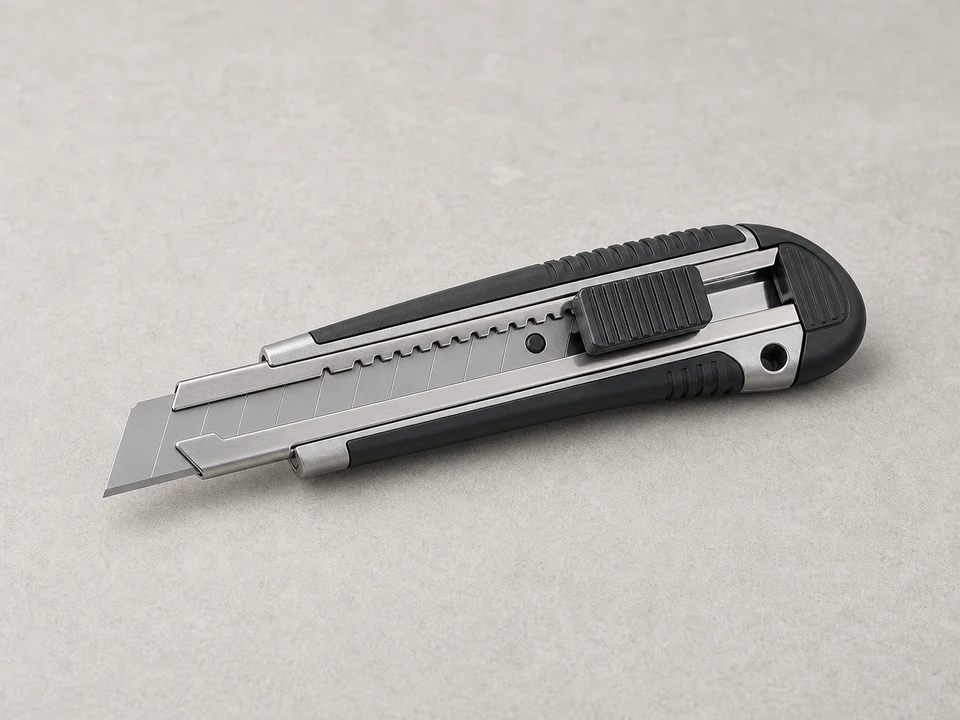
Utility knife
Use it for: To cut away loose tape, score cracked compound, and clean the seam edges.
Shop utility knivesTo repair a drywall seam crack, remove any loose compound or failed tape, retape the seam, apply fresh joint compound in thin coats, sand it smooth, and repaint after the patch fully dries.
A seam crack usually means the joint covering has let go, not just that the paint split. A lasting repair comes from opening the damaged area enough to remove weak material, then rebuilding the seam cleanly instead of smearing compound over the crack.
Before you start: Choose tape made for drywall joints, and use paper or fiberglass mesh only on a stable seam after loose compound and failed tape are removed. Stop if the repair becomes unsafe or unclear.
Use it for: To cut away loose tape, score cracked compound, and clean the seam edges.
Shop utility knives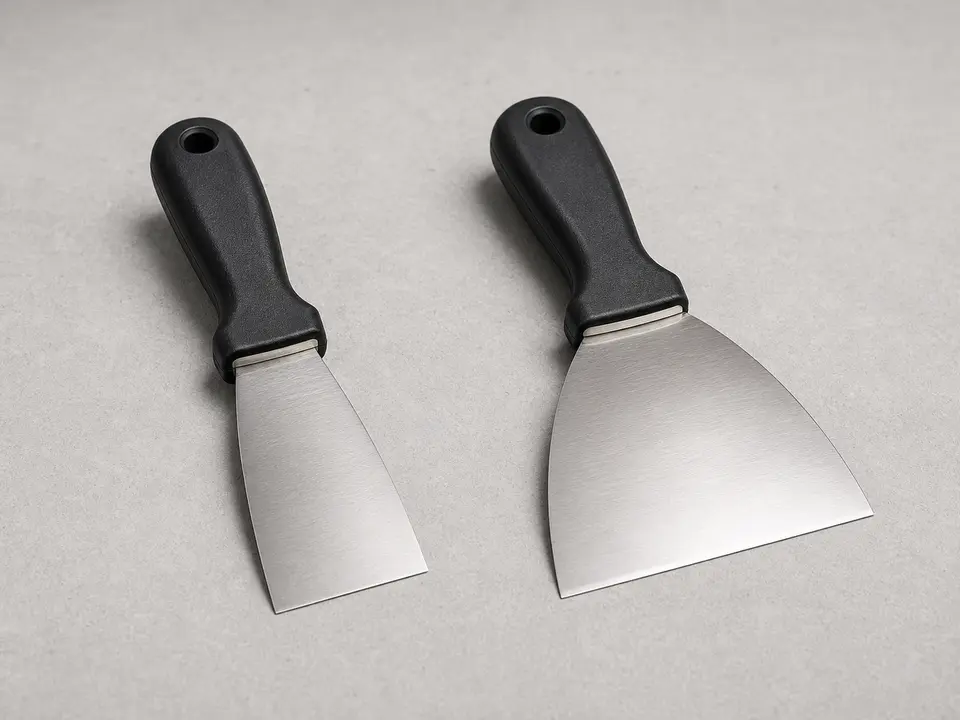
Use it for: To scrape off loose material and spread joint compound smoothly.
Shop taping knives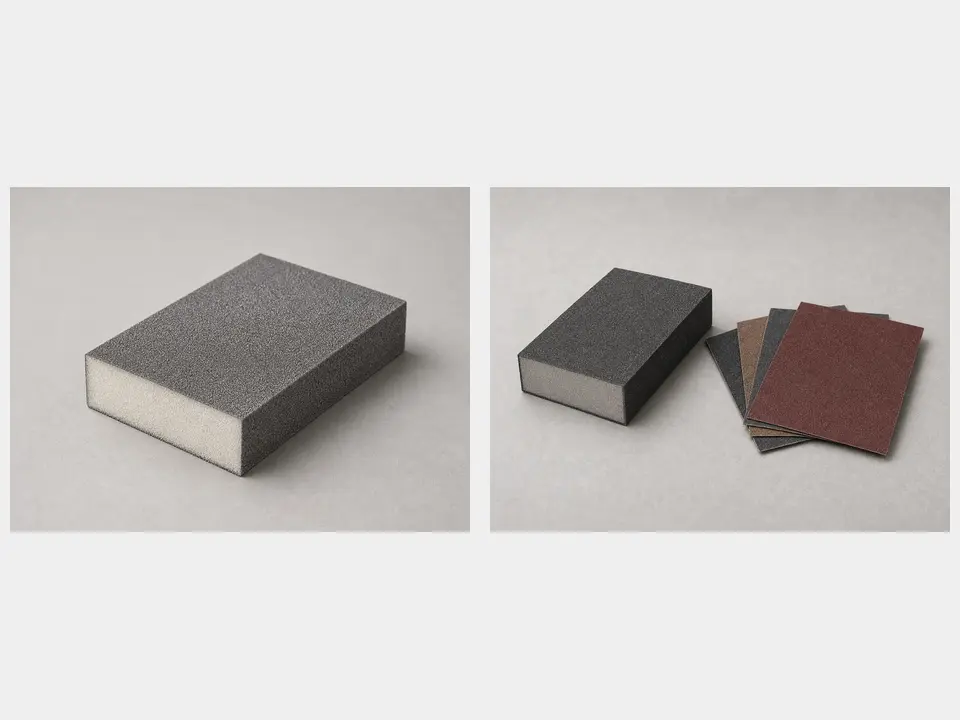
Use it for: To smooth dried compound without gouging the wall.
Shop drywall sanding sponges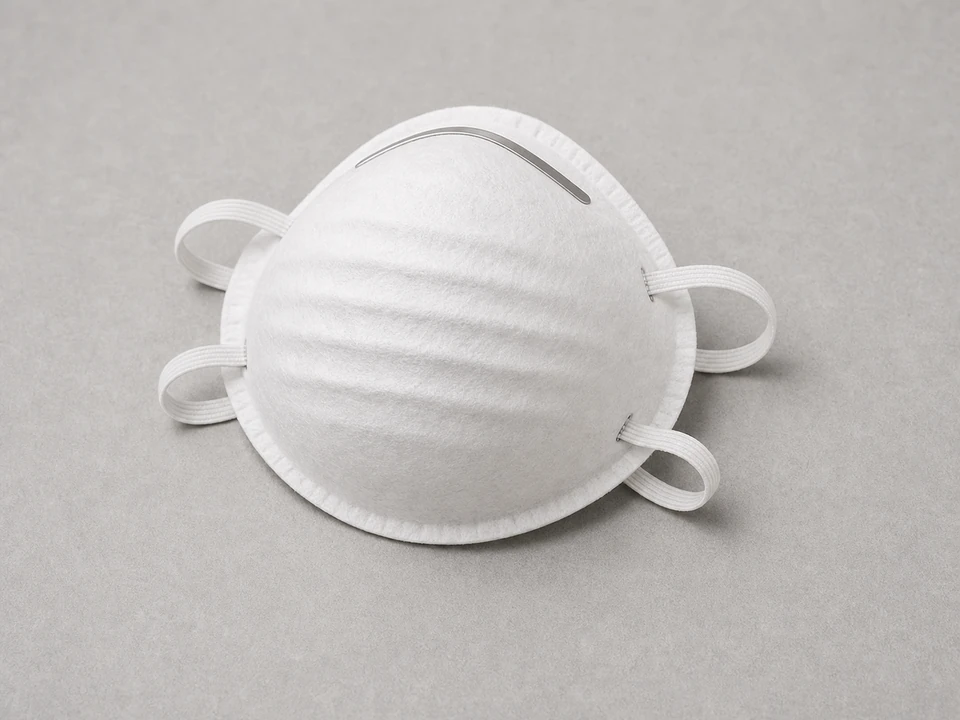
Use it for: To reduce breathing drywall dust while scraping and sanding.
Shop dust masks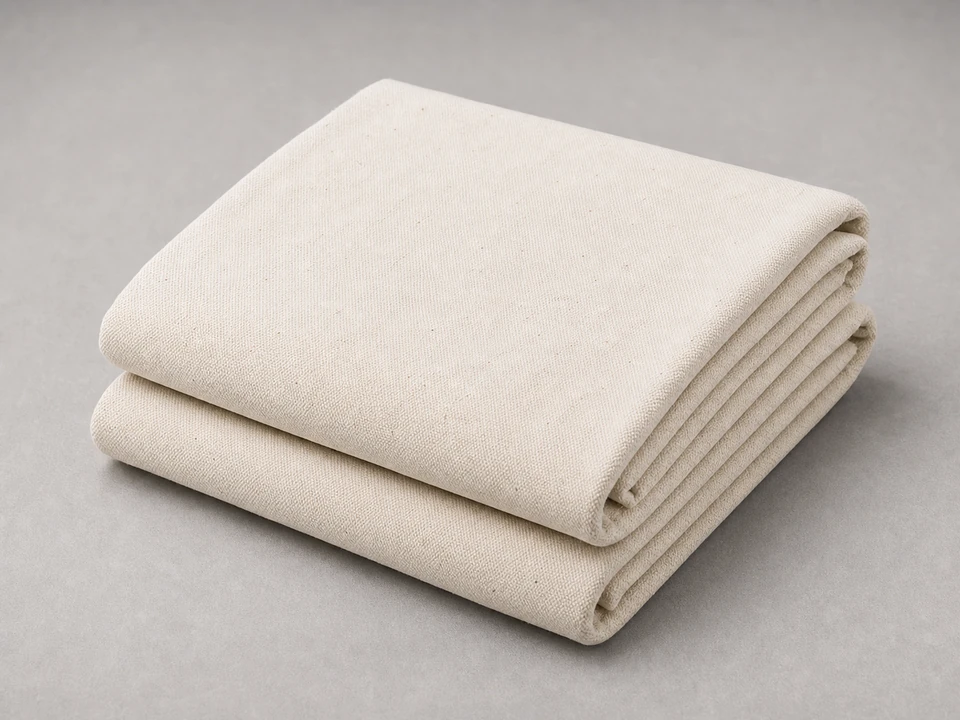
Use it for: To catch dust and compound below the repair area.
Shop drop cloths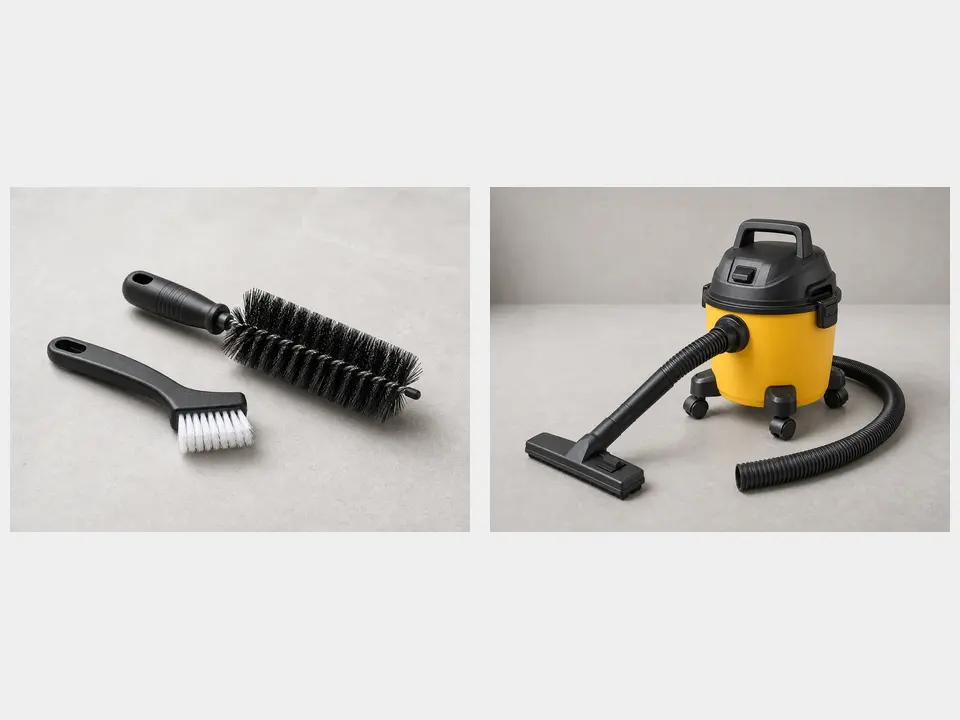
Use it for: To clean dust off the wall before the next coat or paint.
Shop shop vacsAs an Amazon Associate I earn from qualifying purchases. Repair Riot may earn a commission at no extra cost to you.
If it works: You have a straight or nearly straight seam crack with solid drywall around it and no obvious signs of active movement or moisture.
If it doesn’t: If the crack is wide, keeps reopening, follows a sagging ceiling line, or the wall feels soft, solve the movement or moisture problem before repairing the seam.
If it works: The damaged section is cleaned back to solid drywall and firmly bonded compound, with no loose tape or crumbly material left behind.
If it doesn’t: If old tape keeps lifting farther down the seam, remove enough of it to reach a section that is still firmly attached before you retape.
If it works: The new tape is centered over the seam, fully embedded, and lying flat with no loose edges or trapped bubbles.
If it doesn’t: If the tape wrinkles or lifts, pull it back while the compound is still wet, add or remove a little compound as needed, and reset it flatter.
If it works: The seam is covered with a thin, even coat that hides the tape and dries hard.
If it doesn’t: If you see tape showing through after it dries, that is usually fine at this stage as long as the tape is still bonded and flat; the next coat will build it out.
If it works: The repaired seam feels smooth to the touch and blends into the wall without a noticeable ridge or dip.
If it doesn’t: If the patch still shows a ridge, widen the feathered area with one more thin coat instead of trying to bury it with a thick one.
If it works: The seam stays closed, the finish looks even, and no new crack appears after normal use.
If it doesn’t: If a hairline crack returns quickly, the seam may still be moving and may need a wider repair or a closer look at framing, fastening, or moisture conditions.
Usually no. Caulk may hide the line for a short time, but it does not rebuild a failed drywall joint. If the tape or compound has let go, the better repair is to remove loose material and retape the seam.
Only the loose or failed section. If part of the tape is still firmly bonded, you can stop at solid material and repair from there. Anything bubbled, torn, or lifting should come off.
Either can work for a small seam repair if the surface is solid and properly prepared. The key is removing loose material first and embedding the tape cleanly in compound so the seam is stable.
Common causes include slight framing movement, seasonal expansion and contraction, poor original taping, or a seam that was never bonded well. Moisture can also weaken the joint and make the crack return.
Wait until the joint compound is fully dry, sanded smooth, and dust-free. Then prime the patch before painting so the finish blends better and the repaired area does not flash through.