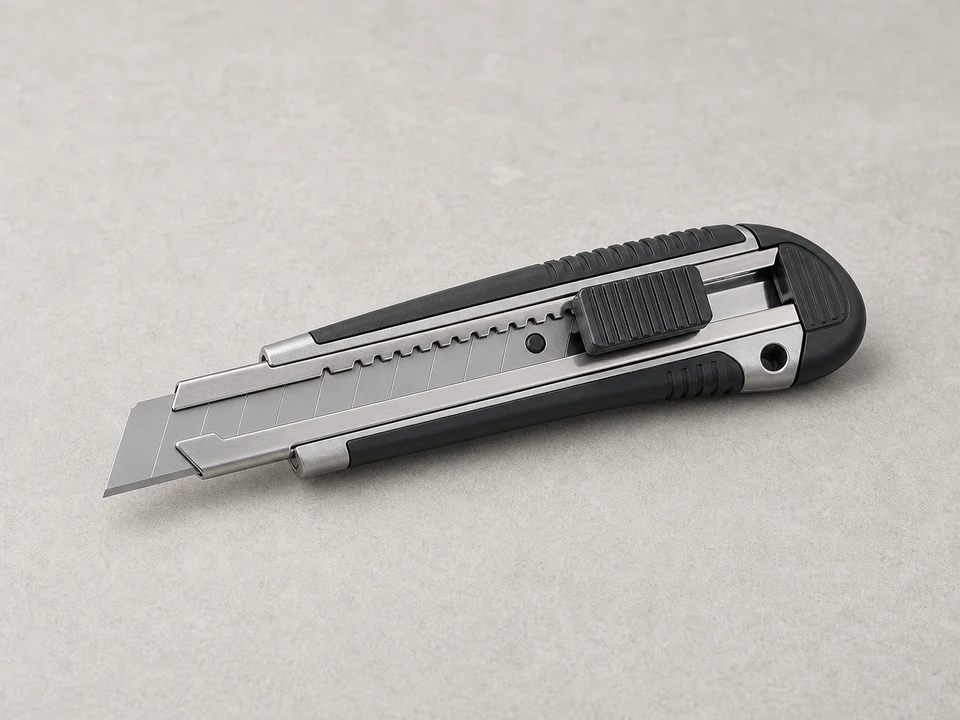
Utility knife
Use it for: To score paint, cut out loose tape, and trim the new tape cleanly.
Shop utility knivesIf drywall corner tape is peeling, bubbling, or cracking loose, the lasting fix is to cut out the failed section and install new drywall corner tape over a clean, solid corner.
This repair is manageable for a careful homeowner. The key is removing everything loose first, then embedding the new tape flat so the corner does not crack again under fresh mud and paint.
Before you start: Match the replacement part to your exact walls drywall before ordering.
Use it for: To score paint, cut out loose tape, and trim the new tape cleanly.
Shop utility knives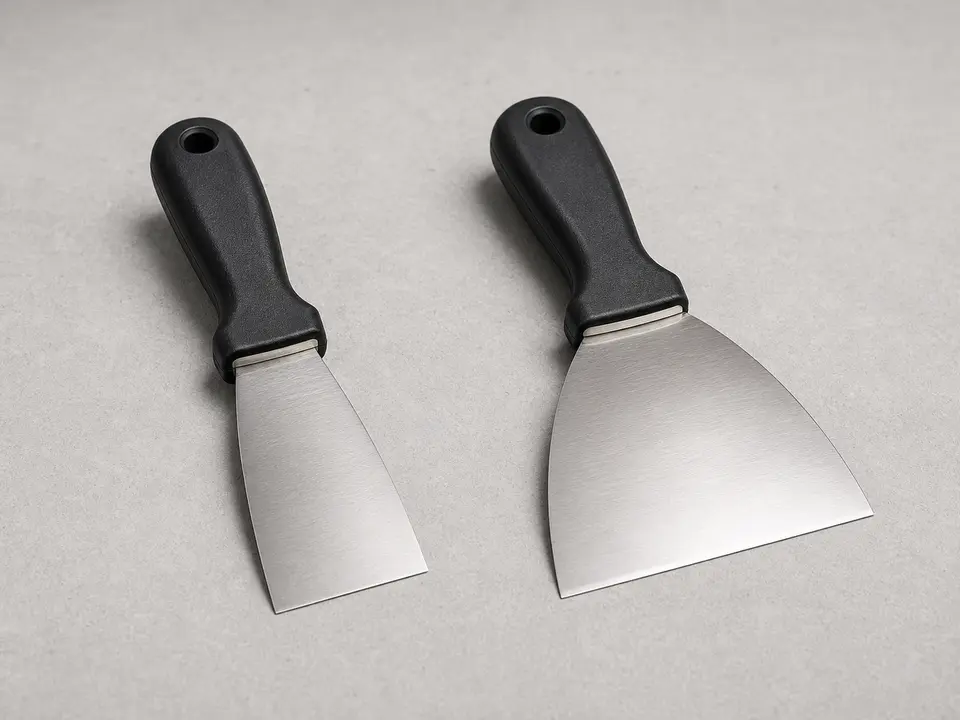
Use it for: To scrape away loose compound and spread joint compound over the corner.
Shop taping knives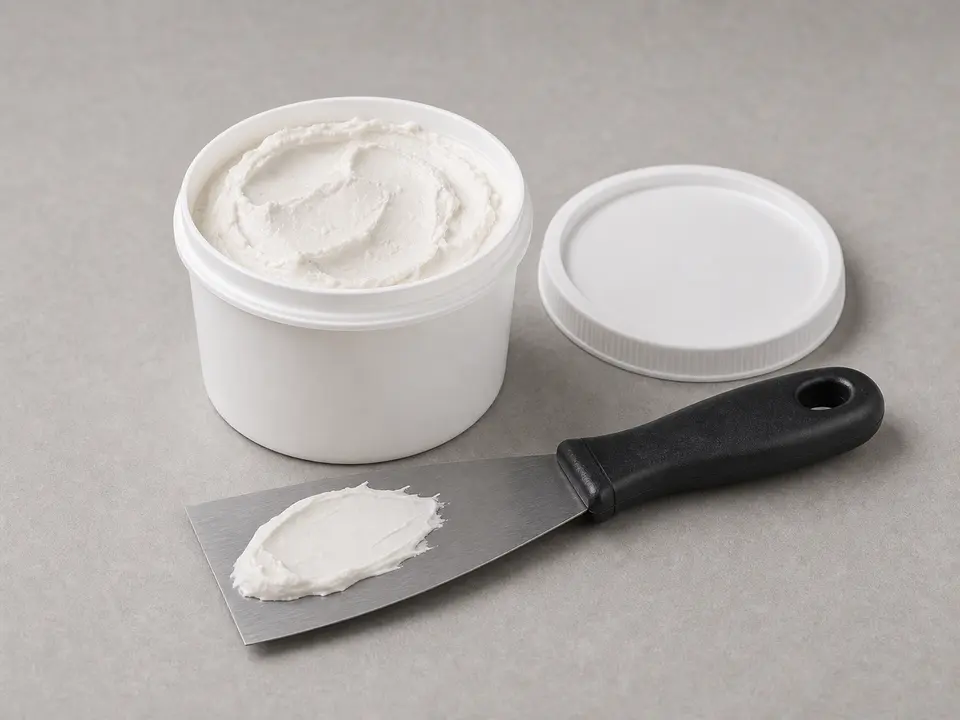
Use it for: To bed the new tape and build smooth finish coats.
Shop joint compound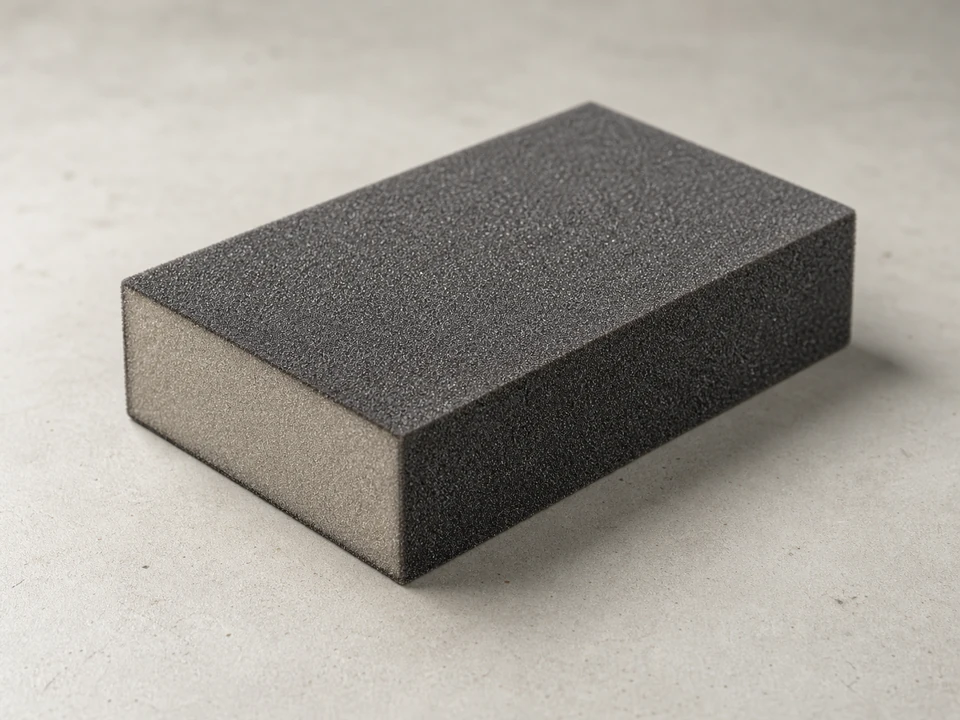
Use it for: To smooth dried compound without gouging the corner.
Shop sanding sponges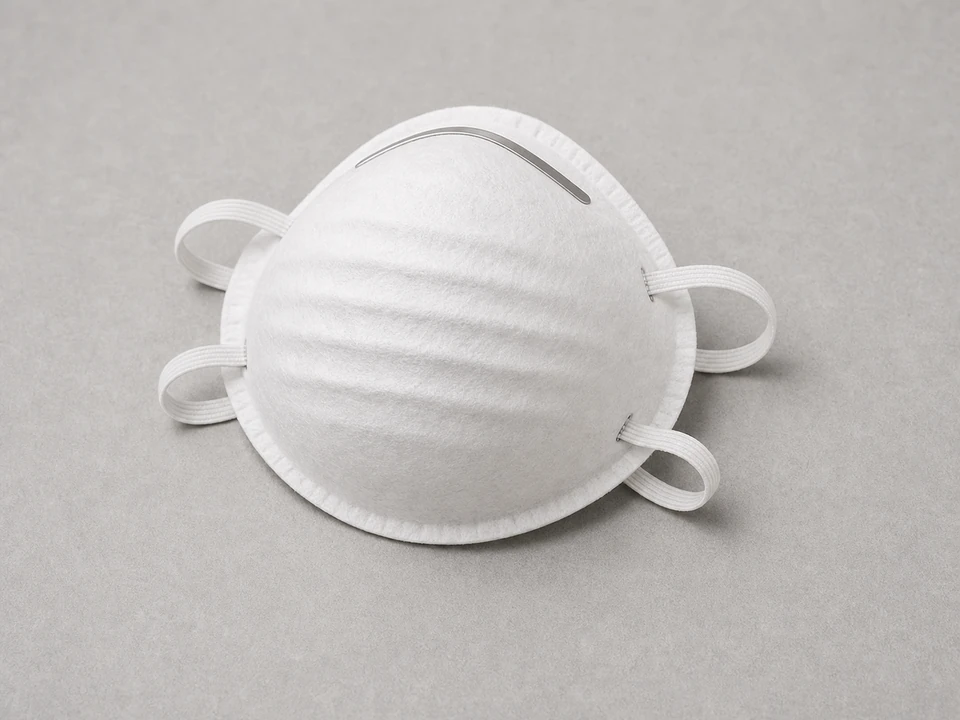
Use it for: To reduce breathing drywall dust while scraping and sanding.
Shop dust masks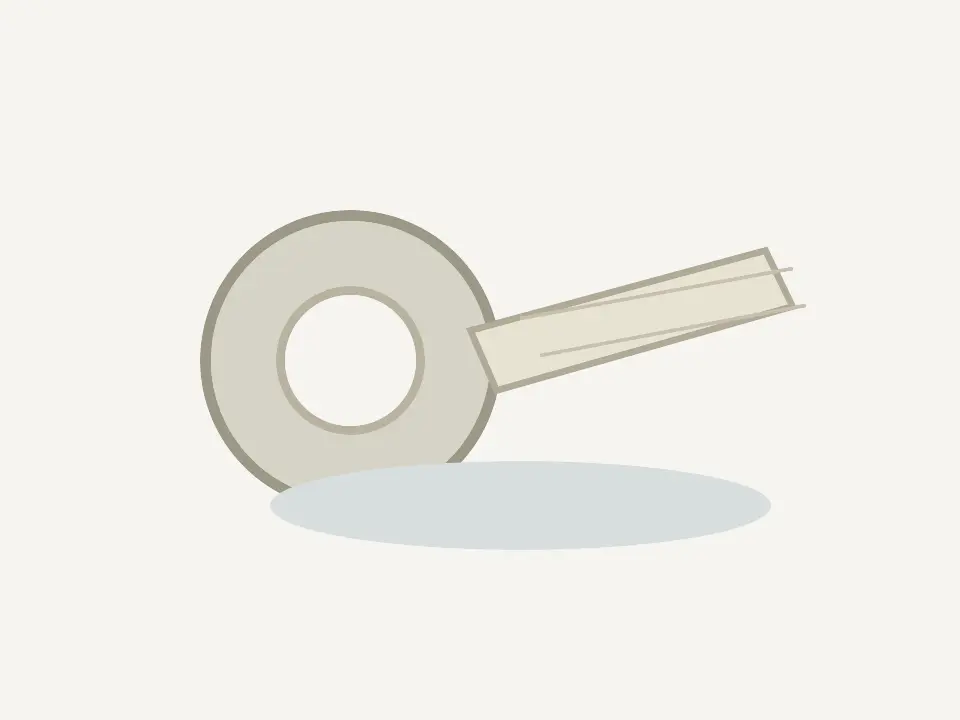
Use it for: To replace the failed tape and reinforce the corner again.
Find drywall corner tapeAs an Amazon Associate I earn from qualifying purchases. Repair Riot may earn a commission at no extra cost to you.
If it works: You have confirmed the corner tape has failed and the drywall underneath appears mostly solid and dry.
If it doesn’t: If the tape is still tight and only the paint or top mud coat is cracked, a skim coat repair may be enough instead of full tape replacement.
If it works: The failed tape and loose compound are gone, and the corner is down to a clean, solid base.
If it doesn’t: If small bits of tape remain but are firmly bonded and flat, trim them neatly and blend into them rather than digging into sound drywall paper.
If it works: The corner is clean, reasonably straight, and free of deep voids that would keep the new tape from sitting flat.
If it doesn’t: If the corner still has obvious humps or missing chunks, do another light prefill and let it dry before taping.
If it works: The new tape is embedded flat, straight, and fully supported by compound.
If it doesn’t: If you see bubbles or a crooked section, lift that area right away, add a little more compound, and reset it before it dries.
If it works: The corner looks smooth, the tape edges are hidden, and the surface is ready for paint.
If it doesn’t: If you can still see ridges or tape lines, add one more thin coat rather than trying to sand the problem away.
If it works: The corner remains smooth in real use with no new lifting, bubbling, or cracking.
If it doesn’t: If the same line reopens, the corner is still moving or the underlying drywall was not solid enough, so the next step is a deeper drywall or framing repair.
Match the replacement part to your exact walls drywall before ordering.
As an Amazon Associate I earn from qualifying purchases. Repair Riot may earn a commission at no extra cost to you.
Usually no. If the tape has already let go, fresh compound over the top is a short-term patch. Remove the loose section and retape the corner so the new mud has a solid base.
You can replace only the failed section if the surrounding tape is still firmly bonded and flat. Cut back to solid material on both ends so the new repair ties into sound tape and compound.
Common causes are poor bonding during the original taping job, movement in the corner, impact damage, or moisture. If you do not address the cause, the crack often comes back.
Use a drywall corner tape that is meant for inside or outside corner repair and that matches the corner you are fixing. The important part is that it sits flat and is embedded properly in compound.
Wait until each coat is fully dry before sanding or recoating. Dry time depends on the compound, thickness, and room conditions, so go by dryness rather than the clock.