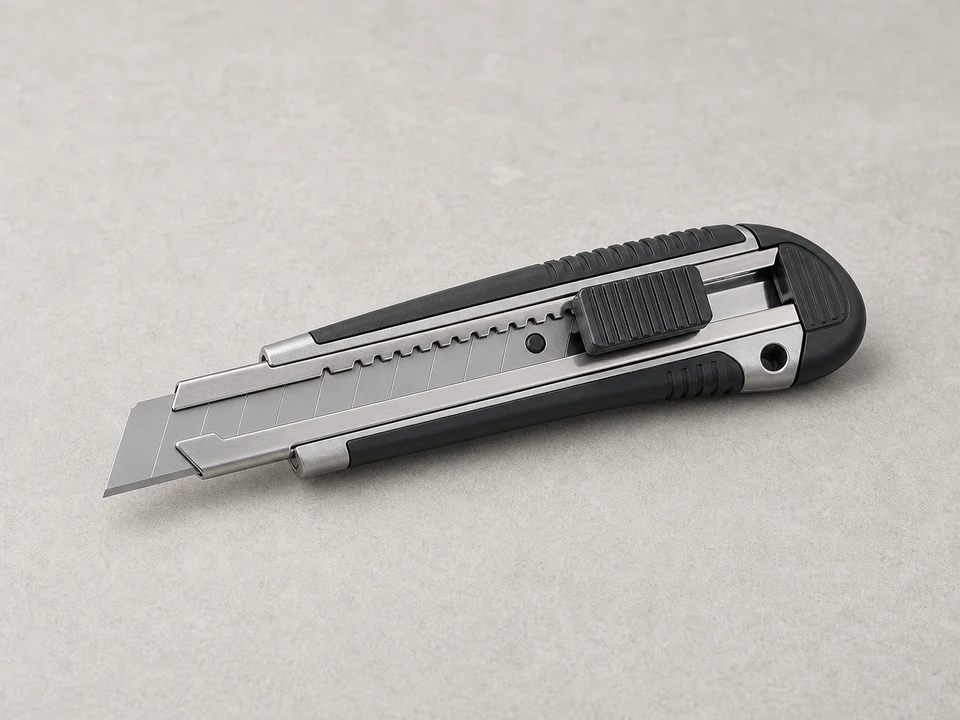
Utility knife
Use it for: To cut away loose tape and score clean edges around the damaged seam.
Shop utility knivesTo replace drywall joint tape, cut out the loose or bubbled tape, scrape the seam flat, bed new tape in fresh joint compound, then add thin finish coats and sand smooth after drying.
This repair works when the tape has lifted, bubbled, cracked through the seam, or was installed poorly the first time. It will not hold if the wall is still moving from moisture, framing movement, or hidden damage, so start by making sure the seam itself is the real problem.
Before you start: Use drywall joint tape made for seam finishing. Match the tape type to the repair and use paper tape when you need a crisp, stable flat seam.
Use it for: To cut away loose tape and score clean edges around the damaged seam.
Shop utility knives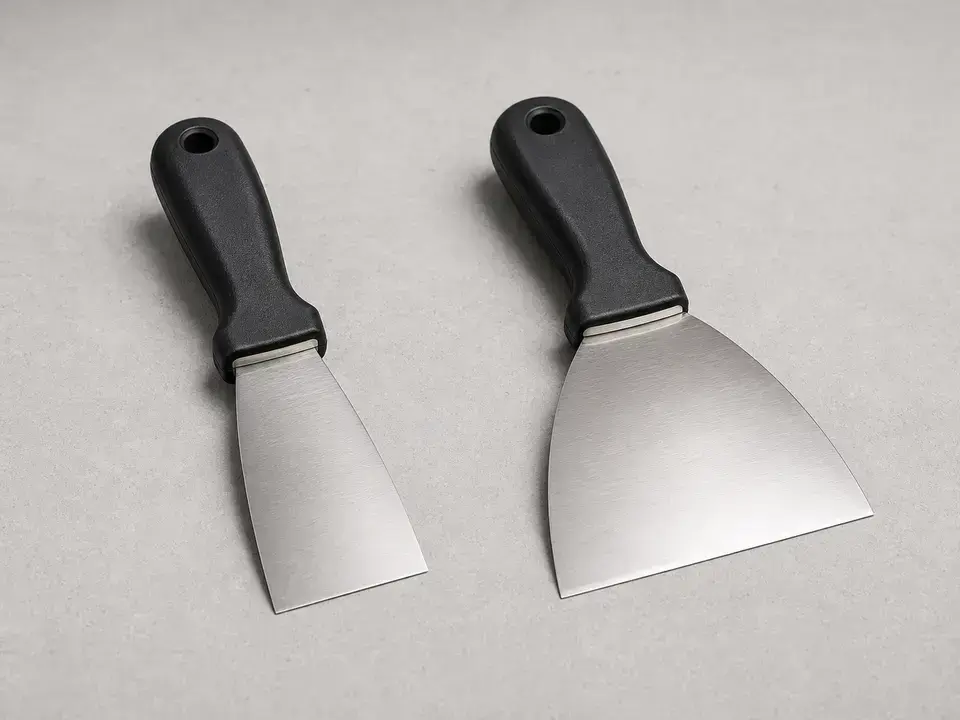
Use it for: To scrape off old compound and bed the new tape tightly into mud.
Shop 6 inch drywall knives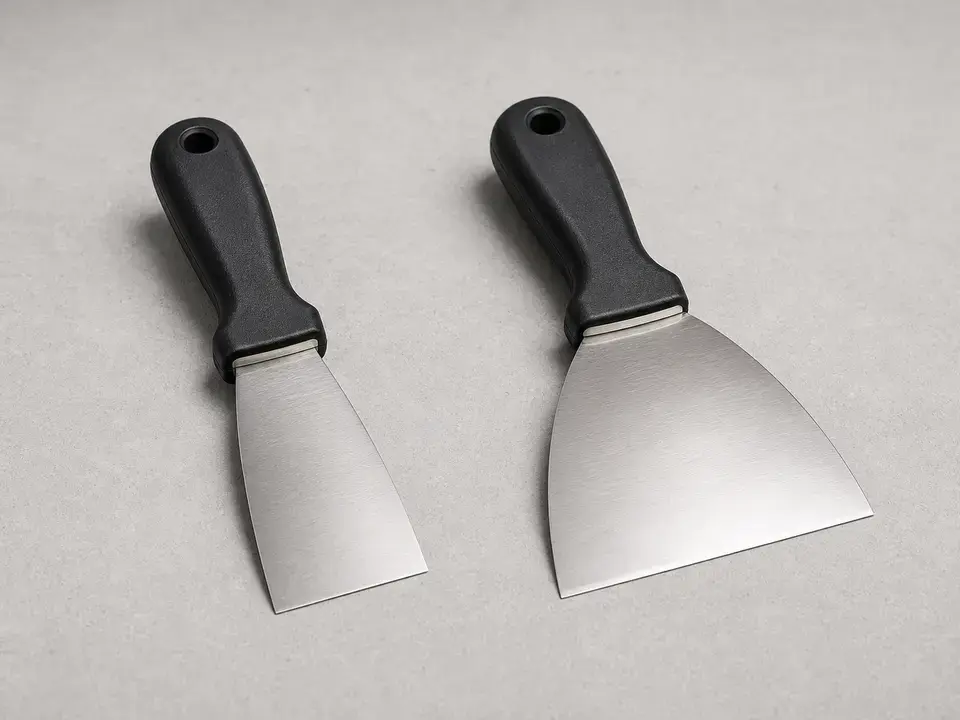
Use it for: To feather wider finish coats so the repair blends into the wall.
Shop 10 inch drywall knives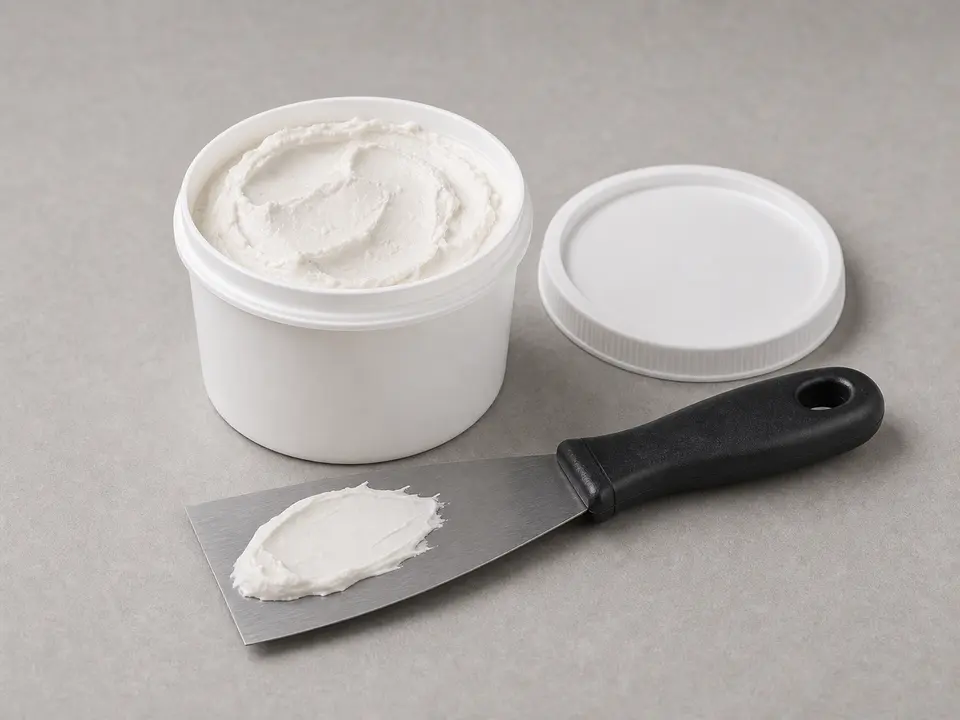
Use it for: To bed the tape and build the finish coats over the seam.
Find joint compound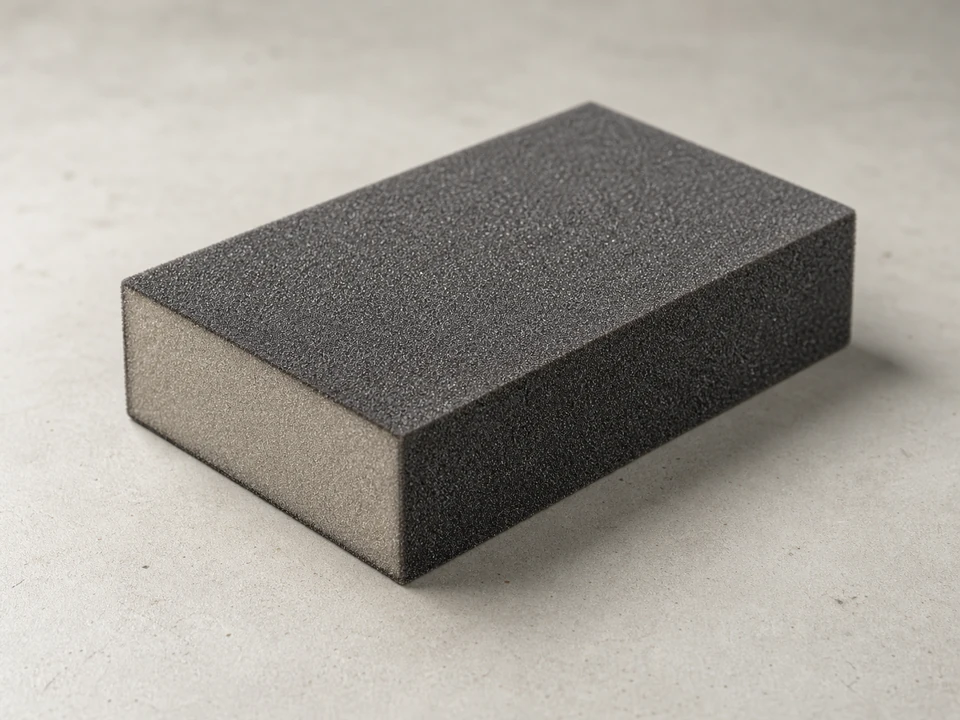
Use it for: To smooth dried compound without gouging the wall surface.
Shop sanding sponges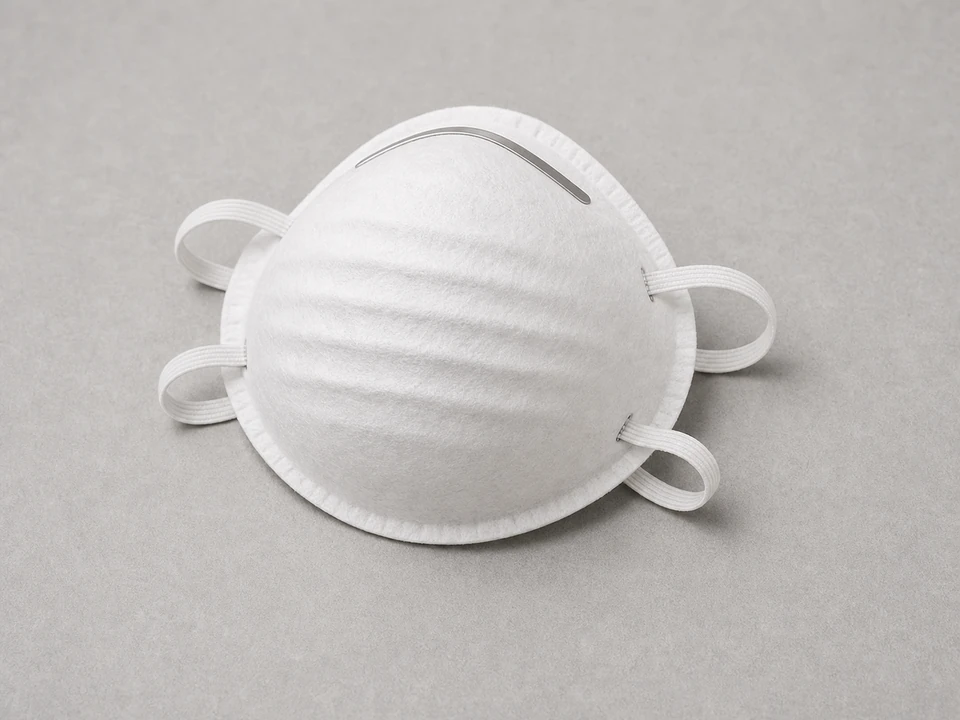
Use it for: To reduce breathing drywall dust while scraping and sanding.
Shop dust masksAs an Amazon Associate I earn from qualifying purchases. Repair Riot may earn a commission at no extra cost to you.
If it works: You have confirmed the seam failure is at the tape and the surrounding drywall feels dry and solid.
If it doesn’t: If the crack is only in paint or a very thin surface layer and the tape still feels tight, try scraping, patching, and repainting instead of replacing the tape.
If it doesn’t: If old tape will not release cleanly, cut back farther until you reach tape and compound that are firmly bonded.
If it works: The seam stays smooth, the paint looks even, and no new crack or bubble returns in real use.
If it doesn’t: If the seam reopens, the root cause is likely movement, moisture, or damaged drywall behind the finish, and the area needs a deeper repair.
Use drywall joint tape made for seam finishing. Match the tape type to the repair and use paper tape when you need a crisp, stable flat seam.
As an Amazon Associate I earn from qualifying purchases. Repair Riot may earn a commission at no extra cost to you.
Usually no. If the tape has already lifted, fresh compound over the top will not fix the failed bond underneath. Remove the loose section and retape it.
For a typical flat seam repair, paper tape is a solid choice because it beds tightly and stays crisp. Mesh tape is used in some repairs, but it should still match the compound and repair method you are using.
Remove all tape that is loose, bubbled, split, or no longer bonded. Stop when you reach tape and compound that are firmly attached and the drywall underneath is sound.
Common causes are poor bedding in the original compound, too little mud under the tape, movement in the wall or ceiling, or moisture that weakened the bond.
Yes. Fresh joint compound absorbs paint differently than the surrounding surface. Primer helps the finish coat look even and keeps the patch from flashing through.