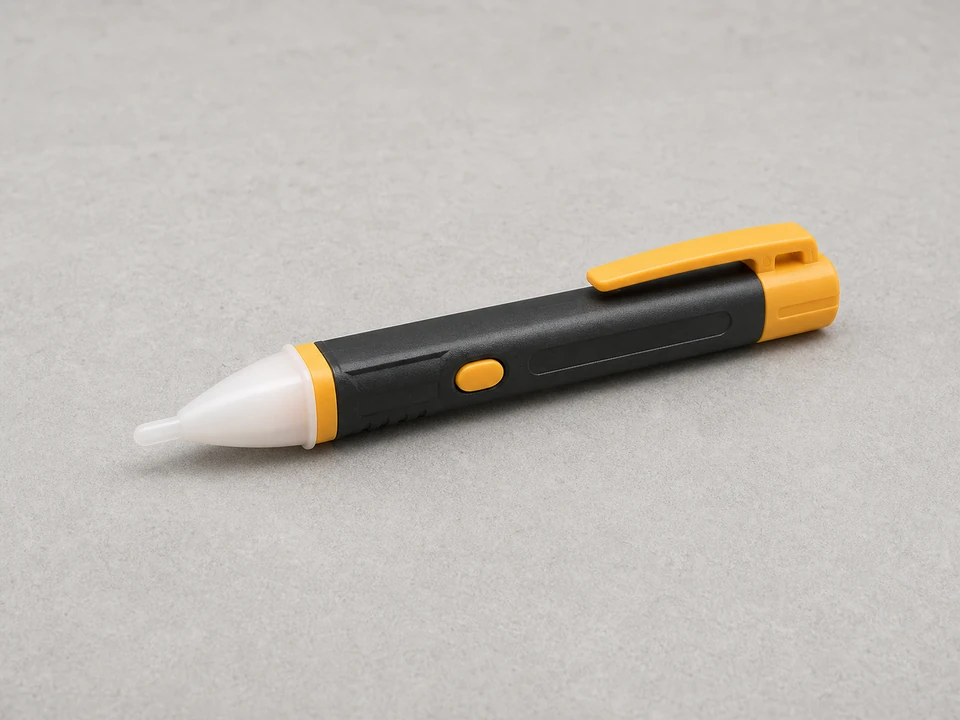
Non contact voltage tester
Use it for: To confirm the receptacle and box are not energized before you touch any wires.
Shop non-contact voltage testersTo replace a 15 amp tamper resistant receptacle, turn off the correct breaker, verify the outlet is dead, move the wires to a matching new device one connection at a time, reinstall it neatly, and test it before regular use.
This is a manageable repair if the box and wiring are in good shape and you can positively shut off power. The key is replacing the receptacle with the same type and reconnecting the wires exactly where they came from.
Before you start: Match the device style, amperage, GFCI or AFCI type, and wiring compatibility before ordering.
Use it for: To confirm the receptacle and box are not energized before you touch any wires.
Shop non-contact voltage testers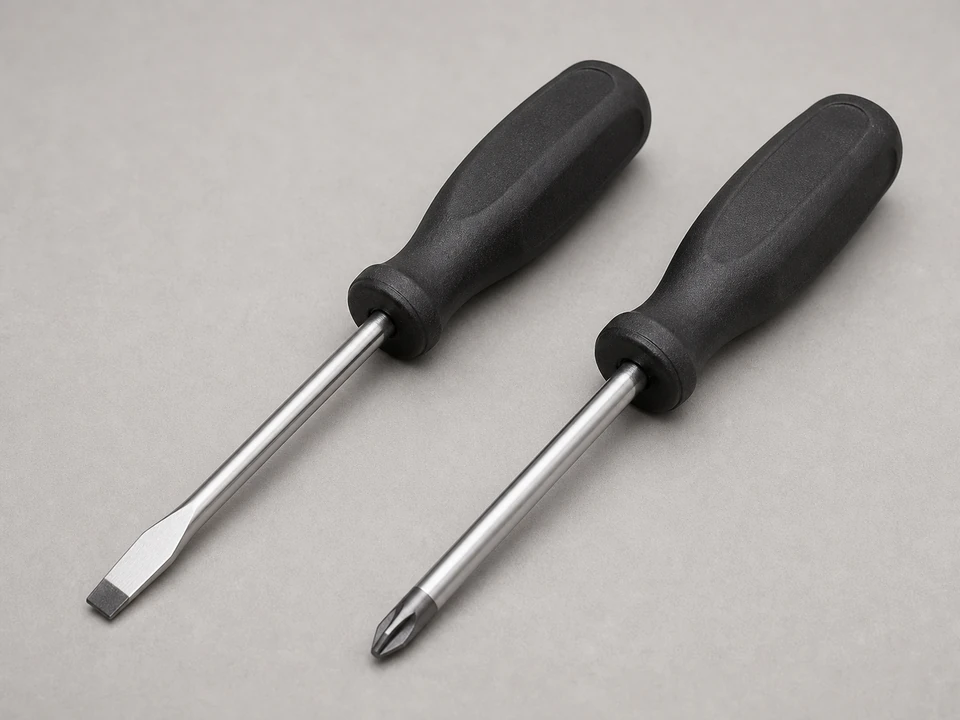
Use it for: To remove the cover plate, device screws, and terminal screws.
Shop insulated screwdrivers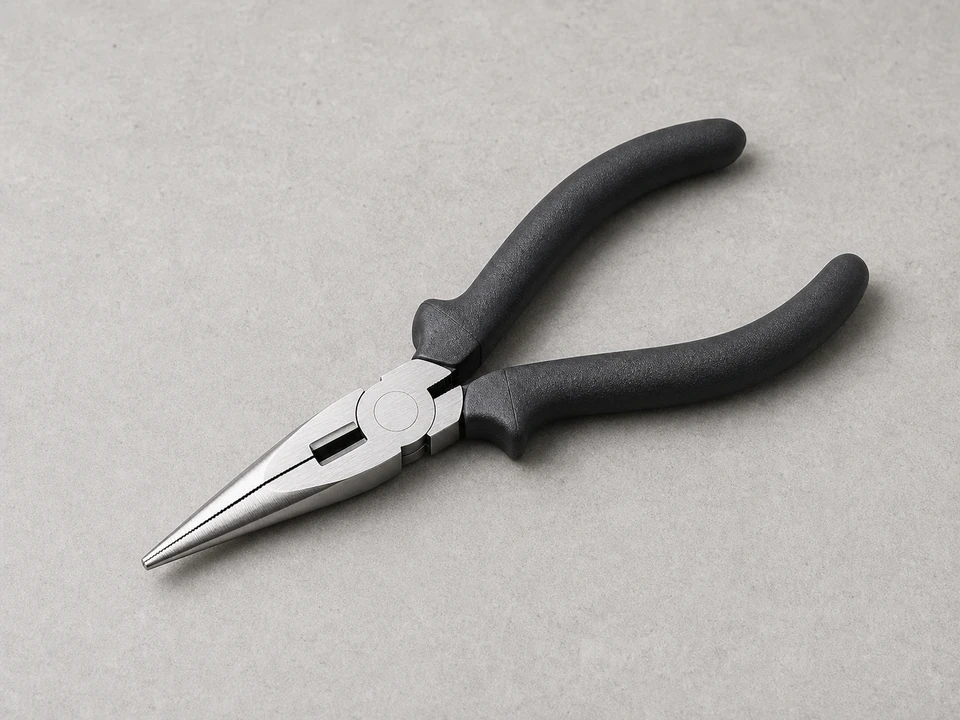
Use it for: To bend wire loops and guide wires back into the box cleanly.
Shop needle-nose pliers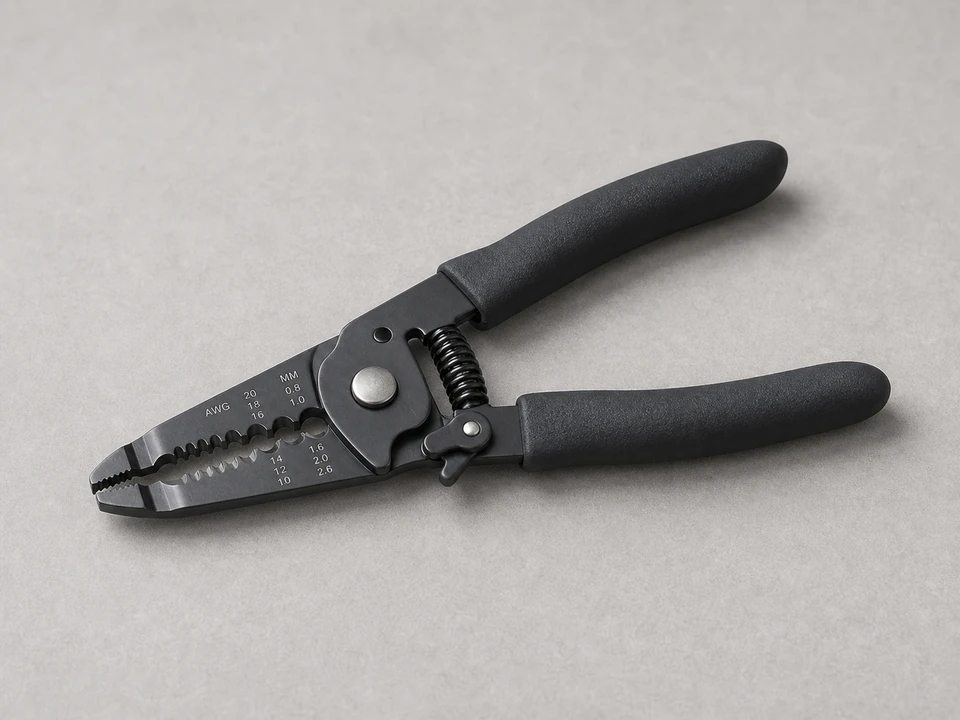
Use it for: To clean up damaged wire ends if you need to re-strip a conductor.
Shop wire strippers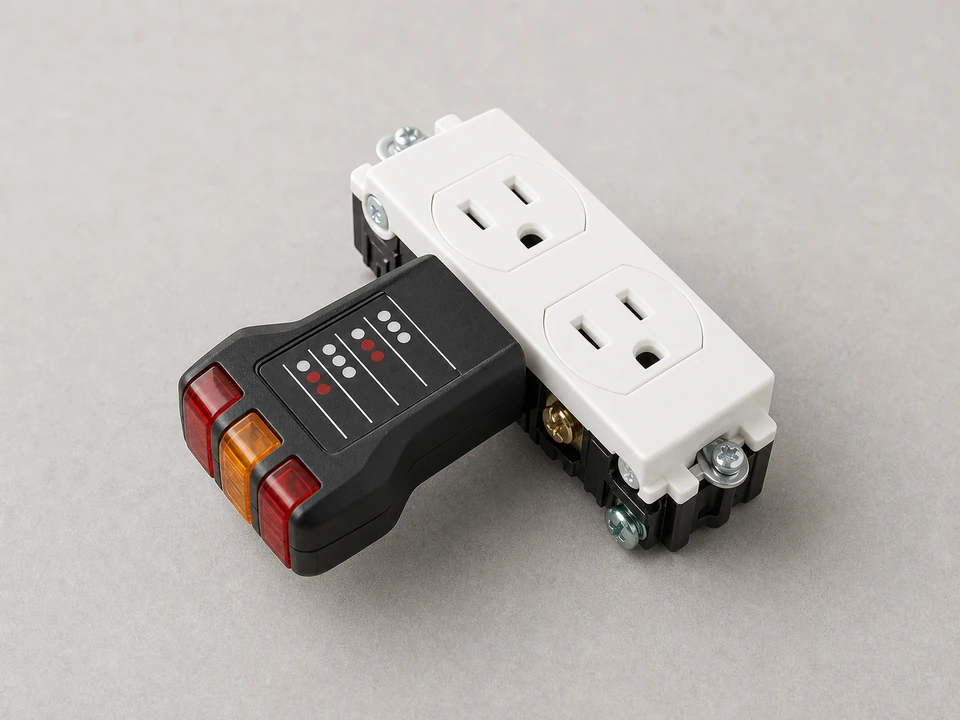
Use it for: To check that the new receptacle is wired correctly after installation.
Shop outlet testersAs an Amazon Associate I earn from qualifying purchases. Repair Riot may earn a commission at no extra cost to you.
If it works: You have a failed or worn receptacle and a matching replacement device ready.
If it doesn’t: If the outlet looks fine but the circuit still has broader power problems, troubleshoot the breaker, GFCI, AFCI, or upstream wiring before replacing the receptacle.
If it works: The receptacle is pulled forward and you have confirmed there is no power at the device or its conductors.
If it doesn’t: If anything still tests live, go back to the panel and identify the correct breaker before continuing.
If it works: The old receptacle is free and you have a clear record of how the wires were connected.
If it doesn’t: If the wire positions are confusing, compare your photo to the new device and label the wires before moving on.
If it works: The new receptacle is wired to match the original layout with tight, clean connections.
If it doesn’t: If the wires do not reach comfortably or the terminal layout does not match what came out, stop and compare the new device carefully before energizing anything.
If it works: The new receptacle is mounted securely, sits straight, and the cover plate is installed cleanly.
If it doesn’t: If the device rocks or will not sit flush, pull it back out and rearrange the wires so the box is not overcrowded behind the receptacle.
If it works: The new receptacle tests correctly, holds plugs firmly, and works normally without heat or nuisance tripping.
If it doesn’t: If the tester shows an open ground, reversed polarity, or another wiring fault, turn the breaker back off and recheck each connection against your photo and the terminal colors.
Match the device style, amperage, GFCI or AFCI type, and wiring compatibility before ordering.
As an Amazon Associate I earn from qualifying purchases. Repair Riot may earn a commission at no extra cost to you.
Many homeowners can if they can shut off the correct breaker, verify the outlet is dead, and move the wires to a matching replacement carefully. If the wiring is damaged or confusing, it is safer to stop.
It means the outlet has internal shutters that help block foreign objects from being inserted. It still works normally with a standard plug when both blades go in together.
Yes, match the basic device type. A standard receptacle should be replaced with a standard tamper resistant receptacle, while a GFCI receptacle should be replaced with a GFCI type unless the circuit is being changed intentionally and correctly.
That is usually normal. New tamper resistant receptacles and new contact springs often grip plugs more firmly than a worn outlet.
Call if you find burned wires, a loose or damaged box, repeated breaker trips, confusing multi-cable wiring, missing grounding, or any sign the problem is larger than one failed receptacle.