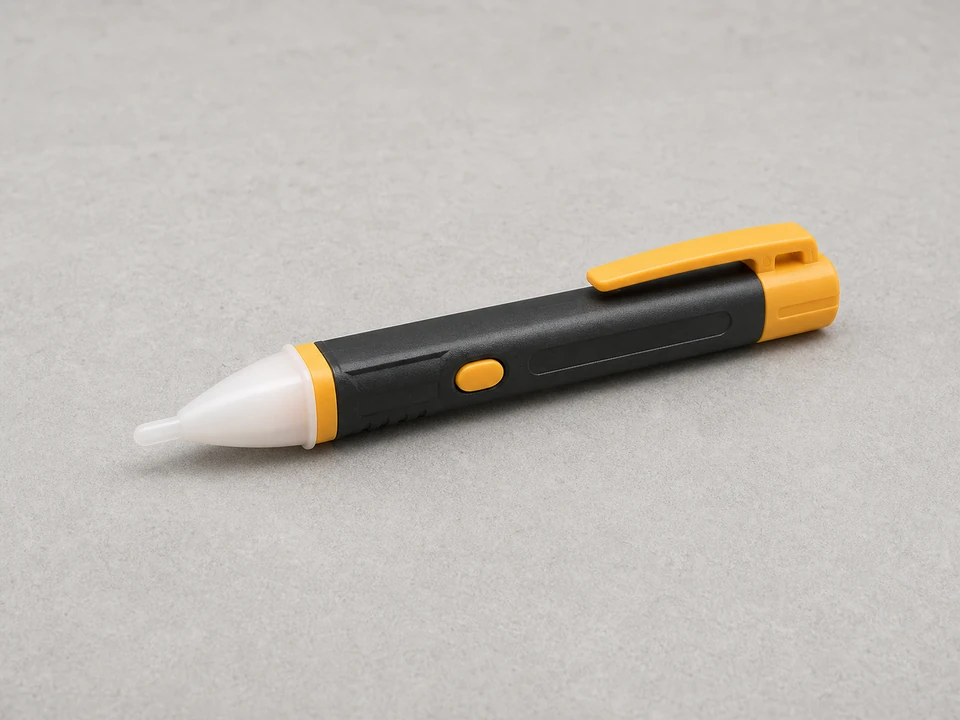
Non contact voltage tester
Use it for: To check that power is off before touching the outlet or wires.
Shop non-contact voltage testersTo replace a 20 amp tamper resistant receptacle, turn off the correct breaker, verify the outlet is dead, move the wires to a matching new device, secure it in the box, and test it before regular use.
This is a manageable repair when the outlet is damaged, loose, worn out, or no longer holds plugs well. The key is matching the replacement to the existing circuit and wiring, then confirming the new receptacle works under load.
Before you start: Match the device style, amperage, GFCI or AFCI type, and wiring compatibility before ordering.
Use it for: To check that power is off before touching the outlet or wires.
Shop non-contact voltage testers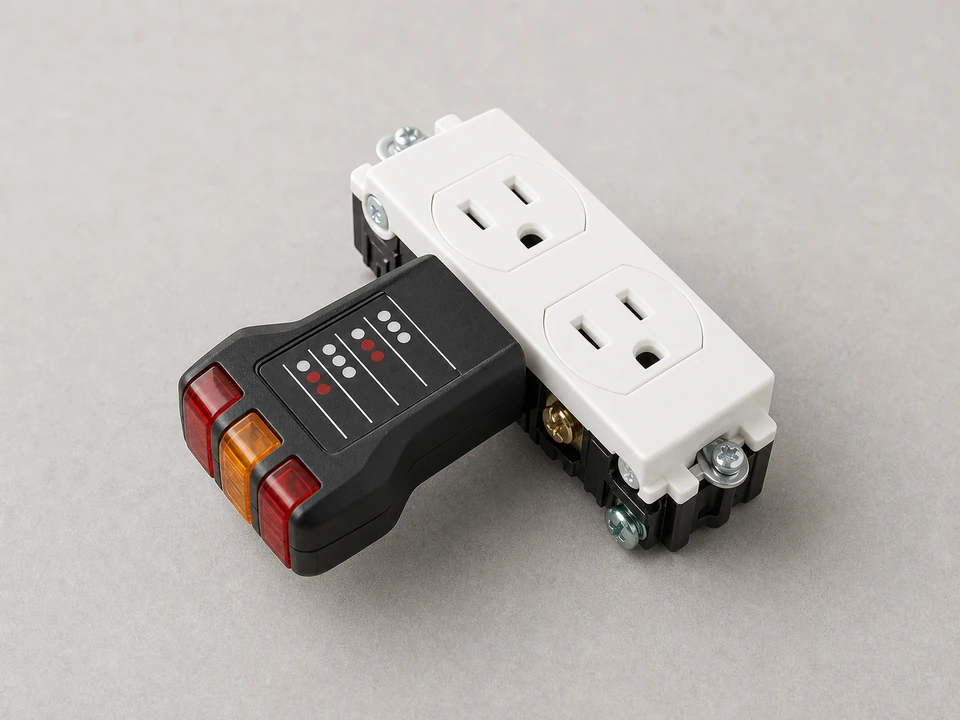
Use it for: To confirm the new receptacle is wired correctly after installation.
Shop plug-in outlet testers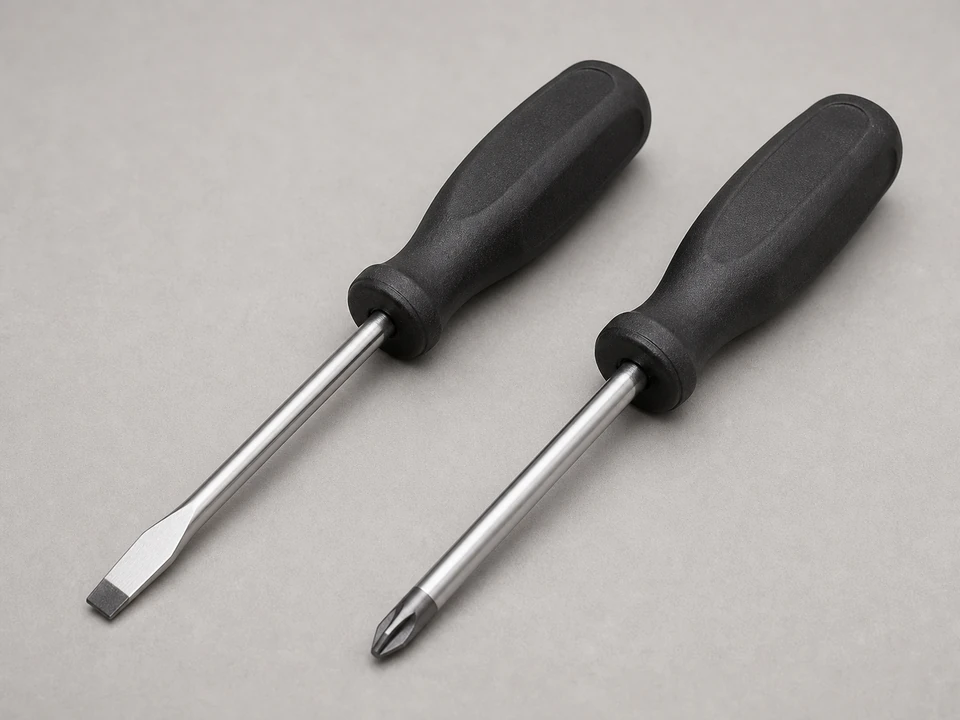
Use it for: To remove the cover plate, device screws, and terminal screws.
Shop screwdriver sets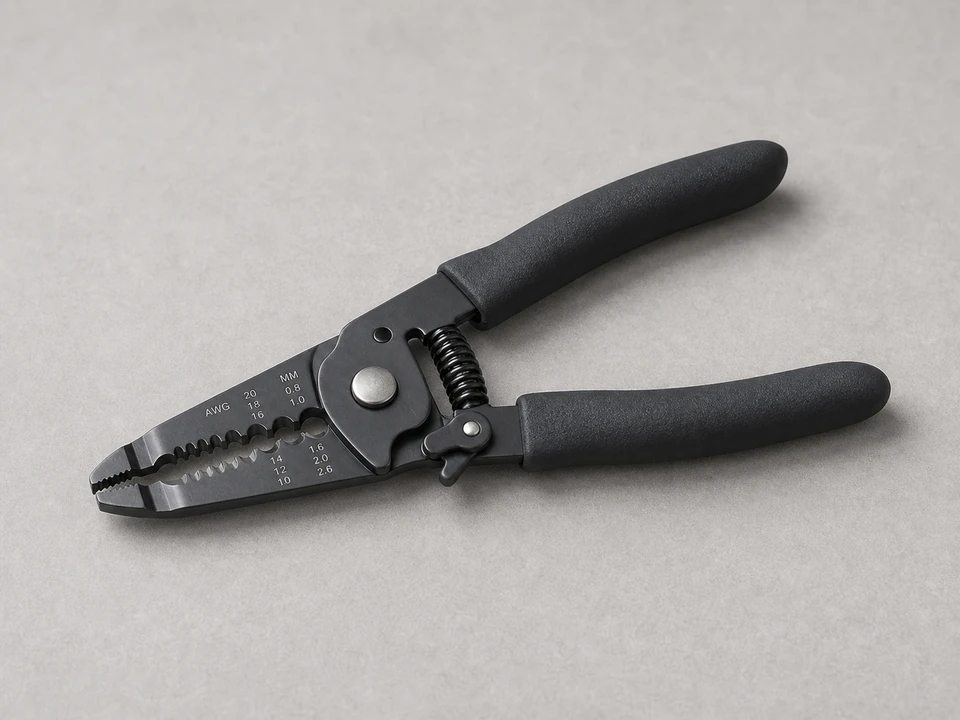
Use it for: To trim and re-strip wire ends if the old copper is nicked or fatigued.
Shop wire strippers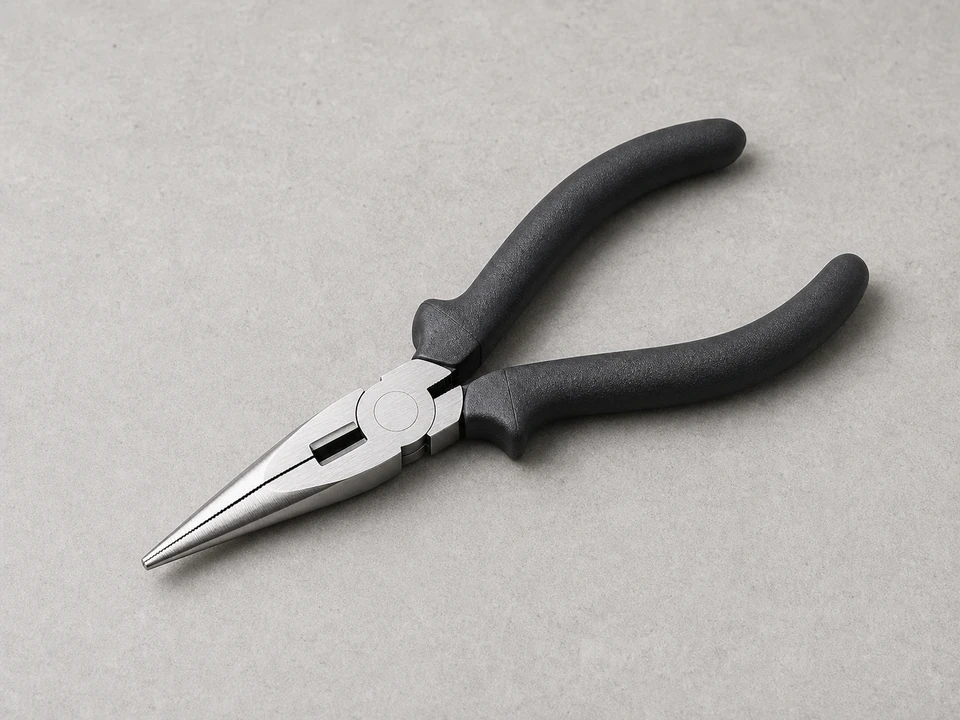
Use it for: To bend clean wire hooks for side-terminal connections.
Shop needle-nose pliersAs an Amazon Associate I earn from qualifying purchases. Repair Riot may earn a commission at no extra cost to you.
If it works: You have a matching replacement and the problem appears to be the receptacle, not hidden wiring or a damaged box.
If it doesn’t: If the outlet looks fine but the circuit still loses power, trips breakers, or has multiple dead outlets, diagnose the circuit first instead of replacing the receptacle blindly.
If it works: The outlet is confirmed de-energized and safe to handle.
If it doesn’t: If the outlet is still live, go back to the panel and identify the correct breaker before continuing.
If it works: The old receptacle is out and you have a clear record of how the wires were connected.
If it doesn’t: If the wiring does not match standard hot, neutral, and ground placement, pause and compare carefully with the old device and your photo before moving wires.
If it works: The new receptacle is wired to match the original layout with tight, clean connections.
If it doesn’t: If the new device does not accept the existing wiring layout, stop and get a matching replacement instead of forcing the connection.
If it works: The new receptacle is mounted securely, looks straight, and power is restored.
If it doesn’t: If the breaker trips immediately, turn it back off and recheck hot, neutral, and ground placement before trying again.
If it works: The new receptacle holds plugs properly, tests correctly, and works under normal use without heat, looseness, or breaker trips.
If it doesn’t: If the tester shows an error or the outlet still runs hot, loses power, or trips the breaker, turn the circuit off and inspect the wiring again or bring in an electrician.
Match the device style, amperage, GFCI or AFCI type, and wiring compatibility before ordering.
As an Amazon Associate I earn from qualifying purchases. Repair Riot may earn a commission at no extra cost to you.
Match what was installed and confirm it fits the circuit and use. A 20 amp receptacle has the distinctive T-shaped slot on one side. Do not swap device types unless you know the circuit and application support it.
For a like-for-like repair, replace it with another tamper resistant receptacle. That keeps the outlet function and fit consistent with what was there before.
You can remove the wires and move them to the new receptacle's proper terminals. If the wire ends are nicked or weak, trim them back and strip fresh copper before reconnecting.
That is normal. Tamper resistant shutters and a fresh plug grip often make insertion feel stiffer than a worn outlet. It should still accept a plug evenly without forcing it at an angle.
Not always, but it is a good idea if the old plate is cracked, warped, or no longer sits flat. A new plate also helps the finished repair look clean and secure.