
Non contact voltage tester
Use it for: To confirm the outlet and wires are de-energized before you touch them.
Shop non-contact voltage testersTo replace a tamper resistant receptacle, first make sure the outlet itself is the problem, then turn off the correct breaker, confirm the power is actually off, move the wires to a matching new receptacle, reinstall it, and test it under normal use.
This is a manageable repair for a careful homeowner, but only if the box and wiring are in good shape and you can positively shut off power. The key is replacing the outlet with the same type and reconnecting each wire to the correct terminal.
Before you start: Match the device style, amperage, GFCI or AFCI type, and wiring compatibility before ordering.
Use it for: To confirm the outlet and wires are de-energized before you touch them.
Shop non-contact voltage testers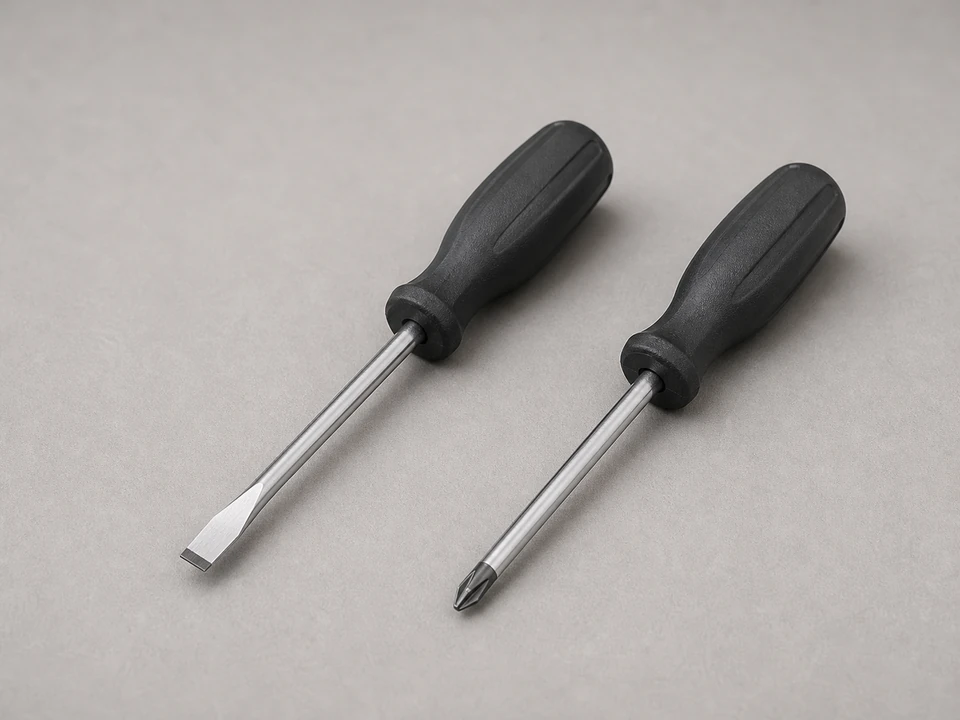
Use it for: To remove the cover plate, device screws, and terminal screws.
Shop screwdriver sets
Use it for: To bend wire loops neatly onto terminal screws.
Shop needle-nose pliers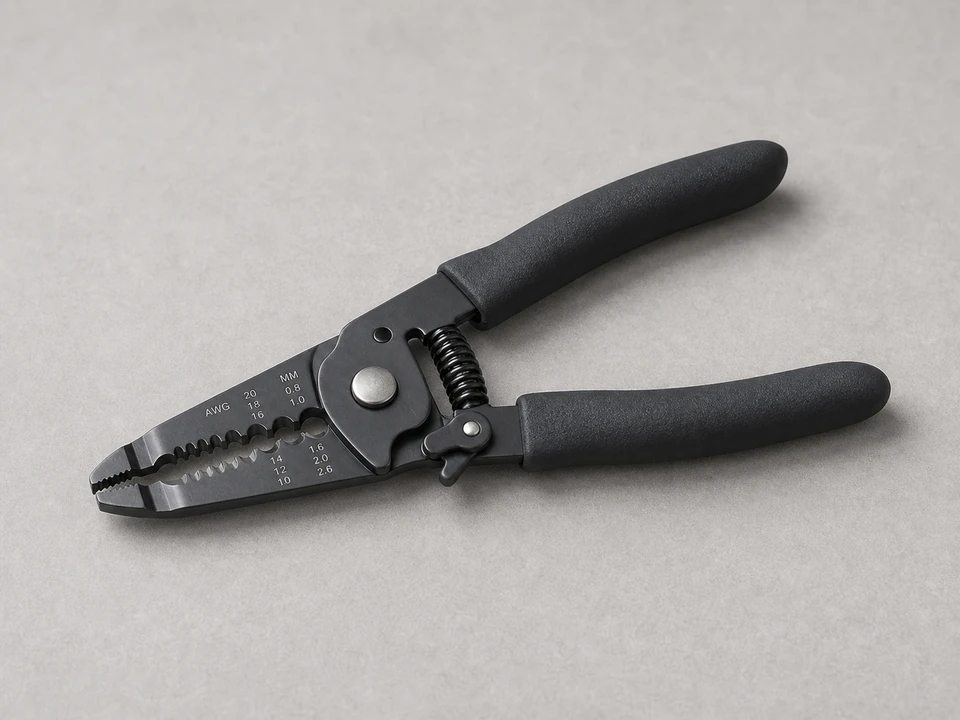
Use it for: To cleanly re-strip a wire end if the old copper is nicked or too short.
Shop wire strippers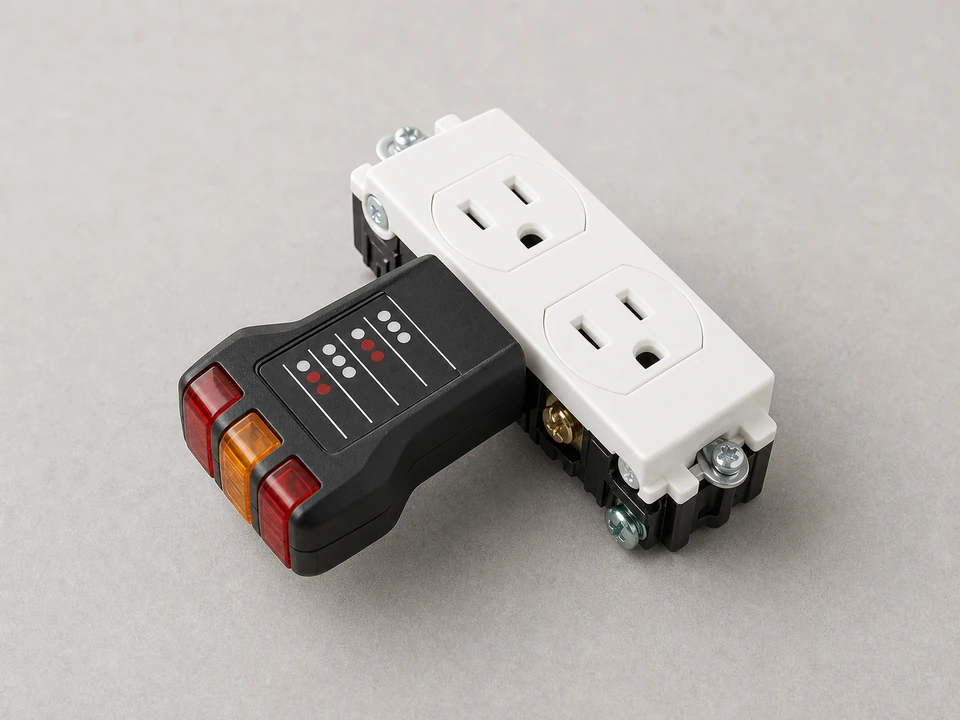
Use it for: To check that the new receptacle is wired correctly after installation.
Shop outlet testersAs an Amazon Associate I earn from qualifying purchases. Repair Riot may earn a commission at no extra cost to you.
If it works: You have a matching replacement and a good reason to replace the receptacle itself.
If it doesn’t: If you are not sure whether the outlet is standard, GFCI, or AFCI, stop and identify the device type before buying or wiring anything.
If it works: The tester shows the receptacle and wires are de-energized.
If it doesn’t: If the tester still shows power, go back to the panel and identify the correct breaker before continuing.
If it works: The old receptacle is free and you have a clear record of how the wires were connected.
If it doesn’t: If the wires are too short to reconnect safely after trimming, the next move is to have an electrician extend them properly in the box.
If it works: Each wire is on the correct terminal and the connections are tight and tidy.
If it doesn’t: If the terminal layout on the new device does not clearly match the old one, compare the markings carefully and use the wiring diagram on the device body before proceeding.
If it works: The receptacle is secure, the cover plate is flush, and power is restored without tripping the breaker.
If it doesn’t: If the breaker trips immediately, turn it back off and recheck for a hot-neutral mix-up, a ground touching a terminal, or a pinched wire.
If it works: The tester shows correct wiring, the outlet holds a plug properly, and it works normally without heat, tripping, or flickering.
If it doesn’t: If the tester shows an open ground, reversed polarity, or another wiring fault, turn the breaker off and correct the wiring before using the outlet.
Match the device style, amperage, GFCI or AFCI type, and wiring compatibility before ordering.
As an Amazon Associate I earn from qualifying purchases. Repair Riot may earn a commission at no extra cost to you.
It is an outlet with internal shutters that open only when equal pressure is applied to both slots at the same time. That helps block foreign objects from being inserted into the outlet.
Match the existing device type and rating. If the old outlet is tamper resistant, the simplest and safest replacement path is another tamper resistant receptacle of the same type.
Match the rating of the existing device and the circuit setup. Do not guess based only on what you plan to plug in. The face pattern and device markings can help identify the rating.
Not always. Tamper resistant shutters naturally feel stiffer than older outlets. Replace the receptacle if the shutters bind badly, the face is damaged, the plug fit is poor, or there are signs of heat or wear.
Then the replacement must match that function. A standard receptacle is not a direct substitute for a GFCI or AFCI receptacle. Move wires to the correct marked terminals and test the device after installation.