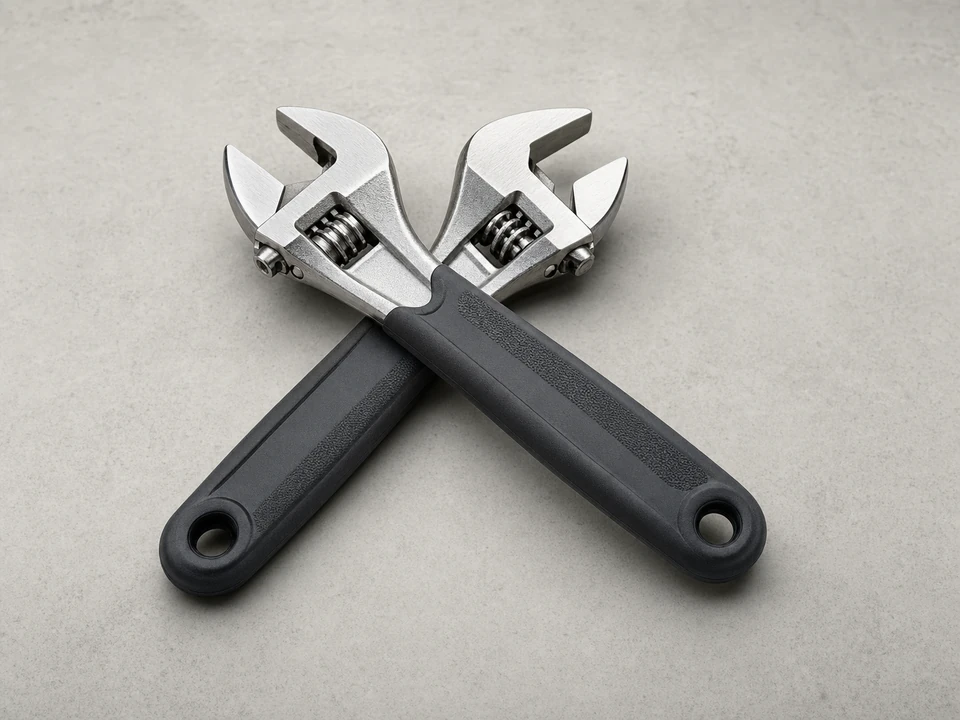
Adjustable wrench
Use it for: To hold the valve body and tighten compression nuts or threaded connections without twisting the pipe.
Shop adjustable wrenchesTo replace an angle shutoff valve, first confirm the valve itself is leaking or no longer shuts off, then turn off the home's main water, drain the line, remove the old valve, install a matching replacement, and test it under pressure and normal fixture use.
This is a manageable repair if the valve is exposed and the pipe is in good shape. The key is buying the same connection style and not forcing old plumbing that is already damaged or loose in the wall.
Before you start: Match the pipe connection type, outlet size, and shutoff orientation before ordering.
Use it for: To hold the valve body and tighten compression nuts or threaded connections without twisting the pipe.
Shop adjustable wrenches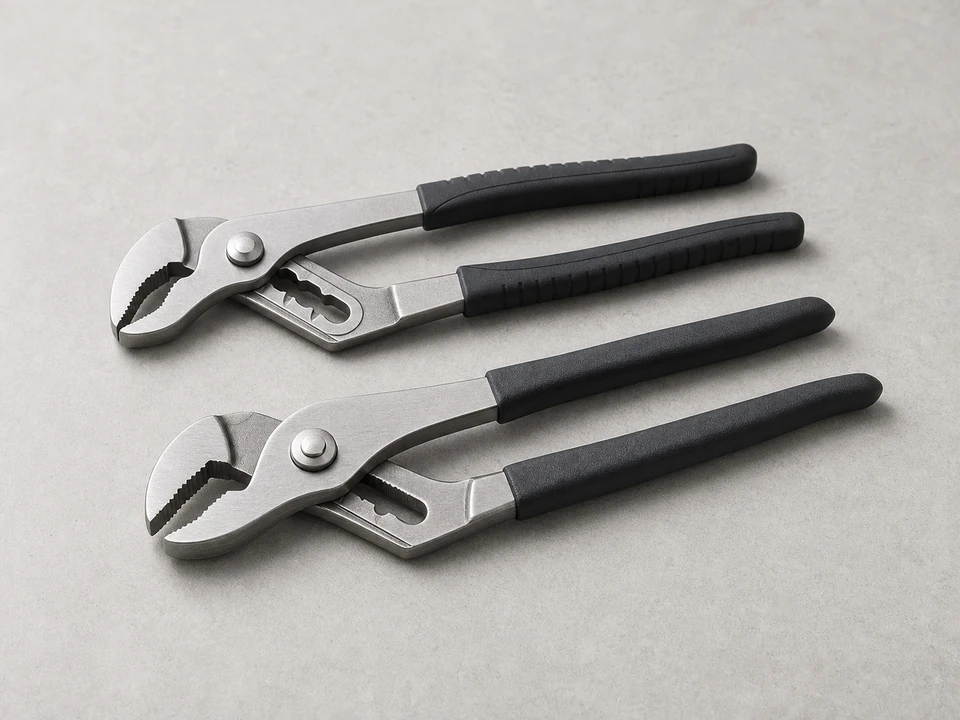
Use it for: To hold a backup grip on the pipe or old valve while you loosen fittings.
Shop tongue and groove pliers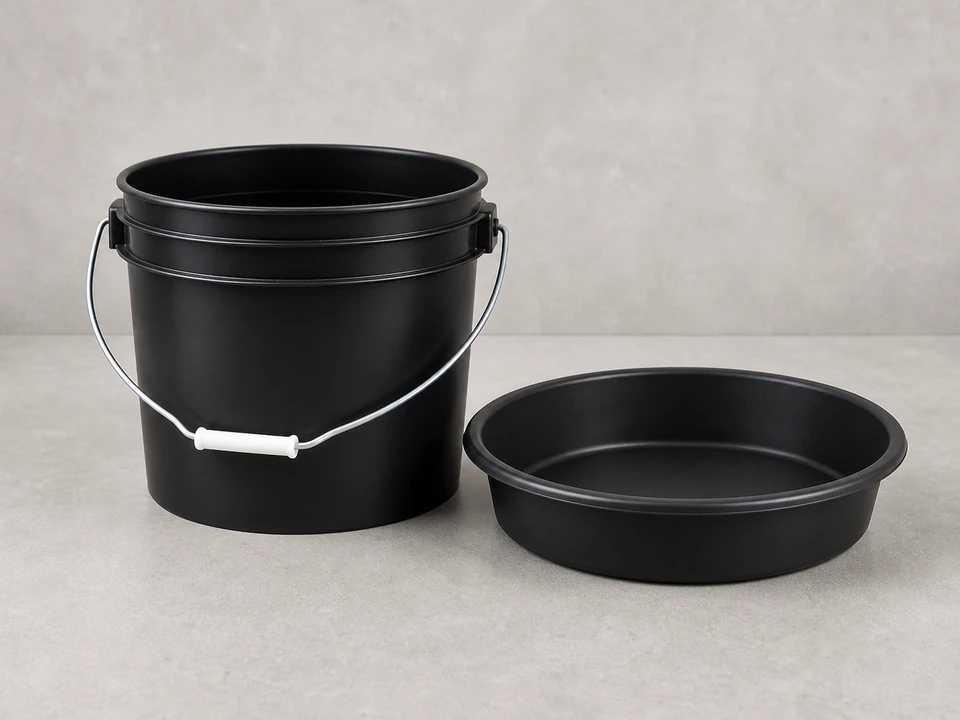
Use it for: To catch the water left in the line when the old valve comes off.
Find a drain pan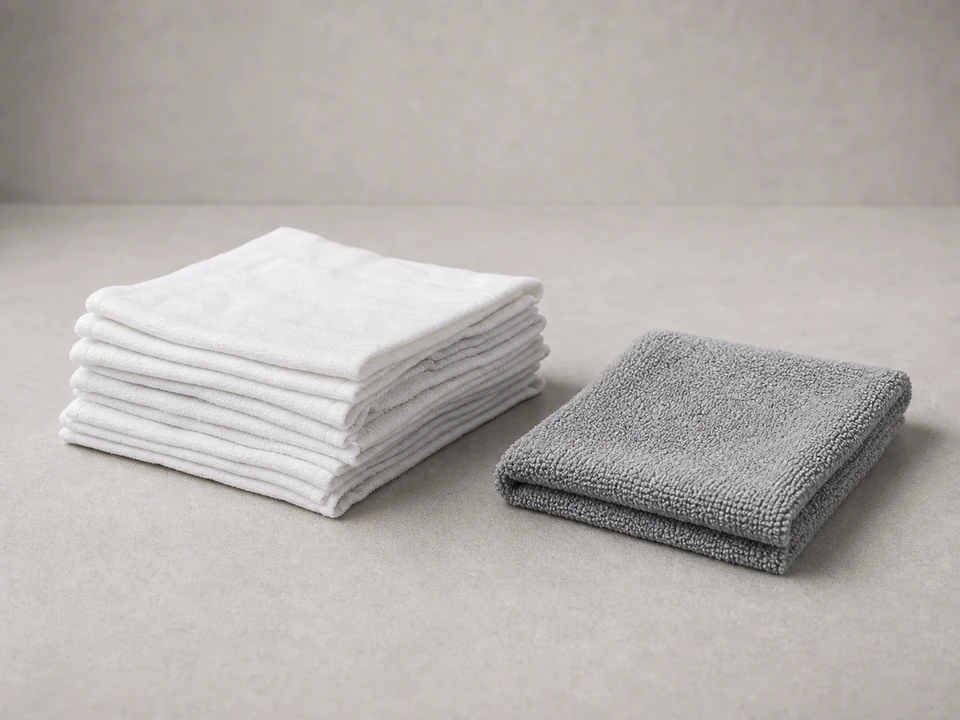
Use it for: To protect the cabinet or floor and wipe fittings dry for leak checks.
Shop absorbent shop towels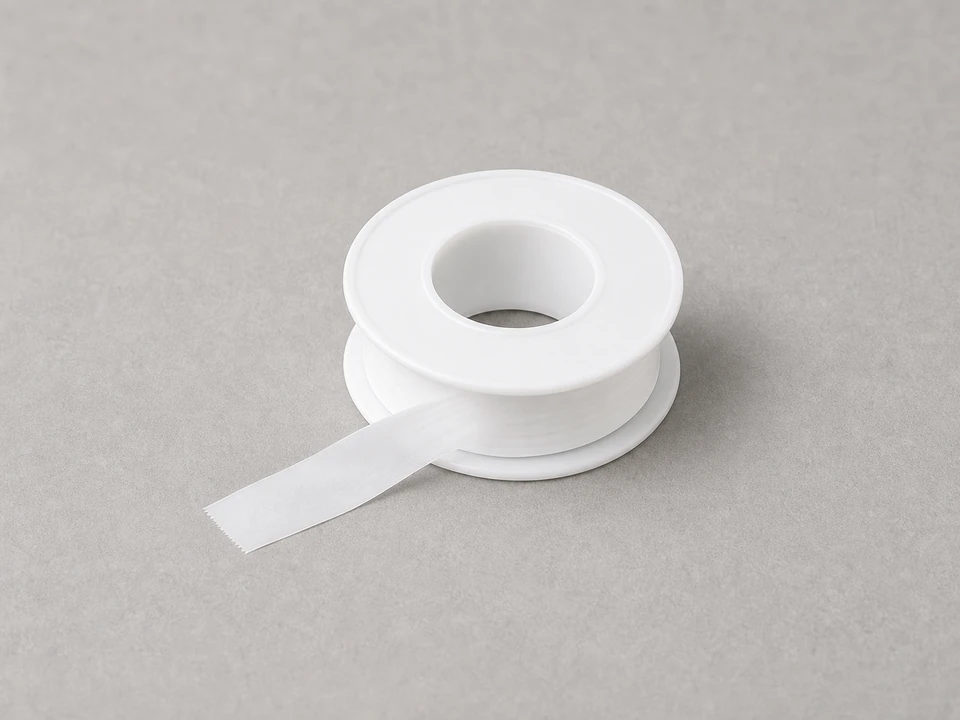
Use it for: To seal male threaded connections if your replacement valve uses threads.
Find thread seal tape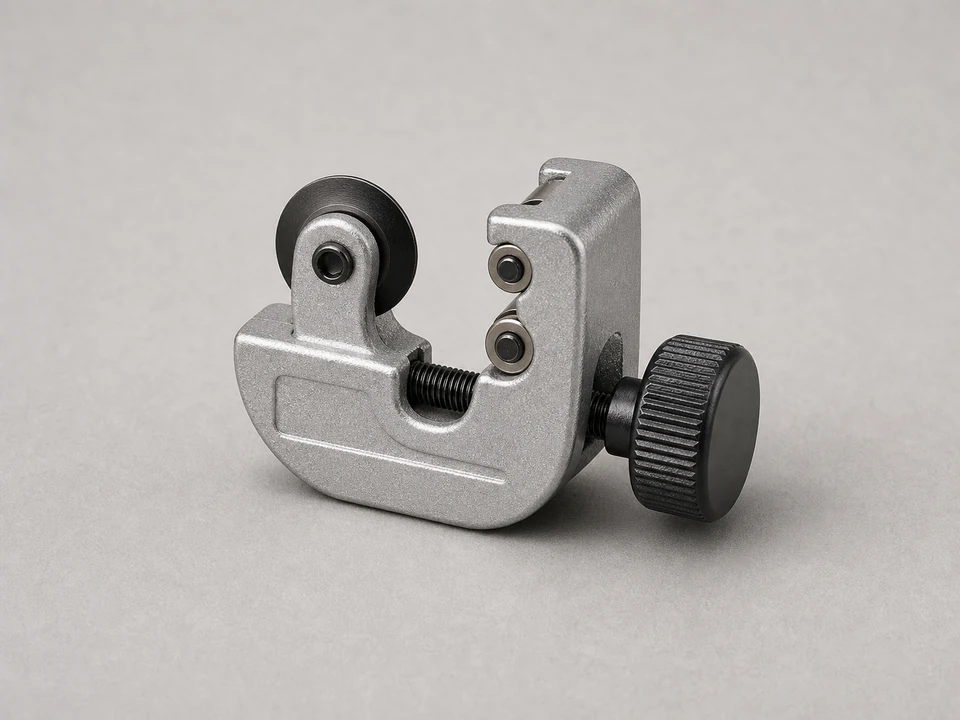
Use it for: To make a clean cut if the old compression sleeve or damaged pipe end needs to be removed.
Find a tubing cutterAs an Amazon Associate I earn from qualifying purchases. Repair Riot may earn a commission at no extra cost to you.
If it works: You have confirmed the angle shutoff valve itself is leaking, seized, or no longer shuts off reliably.
If it doesn’t: If the leak is only at the supply line connection, try replacing or tightening the supply line first. If water is coming from inside the wall, this is not a simple valve swap.
If it doesn’t: If a connection still seeps after a small adjustment, shut the water back off, disconnect it, and inspect the fitting surfaces and alignment before trying again.
If it works: The fixture runs normally, the valve shuts off properly, and the repair stays dry after repeated use.
If it doesn’t: If the valve does not shut off fully or develops a slow leak later, replace it again with the correct matching valve or have the stub-out inspected for damage.
Match the pipe connection type, outlet size, and shutoff orientation before ordering.
As an Amazon Associate I earn from qualifying purchases. Repair Riot may earn a commission at no extra cost to you.
Match three things: the pipe connection type at the wall, the outlet size for the supply line, and the valve orientation. Bring the old valve to the store if you can, and do not guess on the inlet connection.
Sometimes people do, but a fresh matching set usually gives a better chance of a clean seal. If the old sleeve is damaged, corroded, or stuck crooked, replace it or cut back to clean pipe if there is enough length.
That is a different repair than a simple wrench-off replacement. If you are not set up to desolder safely and protect the surrounding area, it is a good point to call a plumber.
Most small drips come from a misaligned supply line, a compression fitting that is not seated correctly, or a connection that needs a slight adjustment. Shut the water off, dry everything, and inspect the exact source before tightening more.
It is often a smart idea if the supply line is old, kinked, or shows corrosion at the ends. A new line can prevent a future leak right after you finish the valve replacement.