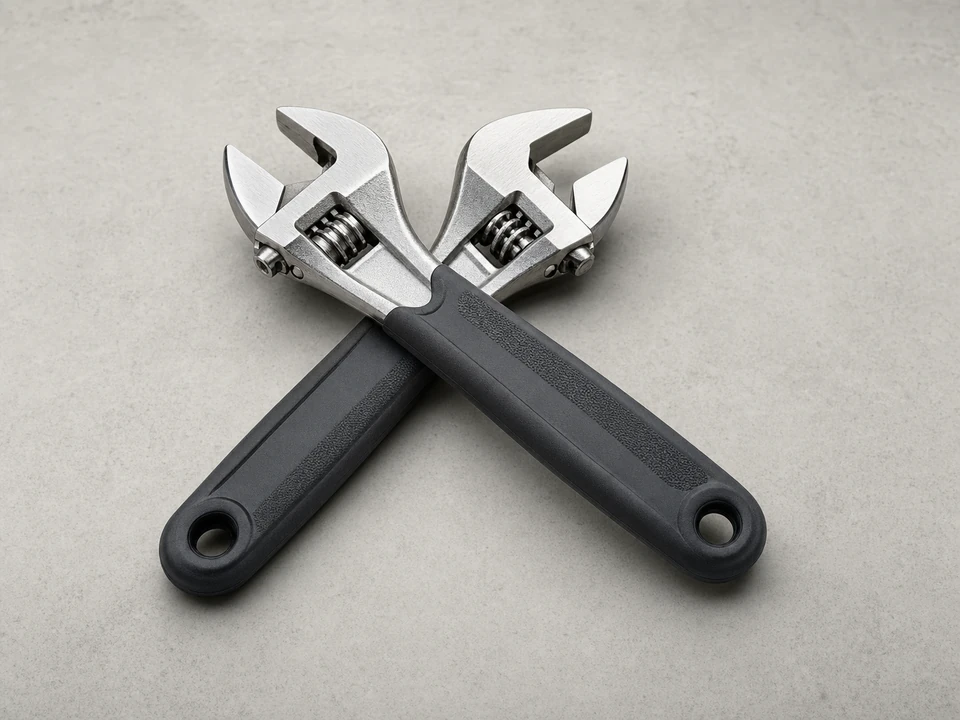
Adjustable wrench
Use it for: To hold the valve body and loosen or tighten compression nuts without twisting the pipe.
Shop adjustable wrenchesTo replace a compression angle shutoff valve, shut off the home water supply, drain the line, remove the old compression valve, install a matching new valve on the existing pipe, then restore water and check carefully for leaks.
This is a good DIY repair when the shutoff valve is stuck, dripping around the stem, or will not fully stop water to a sink or toilet. The key is making sure you have the same connection style and enough clean pipe for the new valve to seal properly.
Before you start: Match the pipe connection type, outlet size, and shutoff orientation before ordering.
Use it for: To hold the valve body and loosen or tighten compression nuts without twisting the pipe.
Shop adjustable wrenches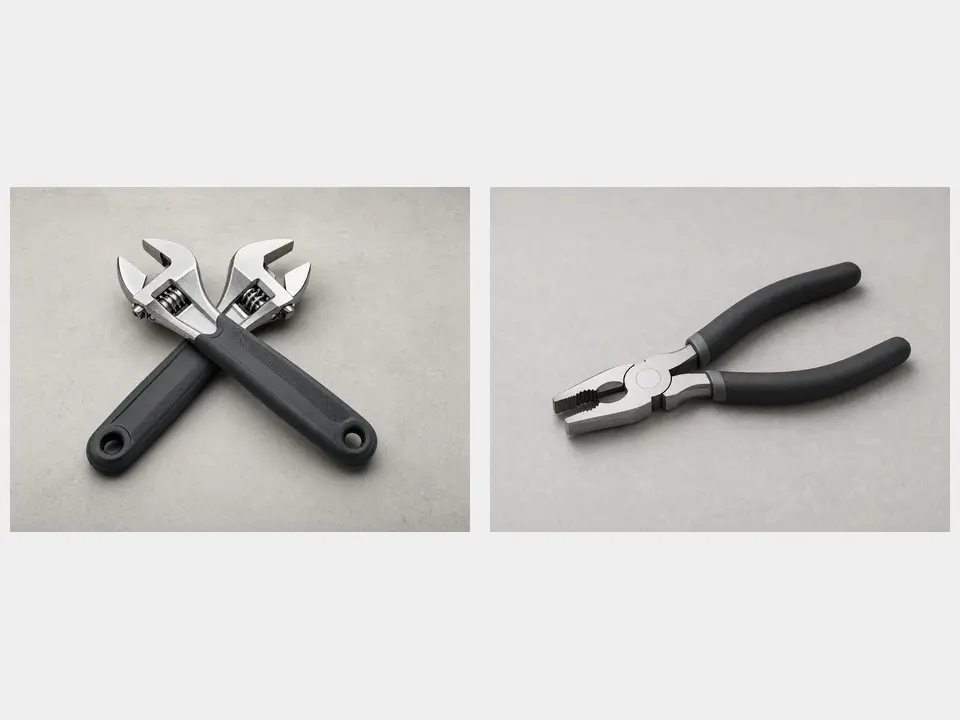
Use it for: To back up the pipe or compression nut while you turn the other side.
Shop backup pliers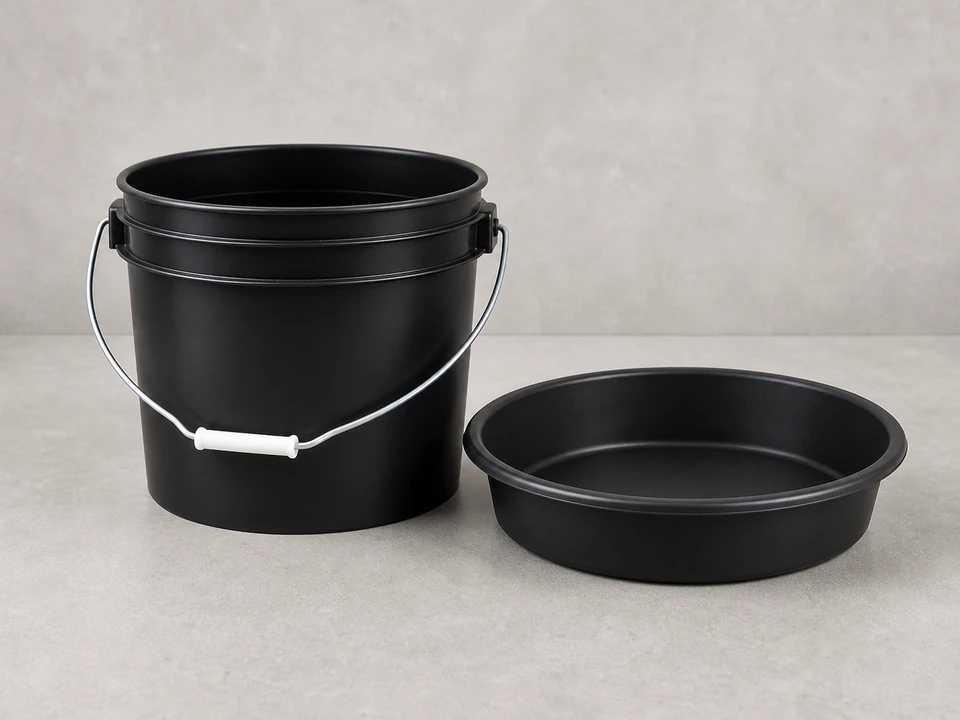
Use it for: To catch water left in the line when the old valve comes off.
Find a drain pan
Use it for: To protect the cabinet and wipe the pipe dry before leak checks.
Shop absorbent shop towels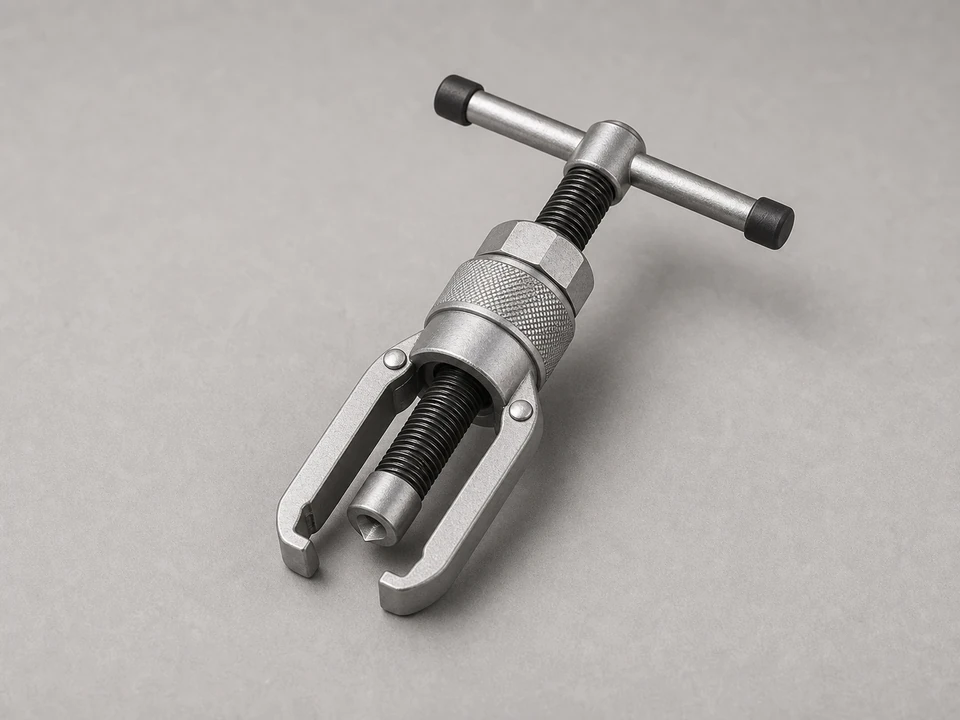
Use it for: To remove a stuck old ferrule and nut if they will not slide off the pipe cleanly.
Find a compression sleeve puller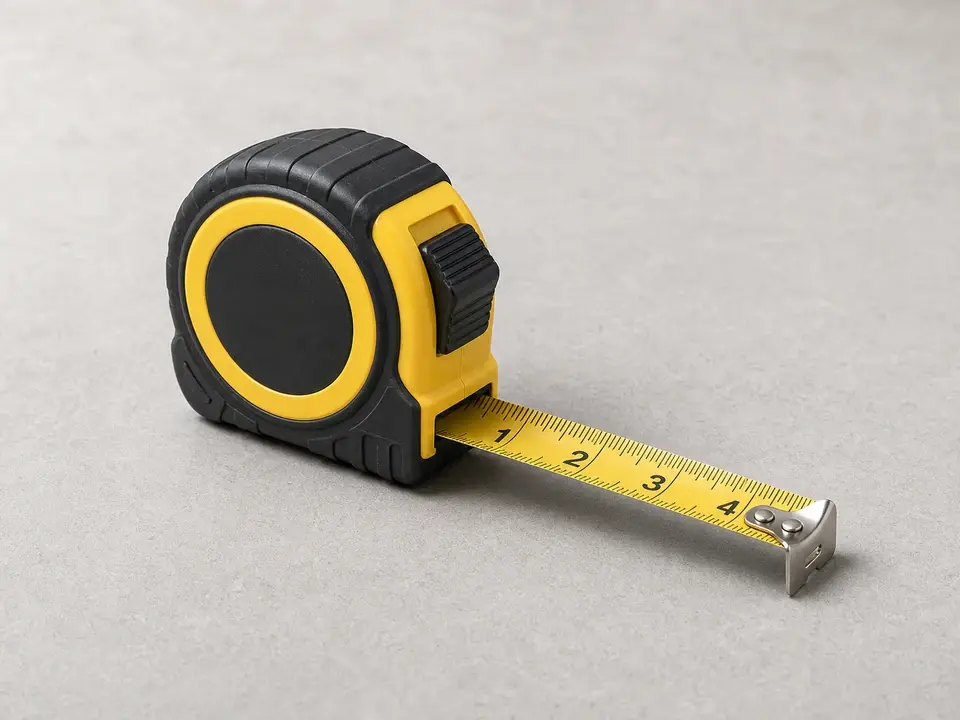
Use it for: To compare pipe size and outlet size before installing the new valve.
Shop tape measuresAs an Amazon Associate I earn from qualifying purchases. Repair Riot may earn a commission at no extra cost to you.
If it works: You have confirmed the old part is a compression angle shutoff valve and the pipe looks usable for a replacement.
If it doesn’t: If the valve is threaded, soldered, push-to-connect, or attached to damaged pipe, pause and identify the actual connection type before buying parts.
If it works: Water flow at the fixture has stopped and the line is drained enough to remove the valve with only a small amount of spill water.
If it doesn’t: If water keeps running steadily, the main shutoff may not be fully closed or may not be holding. Restore the area and address the main shutoff first.
If it works: The old valve is off and the pipe is clean, round, and ready for the new compression connection.
If it doesn’t: If the old ferrule will not come off cleanly, use the puller or cut back to a sound section only if you have enough pipe and know the replacement will still fit.
If it works: The new valve is positioned correctly on the pipe and the compression nut starts smoothly by hand.
If it doesn’t: If the nut will not start by hand or the valve does not sit squarely, remove it and recheck the pipe size, ferrule direction, and valve fit.
If it works: The valve is firmly installed, aligned correctly, and the supply tube is reconnected without strain.
If it doesn’t: If the valve keeps rotating while tightening, back off and reset it while holding the body more securely.
If it works: The new compression angle shutoff valve opens and closes normally, the fixture works, and all connections stay dry under real use.
If it doesn’t: If you see a minor seep at a compression connection, tighten that connection slightly while backing up the valve body, then dry and retest. If leaking continues, remove the valve and inspect the ferrule, pipe condition, and valve fit.
Match the pipe connection type, outlet size, and shutoff orientation before ordering.
As an Amazon Associate I earn from qualifying purchases. Repair Riot may earn a commission at no extra cost to you.
It is usually better to use the new compression parts that come with the new valve. Old ferrules can be distorted and may not seal well on a different valve body.
Not on the compression connection itself. Compression fittings seal by the ferrule being tightened onto the pipe, not by thread sealant on the nut threads.
Use a compression sleeve puller if possible. It removes the ferrule with less risk of scoring or bending the pipe.
The most common causes are a slightly loose compression nut, a damaged or out-of-round pipe, a crooked ferrule, or a valve that does not match the pipe size and connection type.
Match the inlet connection type, pipe size, outlet size, and angle orientation. Also make sure the supply tube connection matches your fixture line.