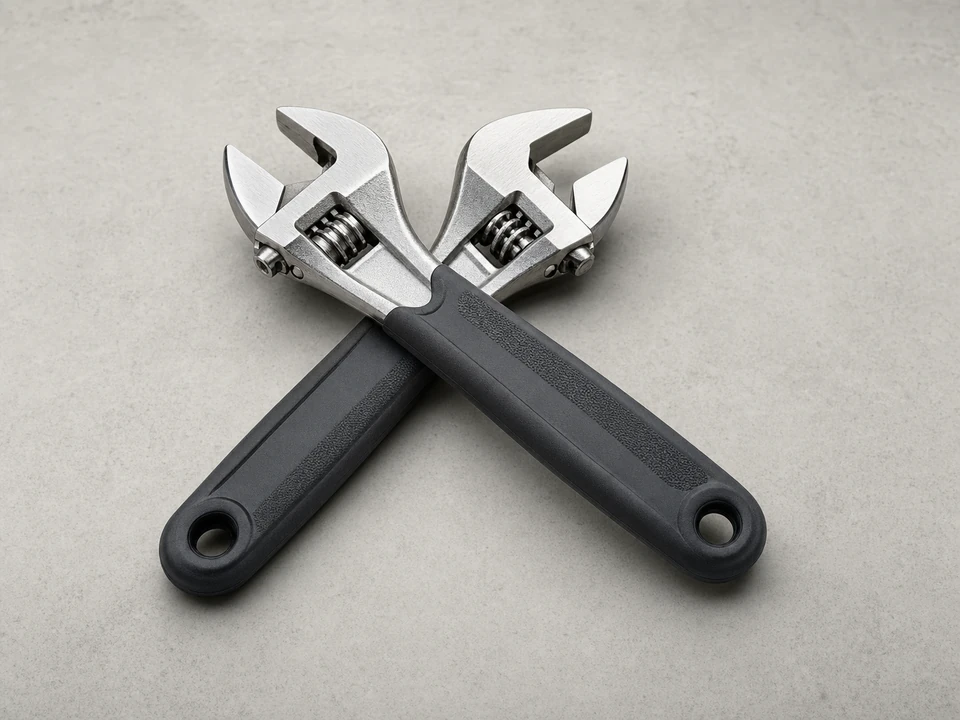
Two adjustable wrenches
Use it for: One holds the valve body steady while the other loosens or tightens the compression nut without twisting the pipe.
Shop adjustable wrenchesTo replace a compression straight shutoff valve, shut off the home water supply, drain the line, remove the old compression valve and ferrule if needed, install the new valve on the same size pipe, then restore water and check for leaks and proper shutoff.
This is a good repair when the valve will not fully open or close, leaks around the body or stem, or is too corroded to trust. The job is usually straightforward if the supply pipe is in good shape and you can fully shut off the house water first.
Before you start: Match the pipe connection type, outlet size, and shutoff orientation before ordering.
Use it for: One holds the valve body steady while the other loosens or tightens the compression nut without twisting the pipe.
Shop adjustable wrenches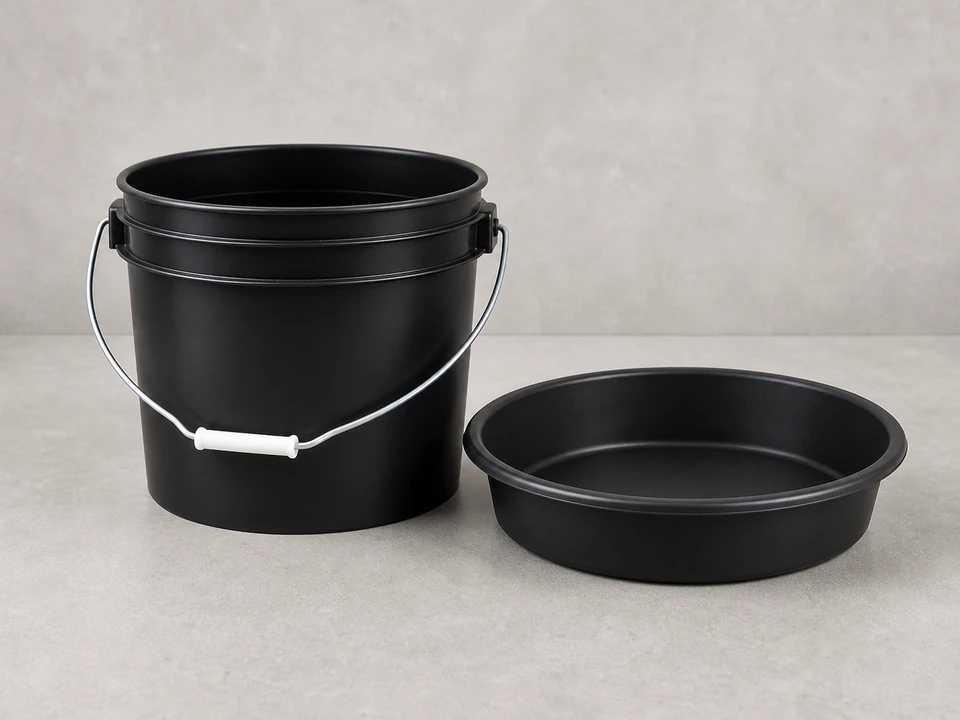
Use it for: Catches the water left in the supply line when the old valve comes off.
Shop drain pans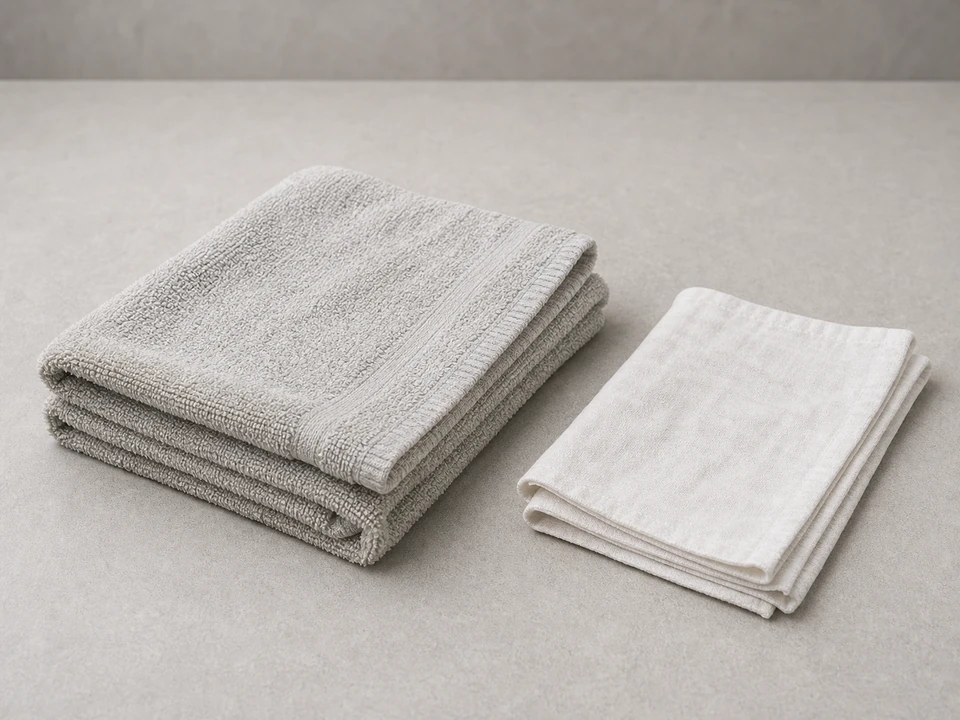
Use it for: Protects the cabinet or floor and helps dry the pipe before reassembly.
Shop absorbent shop towels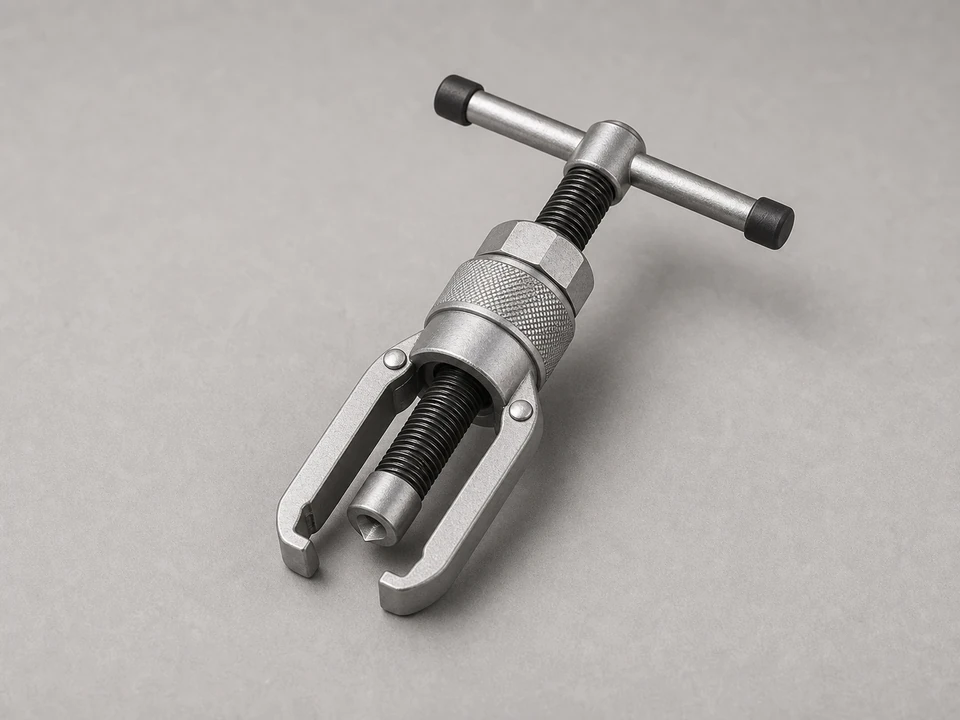
Use it for: Helps remove a stuck ferrule from the pipe if the old compression sleeve will not slide off cleanly.
Find a compression sleeve puller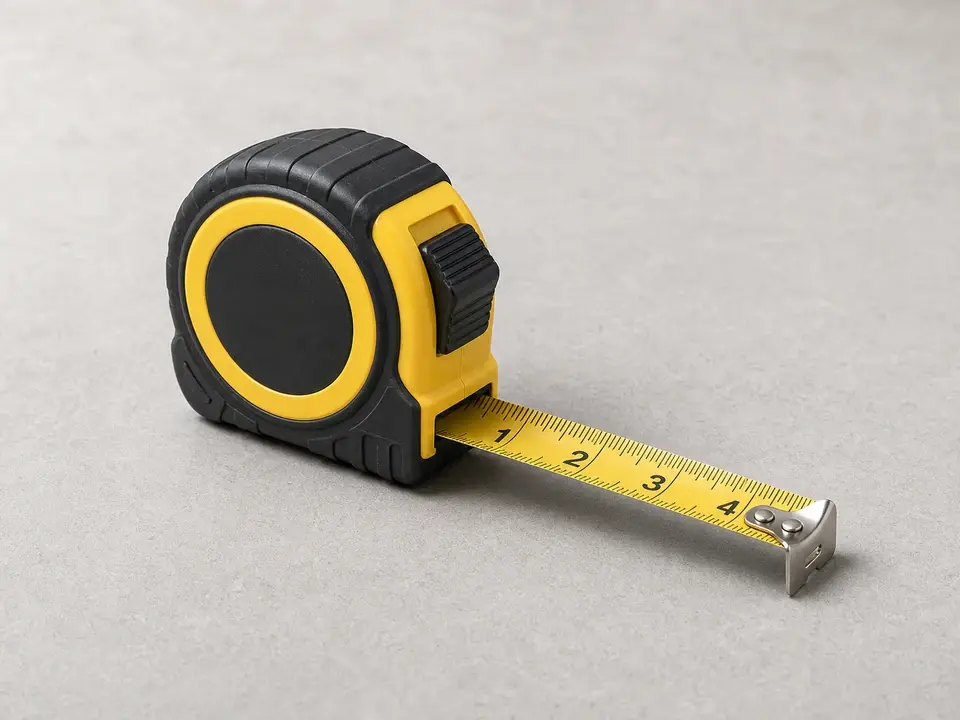
Use it for: Checks pipe and outlet size so the replacement valve matches before installation.
Shop tape measures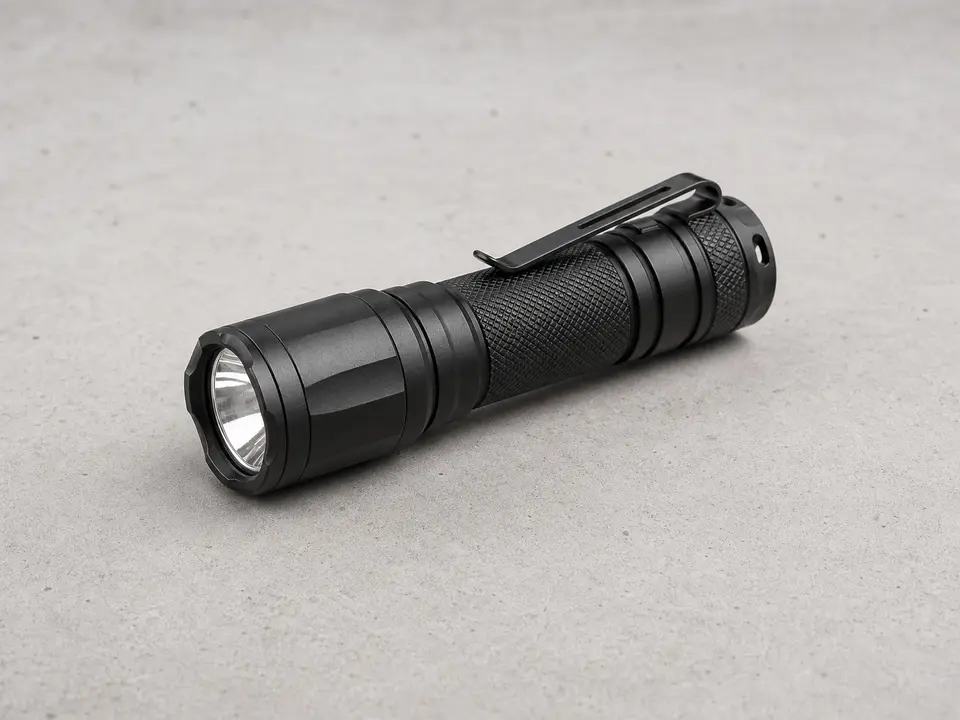
Use it for: Makes it easier to inspect the pipe for scoring, cracks, or corrosion before installing the new valve.
Shop LED flashlightsAs an Amazon Associate I earn from qualifying purchases. Repair Riot may earn a commission at no extra cost to you.
If it works: You have confirmed the valve is a compression straight shutoff valve and replacement matches the problem.
If it doesn’t: If the valve is only leaking around the stem when open, tightening the packing nut slightly may solve it. If the connection type is different, use the correct repair for that valve style.
If it works: Water flow has stopped and the line is drained enough to work without constant pressure.
If it doesn’t: If water keeps running steadily, the upstream shutoff is not holding. Find a working shutoff before removing the valve.
If it works: The old valve is off and the pipe is clean and ready for the new valve.
If it doesn’t: If the ferrule is stuck, use a compression sleeve puller rather than prying against the pipe. If the pipe end is damaged, cut back to sound pipe only if you have enough length and know the correct next step.
If it works: The new valve is installed squarely and feels secure without stressing the pipe.
If it doesn’t: If the nut will not thread smoothly, back it off and realign the valve. Cross-threading will cause leaks.
If it works: Water is back on and both valve connections stay dry under pressure.
If it doesn’t: If you see a small drip at a compression connection, tighten that connection a little more while holding the valve body steady, then recheck.
If it works: The new valve opens and closes normally, stops water when shut off, and stays dry during and after use.
If it doesn’t: If the valve still will not stop water, the problem may be farther upstream or at the fixture itself. If a slow leak appears later, shut the water back off and retighten or remake the leaking connection.
Match the pipe connection type, outlet size, and shutoff orientation before ordering.
As an Amazon Associate I earn from qualifying purchases. Repair Riot may earn a commission at no extra cost to you.
Not on the compression inlet connection. Compression fittings seal by squeezing the ferrule onto the pipe, not by thread sealant on the nut threads. Follow the valve instructions for any outlet connection that may differ.
Sometimes, if they are undamaged and the new valve is made to accept them. Many homeowners get a more reliable result by using the new nut and ferrule that come with the replacement valve.
Use a compression sleeve puller. It removes the ferrule with much less risk of gouging or bending the pipe than prying or cutting carelessly.
The most common causes are a slightly loose compression nut, a crooked valve, a scratched pipe, or a mismatched valve size. Shut the water off and correct the connection before trying again.
A straight shutoff valve has the inlet and outlet in line. An angle shutoff valve turns the water path 90 degrees, usually from the wall to an upward supply line.