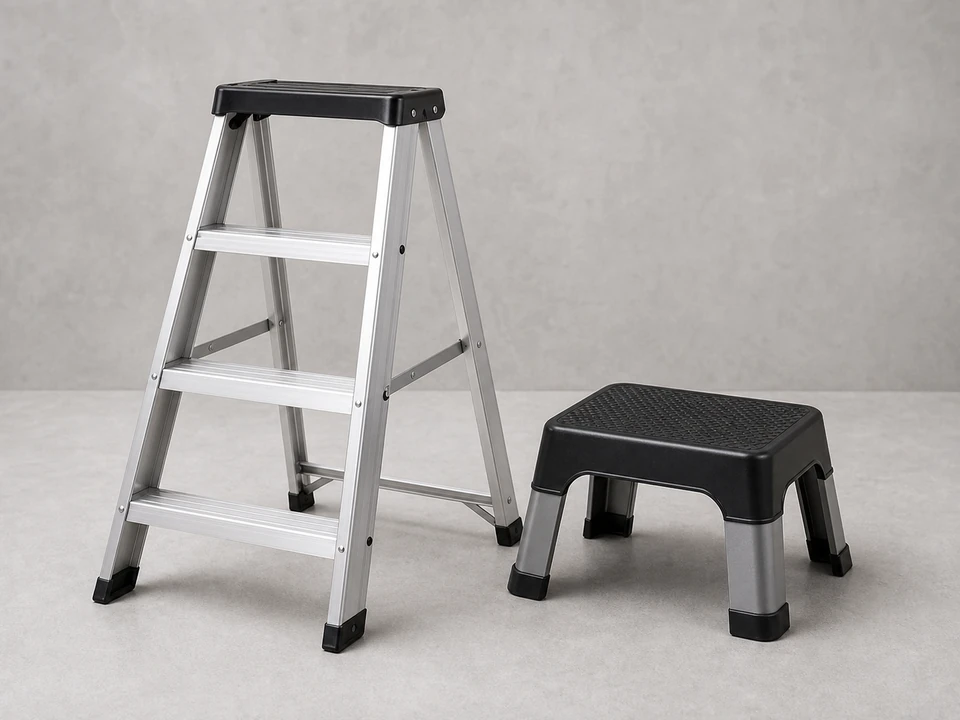
Step ladder
Use it for: To safely reach the attic hatch or trim while working overhead.
Shop step laddersReplace attic access weatherstripping when the old seal is flattened, torn, missing, or no longer contacts the hatch evenly. The basic job is to remove the old material, clean the mounting surface, apply the new seal in a continuous line, and check that the hatch closes snugly without forcing it.
This is a straightforward homeowner repair if the attic hatch or pull-down door is still solid and square. A good seal helps slow warm, moist indoor air from leaking into the attic, which can contribute to condensation and comfort problems.
Before you start: Match the profile, length, mounting style, and opening compatibility before ordering.
Use it for: To safely reach the attic hatch or trim while working overhead.
Shop step ladders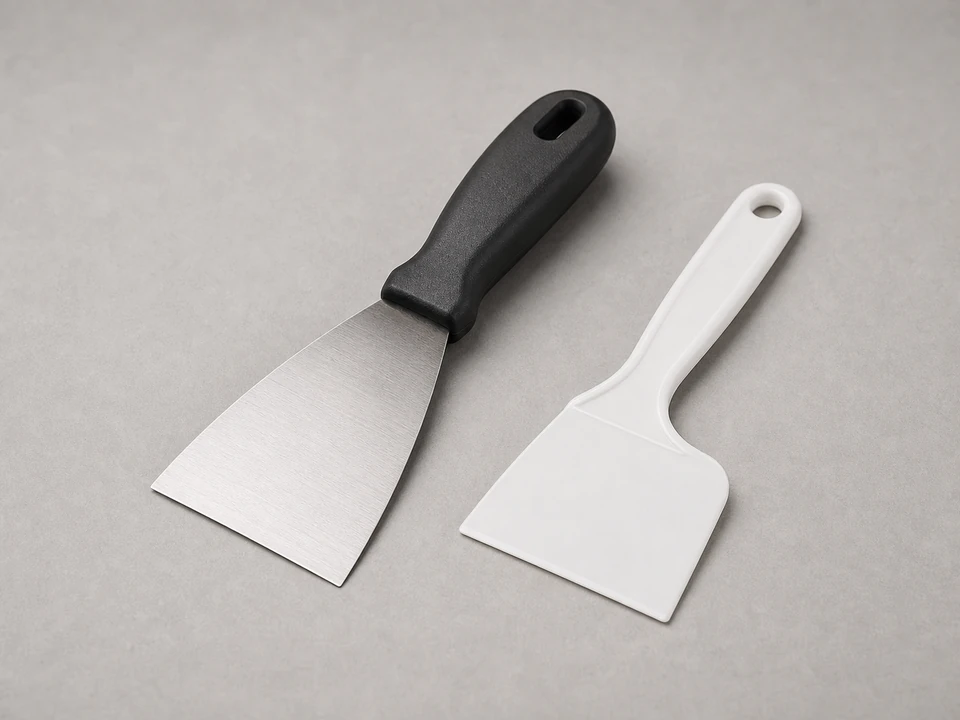
Use it for: To lift old weatherstripping and scrape off leftover adhesive.
Shop putty knives
Use it for: To clean dust, oil, and old residue so the new seal sticks well.
Shop cleaning rags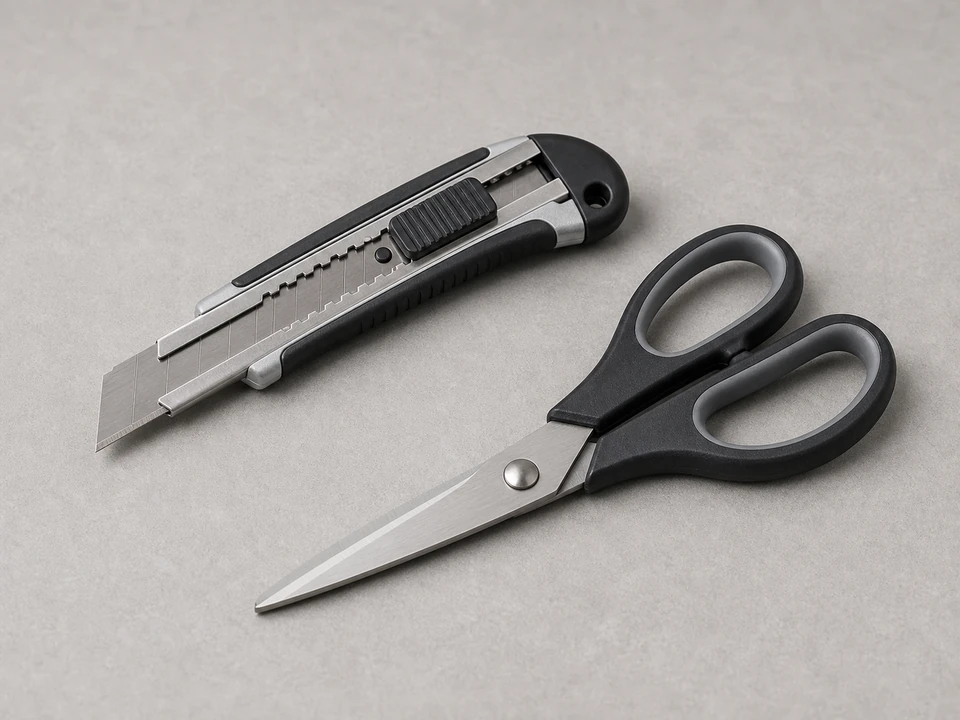
Use it for: To cut the new weatherstripping cleanly to length.
Shop utility knives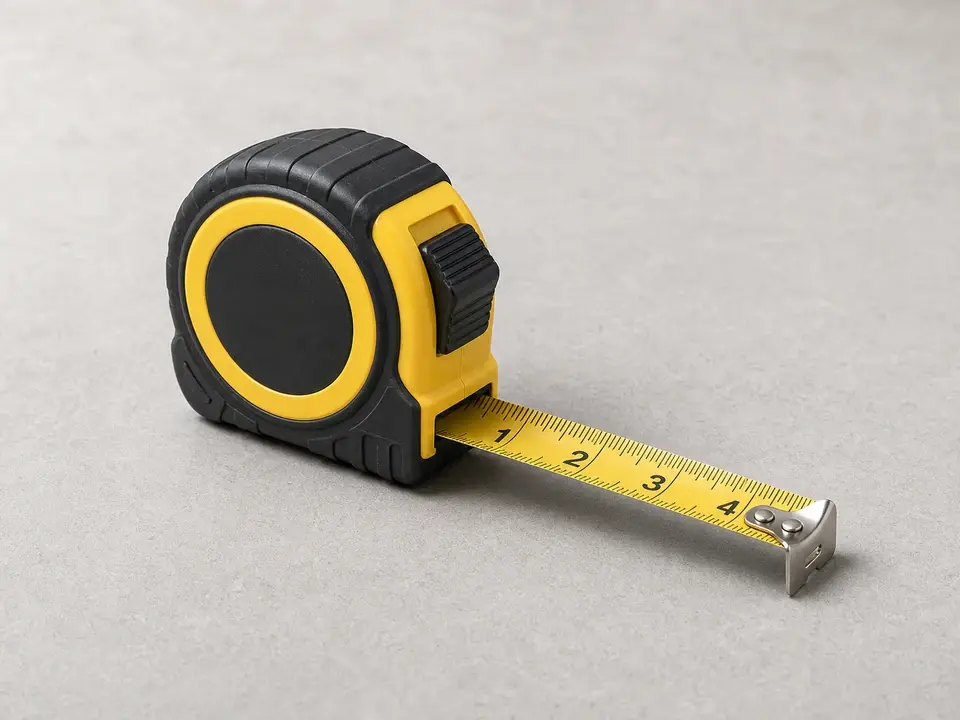
Use it for: To measure each side of the opening before cutting the new seal.
Shop tape measures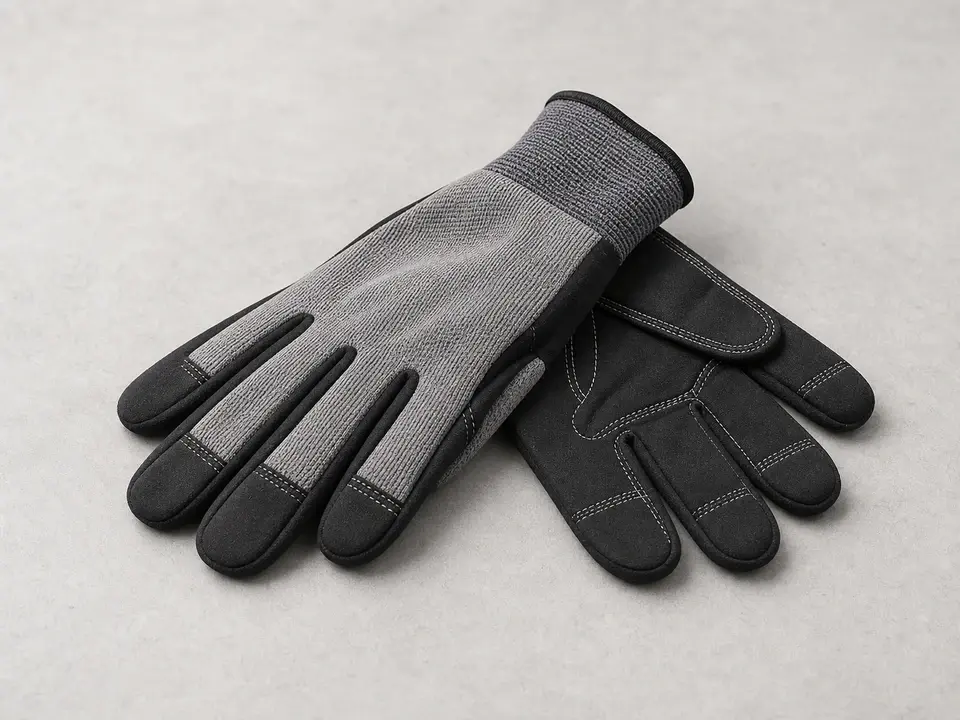
Use it for: To protect your hands from splinters, sharp trim edges, and old adhesive.
Shop work glovesAs an Amazon Associate I earn from qualifying purchases. Repair Riot may earn a commission at no extra cost to you.
If it works: You found worn or missing weatherstripping and the hatch or door is still basically sound and able to close against a new seal.
If it doesn’t: If the seal looks intact and the real issue is a warped hatch, loose hinges, broken pull-down hardware, or major frame gaps, fix that problem first.
If it works: The old weatherstripping is fully removed and the mounting edge is exposed.
If it doesn’t: If pieces keep tearing off, scrape them away in small sections instead of pulling harder.
If it works: The surface is clean, dry, and ready for the new weatherstripping to bond properly.
If it doesn’t: If adhesive residue remains, keep scraping and wiping until the new seal can sit flat without bumps.
If it works: The new weatherstripping is installed in a complete line with no loose sections or obvious gaps.
If it doesn’t: If the seal twists, bunches, or lands in the wrong spot, pull it back right away and reset it before the adhesive fully grabs.
If it works: The hatch closes snugly with even contact around the opening and without excessive force.
If it doesn’t: If one side still has a visible gap, add or reposition weatherstripping only in that area after confirming the hatch is aligned.
If it works: The weatherstripping stays in place, the hatch closes normally, and the opening feels better sealed in real use.
If it doesn’t: If the seal keeps peeling off or gaps remain, reclean the surface and replace the material with a profile better matched to the opening.
Match the profile, length, mounting style, and opening compatibility before ordering.
As an Amazon Associate I earn from qualifying purchases. Repair Riot may earn a commission at no extra cost to you.
Use a weatherstripping profile that can compress enough to seal the gap without making the hatch hard to close. Foam and similar compressible seals are common, but the best choice depends on the gap size, mounting surface, and whether the access is a simple hatch or a pull-down unit.
Usually it goes wherever it can make the most even contact and stay protected when the hatch closes. In many homes that is the frame or trim around the opening, but some setups seal better on the hatch itself. Matching the original mounting location is often the simplest starting point.
The hatch may be warped, the frame may be out of square, or the replacement seal may be the wrong thickness or profile. Larger gaps around the framing or missing insulation above the hatch can also make the area feel drafty even after the weatherstripping is replaced.
It is usually better to use a seal with the right profile and thickness. Stacking layers can make the hatch close unevenly and may not hold up well over time.
It depends on heat, dust, compression, and how often the access is opened. Replace it when it stays flattened, tears, falls off, or no longer seals the hatch evenly.