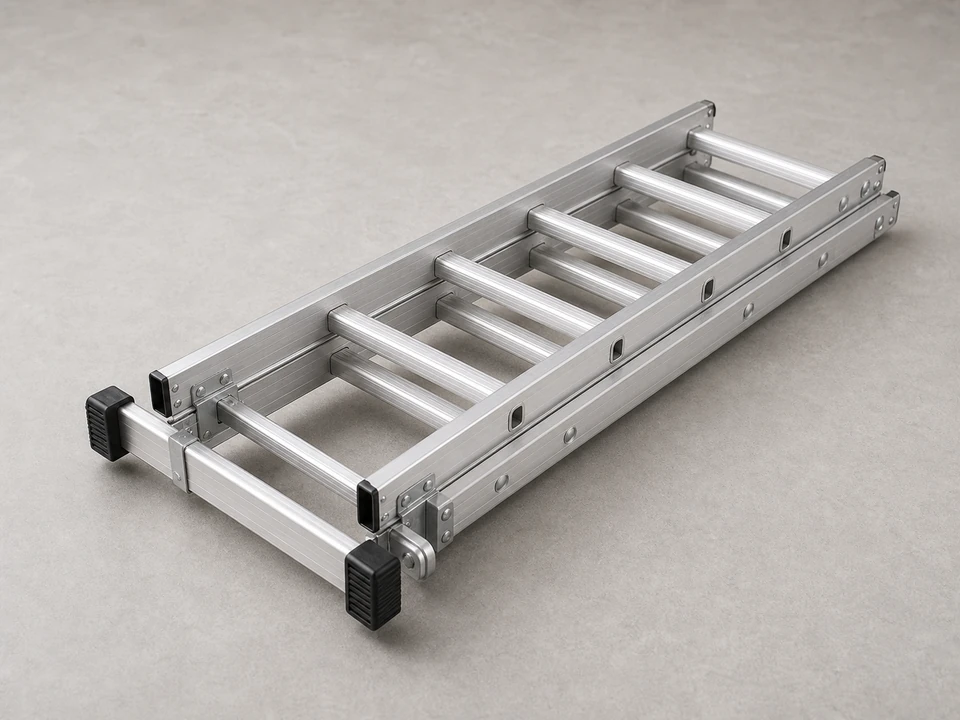
Extension ladder
Use it for: To reach the vent safely from stable ground.
Shop extension laddersTo replace an attic vent cover, work in dry weather, confirm the new cover matches the vent opening and mounting style, remove the damaged cover and old fasteners, clean the mounting area, install the new cover securely, and check that it sits flat and sheds water properly.
This is a manageable homeowner repair if the vent is easy to reach and the surrounding roof or wall surface is in good condition. Take your time with ladder safety, avoid stepping on weak surfaces, and stop if the vent area feels unstable or starts to crumble.
Before you start: Match the replacement part to your exact attic ventilation before ordering.
Use it for: To reach the vent safely from stable ground.
Shop extension ladders
Use it for: To protect your hands from sharp metal edges, old fasteners, and rough siding or roofing.
Shop work gloves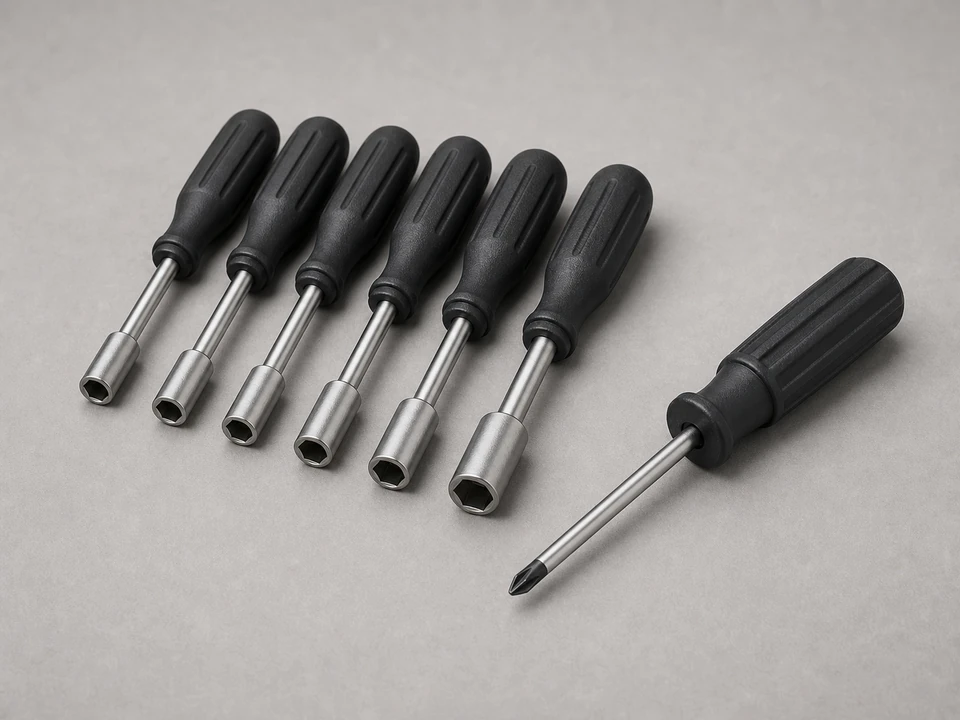
Use it for: To remove and install common vent cover screws or hex-head fasteners.
Shop screwdriver and nut driver sets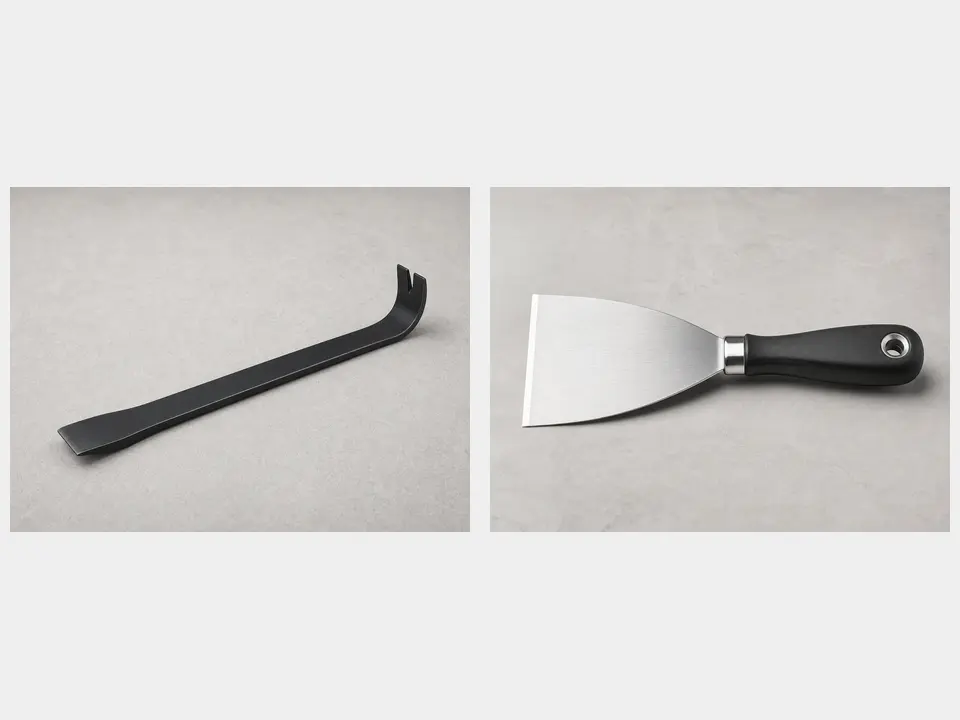
Use it for: To lift old sealant carefully without damaging the surrounding surface.
Shop pry tools and putty knives
Use it for: To reseal edges or fastener points if the original installation used sealant.
Shop exterior sealant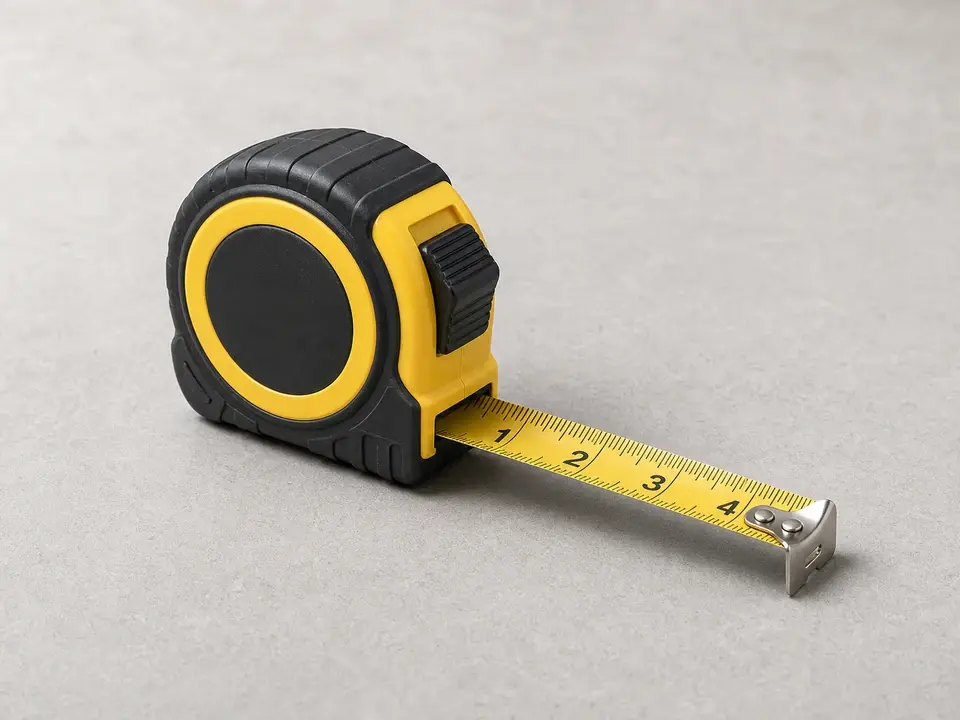
Use it for: To confirm the replacement cover matches the opening size and screw spacing.
Shop tape measuresAs an Amazon Associate I earn from qualifying purchases. Repair Riot may earn a commission at no extra cost to you.
If it works: You can reach the vent safely and the new cover appears to match the opening and mounting style.
If it doesn’t: Measure the opening and mounting points again before removing anything. If access is awkward or the replacement does not match, pause and get the correct part.
If it works: The old vent cover comes free without damaging the vent opening or nearby surface.
If it doesn’t: Work more slowly around stuck edges and remove more sealant before prying again. If fasteners are stripped or rusted solid, stop forcing them to avoid breaking the mounting area.
If it works: The mounting surface is clean, solid, and ready for the new cover.
If it doesn’t: If the surface is uneven or damaged, repair that area first or call a pro before installing the new cover.
If it works: The new cover fits the opening cleanly and can be fastened without strain.
If it doesn’t: Do not force a poor fit. Recheck measurements and mounting style, then exchange the part if needed.
If it works: The new cover is secure, sits flat, and has a clean weather-resistant seal where appropriate.
If it doesn’t: Loosen and reposition the cover if it shifted during fastening. Replace any stripped fastener with an appropriate one that holds securely in solid material.
If it works: The new attic vent cover is secure, aligned, and ready to protect the vent opening.
If it doesn’t: Make small alignment or sealing corrections now. If you still see gaps, movement, or signs of water entry, have the installation checked before the next storm.
Match the replacement part to your exact attic ventilation before ordering.
As an Amazon Associate I earn from qualifying purchases. Repair Riot may earn a commission at no extra cost to you.
If the cover is cracked, bent, missing, rusted, or letting in pests but the vent opening and surrounding material are still solid, a cover replacement may be enough. If the vent body, flashing, mounting surface, or nearby roof or wall material is damaged, the whole vent assembly may need repair or replacement.
Sometimes yes, depending on how the original cover was installed and how the replacement is designed. If the old cover used sealant or the new cover needs a sealed flange or sealed fastener points for weather protection, reseal those areas. Do not rely on sealant alone to make a wrong-size cover fit.
First confirm you have the correct replacement. If the cover is otherwise the right size and there is solid surrounding material, you may be able to use new fastener locations. Avoid reusing weak or enlarged holes that will not hold securely.
If the screen is built into the new cover, it will usually be replaced at the same time. If the existing screen is separate and damaged, clogged, or loose, it is a good time to address it so the vent can keep out pests while still allowing airflow.
Call a pro if the vent is difficult to reach, the roof is steep, the surrounding material is rotten or leaking, the vent ties into flashing you cannot remove cleanly, or you are not confident working from a ladder.