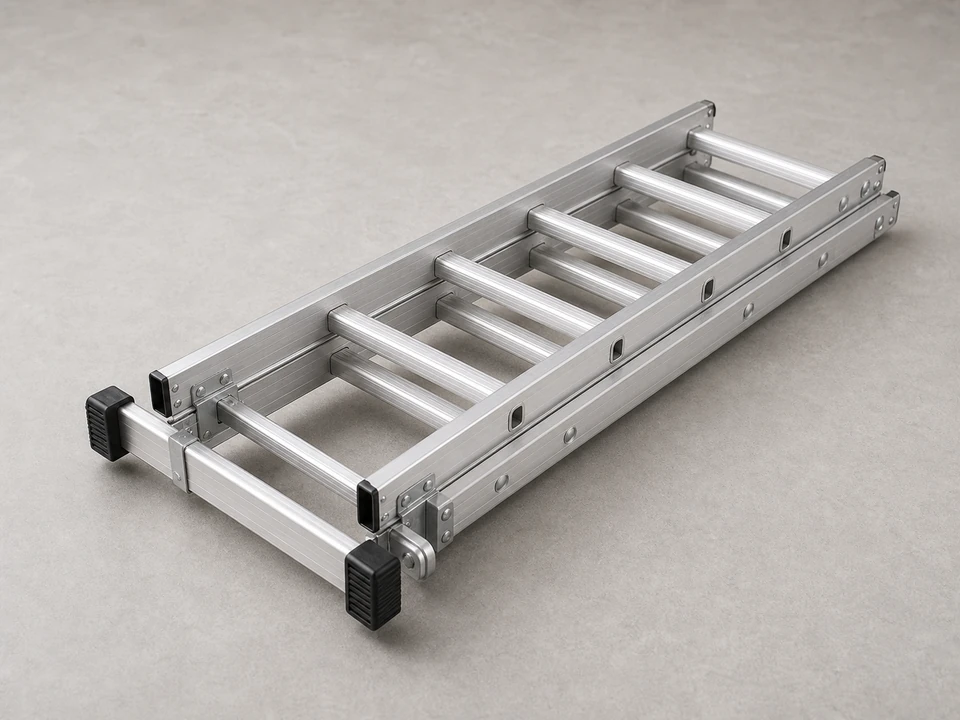
Extension ladder
Use it for: To reach the roof safely and keep three points of contact while getting on and off.
Shop extension laddersTo replace a roof attic vent cover, first confirm the cover is cracked, missing, bent, or letting weather in, then remove the old fasteners, lift off the damaged cover, install a matching replacement, seal as needed, and verify it stays secure and sheds water properly.
This is a manageable repair if the roof is safely accessible and the damage is limited to the vent cover itself. The main goal is to restore weather protection without blocking airflow or damaging the surrounding roofing.
Before you start: Match the replacement part to your exact attic ventilation before ordering.
Use it for: To reach the roof safely and keep three points of contact while getting on and off.
Shop extension ladders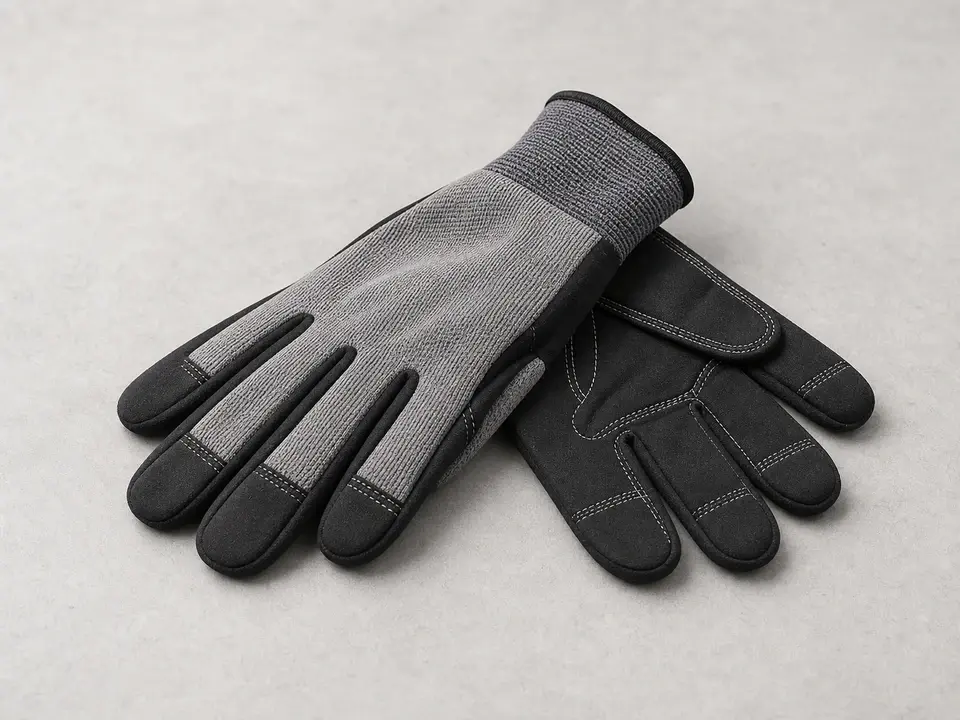
Use it for: To protect your hands from sharp metal edges, old fasteners, and rough shingles.
Shop work gloves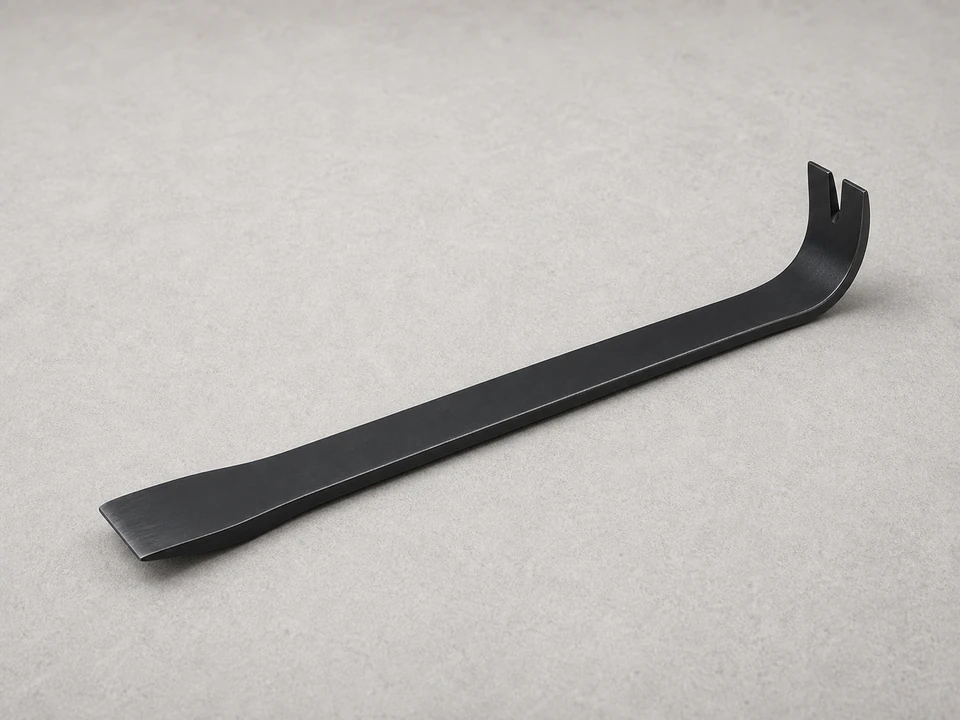
Use it for: To lift shingles gently and remove nails or loosen the old vent cover.
Shop flat pry bars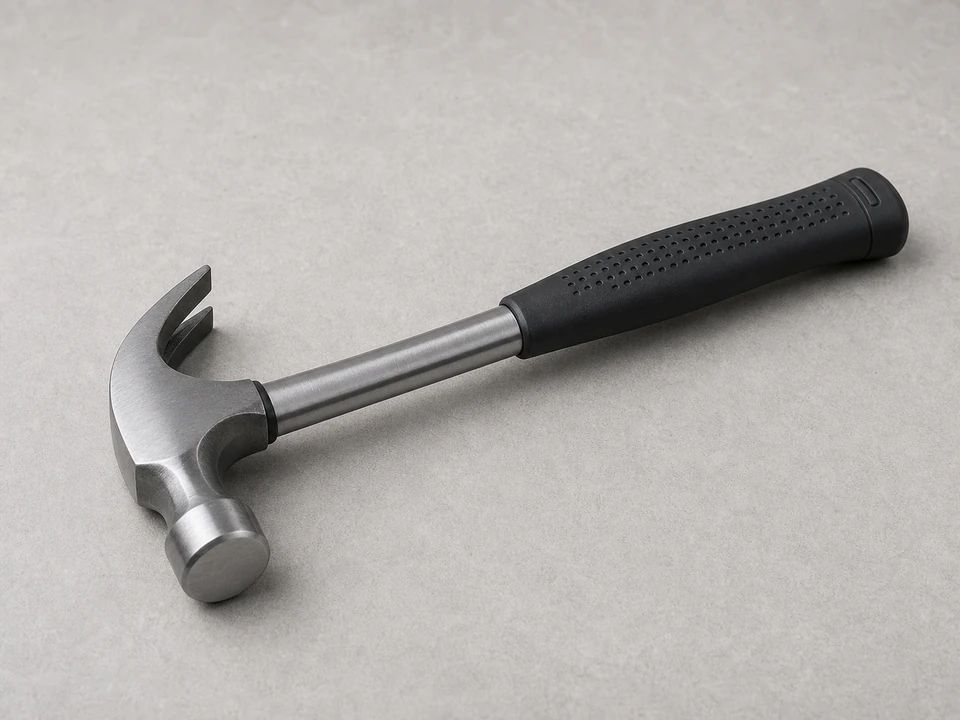
Use it for: To pull or drive roofing nails during removal and installation.
Shop hammers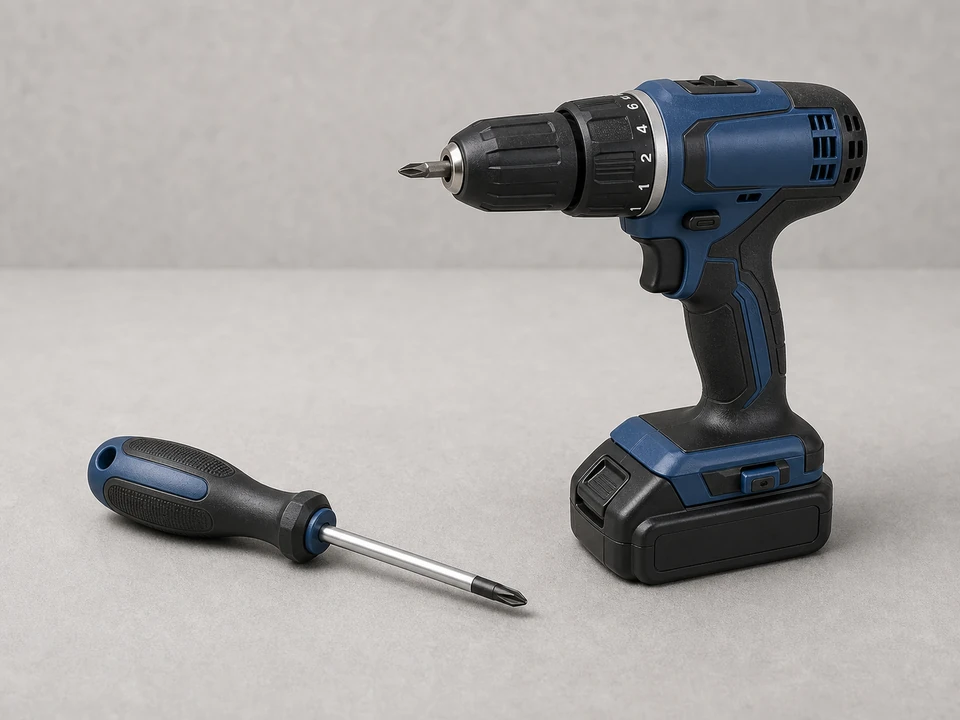
Use it for: To remove or install screws if your vent cover uses screw fasteners.
Shop drills and drivers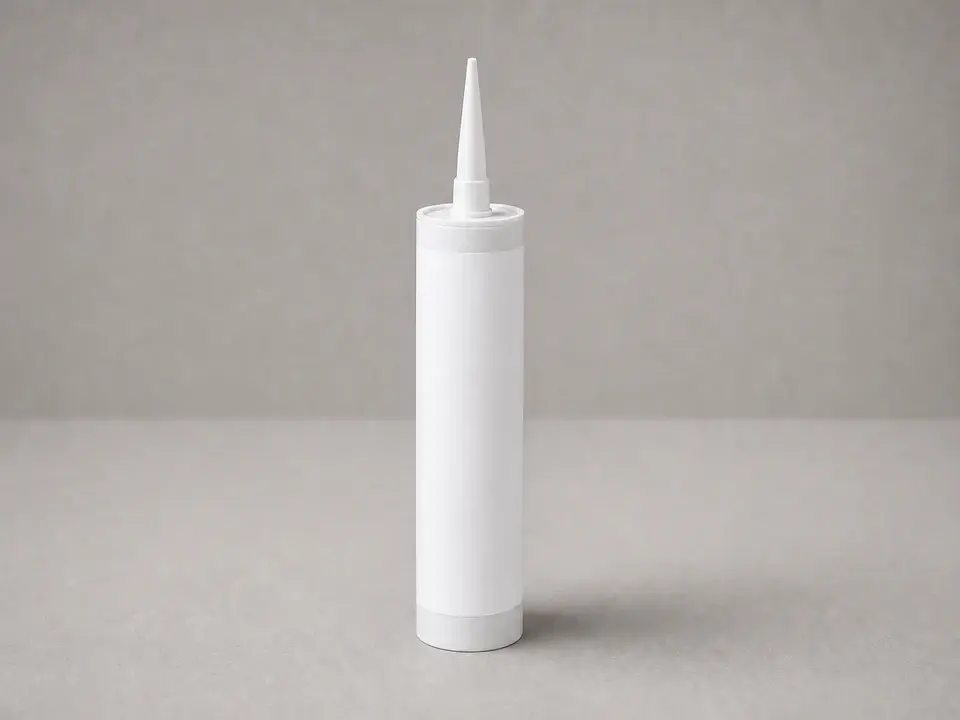
Use it for: To seal exposed fastener points or small gaps where the replacement cover meets the roof.
Shop roof sealantAs an Amazon Associate I earn from qualifying purchases. Repair Riot may earn a commission at no extra cost to you.
If it works: You have a clear reason to replace the roof attic vent cover and the damage appears limited to the vent assembly or cover.
If it doesn’t: If you cannot confirm the cover is damaged, monitor during the next rain or inspect from the attic again before buying parts.
If it works: The roof is safely accessible and the replacement cover appears to match the existing vent setup.
If it doesn’t: If the new cover does not match the old vent body or mounting pattern, pause and get the correct replacement before removing anything.
If it works: The old vent cover is off and the mounting area is clean and ready for the new part.
If it doesn’t: If a fastener will not release cleanly, work it loose a little at a time rather than forcing the shingle or bending the roof surface.
If it works: The new cover sits flat, feels secure, and is installed without blocking ventilation.
If it doesn’t: If the cover rocks, twists, or leaves a visible gap, remove it and reset it before sealing anything.
If it works: The surrounding roofing is back in place and the repair area is tidy and weather-ready.
If it doesn’t: If shingles do not settle back down, inspect for a trapped flange, leftover fastener, or hardened old sealant keeping them raised.
If it works: The vent cover stays secure and the attic remains dry with normal airflow.
If it doesn’t: If water or debris still gets in, recheck the cover fit and the surrounding flashing and roofing, or have a roofer inspect for a larger leak path.
Match the replacement part to your exact attic ventilation before ordering.
As an Amazon Associate I earn from qualifying purchases. Repair Riot may earn a commission at no extra cost to you.
If the cover is cracked, missing, bent, or rusted through but the vent base and surrounding roof are still solid, a cover replacement may be enough. If the base is damaged, loose, or leaking around the roof opening, the whole vent may need repair or replacement.
Usually yes, if the shingles around the vent are still in good shape and can be lifted gently without breaking. If they are brittle, torn, or already failing, the repair may grow into a larger roofing job.
No. Use sealant only where it is actually needed, such as small exposed fastener points or minor gaps. Heavy sealant is not a substitute for proper overlap and can block drainage or airflow if overused.
That usually means the replacement cover is the wrong fit, the vent base has a problem, or the leak path is coming from nearby roofing instead of the cover itself. Recheck the installation and inspect the surrounding roof area.
It can be a reasonable DIY repair on a safely accessible roof in good weather when the damage is limited to the cover. Call a roofer if the roof is steep, the decking feels soft, shingles are failing, or you are not comfortable working at height.