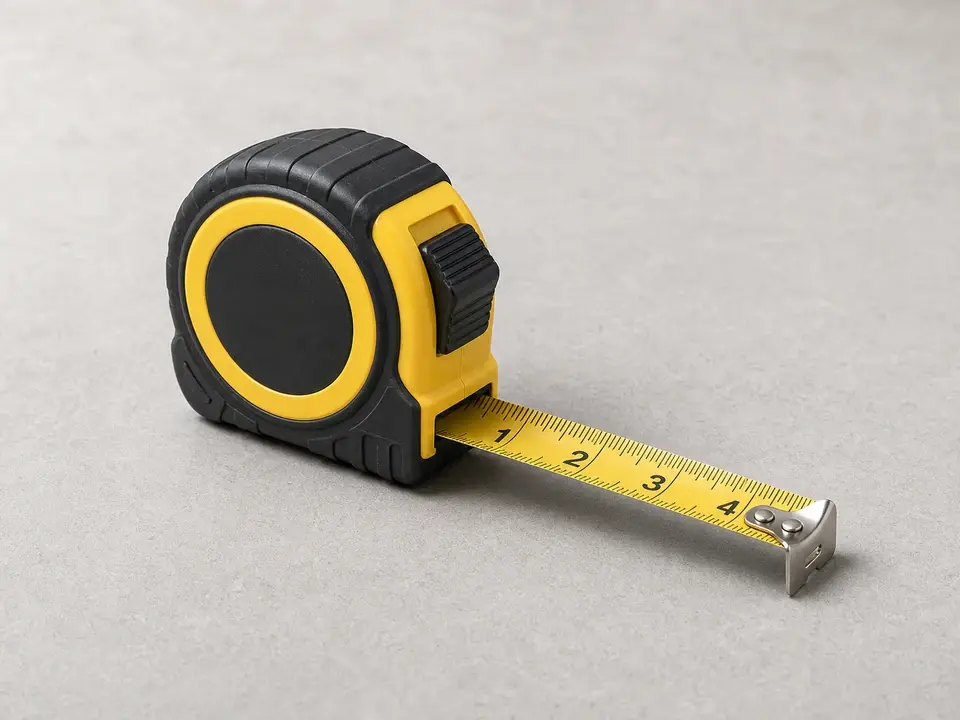
Tape measure
Use it for: To measure the drain opening and old cover so you can match the replacement.
Shop tape measuresTo replace a basement drain cover, confirm the cover is the problem, remove the old cover, clean the drain rim and screw holes, then install a matching replacement that sits flat and stays secure.
This is usually a straightforward repair if the drain body itself is still solid. The main job is matching the new cover to the drain opening and fastening style, then making sure it does not rock, shift, or leave gaps that can catch debris.
Before you start: Match the replacement part to your exact drain sewer before ordering.
The new cover has to match the drain size and sit flush without blocking flow.
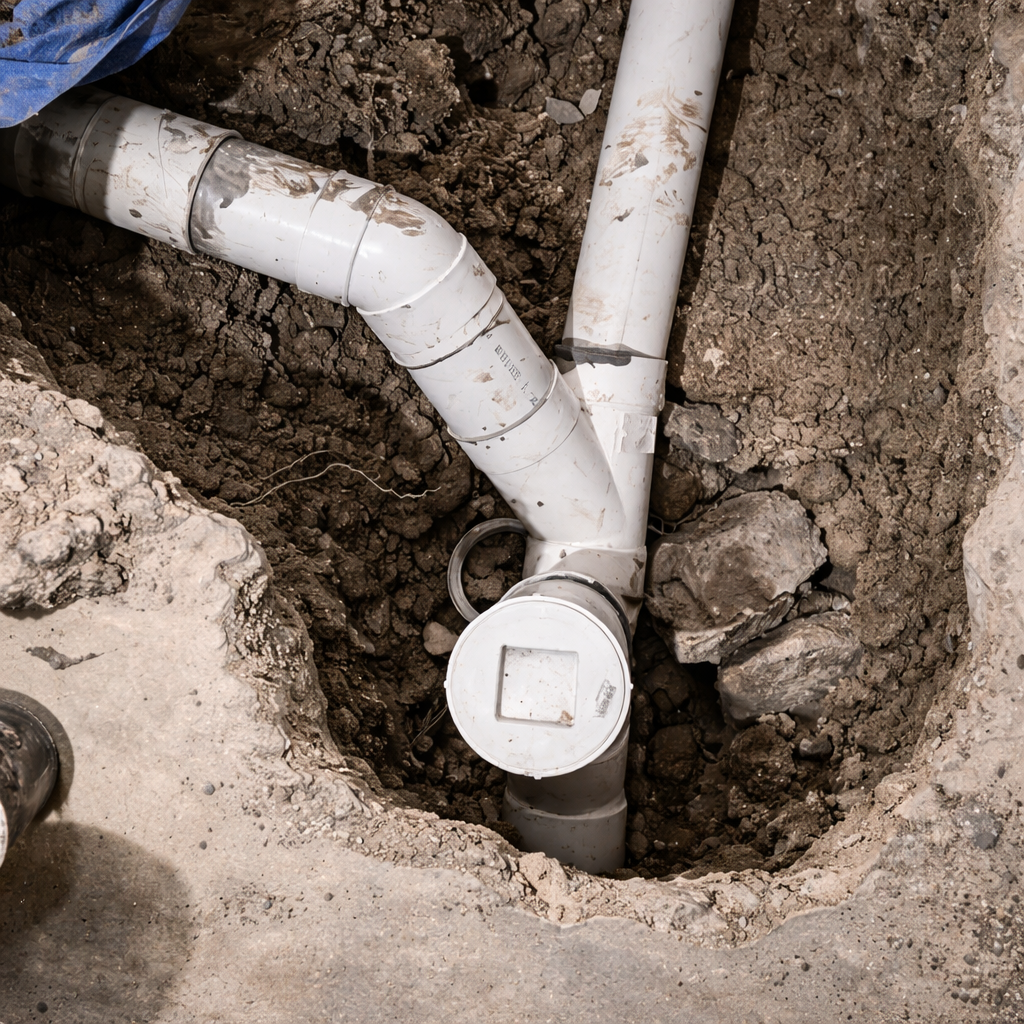
Use it for: To measure the drain opening and old cover so you can match the replacement.
Shop tape measures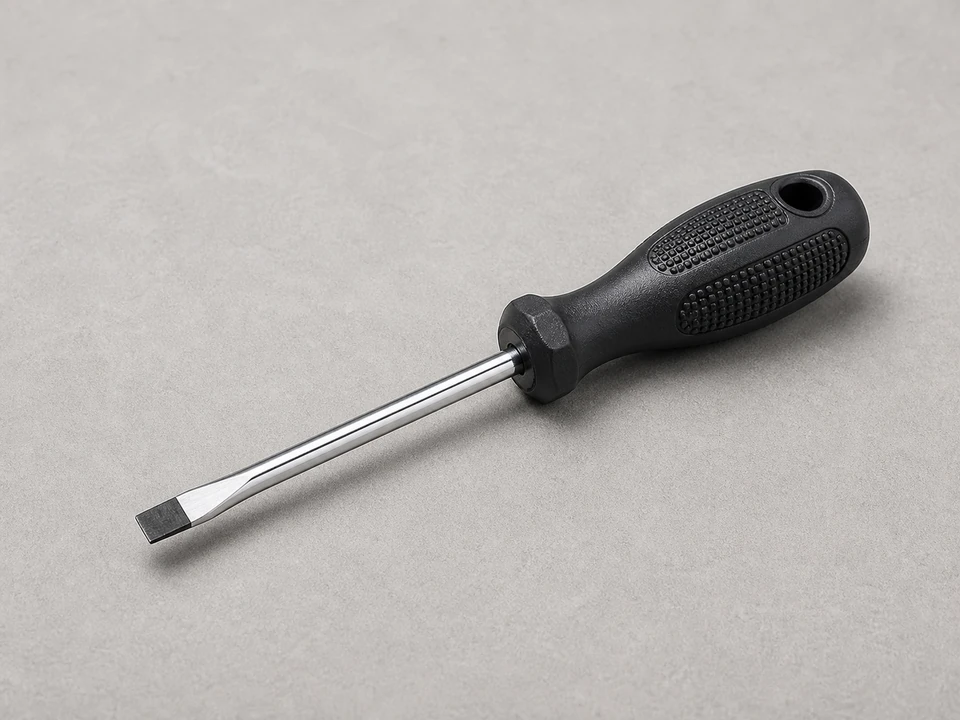
Use it for: To pry up a stuck cover gently or remove slotted screws.
Shop flathead screwdrivers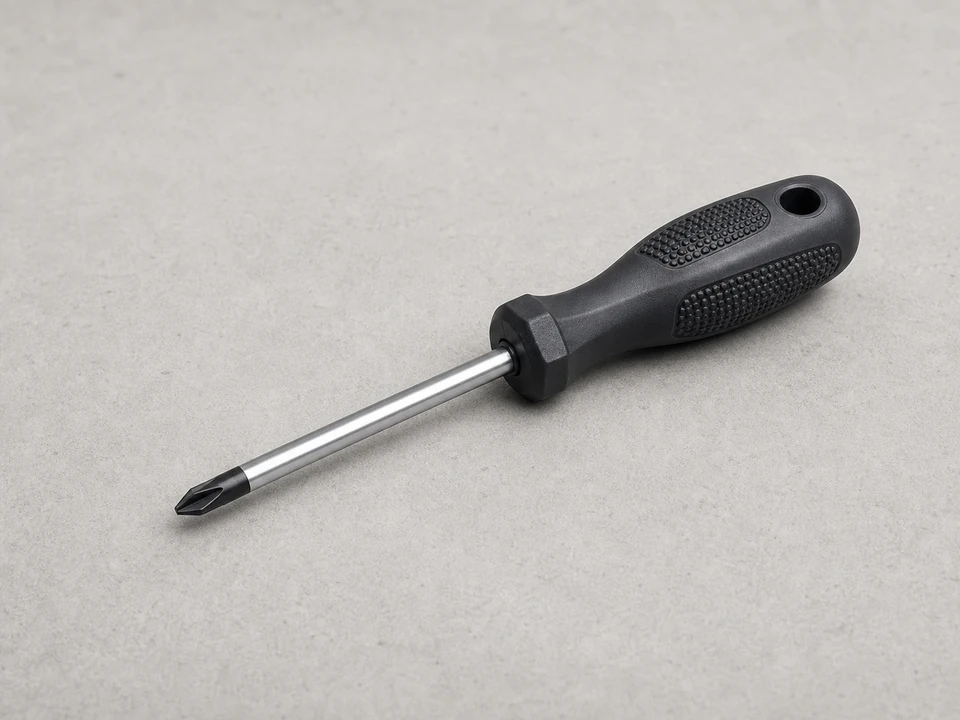
Use it for: To remove or install common drain cover screws.
Shop Phillips screwdrivers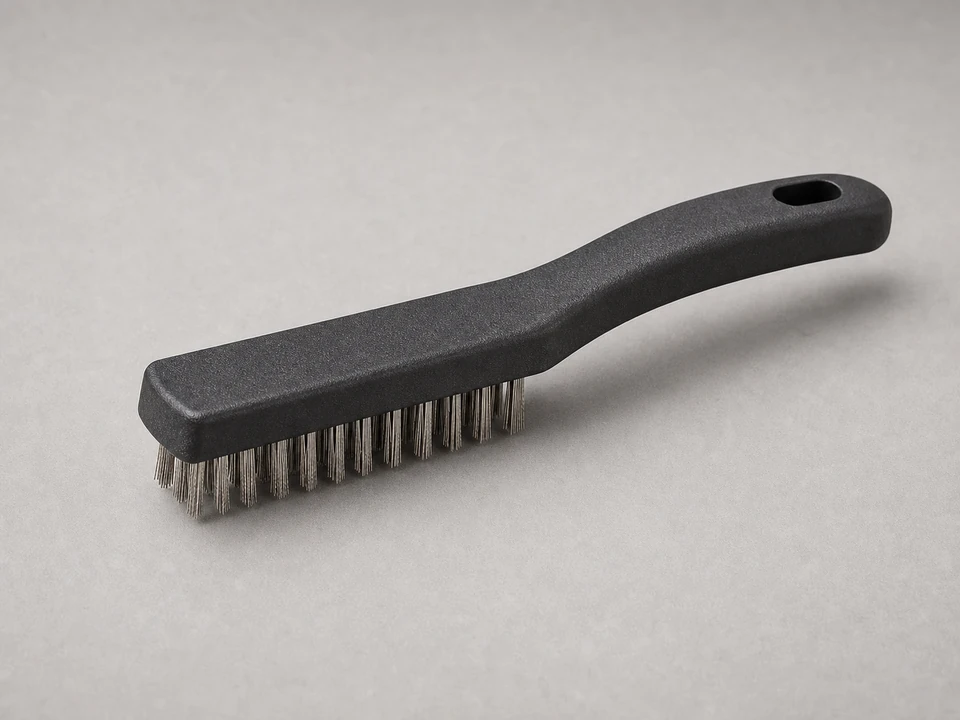
Use it for: To clean rust, scale, and debris from the drain rim and screw holes.
Shop wire brushes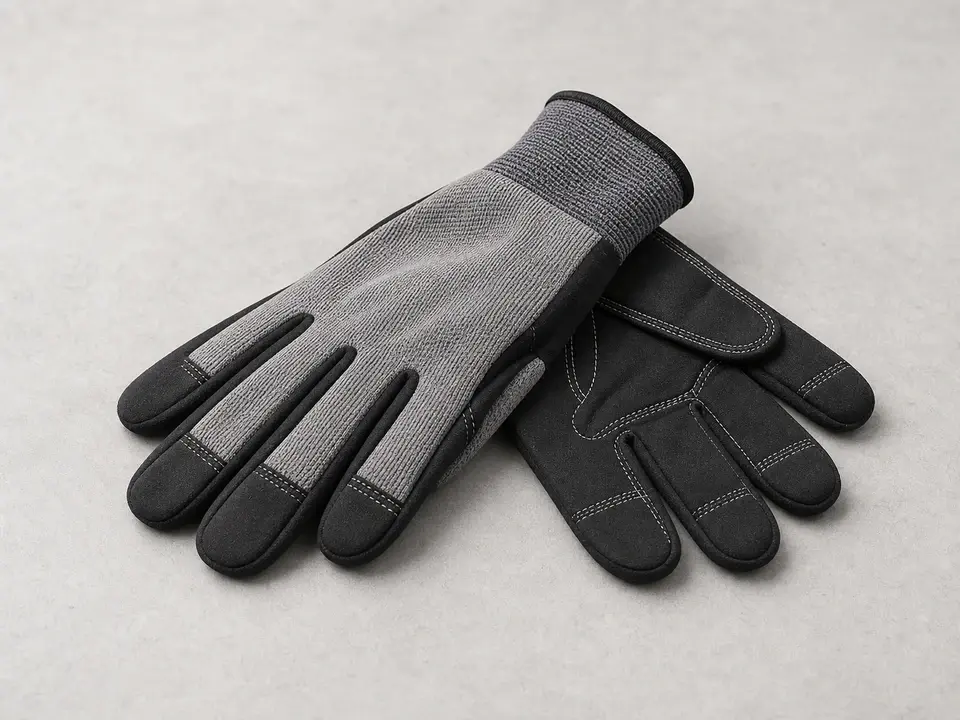
Use it for: To protect your hands from sharp metal edges and dirty drain debris.
Shop work gloves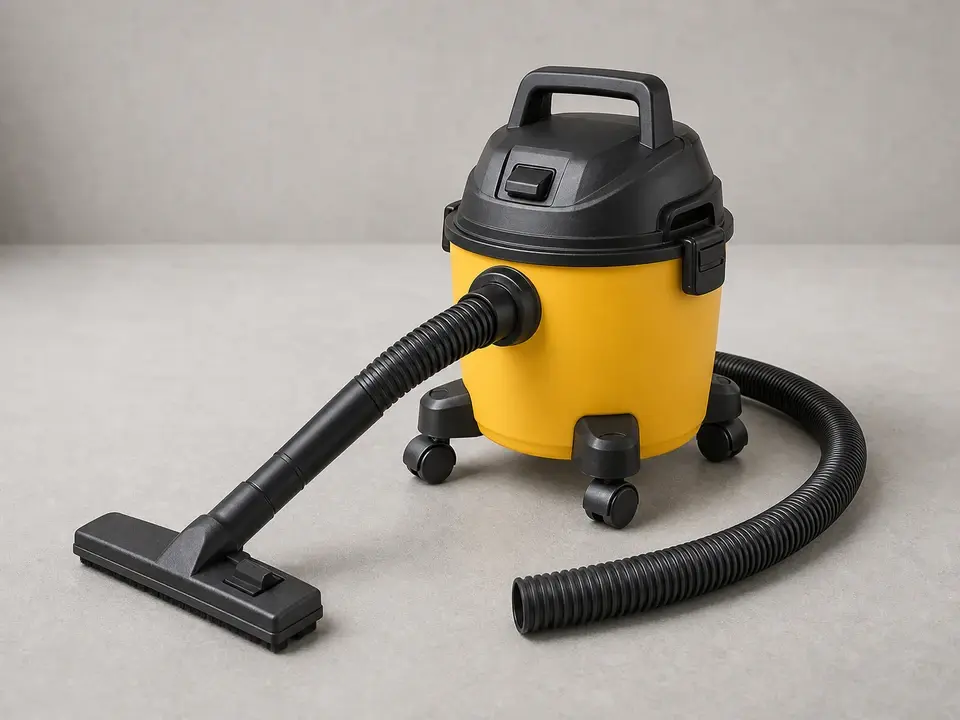
Use it for: To remove loose dirt and debris around the drain opening before installing the new cover.
Shop wet dry vacuumsAs an Amazon Associate I earn from qualifying purchases. Repair Riot may earn a commission at no extra cost to you.
If it works: You know the drain body is usable and you have the basic measurements needed for a matching basement drain cover.
If it doesn’t: If you cannot match the opening size or fastening style, remove the old cover first and bring it with you when shopping for a replacement.
If it works: The old cover is off and the drain opening is fully exposed.
If it doesn’t: If the screws will not turn, apply steady pressure and clean the screw heads first so the screwdriver can seat properly.
If it works: The drain opening is clean, the mounting area is visible, and the new cover has a flat surface to sit on.
If it doesn’t: If buildup is still preventing a flat fit, keep brushing and vacuuming until the rim is clean and even.
If it works: The new cover fits the opening correctly and sits flat without forcing it.
If it doesn’t: If the cover does not sit flat or the holes do not line up, recheck your measurements and compare the old and new covers before installing.
If it works: The new cover is secure, level, and does not shift under light pressure.
If it doesn’t: If the cover still rocks after tightening, remove it and clean the seating surface again, then reinstall.
If it works: The cover stays secure in real use, sits flat, and protects the drain opening properly.
If it doesn’t: If the cover loosens, rattles, or shifts, remove it and confirm the replacement style and mounting points match the drain before trying again.
Match the replacement part to your exact drain sewer before ordering.
As an Amazon Associate I earn from qualifying purchases. Repair Riot may earn a commission at no extra cost to you.
Match the opening size, shape, and mounting style first. Measure the drain carefully and compare the screw pattern or seating style to the old cover whenever possible.
Yes, some covers are drop-in styles that rest on a lip or rim. The replacement still needs to match the opening closely so it sits flat and does not shift.
That usually means the replacement is the wrong style or size. Do not force the screws. Recheck the measurements and compare the old cover to the new one.
Usually no. A drain cover should fit properly on its own. Sealing around it can make future cleaning harder and may interfere with how the cover is meant to sit.
Remove it and clean the rim again, then test-fit it once more. If it still rocks, the cover may be the wrong fit or the drain body may be damaged or uneven.