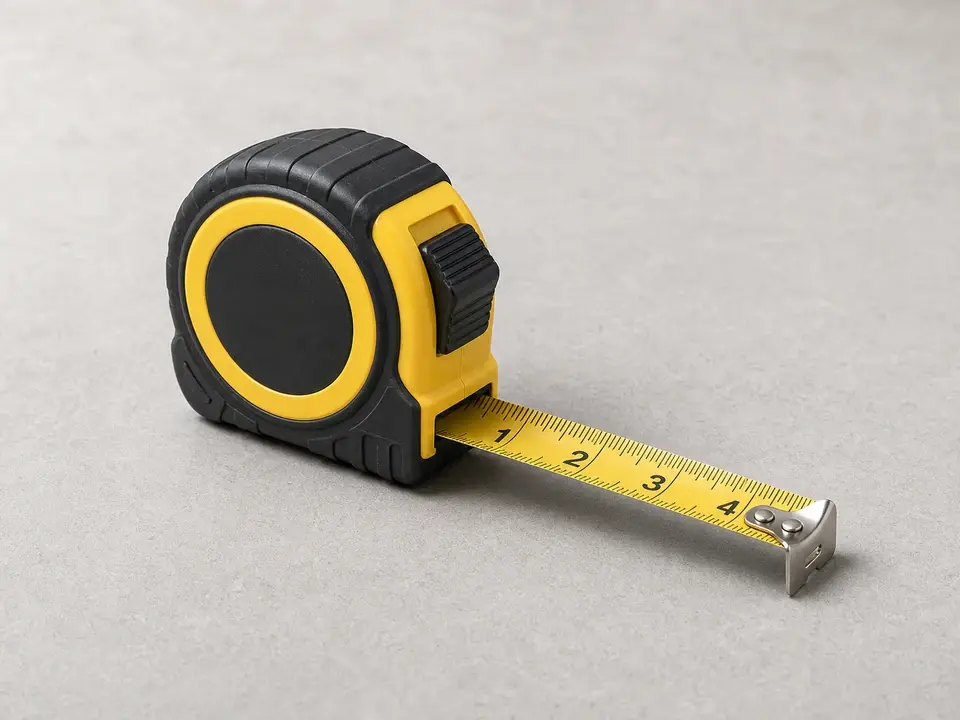
Tape measure
Use it for: To measure the drain opening and compare it to the replacement cover.
Shop tape measuresTo replace a basement floor drain cover, confirm the old cover is damaged, missing, loose, or badly rusted, measure the drain opening, clean the rim and screw holes if present, then install a matching replacement that sits flat and stays secure.
This is usually a simple repair, but it matters. A good cover helps keep debris out of the drain, reduces trip risk, and can help limit odors coming up from the drain area. The main job is choosing the right size and attachment style, then making sure the new cover seats cleanly and does not rock or shift.
Before you start: Match the replacement part to your exact drain sewer before ordering.
Use it for: To measure the drain opening and compare it to the replacement cover.
Shop tape measures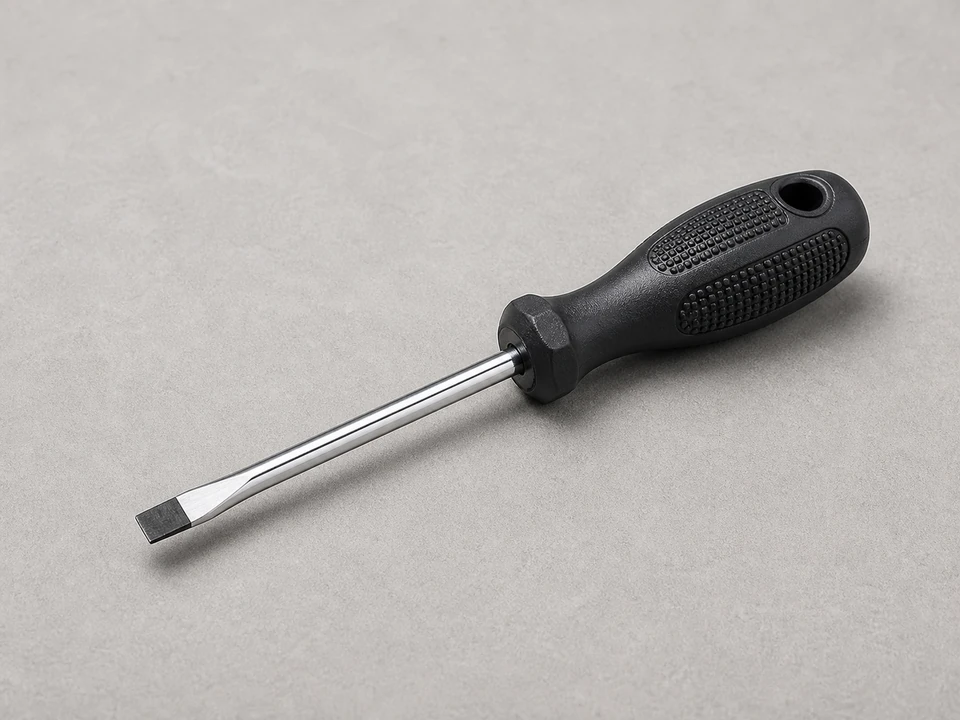
Use it for: To lift an old cover carefully or remove screws on some covers.
Shop flathead screwdrivers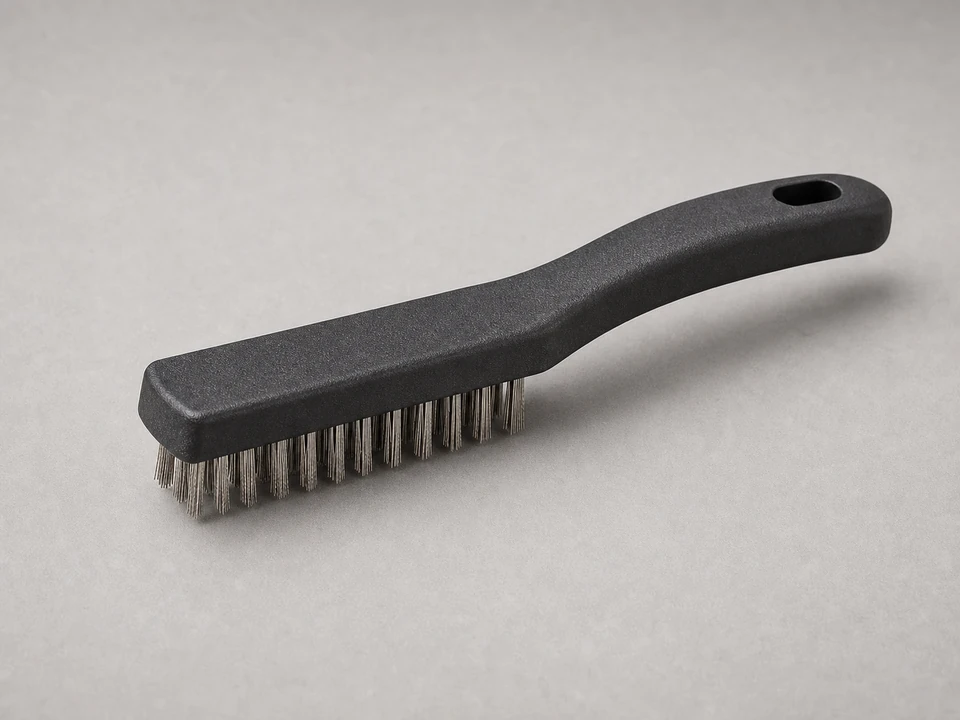
Use it for: To clean rust, scale, and debris from the drain rim or screw holes.
Shop wire brushes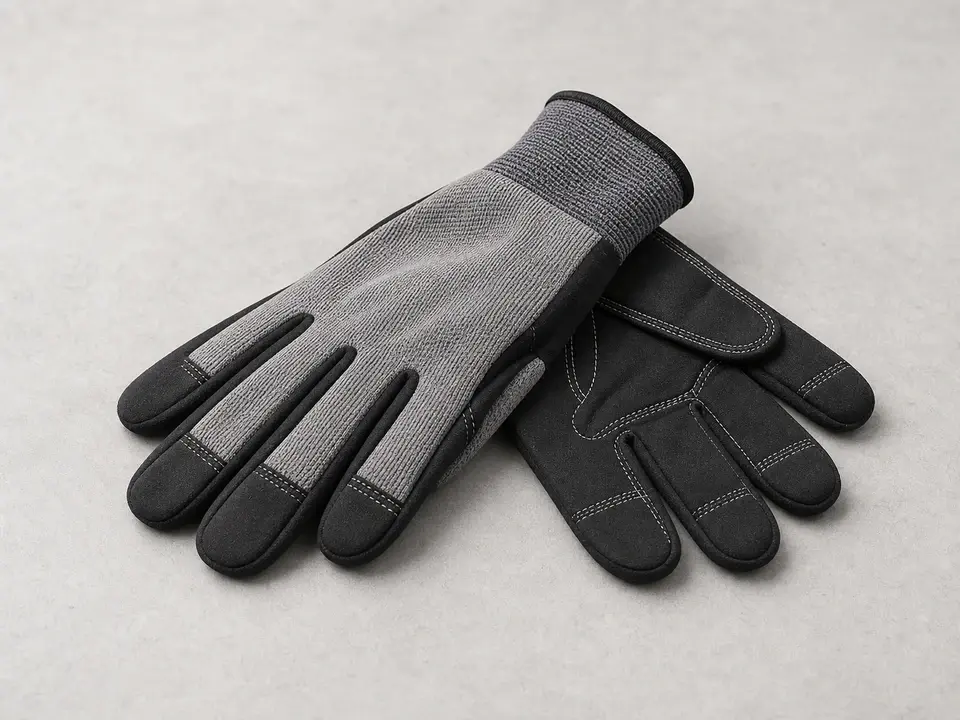
Use it for: To protect your hands from sharp rusted metal and dirty drain edges.
Shop work gloves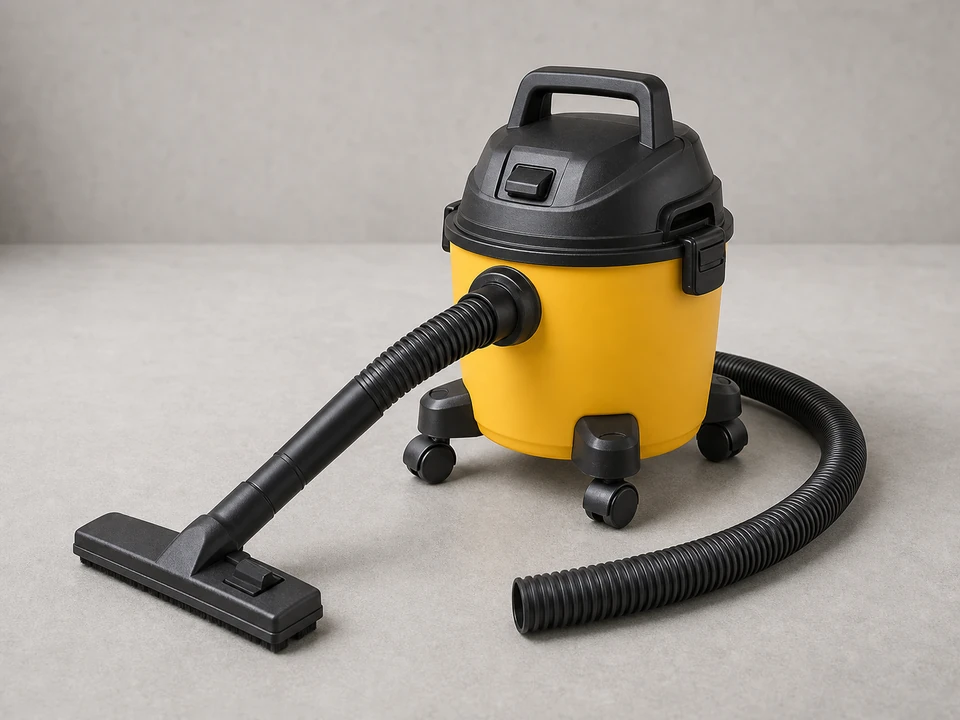
Use it for: To remove loose debris from the drain opening before installing the new cover.
Shop shop vacs
Use it for: To secure the new cover if your drain uses screw-mounted hardware and the old screws are rusted or missing.
Find replacement drain cover screwsAs an Amazon Associate I earn from qualifying purchases. Repair Riot may earn a commission at no extra cost to you.
If it works: You have confirmed the cover needs replacement and the drain body appears usable.
If it doesn’t: If the cover is fine but water drains slowly or backs up, solve the clog or sewer issue first instead of replacing the cover.
If it works: The old cover is off and you know the size and mounting style the replacement needs.
If it doesn’t: If your new cover does not match the opening shape, diameter, or screw pattern, pause and get the correct replacement before forcing anything.
If it works: The drain opening is clean, the rim is exposed, and the new cover has a flat surface to sit on.
If it doesn’t: If the rim is still uneven from heavy corrosion, clean it again and recheck whether the replacement cover can sit flat.
If it works: The new cover is installed, sits flat, and feels secure under light pressure.
If it doesn’t: If the cover rocks or will not sit flush, remove it and check for debris, wrong sizing, or a damaged rim.
If it works: The area is clean and the new cover feels safe in normal foot traffic.
If it doesn’t: If the cover shifts during normal walking, remove it and correct the fit before leaving it in service.
If it works: The cover stays secure in real use, the drain remains accessible, and the repair is holding.
If it doesn’t: If the cover loosens, rocks, or allows debris to bypass the opening, recheck the fit and replace it with the correct size or mounting style.
Match the replacement part to your exact drain sewer before ordering.
As an Amazon Associate I earn from qualifying purchases. Repair Riot may earn a commission at no extra cost to you.
Match the shape, diameter, and mounting style of the old cover. Measure the drain opening carefully and compare whether the cover drops into the opening or screws down to the rim.
Sometimes, yes. Light prying and cleaning may free it, but stop if the drain rim starts breaking or the cover is fused so tightly that removal is damaging the drain body.
If the old screws are rusted, stripped, or missing, replace them. Reusing damaged screws often leaves the new cover loose.
The most common causes are debris under the cover, the wrong size cover, a bent cover, or a drain rim that is corroded or damaged and no longer flat.
Not always. A new cover can help keep debris out, but drain odors often come from a dry trap, buildup in the drain, or a sewer problem rather than the cover itself.