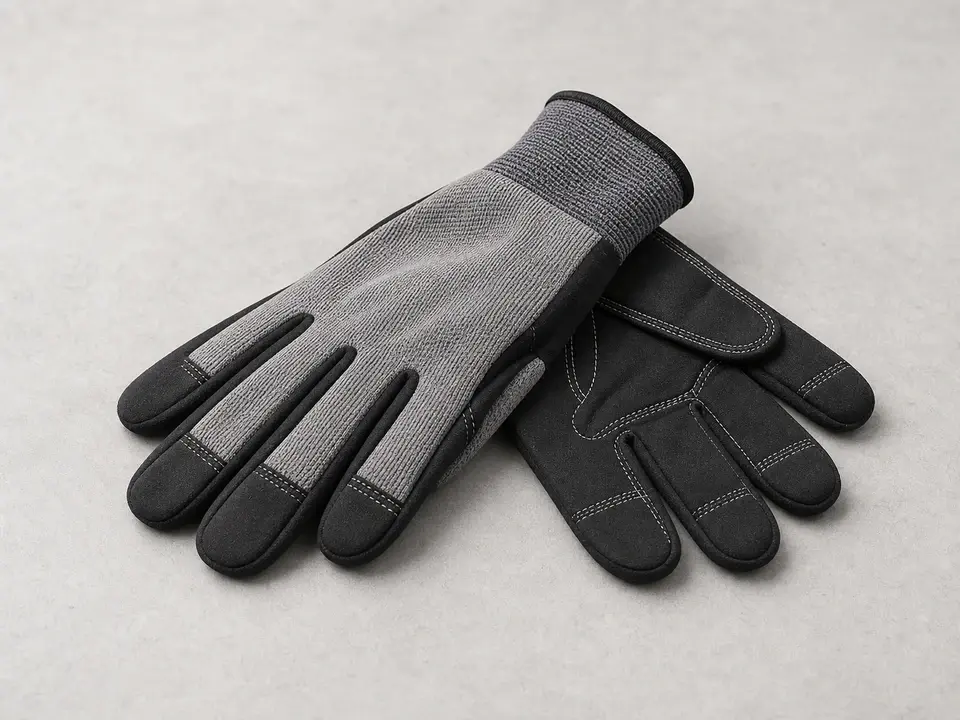
Work gloves
Use it for: Protects your hands from sharp edges, dirty water, and rough concrete.
Shop work glovesTo replace a basement floor drain p trap, first confirm the trap is cracked, blocked, missing, or installed wrong, then expose the drain piping, remove the old trap, install a matching replacement with the right slope and alignment, and test for leaks and proper drainage.
This job is usually straightforward if the trap is accessible and the surrounding drain body and slab are still sound. The hard part is not the fitting itself. It is making sure you are replacing the actual failed section and not chasing a vent, sewer, or slab drainage problem.
Before you start: Match the pipe diameter, inlet and outlet layout, and trap style before ordering.
Use it for: Protects your hands from sharp edges, dirty water, and rough concrete.
Shop work gloves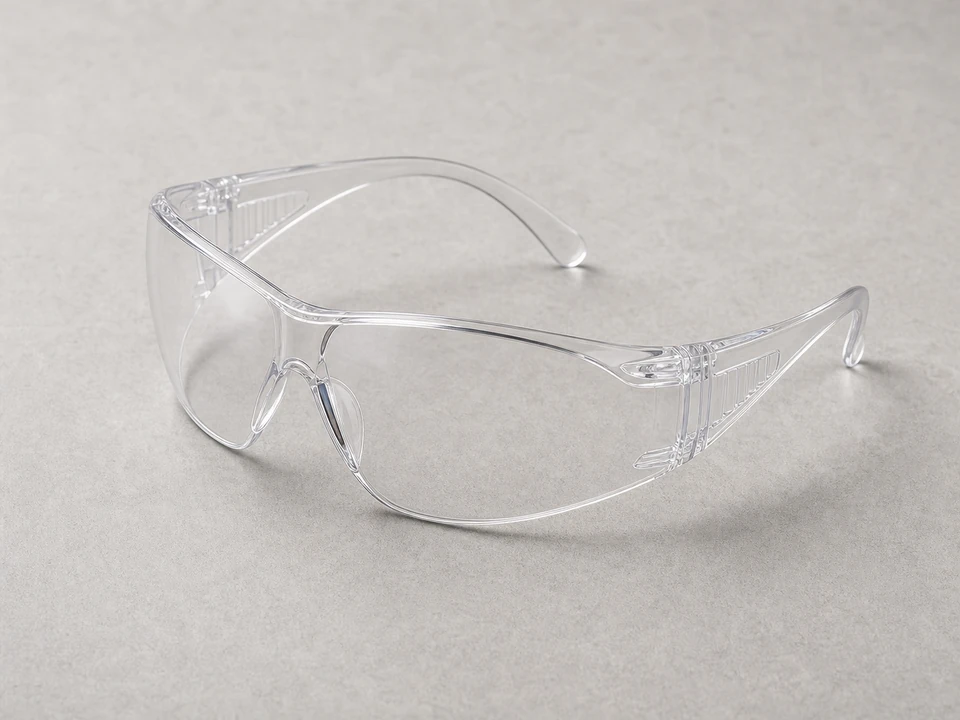
Use it for: Keeps debris and dirty splash out of your eyes while opening the drain and removing old pipe.
Shop safety glasses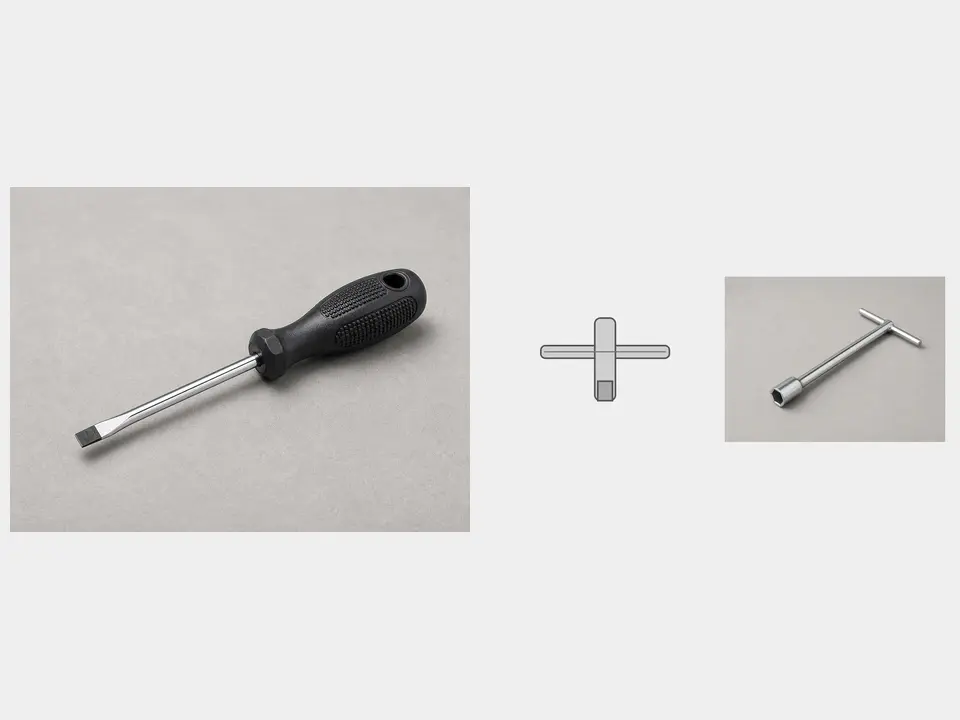
Use it for: Removes the floor drain cover so you can inspect and access the drain opening.
Find a drain grate tool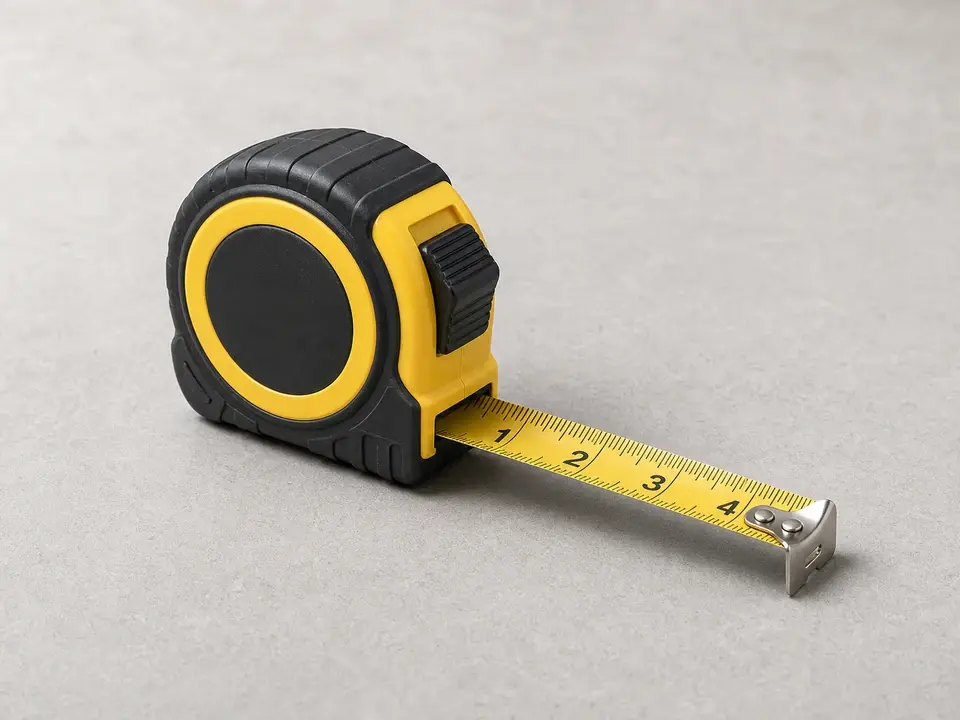
Use it for: Helps you match pipe diameter and check the replacement trap layout before cutting or fitting.
Shop tape measures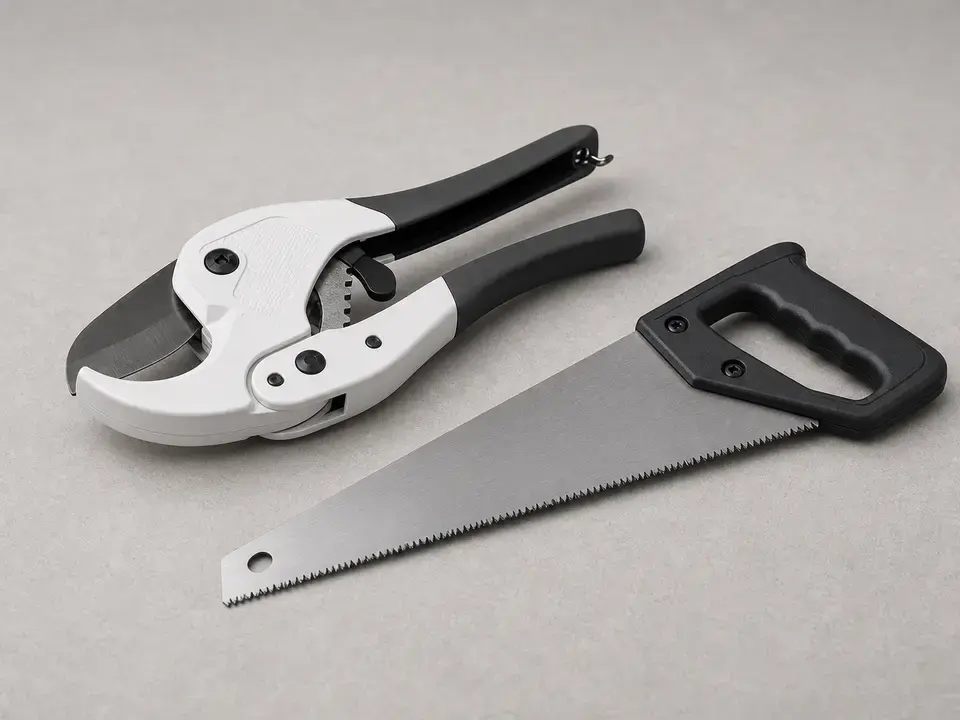
Use it for: Cuts out the old trap and trims replacement pipe cleanly.
Find a plastic pipe cutter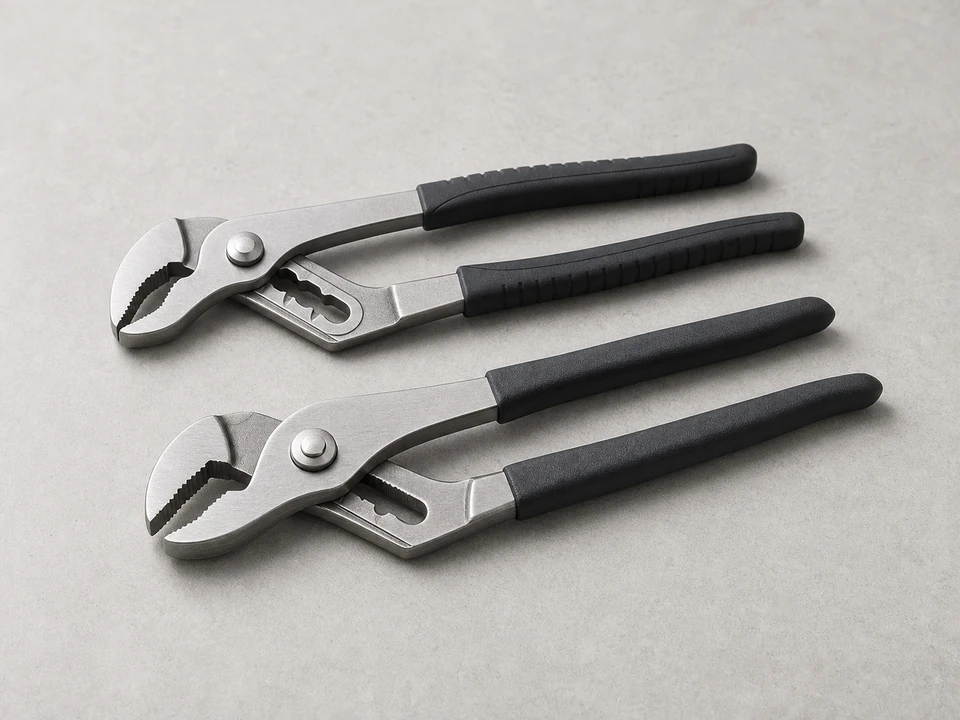
Use it for: Helps loosen couplings and hold fittings during removal and installation.
Shop channel-lock pliers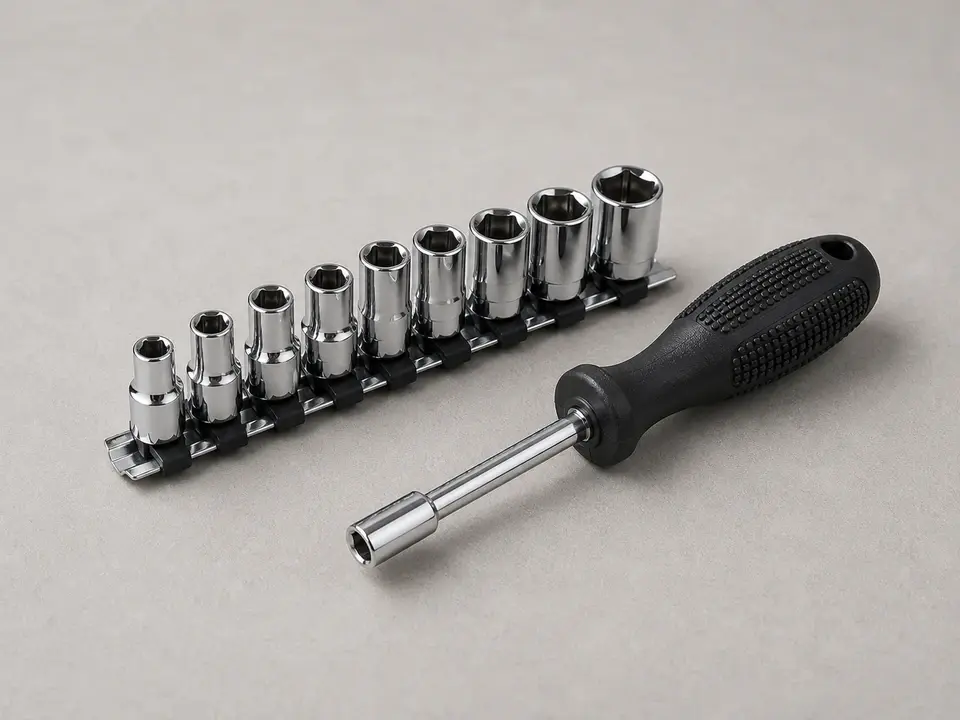
Use it for: Tightens banded couplings evenly if your repair uses them.
Find a nut driver setAs an Amazon Associate I earn from qualifying purchases. Repair Riot may earn a commission at no extra cost to you.
If it works: You have a clear reason to replace the trap, not just a general drain symptom.
If it doesn’t: If the trap looks intact and the issue seems to be a dry drain, try refilling the trap with water and monitor it before opening the floor.
If it works: The full trap and the pipe connections on both sides are visible and reachable.
If it doesn’t: If you still cannot access enough straight pipe to remove and reconnect the trap, open the area a little farther before cutting anything.
If it works: You know the replacement trap fits the space and matches the existing pipe size and layout.
If it doesn’t: If the new trap does not line up cleanly, get the correct trap style or couplings before removing the old one.
If it works: The old trap is out and the remaining pipe ends are clean, solid, and ready for the new trap.
If it doesn’t: If a pipe end is too short or damaged for a reliable connection, extend the opening and rebuild that section before installing the trap.
If it works: The new trap is installed squarely, supported, and connected without visible gaps or strain.
If it doesn’t: If the trap shifts or the joints do not seat fully, take it back apart and correct the alignment before testing.
If it works: The drain flows normally, the trap holds water, and the repair stays dry with no sewer odor returning right away.
If it doesn’t: If the drain still backs up, clear the downstream line because the trap replacement did not fix the root blockage.
Match the pipe diameter, inlet and outlet layout, and trap style before ordering.
As an Amazon Associate I earn from qualifying purchases. Repair Riot may earn a commission at no extra cost to you.
Yes, if the drain body above it is still solid and you have enough sound pipe on both sides to reconnect the new trap. If the drain body is cracked or badly corroded, replacing only the trap may not last.
A dry trap usually fills and works again after you pour water into it, though the odor may return later if the drain is rarely used. A bad trap may be cracked, blocked, missing, or leaking into the slab area.
You need a trap that matches the pipe size and fits the existing inlet and outlet layout. The replacement should create a proper water seal without forcing the piping out of alignment.
If the new trap is full of water and not leaking, the odor may be coming from another dry drain, a vent issue, or a larger sewer problem. The trap may not have been the only cause.
For a lasting repair, use fittings and couplings intended for drain piping and the pipe material you have. Avoid makeshift connections that can shift, leak, or trap debris.