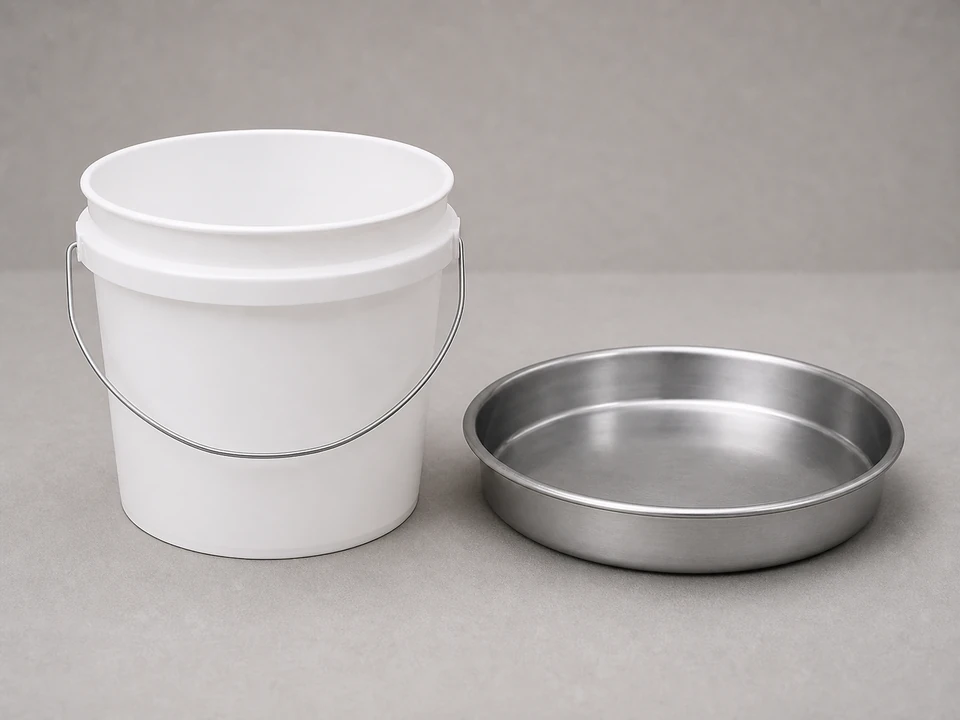
Bucket or shallow drain pan
Use it for: Catches water and debris when the old trap comes apart.
Shop drain pans and bucketsTo replace a basement drain p trap, first confirm the trap itself is leaking, cracked, badly corroded, or blocked beyond cleaning. Then remove the old trap, install a matching replacement with the correct slope and seals, and test it with a full flow of water to make sure it drains and stays dry at every joint.
This is a manageable repair when the trap is exposed and accessible. Work slowly, expect dirty water in the line, and stop if you find broken drain piping, hidden slab damage, or signs the problem is farther down the sewer line.
Before you start: Match the pipe diameter, inlet and outlet layout, and trap style before ordering.
Use it for: Catches water and debris when the old trap comes apart.
Shop drain pans and buckets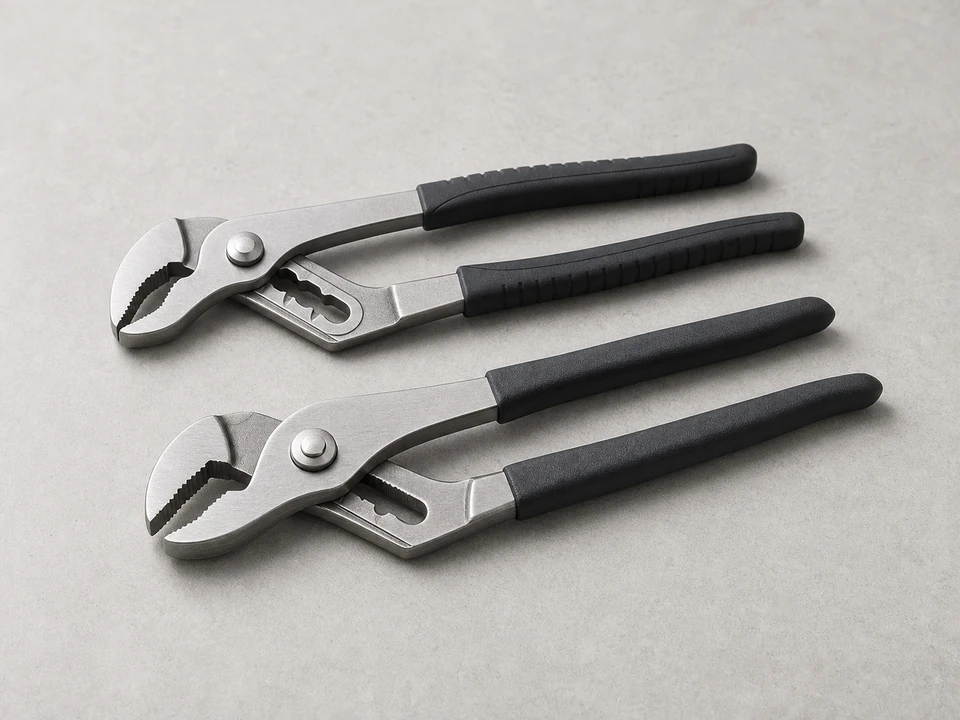
Use it for: Helps loosen slip nuts or hold fittings while you disconnect the trap.
Find channel-lock pliers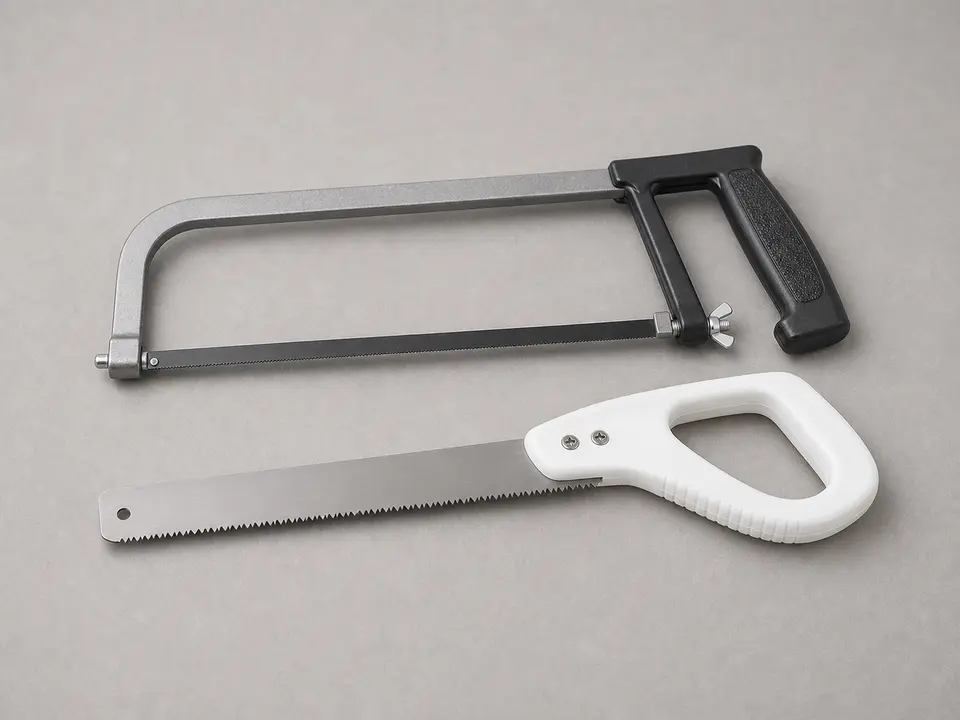
Use it for: Cuts old plastic drain pipe cleanly if the trap is glued in place.
Shop a PVC saw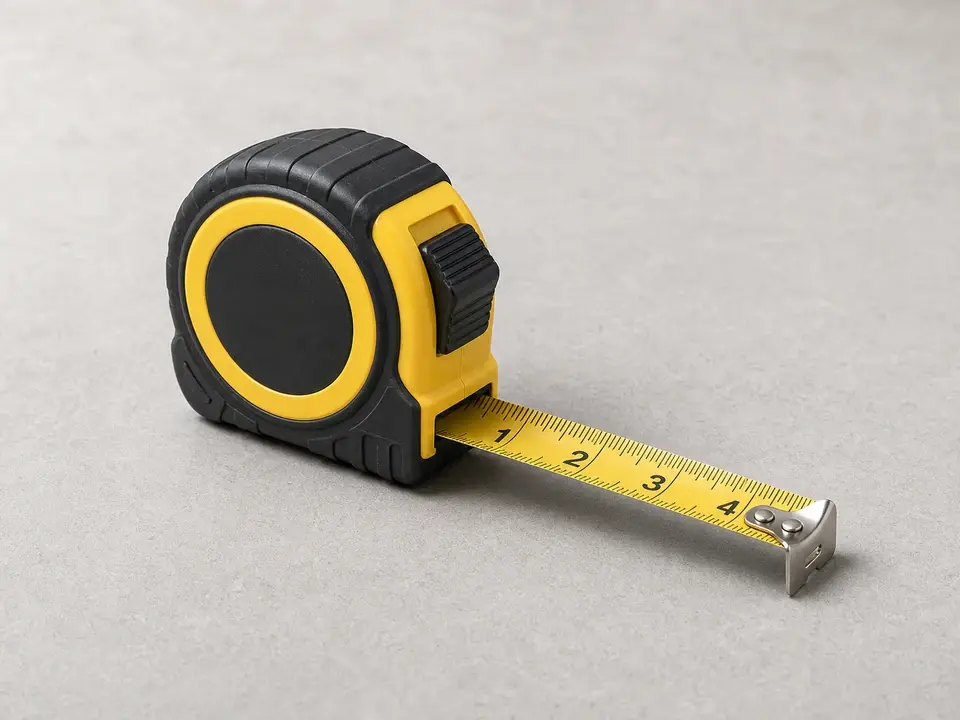
Use it for: Lets you match the replacement trap size and check cut lengths before assembly.
Find a tape measure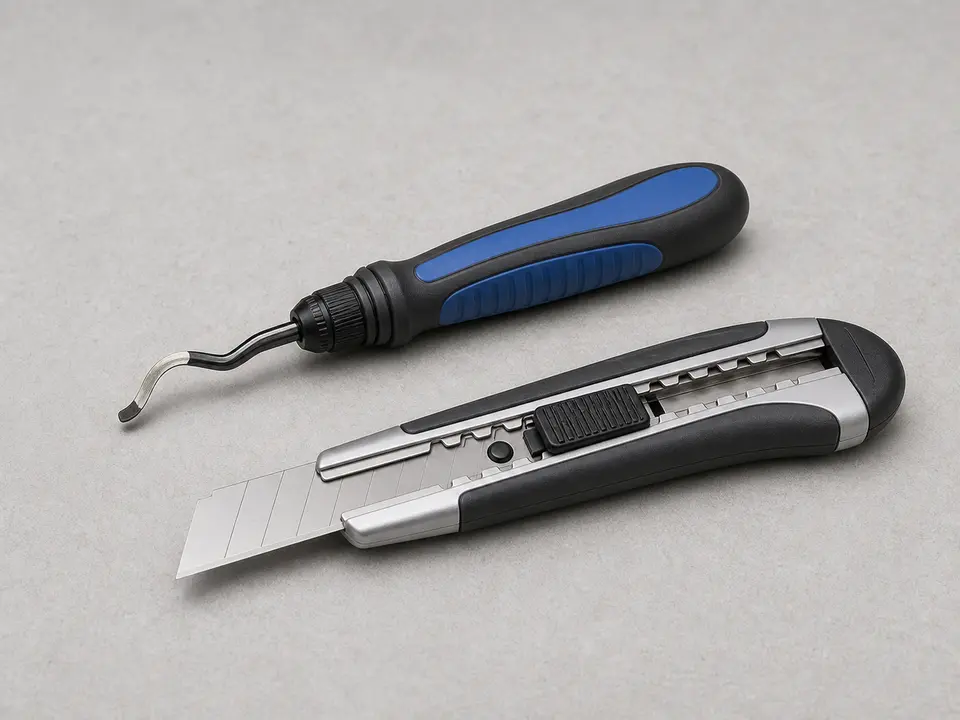
Use it for: Smooths cut pipe edges so seals seat properly and flow is not restricted.
Shop deburring tools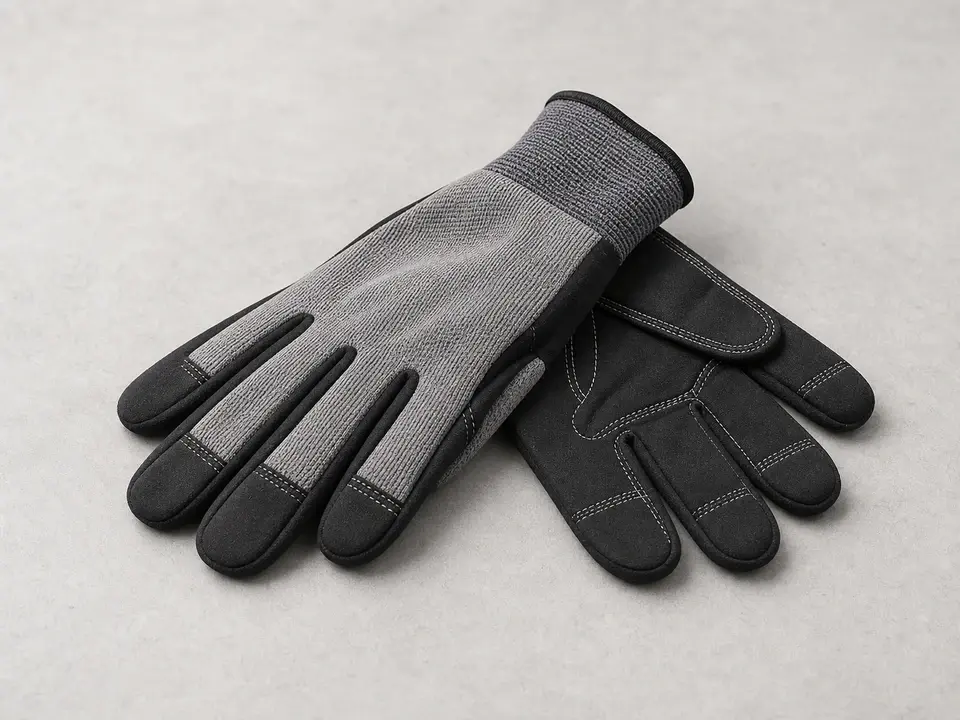
Use it for: Protects your hands from sharp pipe edges and dirty drain water.
Find work glovesAs an Amazon Associate I earn from qualifying purchases. Repair Riot may earn a commission at no extra cost to you.
If it works: You have confirmed the basement drain p trap is damaged, leaking, or blocked badly enough that replacement makes sense.
If it doesn’t: If water shows up from a crack in the floor, from a joint beyond the trap, or from repeated whole-line backup, the repair path is likely farther downstream and not just the trap.
If it works: The work area is protected and you have a replacement trap that matches the existing drain layout closely enough to install.
If it doesn’t: If the new trap does not match the pipe size or connection style, pause and get the correct parts before cutting anything.
If it works: The old basement drain p trap is out and the remaining pipe ends are clean and ready for fitting.
If it doesn’t: If the trap will not come free, recheck for hidden fasteners, glued joints, or a section that needs to be cut back farther to reach sound pipe.
If it works: The new trap is installed squarely, supported by the existing piping, and all connections are snug and aligned.
If it doesn’t: If the trap does not line up naturally, adjust the connected pipe sections or use the correct matching fittings rather than forcing the trap into place.
If it works: The trap holds water, drains normally, and stays dry at the joints during a steady flow test.
If it doesn’t: If a joint still leaks after a careful retightening or reseating, take that connection apart and inspect the washer, pipe edge, and alignment.
If it works: The basement drain p trap stays dry, holds its water seal, and the drain works normally in real use.
If it doesn’t: If odor, leakage, or backup returns, the issue may involve venting, downstream blockage, or additional damaged drain piping beyond the trap.
Match the pipe diameter, inlet and outlet layout, and trap style before ordering.
As an Amazon Associate I earn from qualifying purchases. Repair Riot may earn a commission at no extra cost to you.
Replace it if the trap is cracked, rusted through, misshapen, or still leaks after tightening and reseating the connections. If it is just clogged and otherwise sound, cleaning may be enough.
No. The replacement needs to match the pipe diameter, connection style, and general layout of the existing drain. A close visual match is not enough if the ends connect differently.
That usually means the restriction is farther down the line, not in the trap itself. At that point, the next step is clearing or inspecting the downstream drain line.
That depends on the connection style. Many slip-joint connections seal with washers, not extra sealant. The main goal is clean pipe ends, correct washer placement, and proper alignment.
The trap holds a small amount of water that blocks sewer gas from coming back into the basement. If the trap leaks or cannot hold water, you can end up with both water damage and odor problems.