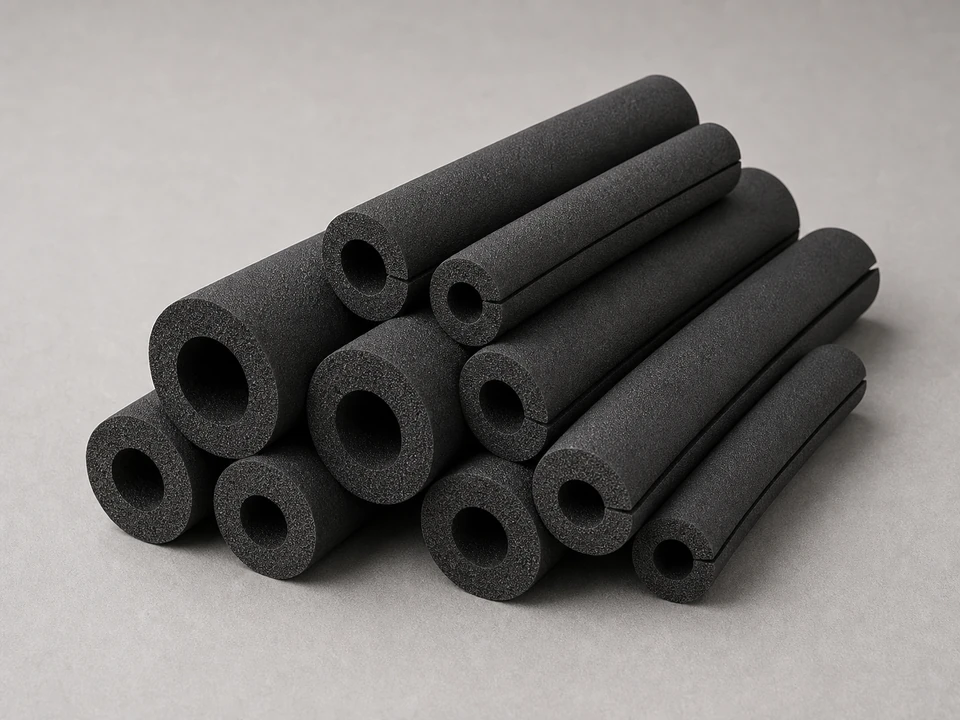
Replacement basement pipe heat cable
Use it for: This is the new freeze-protection cable that replaces the failed one.
Shop replacement heat cableTo replace a basement pipe heat cable, unplug the failed cable, remove old tape and insulation, install a new cable rated for your pipe and length, secure it as directed, reinsulate the pipe, and test that the cable warms the line without overheating.
This is a practical repair when the old heat cable no longer warms the pipe, has visible damage, or trips power. The goal is to protect a vulnerable basement water line from freezing without creating a fire or shock hazard.
Before you start: Match the replacement cable type and length to the pipe material, pipe length, and the old cable instructions before ordering.
Use it for: This is the new freeze-protection cable that replaces the failed one.
Shop replacement heat cable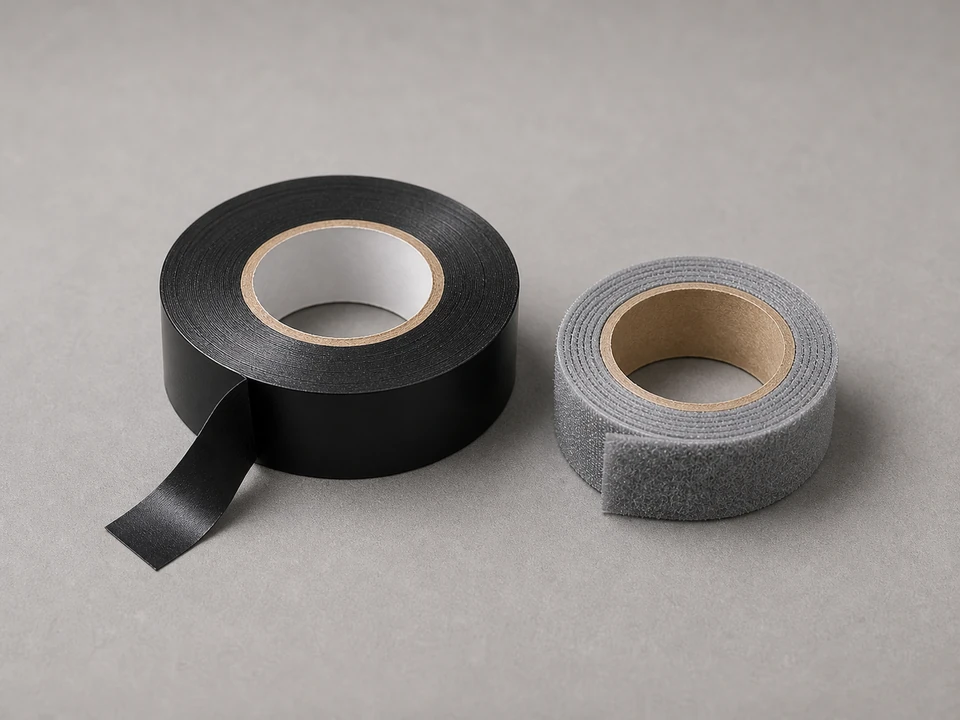
Use it for: Used to secure the cable to the pipe where the instructions allow.
Get fastening tape for heat cable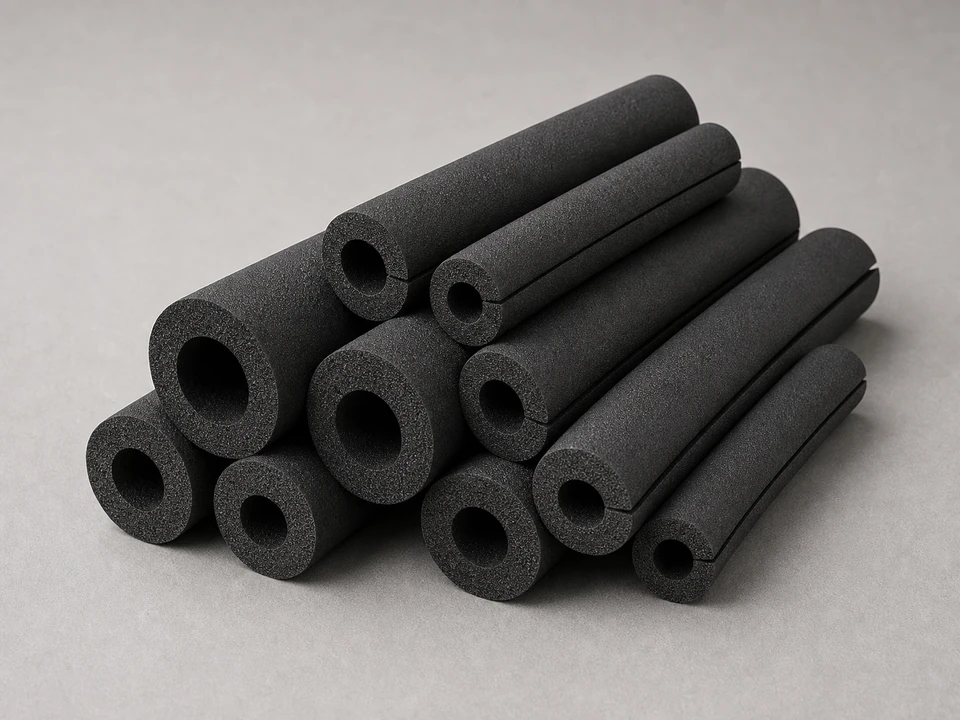
Use it for: Helps the new cable hold heat around the pipe instead of losing it to the basement air.
Shop pipe insulation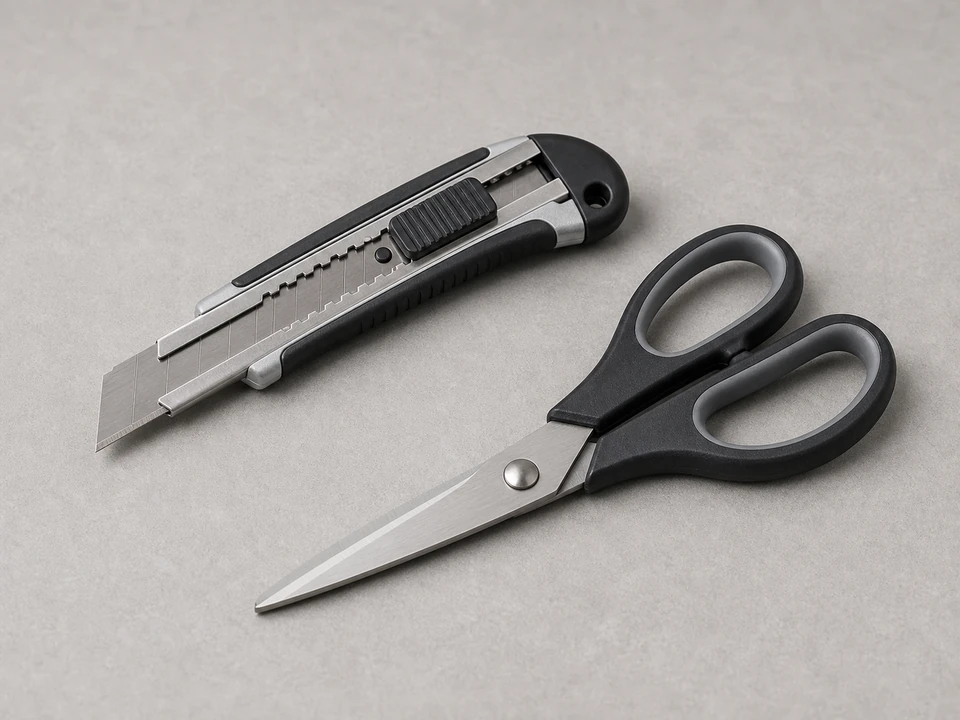
Use it for: Cuts old tape and trims new insulation to length.
Find a utility knife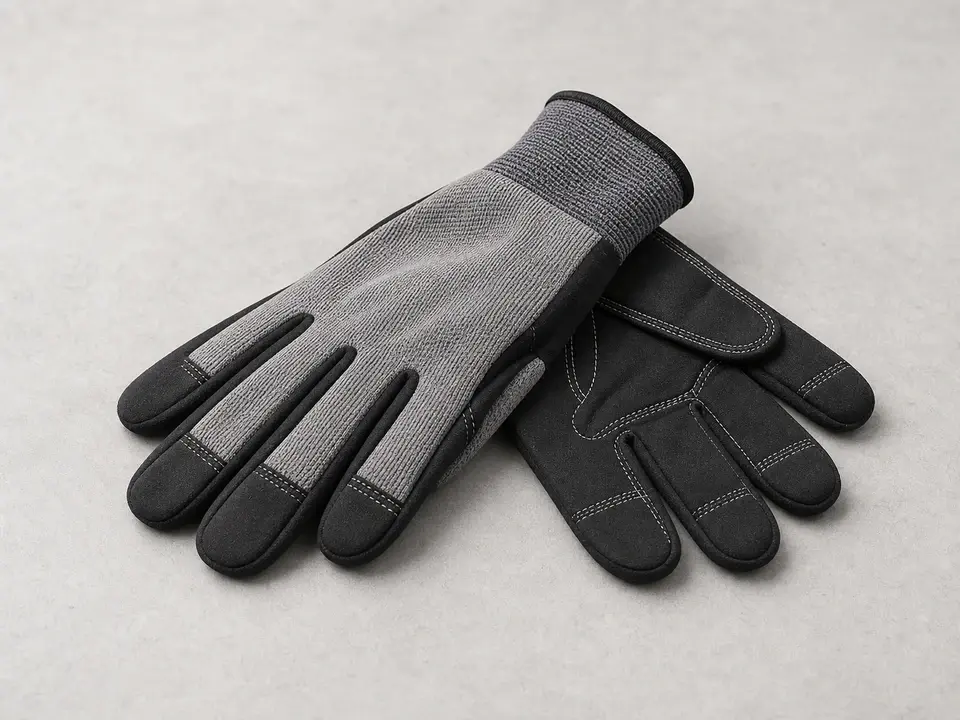
Use it for: Protects your hands while removing old tape, insulation, and damaged cable.
Get work gloves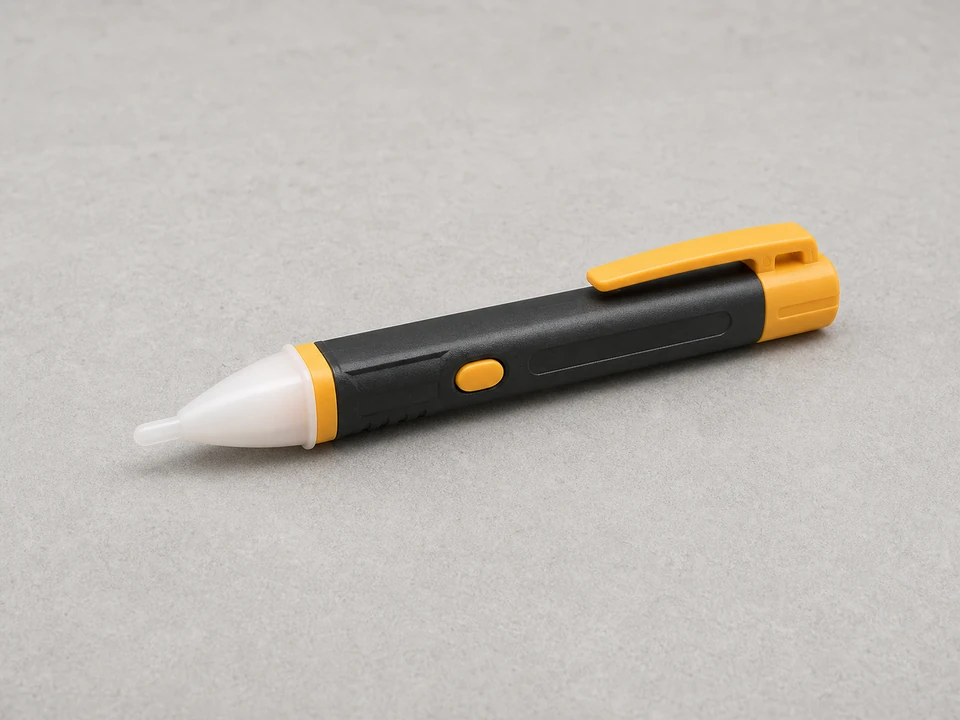
Use it for: Helps confirm the receptacle and cord area are not energized where you are handling wiring.
Shop a non-contact voltage testerAs an Amazon Associate I earn from qualifying purchases. Repair Riot may earn a commission at no extra cost to you.
If it works: You have a failed or damaged heat cable on an otherwise repairable pipe, and replacement is the right next step.
If it doesn’t: If the pipe has no heat cable at all, this is an installation job rather than a replacement. If the pipe is already leaking or split, repair the pipe first before adding freeze protection.
If it works: The old cable is off, and the pipe surface is clean, dry, and ready for the new cable.
If it doesn’t: If old adhesive or tape residue is still bulky, keep cleaning until the new cable can lie flat without gaps.
If it works: The new cable is the right type and length, and you have a clear path for installation.
If it doesn’t: If the cable is too short, too long to route safely, or not rated for your pipe material, exchange it for the correct one before continuing.
If it works: The cable is firmly attached, evenly routed, and not pinched, crossed, or hanging loose.
If it doesn’t: If sections keep slipping, retape them so the cable stays in full contact with the pipe before you cover it.
If it works: The pipe is insulated again, and the new heat cable is powered with the cord and plug still visible for inspection.
If it doesn’t: If the cable does not seem to warm the pipe, recheck the plug, receptacle power, and the cable routing against the instructions.
If it works: The pipe stays protected in cold weather, water flow remains normal, and the new cable operates without tripping power or overheating.
If it doesn’t: If the pipe still freezes, add insulation where heat is being lost, check for drafts around the pipe route, and confirm the replacement cable is the correct type and length. If the problem continues, have a plumber or electrician evaluate the setup.
Match the replacement cable type and length to the pipe material, pipe length, and the old cable instructions before ordering.
As an Amazon Associate I earn from qualifying purchases. Repair Riot may earn a commission at no extra cost to you.
Replace it if the cable jacket is cracked, the plug or cord is damaged, the pipe still freezes even though the cable is powered, or the cable causes tripped power or overheating signs.
Yes, in most cases pipe insulation is part of the setup because it helps the cable protect the pipe more effectively. Just do not crush the cable or hide a plug or wet connection inside the insulation.
You need a cable that fits the pipe run and installation method safely. Too short leaves pipe exposed, and too long can create routing problems. Match the replacement to the pipe length and allowed layout.
No. Heat cable should not be overlapped or crossed unless the product instructions specifically allow it. Overlap can create dangerous hot spots.
The pipe may be losing heat through missing insulation, air leaks, or an unprotected section farther down the line. Recheck the full pipe run, improve insulation, and inspect for drafts or hidden cold spots.