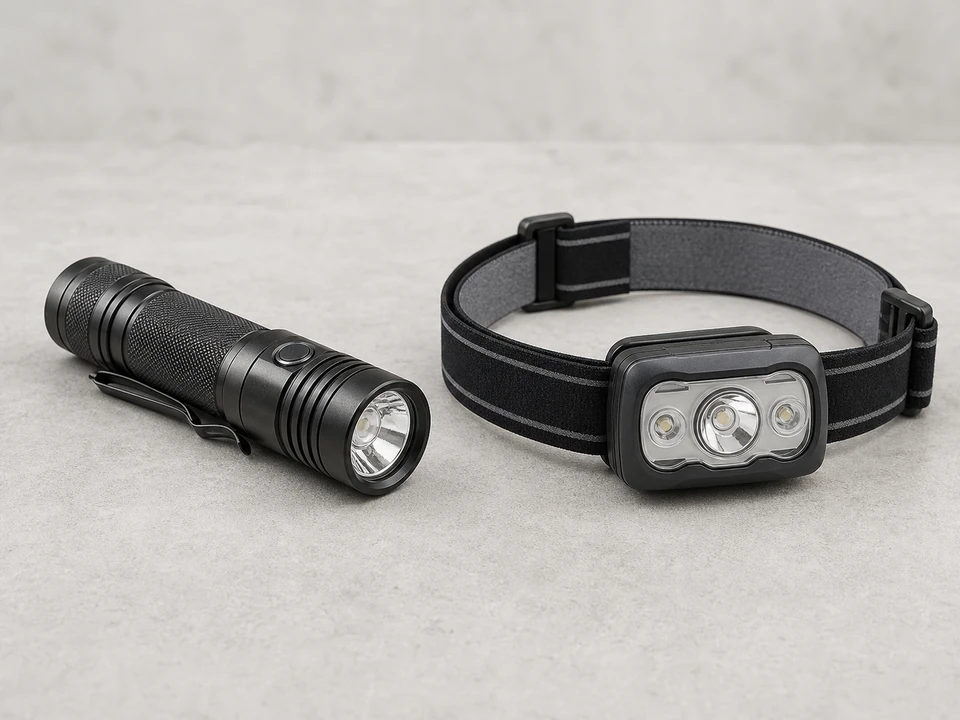
Flashlight or headlamp
Use it for: To see the full pipe run and spot damaged insulation, wet areas, or sharp contact points in the crawl space.
Shop crawl space headlampsIf the old heat cable is damaged, dead, or no longer warming the exposed water line, replacing it can protect crawl space pipes from freezing again.
This job is mostly about safe access, choosing the right replacement length and type, and fastening the new cable the way its instructions allow. Work slowly, keep the cable off sharp edges, and do not energize it while it is coiled or still in the package.
Before you start: Match the replacement cable to the pipe material, pipe length, voltage, and whether the cable is approved for straight runs or wrapping before ordering.
Use it for: To see the full pipe run and spot damaged insulation, wet areas, or sharp contact points in the crawl space.
Shop crawl space headlamps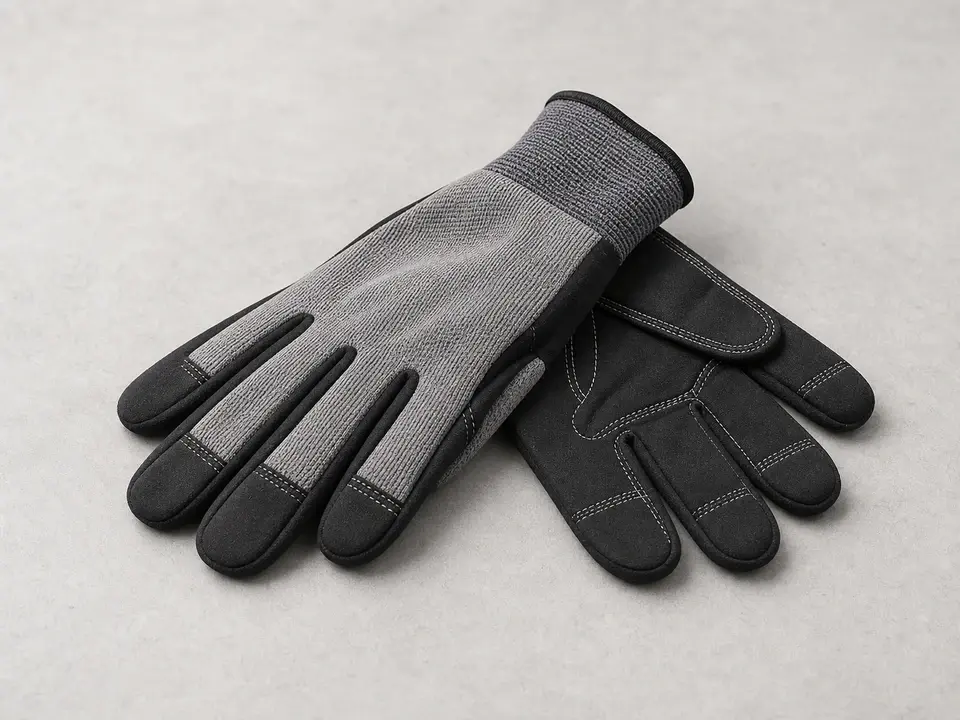
Use it for: To protect your hands from dirt, sharp hangers, and rough framing.
Shop work gloves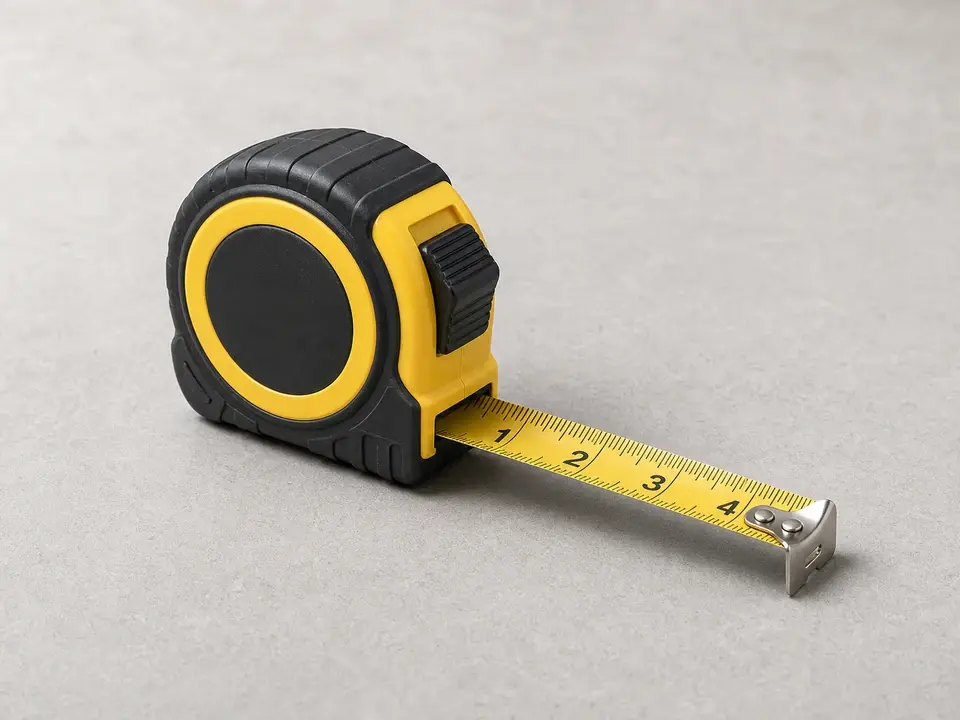
Use it for: To measure the pipe run so the replacement cable is the right length.
Shop tape measures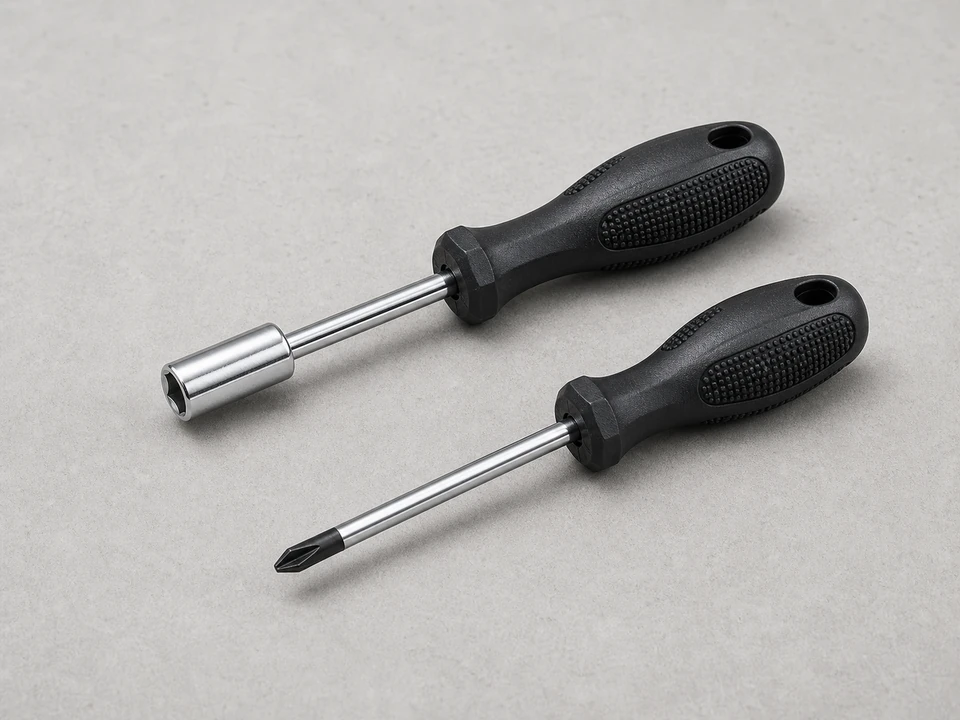
Use it for: To remove access panels, straps, or clips holding insulation in place.
Shop screwdrivers and nut drivers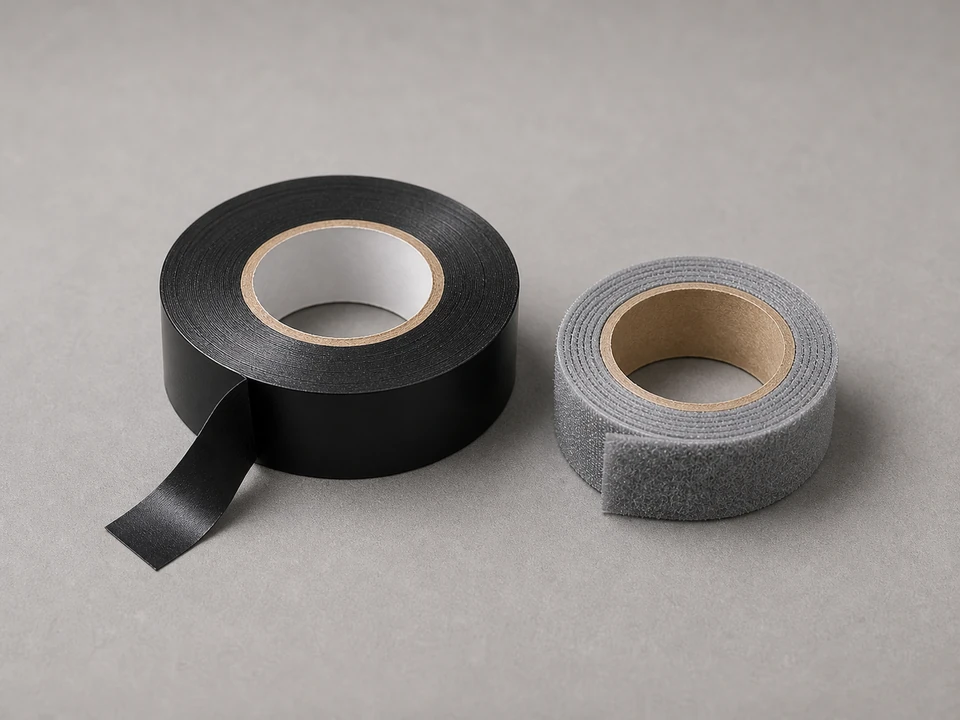
Use it for: To secure the cable to the pipe where the manufacturer allows it.
Shop pipe heat cable tape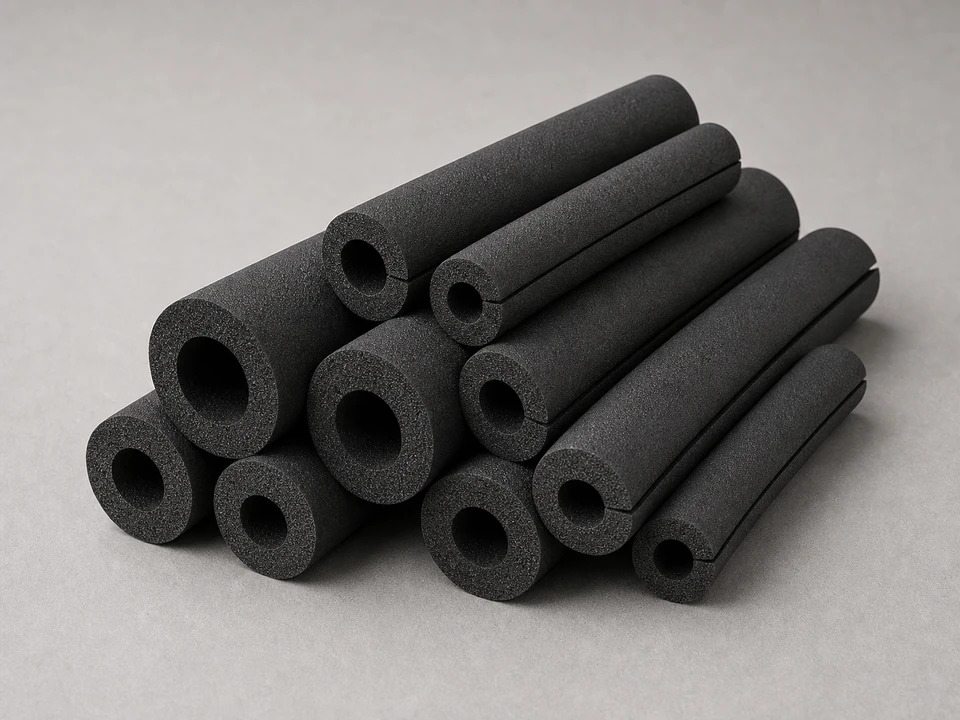
Use it for: To re-cover the pipe after the new cable is installed so the heat stays where it belongs.
Shop pipe insulationAs an Amazon Associate I earn from qualifying purchases. Repair Riot may earn a commission at no extra cost to you.
If it works: You have confirmed the old heat cable has failed or is no longer suitable, and the pipe itself is still a good candidate for protection.
If it doesn’t: If the cable looks fine but the pipe still freezes, improve insulation, air sealing, and crawl space cold-air leaks before assuming the cable is the only problem.
If it works: The old cable is de-energized, cool, and fully exposed along the section you need to replace.
If it doesn’t: If insulation is wet or falling apart, plan to replace it after the new cable is installed so the repair actually holds in cold weather.
If it works: The old cable is fully removed and the pipe surface is clean enough for the new cable to sit flat and secure.
If it doesn’t: If old tape residue is heavy, remove only what keeps the new cable from lying flat. It does not need to look perfect.
If it works: The new cable is attached neatly, follows the pipe correctly, and is not pinched, crossed, or hanging loose.
If it doesn’t: If the cable seems too short or too long to install without forcing it, stop and exchange it for the correct length and type.
If it works: The pipe is insulated again, the cable has power, and the installation is protected from normal crawl space contact.
If it doesn’t: If the insulation will not fit back over the pipe without squeezing the cable hard, use properly sized replacement insulation.
If it works: The water line stays open during cold weather and the new heat cable remains secure and dry in normal use.
If it doesn’t: If the pipe still freezes, look for missing insulation, air leaks, unprotected fittings, or a longer exposed pipe section that also needs freeze protection.
Match the replacement cable to the pipe material, pipe length, voltage, and whether the cable is approved for straight runs or wrapping before ordering.
As an Amazon Associate I earn from qualifying purchases. Repair Riot may earn a commission at no extra cost to you.
Common signs are visible jacket damage, a cable that will not warm the pipe in freezing weather, a tripped circuit, or a cable that has come loose and no longer contacts the pipe properly.
No. Some cables are meant for a straight run only, while others allow a spiral wrap. Follow the replacement cable instructions so you do not create an overheating risk.
Usually yes if the old insulation is wet, torn, missing, or compressed. Heat cable works much better when the pipe is insulated after the cable is installed.
It is better to use the fastening method allowed by the cable instructions. Sharp or tight fasteners can damage the cable jacket and shorten its life.
The cable may have failed, lost power, come loose from the pipe, been the wrong type for the run, or been installed on a pipe with poor insulation and too much cold air exposure.