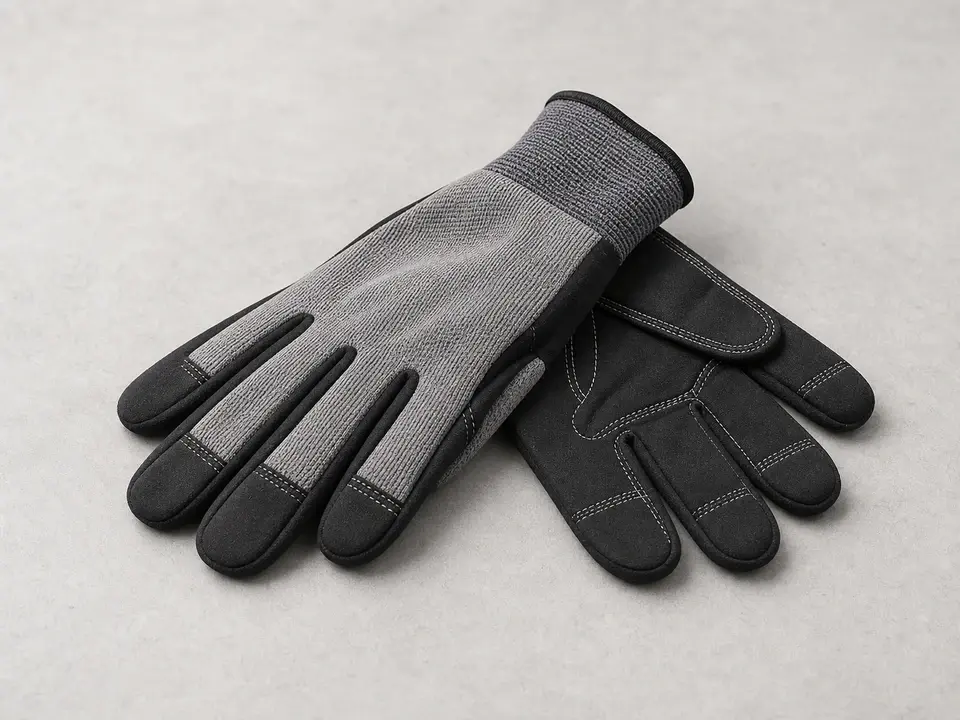
Work gloves
Use it for: Protects your hands while removing old tape, insulation, and cable.
Shop work glovesTo replace an electric pipe heat cable, unplug or disconnect power, remove the failed cable and old tape, install a new cable that matches the pipe and run length, secure it as directed, reinsulate the pipe, and then confirm the cable warms the pipe without overheating or crossing itself.
This is a moderate repair because you are working around electricity, insulation, and plumbing that may already be stressed by freezing. Take your time, start with a cold pipe, and stop if you find damaged wiring, scorched insulation, or a leaking pipe.
Before you start: Match the replacement part to your exact frozen pipe before ordering.
Use it for: Protects your hands while removing old tape, insulation, and cable.
Shop work gloves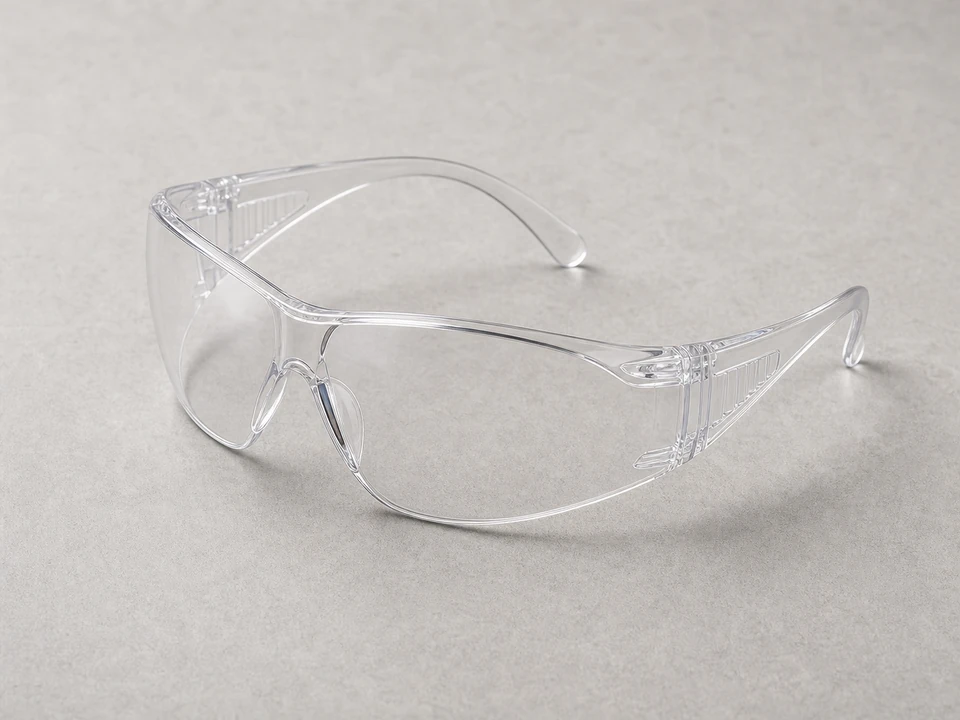
Use it for: Keeps dust and insulation fibers out of your eyes.
Shop safety glasses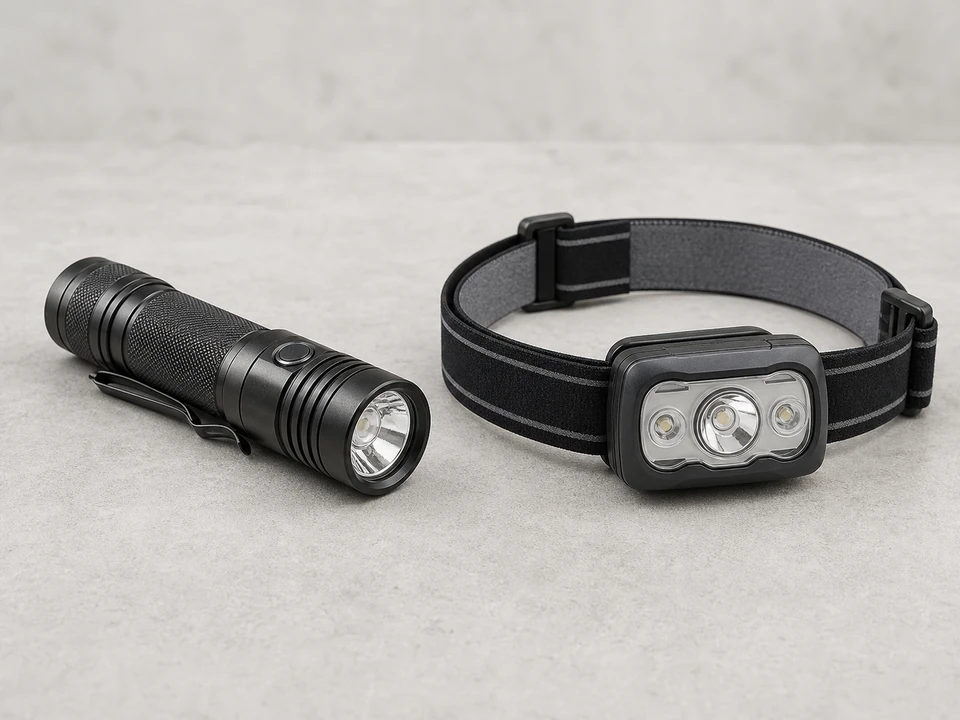
Use it for: Helps you inspect the full pipe run and spot damaged areas.
Shop a headlamp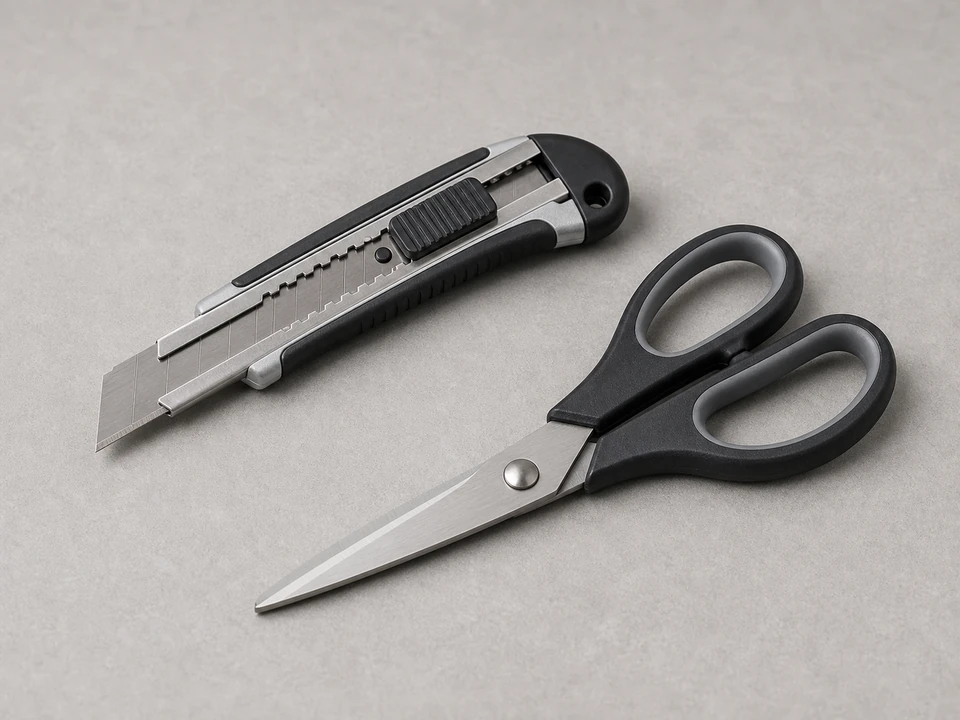
Use it for: Cuts old tape and trims outer insulation wrap if needed.
Shop a utility knife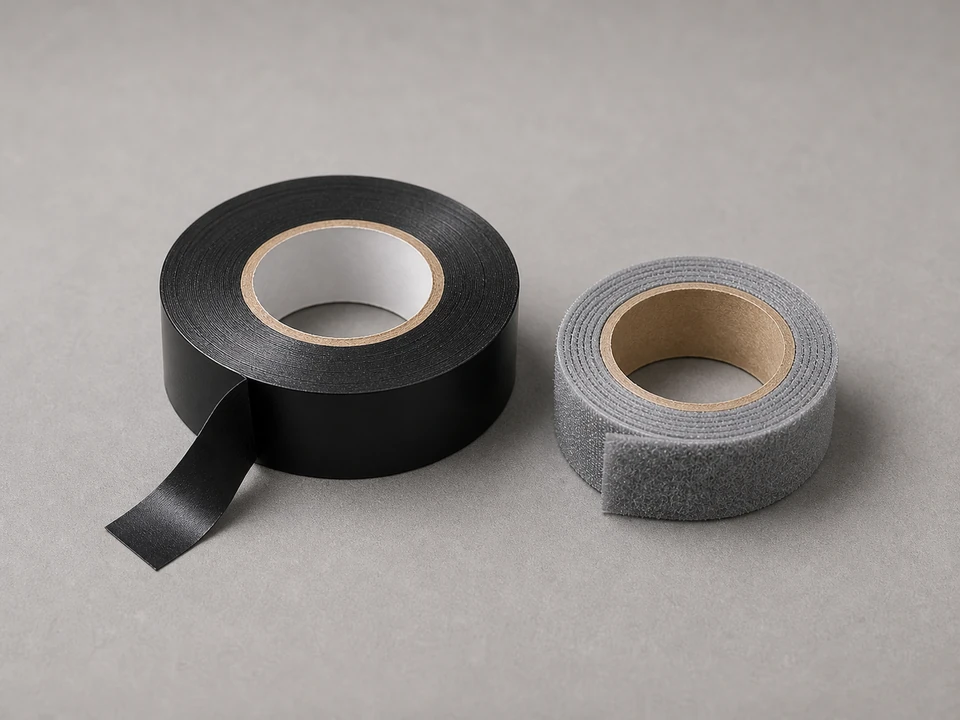
Use it for: Secures the cable to the pipe where the product instructions allow it.
Shop electrical tape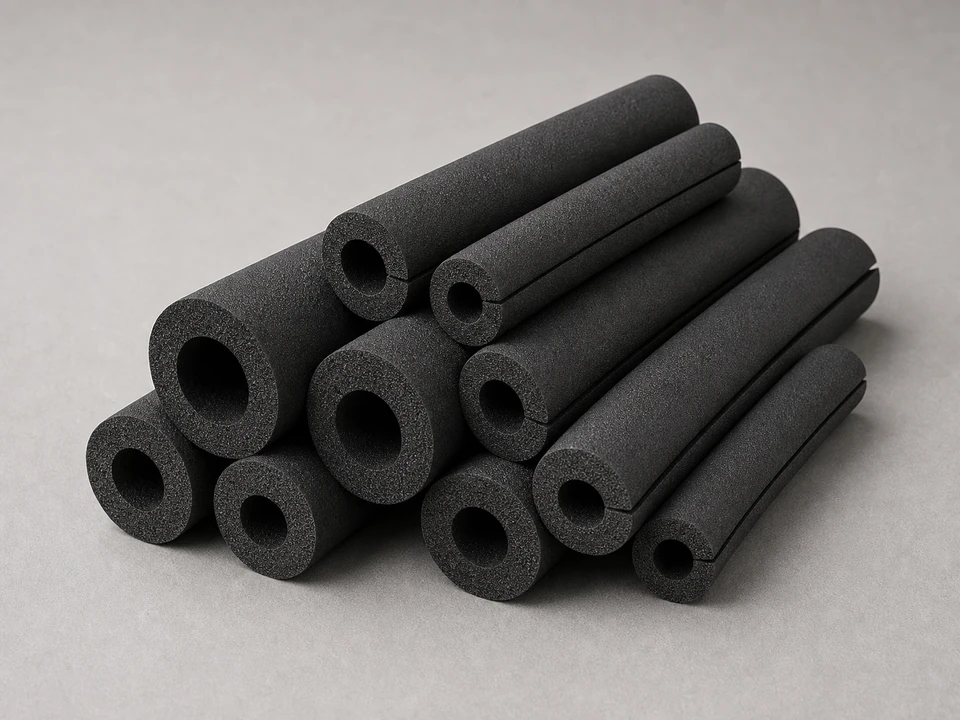
Use it for: Restores the insulation layer so the new cable can hold heat around the pipe.
Shop pipe insulationAs an Amazon Associate I earn from qualifying purchases. Repair Riot may earn a commission at no extra cost to you.
If it works: You have confirmed the pipe heat cable is damaged, failed, or no longer staying attached and the pipe itself is still a reasonable candidate for protection.
If it doesn’t: If the outlet has no power or the pipe is leaking, fix that issue first before replacing the cable.
If it works: The old cable is de-energized, cool, and fully exposed along the pipe.
If it doesn’t: If you still cannot reach the full cable run, remove more insulation or access panels until you can inspect the entire installation.
If it works: The old cable is off, the pipe is clean and dry, and you have confirmed the new cable is the right length and basic type for the job.
If it doesn’t: If the replacement cable does not match the pipe run or installation style, pause and get the correct one before continuing.
If it works: The new cable is routed neatly, secured to the pipe, and installed without kinks, crushing, or self-crossing.
If it doesn’t: If the cable will not sit flat or the run is too short, remove it and correct the layout before powering it.
If it works: The pipe is insulated again, power is restored, and the heated section begins to warm normally.
If it doesn’t: If the cable stays completely cold after power is restored, recheck the power source and installation instructions, then replace the cable if it still does not energize.
If it works: The pipe stays protected in real conditions, the cable remains secure, and there are no signs of overheating or hidden pipe damage.
If it doesn’t: If the pipe still freezes, add missing insulation, review whether the cable coverage is adequate for the exposed run, and inspect for drafts or unprotected sections farther upstream.
Match the replacement part to your exact frozen pipe before ordering.
As an Amazon Associate I earn from qualifying purchases. Repair Riot may earn a commission at no extra cost to you.
You can reuse insulation only if it is dry and still in good shape. Old tape usually does not hold well after removal, so fresh tape is the better choice.
Common signs are cracked insulation, brittle sections, burn marks, a cable that will not warm up, or a pipe that keeps freezing even though the cable is plugged in and the outlet has power.
If the cable is damaged, loose, or no longer heating properly, yes. A thawed pipe can freeze again quickly if the heat cable is no longer doing its job.
No. Follow the new cable instructions for straight runs, spiral wrapping, spacing, and overlap. Wrong routing can reduce heating or create an overheating risk.
Check for missing insulation, drafts, unprotected fittings, or a longer exposed pipe section than the cable is covering. If the cable is powered and the pipe still freezes, the setup may be undersized or the pipe may have another problem.