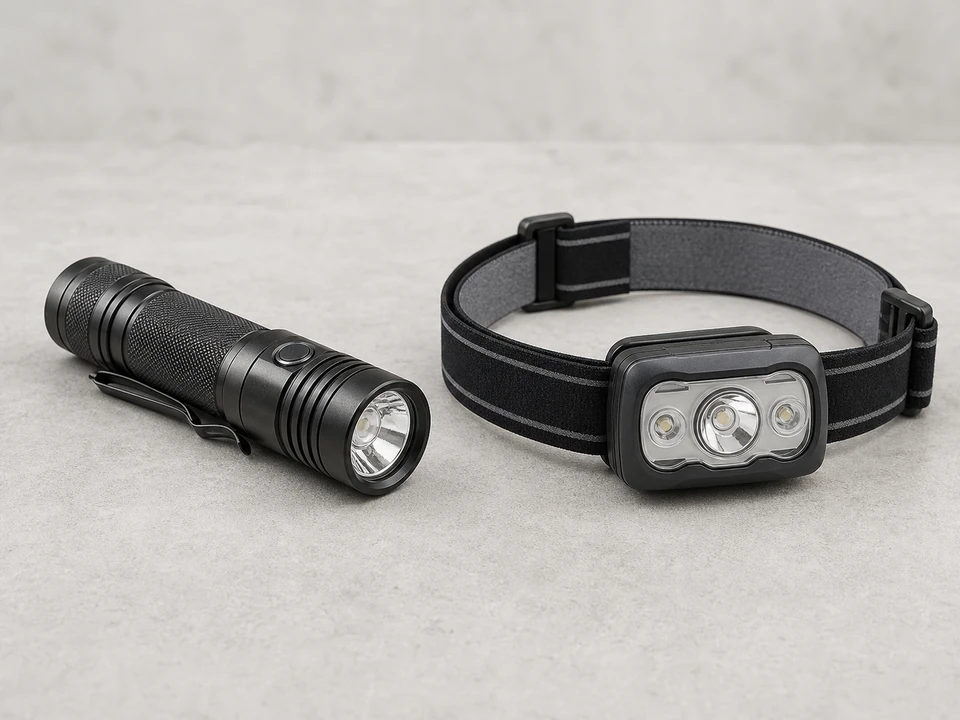
Flashlight or headlamp
Use it for: Lets you inspect the full pipe run and work safely in a dark crawlspace.
Shop crawlspace headlampsTo replace a crawlspace pipe heat cable, first confirm the cable is the failed part, unplug or disconnect power, remove the old cable and any damaged insulation, then install the new cable exactly as directed for pipe contact and secure it without crossing or pinching it.
This is a practical repair when the old heat cable is damaged, no longer warming the pipe, or has been installed poorly. Work slowly in the crawlspace, keep the cable dry during installation, and stop if you find damaged wiring, leaking pipe, or signs the pipe itself has already split.
Before you start: Match the replacement cable length and approved pipe use to your exact pipe before ordering.
Use it for: Lets you inspect the full pipe run and work safely in a dark crawlspace.
Shop crawlspace headlamps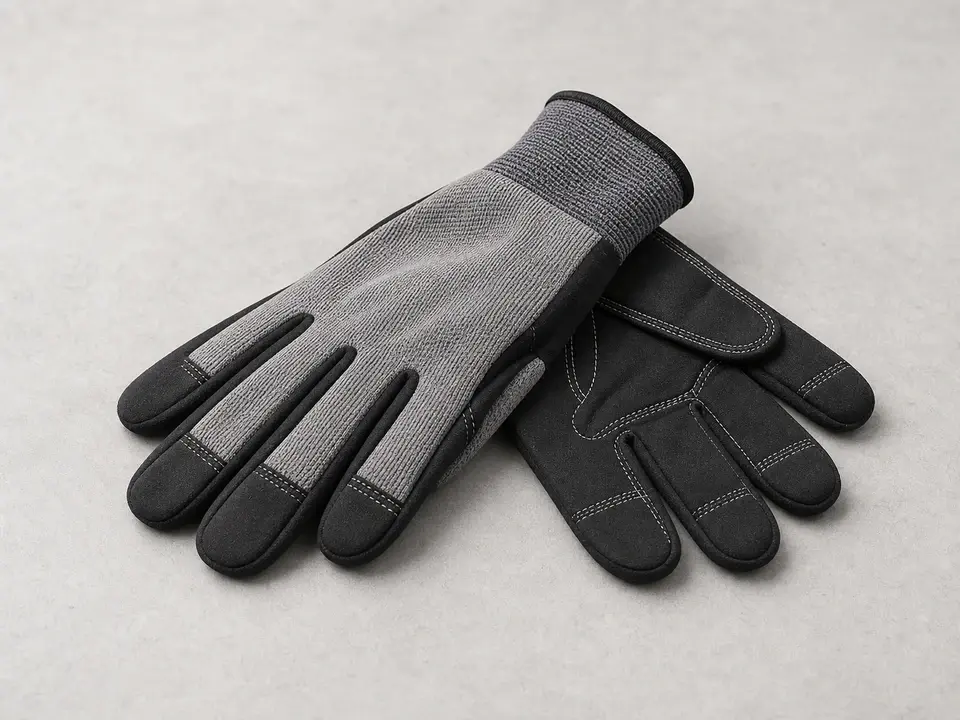
Use it for: Protects your hands from sharp hangers, rough framing, and dirty insulation.
Shop work gloves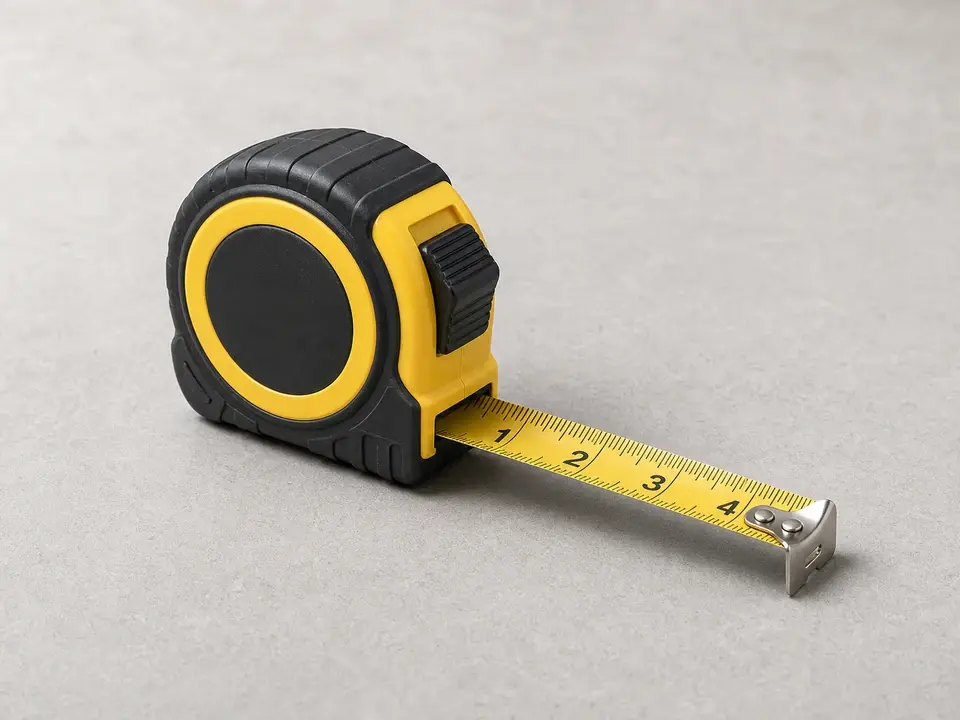
Use it for: Helps you confirm the pipe length so the replacement cable is the right size.
Shop tape measures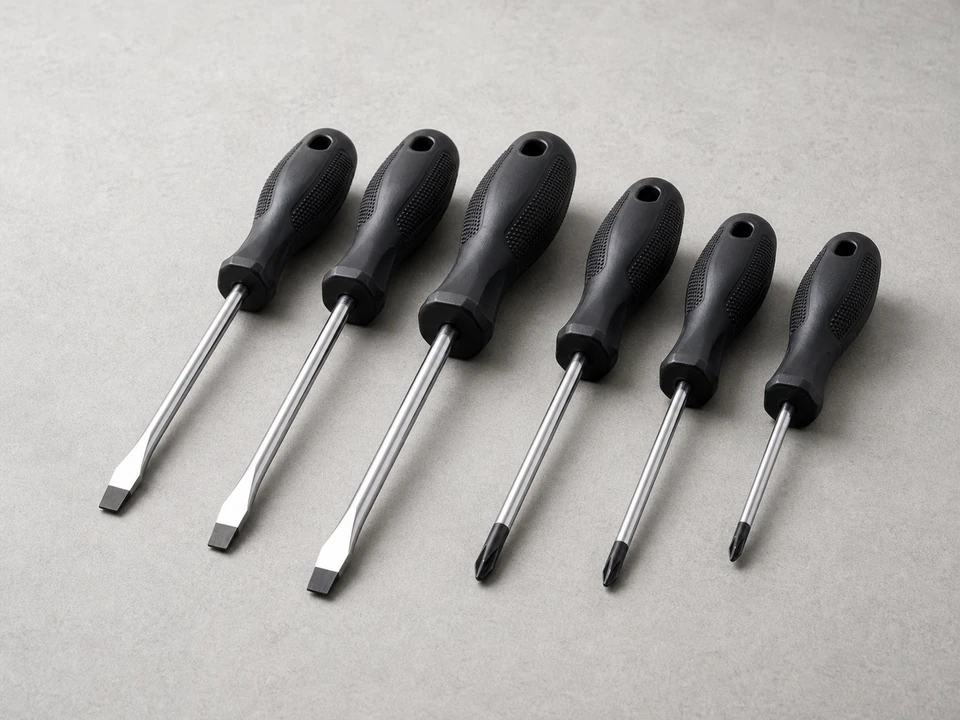
Use it for: Useful if you need to open an access cover or disconnect a simple power cover plate.
Shop screwdriver sets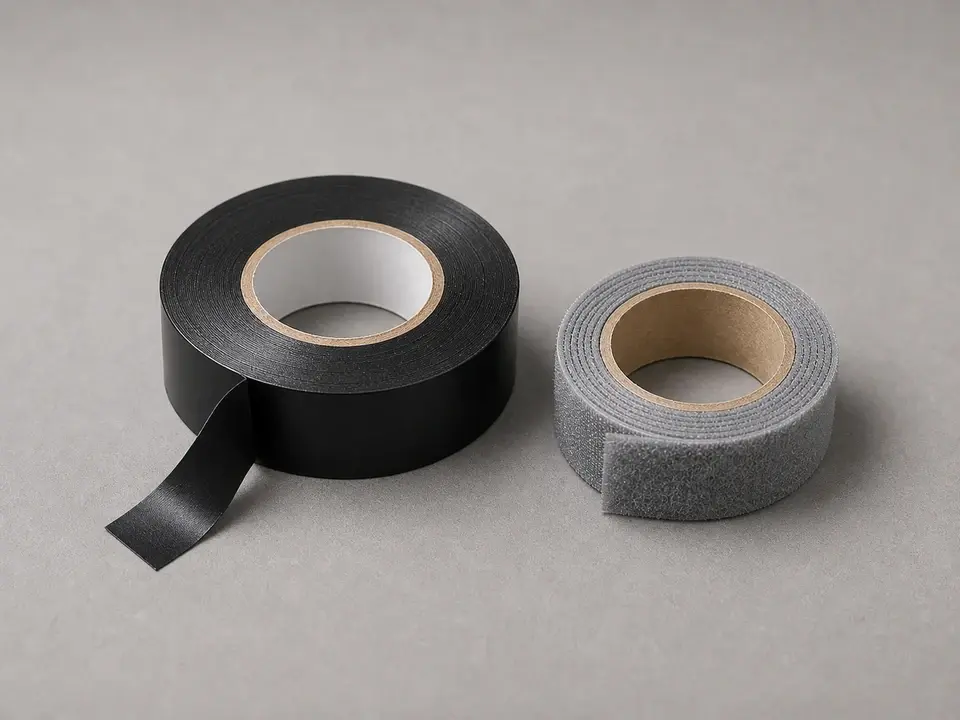
Use it for: Secures the new cable to the pipe where the product instructions allow it.
Shop electrical tape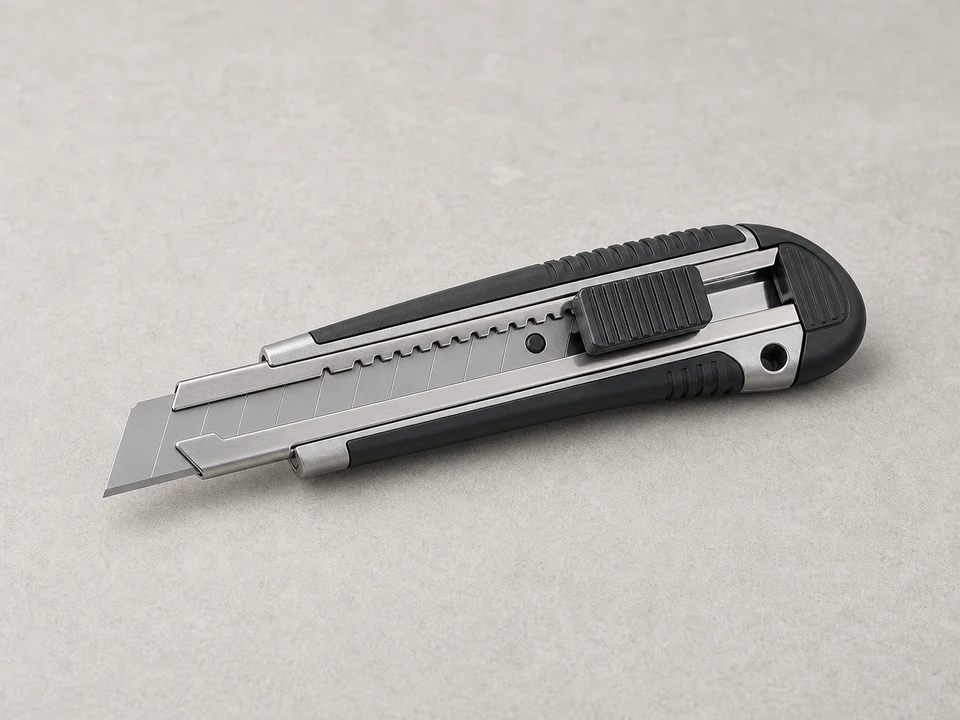
Use it for: Cuts old tape and insulation wrap so you can remove the failed cable cleanly.
Shop utility knivesAs an Amazon Associate I earn from qualifying purchases. Repair Riot may earn a commission at no extra cost to you.
If it works: You have confirmed the old crawlspace pipe heat cable is damaged, failed, or incorrectly installed, and the pipe run is a good candidate for replacement.
If it doesn’t: If the cable looks intact and the pipe is freezing because insulation is missing, air leaks are blowing directly on the pipe, or the pipe has no power source nearby, fix those root causes before replacing the cable.
If it works: The old cable is de-energized and you have safe access to the full section of pipe.
If it doesn’t: If you cannot clearly identify how the cable is powered, do not guess. Have the electrical connection identified before continuing.
If it works: The failed cable is fully removed and the pipe is exposed, clean enough, and ready for the new cable.
If it doesn’t: If the old cable is stuck under heavy corrosion or frozen to a damaged pipe surface, address the pipe condition first so the new cable is not installed over a failing section.
If it works: The new cable is routed neatly, secured to the pipe, and installed without crossings, kinks, or pinch points.
If it doesn’t: If the replacement cable is too short, too long to route safely, or not approved for your pipe material or location, return it and get the correct one instead of forcing the fit.
If it works: The pipe is insulated again and the new cable is protected without being compressed or buried in a way that prevents inspection.
If it doesn’t: If the old insulation is soaked, falling apart, or missing large sections, replace it so the new cable is not doing all the work by itself.
If it works: The new crawlspace pipe heat cable is powered, stays properly positioned, and the pipe remains protected in real cold-weather use.
If it doesn’t: If the pipe still freezes, look for missing insulation, strong air leaks, an unprotected section of pipe, or a power problem feeding the cable.
Match the replacement cable length and approved pipe use to your exact pipe before ordering.
As an Amazon Associate I earn from qualifying purchases. Repair Riot may earn a commission at no extra cost to you.
If the cable is visibly damaged, brittle, scorched, loose from the pipe, or the same section freezes even with decent insulation, the cable is a likely failure point. If the cable looks fine but the pipe is exposed to strong drafts or missing insulation, fix those issues too.
No. Follow the replacement cable instructions exactly. Some cables are meant to run straight along the pipe, while others allow a specific spiral pattern. Crossing or bunching the cable can create an unsafe hot spot.
Not always, but you should replace any insulation that is wet, moldy, crushed, or falling apart. A new heat cable works much better when the pipe is also properly insulated.
That usually points to a root cause beyond the cable itself, such as air leaks, missing insulation, an unprotected pipe section, or a power issue. Recheck the full pipe run and the cable power source.
No. Extra cable should not be doubled back, crossed, or looped unless the product instructions specifically allow that routing. Use a cable that fits the pipe run correctly.