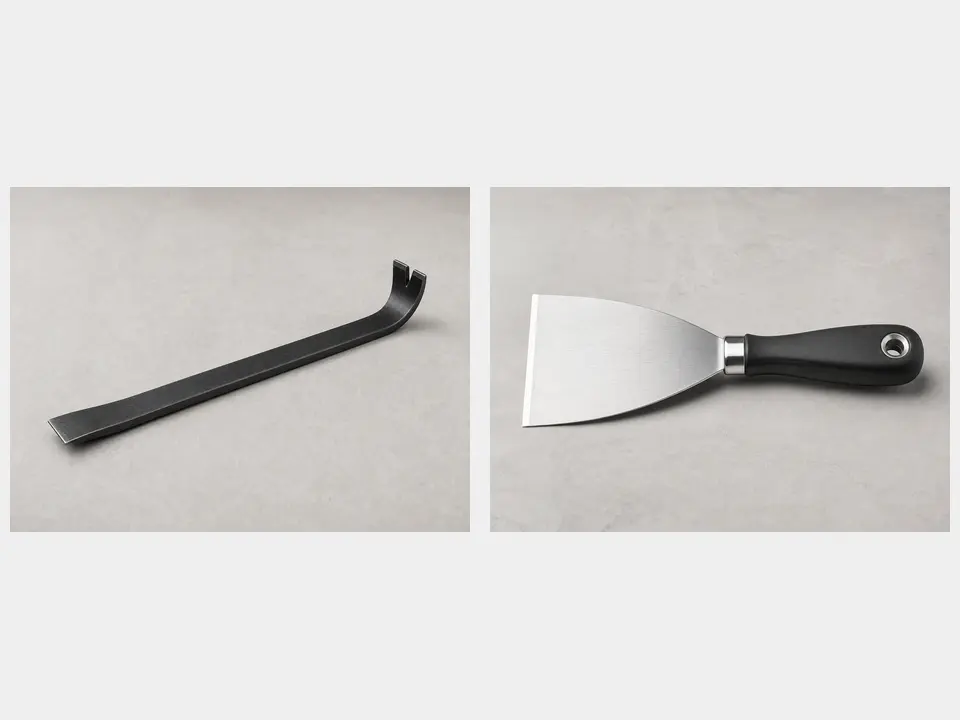
Flat pry bar or stiff putty knife
Use it for: To lift the old strip without tearing up the surrounding floor.
Shop pry bars and putty knivesTo replace a bathroom floor transition strip, remove the loose or damaged strip, clean the joint between the two floors, install a matching replacement, and make sure it sits flat without rocking or leaving sharp edges.
A transition strip covers the edge where two flooring surfaces meet. When it comes loose, cracks, or lifts, it can catch bare feet, hold moisture, and let the floor edge wear out faster. This is usually a manageable homeowner repair as long as the subfloor at the doorway is still solid.
Before you start: Match the replacement part to your exact floor before ordering.
Use it for: To lift the old strip without tearing up the surrounding floor.
Shop pry bars and putty knives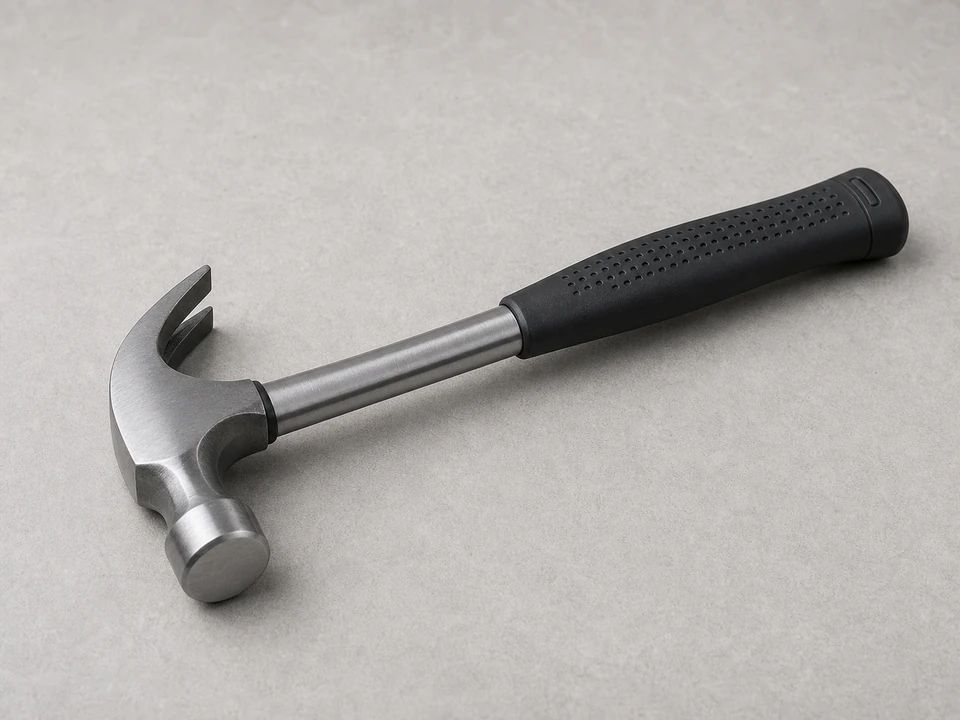
Use it for: To tap up fasteners, set a new strip, or help remove stubborn pieces.
Shop hammers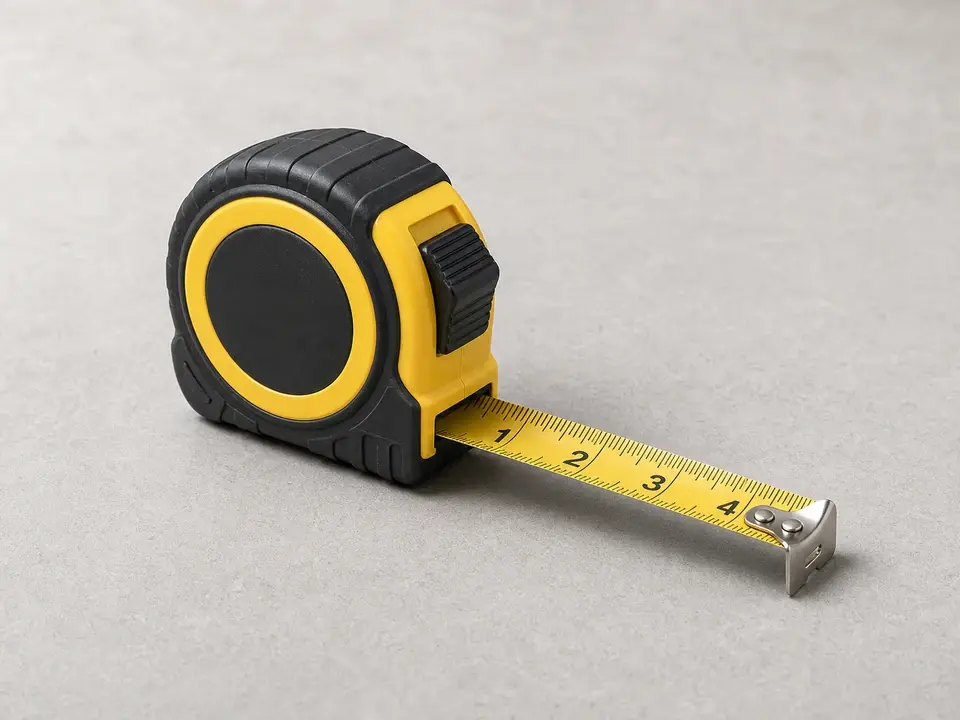
Use it for: To measure the doorway width and confirm the replacement length.
Shop tape measures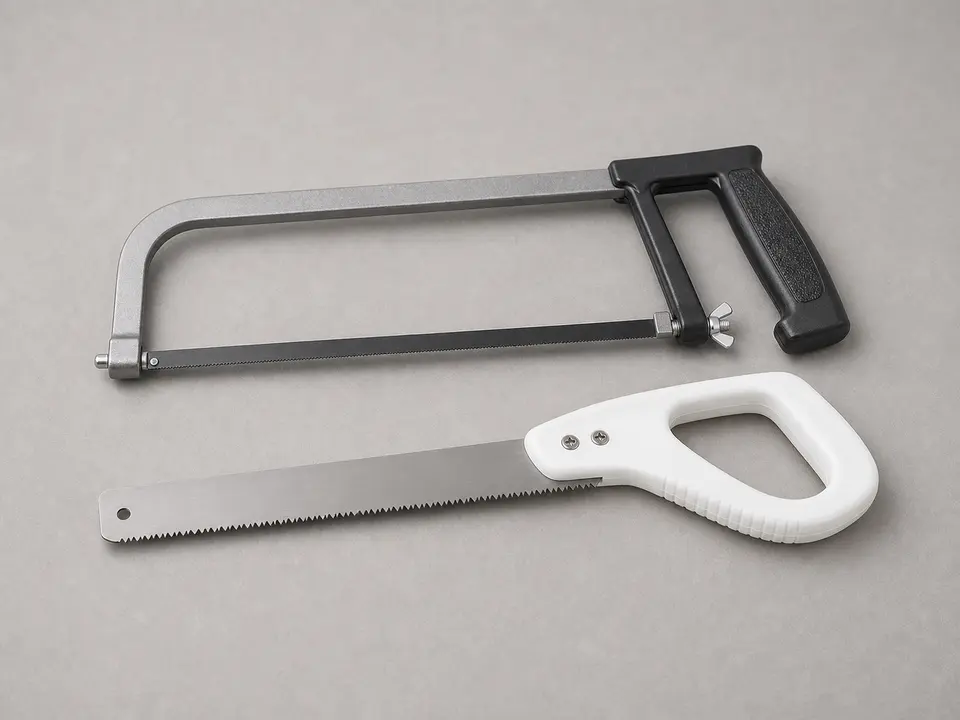
Use it for: To cut the new transition strip to length if it does not come pre-cut.
Shop saws for trim cutting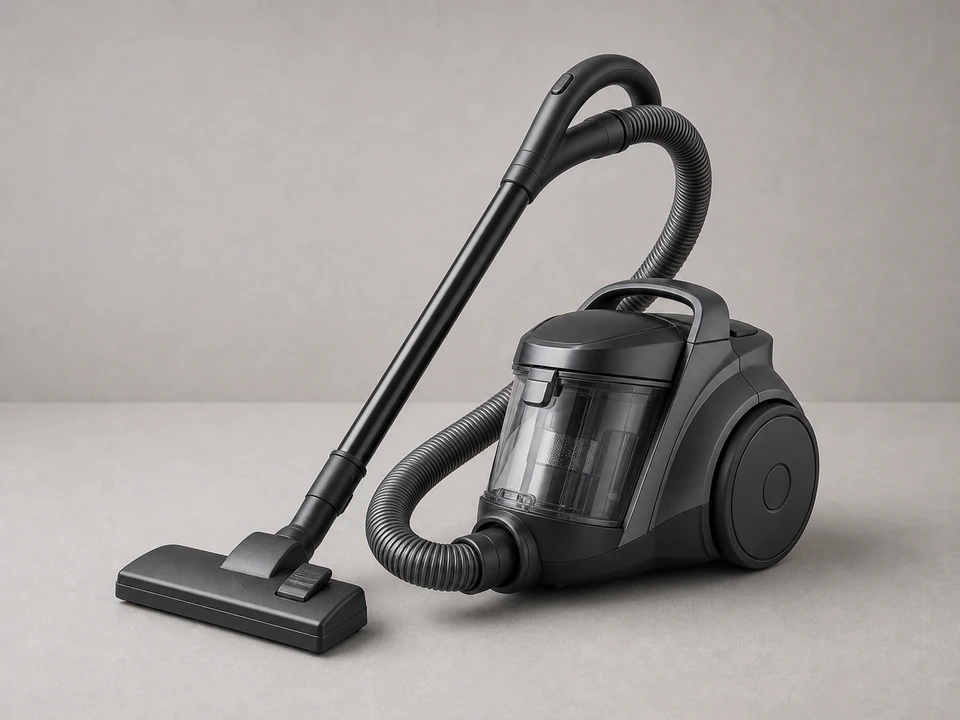
Use it for: To clear grit and debris so the new strip can sit flat.
Shop shop vacs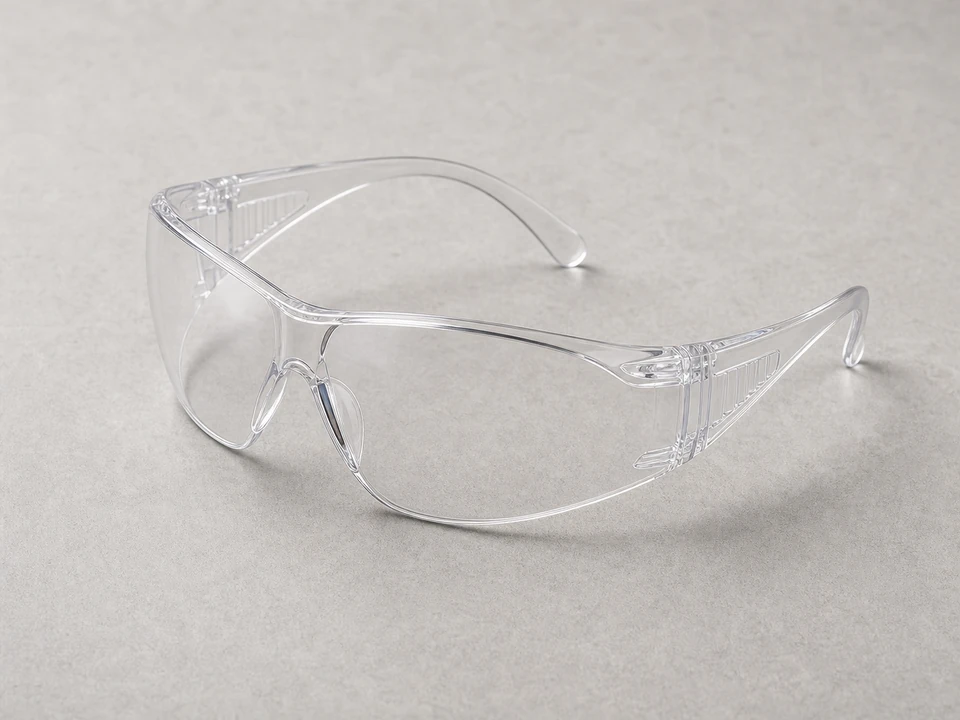
Use it for: To protect your eyes while prying, cutting, or tapping fasteners.
Shop safety glassesAs an Amazon Associate I earn from qualifying purchases. Repair Riot may earn a commission at no extra cost to you.
If it works: You have confirmed the strip is damaged or loose and the floor edges around it still feel solid enough for a straightforward replacement.
If it doesn’t: If the strip seems fine but the floor edge moves, dips, or feels soft, the real repair may be water-damaged flooring or subfloor near the doorway.
If it works: The old transition strip and its loose fasteners are out without major damage to the surrounding floor.
If it doesn’t: If the strip breaks apart during removal, keep working in small sections until all pieces and fasteners are cleared.
If it works: The joint is clean, dry, and flat enough for the new transition strip to fit properly.
If it doesn’t: If the new strip rocks during a dry fit, keep cleaning high spots and debris until it sits flatter.
If it works: The replacement strip fits the opening cleanly and sits in the right position before final installation.
If it doesn’t: If the fit is too tight, remove it and trim a small amount more. If the height or profile is wrong, exchange it for a transition strip made for your floor types and height difference.
If it works: The new transition strip is straight, secure, and fully seated across the doorway.
If it doesn’t: If one section lifts or shifts, remove and reset it before the fastener or adhesive fully sets so the strip does not stay crooked.
If it works: The transition strip stays secure, feels smooth underfoot, and continues to cover the floor joint during normal use.
If it doesn’t: If it loosens again quickly, recheck the fit and the condition of the floor edge below it. Repeated movement usually means the strip style is wrong for the opening or the base below needs repair.
Match the replacement part to your exact floor before ordering.
As an Amazon Associate I earn from qualifying purchases. Repair Riot may earn a commission at no extra cost to you.
Match it to the two floor surfaces at the doorway and the height difference between them. A strip for equal-height floors may not work well if one side sits higher than the other.
Sometimes, but new hardware usually gives a more secure result. If the old fasteners are bent, rusty, stripped, or no longer hold tightly, replace them.
Use the fastening method the replacement strip is designed for. Some strips use a track, some are nailed or screwed, and some are made for adhesive installation. Mixing methods without a reason can lead to a poor fit.
Do not cover it up with new trim. A soft floor edge usually means water damage or a failing subfloor, and that needs repair before the new strip can stay secure.
The most common causes are the wrong strip profile, a dirty or uneven base, or damaged flooring underneath. Fixing the support below the strip is often the real solution.