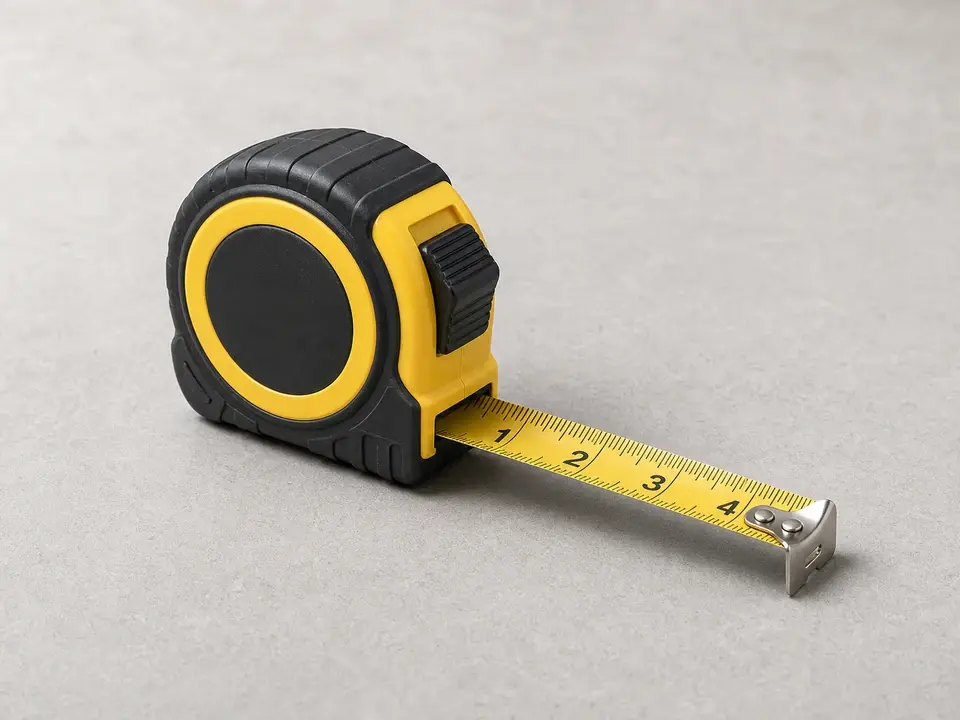
Tape measure
Use it for: To measure the opening length and the width of the old strip so the replacement fits.
Shop tape measuresTo replace a hardwood floor transition strip, first confirm the strip itself is damaged or loose, then remove it without chipping the flooring edges, clean the mounting area, and install a matching replacement that sits flat and stays secure.
A transition strip covers the gap where two floor surfaces meet and protects the exposed edge of the hardwood. When it cracks, lifts, or comes loose, the fix is usually straightforward as long as you match the profile and remove the old piece gently.
Before you start: Match the replacement part to your exact floor before ordering.
Use it for: To measure the opening length and the width of the old strip so the replacement fits.
Shop tape measures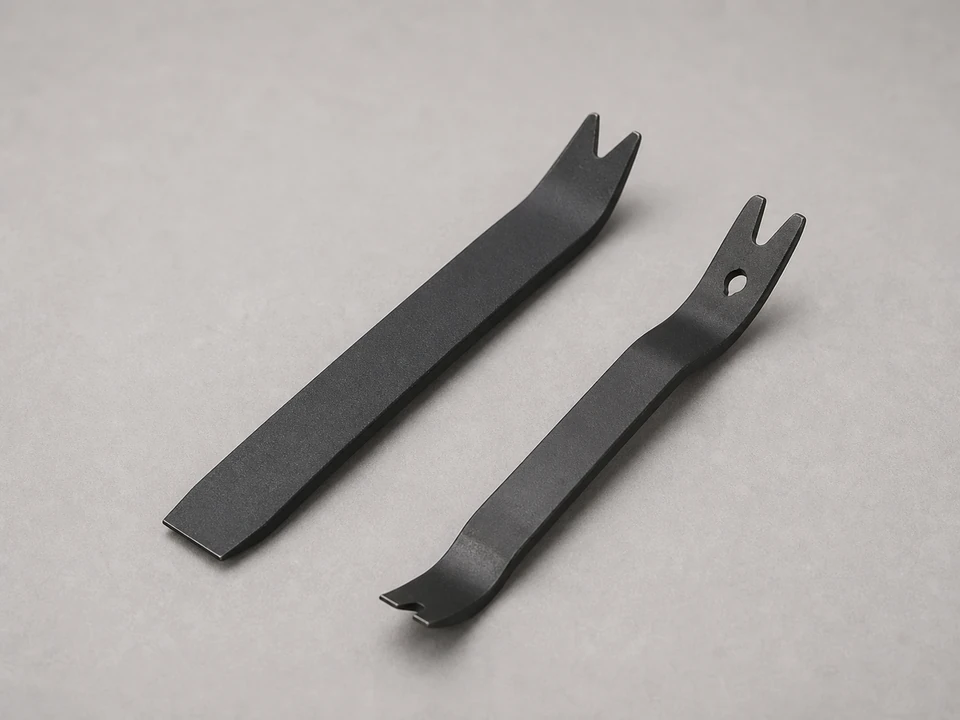
Use it for: To lift the old transition strip with less damage to the surrounding floor.
Shop trim pullers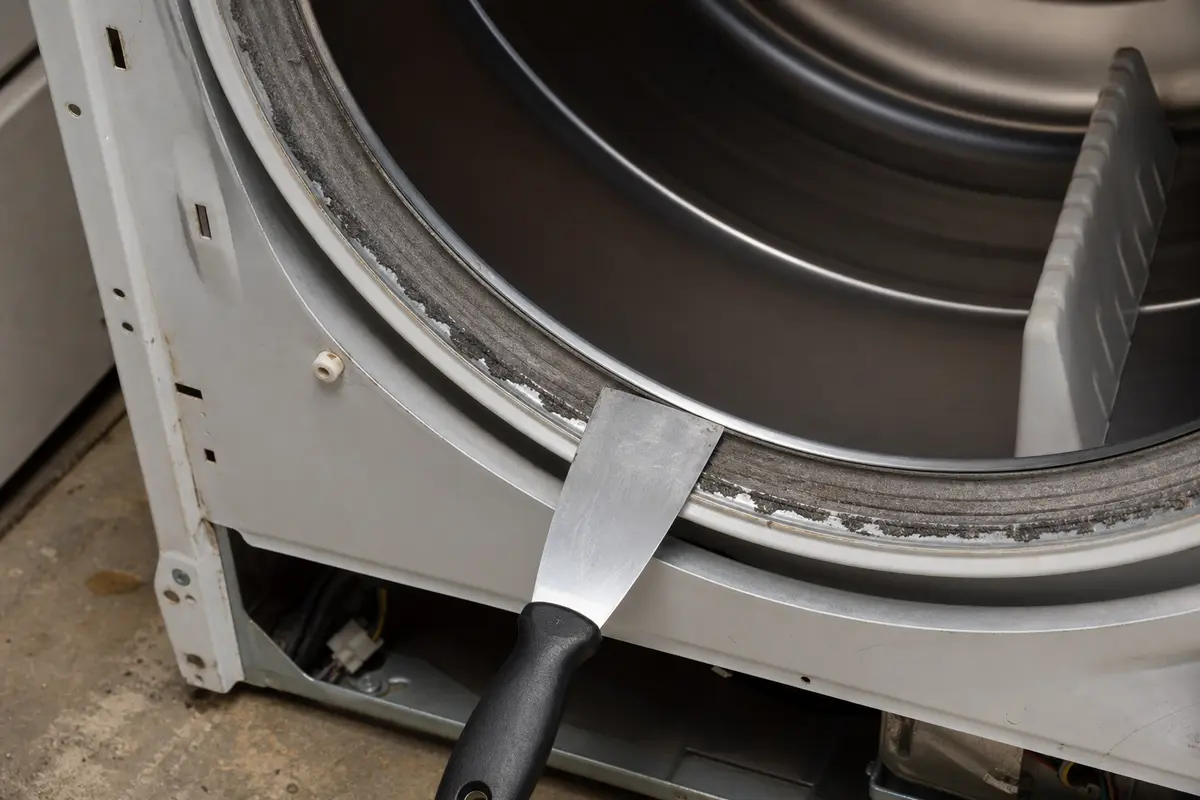
Use it for: To start under the edge, scrape old adhesive, and protect the floor while prying.
Shop putty knives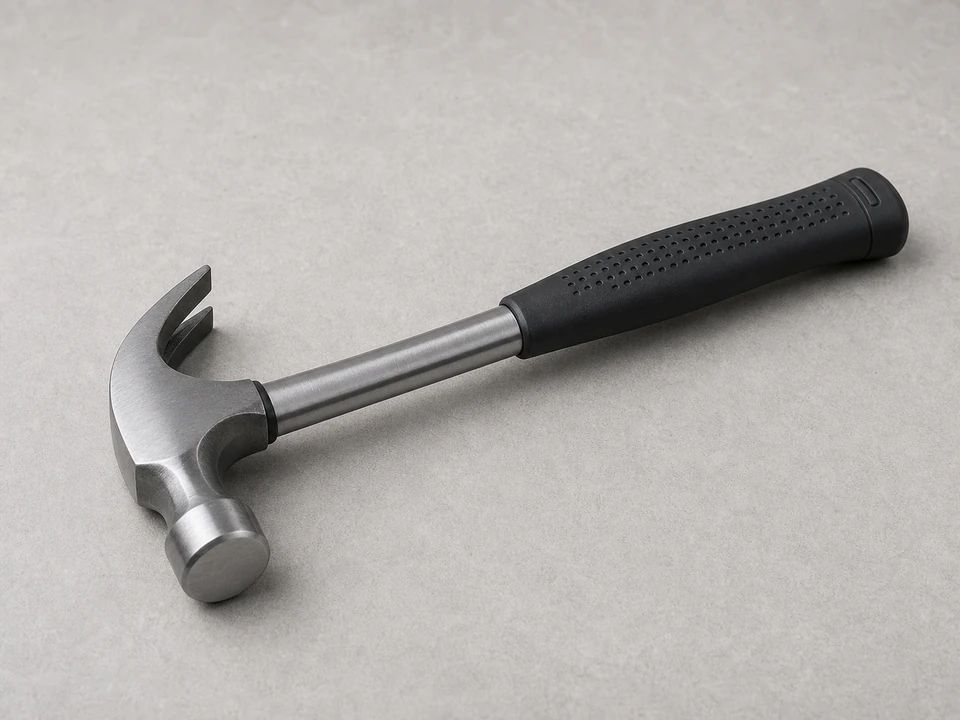
Use it for: To tap the pry tool gently and help seat the new strip if needed.
Shop hammers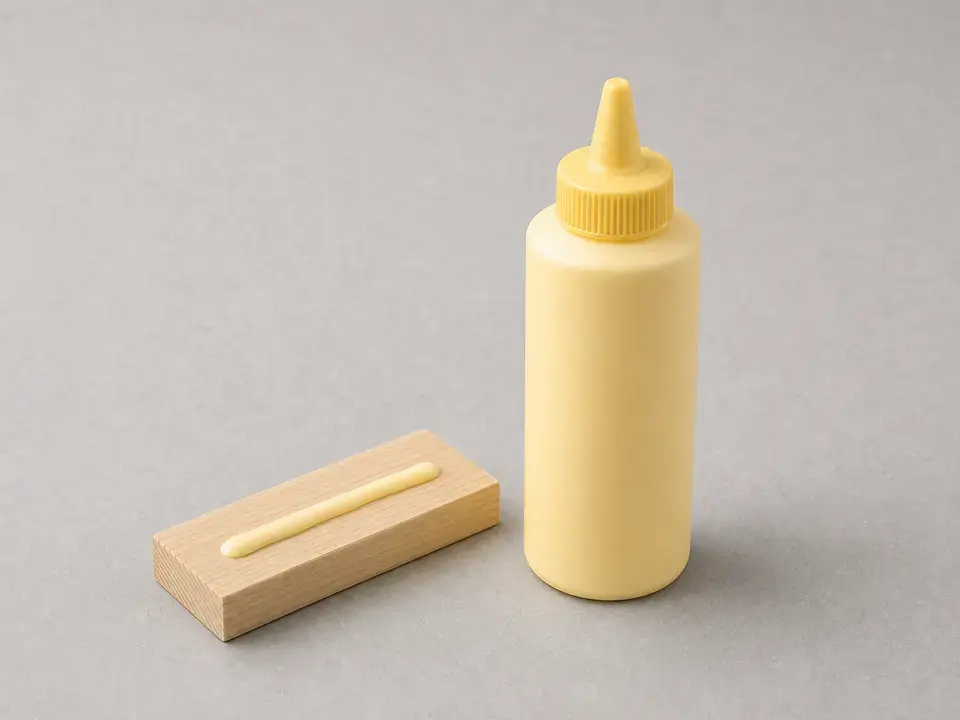
Use it for: To secure a replacement strip when the original was glued down or the mounting surface needs fresh adhesive.
Shop construction adhesive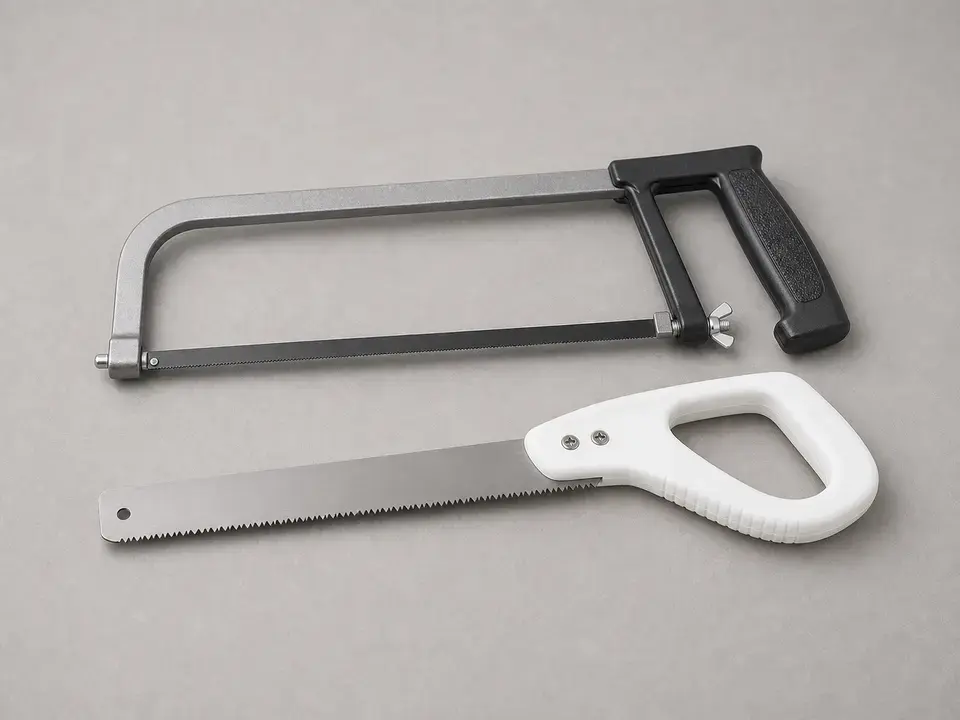
Use it for: To cut the new transition strip cleanly to length.
Shop fine-tooth sawsAs an Amazon Associate I earn from qualifying purchases. Repair Riot may earn a commission at no extra cost to you.
If it works: You have confirmed the transition strip is damaged, loose, or worn out and the surrounding floor edges appear sound enough for a replacement.
If it doesn’t: If the strip is intact and only slightly loose, you may only need to resecure it instead of replacing it.
If it works: You have a replacement strip that matches the opening length, profile, and general attachment style closely enough to install.
If it doesn’t: If you cannot match the profile, remove the old strip first and use it as a sample when shopping for the replacement.
If it works: The old transition strip is removed and the flooring edges on both sides are still intact.
If it doesn’t: If part of the strip breaks off, keep removing it in small sections until the mounting area is fully clear.
If it works: The mounting area is clean, flat, and ready, and the new strip fits the opening without forcing it.
If it doesn’t: If the strip rocks or leaves part of the gap exposed, recheck the profile and trim length before fastening anything.
If it works: The new transition strip is installed straight, secure, and flush enough to walk across without catching a shoe.
If it doesn’t: If one section sits high, lift and reset it before the adhesive cures or before fully tightening the fasteners.
If it works: The transition strip stays in place during normal walking and protects the flooring edge without movement or trip points.
If it doesn’t: If the strip loosens again, the mounting surface or floor edge likely needs repair before another replacement will last.
Match the replacement part to your exact floor before ordering.
As an Amazon Associate I earn from qualifying purchases. Repair Riot may earn a commission at no extra cost to you.
If the strip is intact and still fits the opening well, reattaching it may be enough. Replace it when it is cracked, warped, badly worn, or no longer matches the floor heights and gap.
Match the shape and purpose of the old piece. Some strips bridge equal-height floors, some reduce from hardwood down to a lower surface, and some cover a centered gap. Measuring the old strip and bringing it as a sample helps.
Many can be glued if the mounting surface is clean and stable. The key is using a strip and attachment method that fit the opening and keeping the strip flat while it sets.
That usually points to a root problem such as a damaged mounting surface, loose flooring edge, old adhesive buildup, or the wrong strip profile. Fixing that underlying issue matters more than simply installing another strip.
Only if the visible issue is at the doorway transition itself. If the hardwood boards are separating away from the transition, the floor movement needs its own repair.