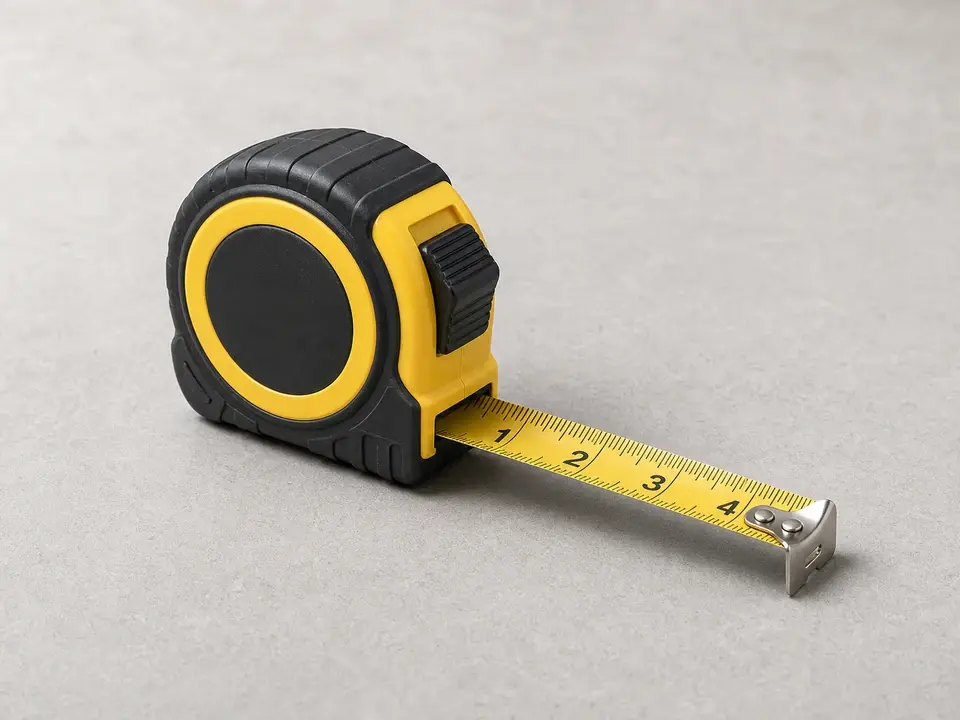
Tape measure
Use it for: To measure the opening length and the width and height difference between the two floors.
Shop tape measuresTo replace a floor transition strip, first confirm the strip itself is loose, bent, cracked, or worn out rather than the flooring underneath. Then remove the old strip carefully, clean the mounting area, cut and fit the new strip, secure it the way its design requires, and test it under normal foot traffic.
A transition strip covers the gap where two floor surfaces meet and helps prevent edge damage and trip hazards. This is usually a manageable homeowner repair if the subfloor and flooring edges are still solid.
Before you start: Match the replacement part to your exact floor before ordering.
Use it for: To measure the opening length and the width and height difference between the two floors.
Shop tape measures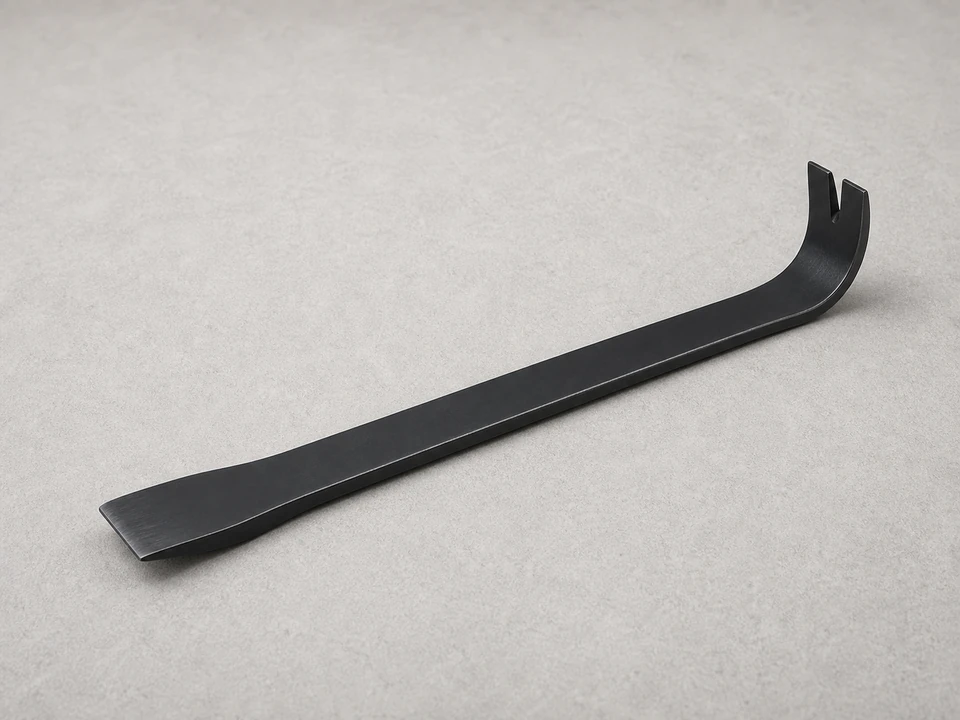
Use it for: To lift the old strip without tearing up the surrounding flooring more than necessary.
Shop pry bars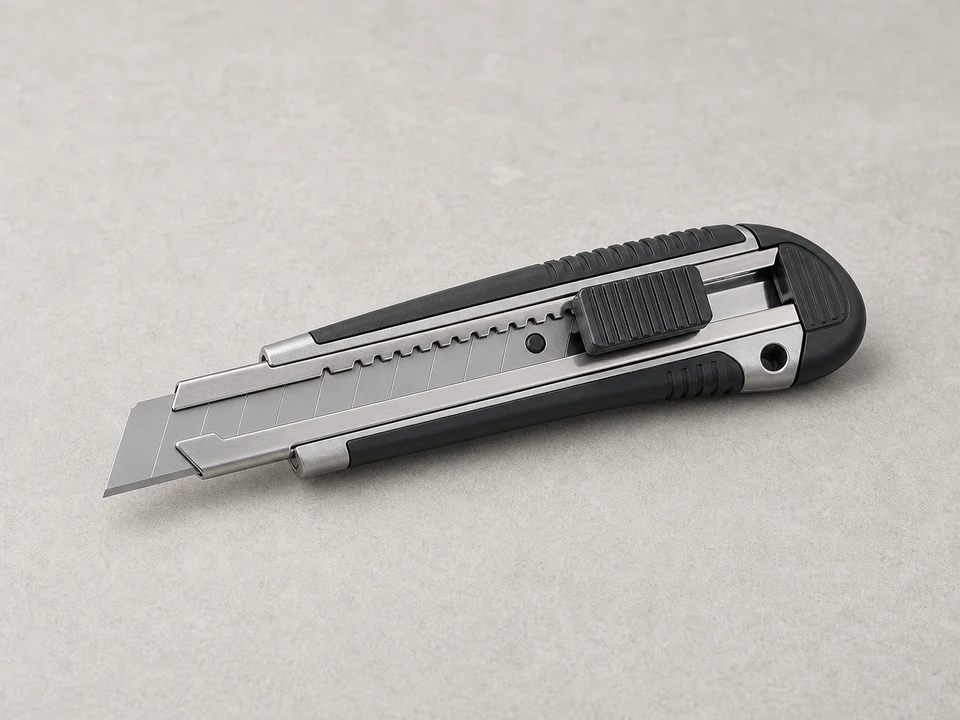
Use it for: To score caulk, paint, or adhesive at the edges before removal and trim light material if needed.
Shop utility knives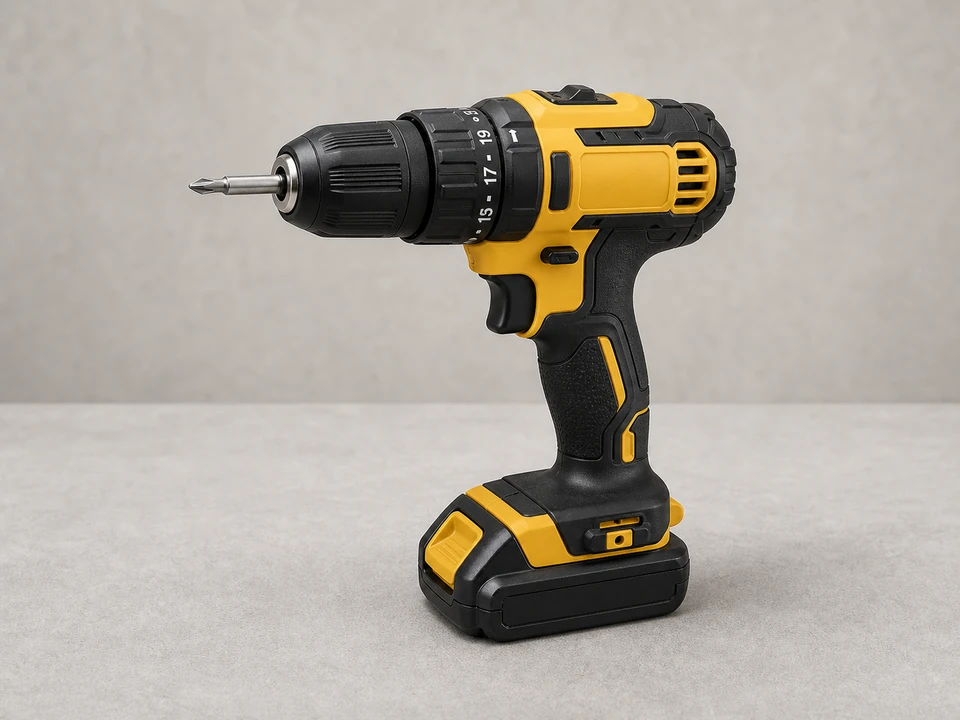
Use it for: To remove screws or install the new strip if it uses fasteners.
Shop drill drivers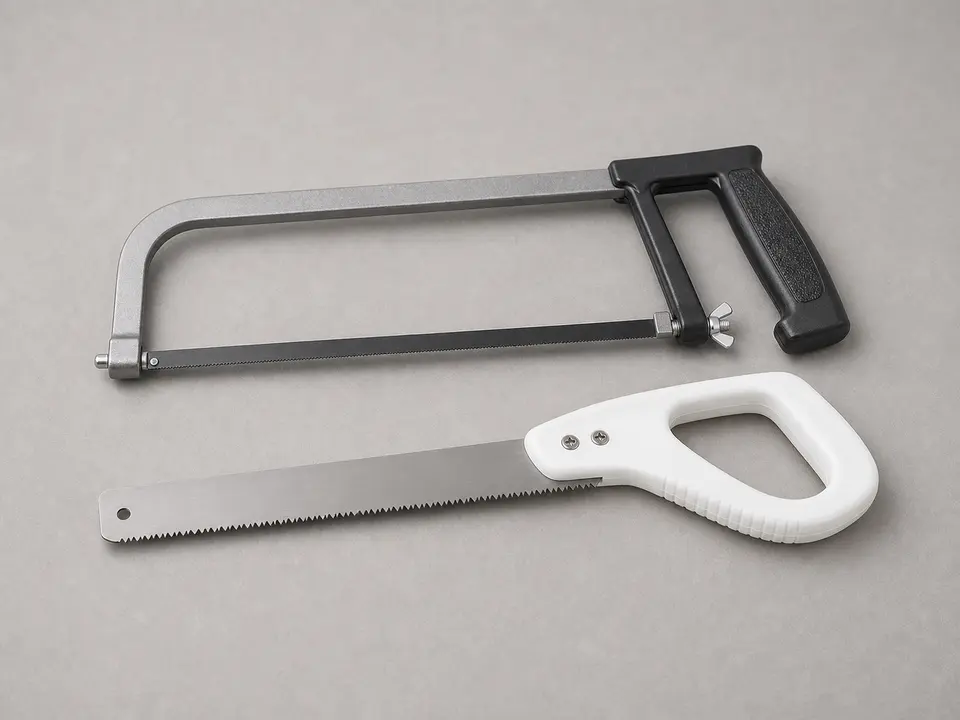
Use it for: To cut the replacement strip to length cleanly.
Shop saws for trim cuts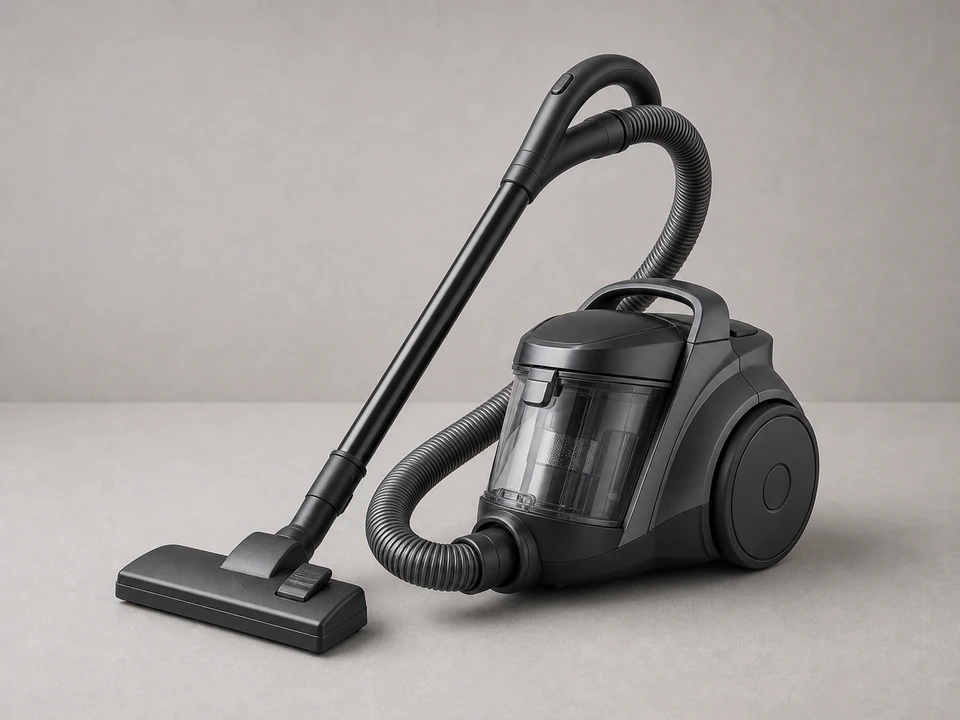
Use it for: To clear dust and debris so the new strip sits flat and bonds or fastens properly.
Shop shop vacsAs an Amazon Associate I earn from qualifying purchases. Repair Riot may earn a commission at no extra cost to you.
If it works: You have confirmed the strip is damaged or loose and the flooring edges underneath appear solid enough for a replacement.
If it doesn’t: If the strip looks fine but the floor edges move, squeak, or crumble, address the flooring or subfloor issue first.
If it doesn’t: If one section lifts or flexes, remove that section and correct the fastener spacing, track alignment, or debris underneath.
If it works: The strip stays put, feels solid underfoot, and leaves a smooth transition between the two floors.
If it doesn’t: If the strip loosens again quickly, the root problem is usually the wrong profile, weak mounting surface, or damaged flooring edge underneath.
Match the replacement part to your exact floor before ordering.
As an Amazon Associate I earn from qualifying purchases. Repair Riot may earn a commission at no extra cost to you.
You need a strip that matches the floor types and the height difference at that doorway or seam. The old one is a good starting point, but match the profile and fit first, then the finish.
Only if the replacement strip is designed for adhesive installation and the mounting surface is clean and sound. Many strips hold better with their intended track or fasteners.
Minor roughness can sometimes be cleaned up, but broken or soft flooring edges usually need repair before a new strip will stay secure. Otherwise the replacement may loosen or leave a trip edge.
Measure the opening at the exact installation spot and buy a piece long enough to cut to final size. It is usually easier to trim a longer piece than to make a short one work.
Common causes are the wrong profile for the floor height, worn-out fasteners, a damaged mounting track, adhesive failure, or movement in the flooring edge underneath.