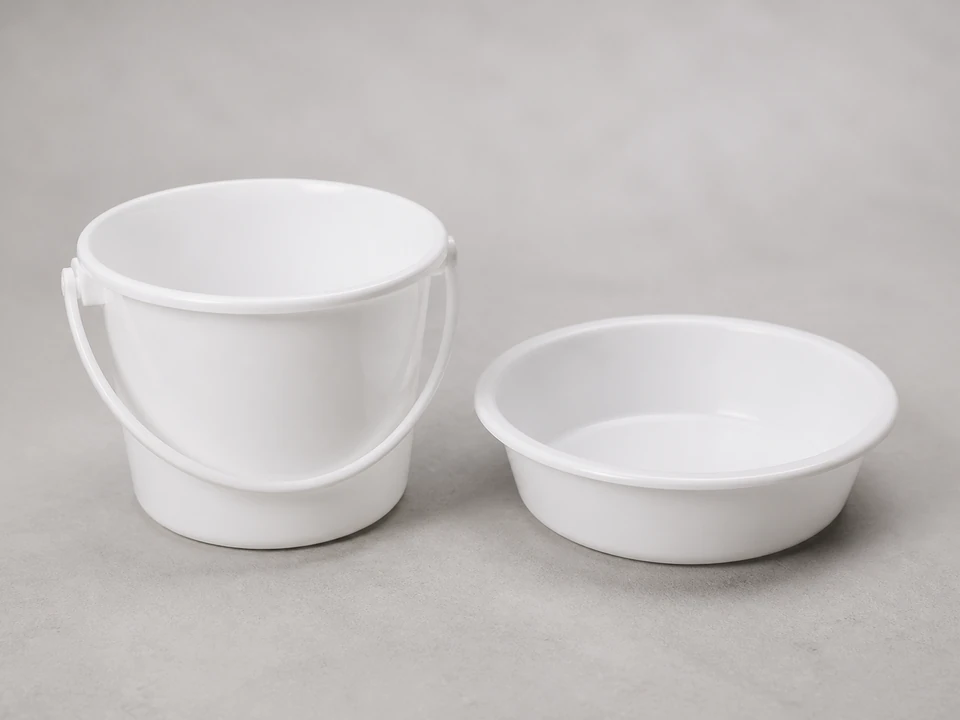
Small bucket or bowl
Use it for: Catches the water left in the trap when you loosen the drain connections.
Shop small bucket for drain workIf your bathroom sink leaks from a slip-joint connection at the trap or tailpiece, replacing the slip joint washers is usually a quick fix.
These washers seal the hand-tightened drain connections under the sink. When they dry out, split, flatten, or get installed crooked, water can drip each time the sink drains. The job is usually simple: confirm the leak is at a slip-joint nut, swap in matching washers, tighten the joints evenly, and test the sink again.
Before you start: Match the replacement part to your exact bathroom sink before ordering.
Use it for: Catches the water left in the trap when you loosen the drain connections.
Shop small bucket for drain work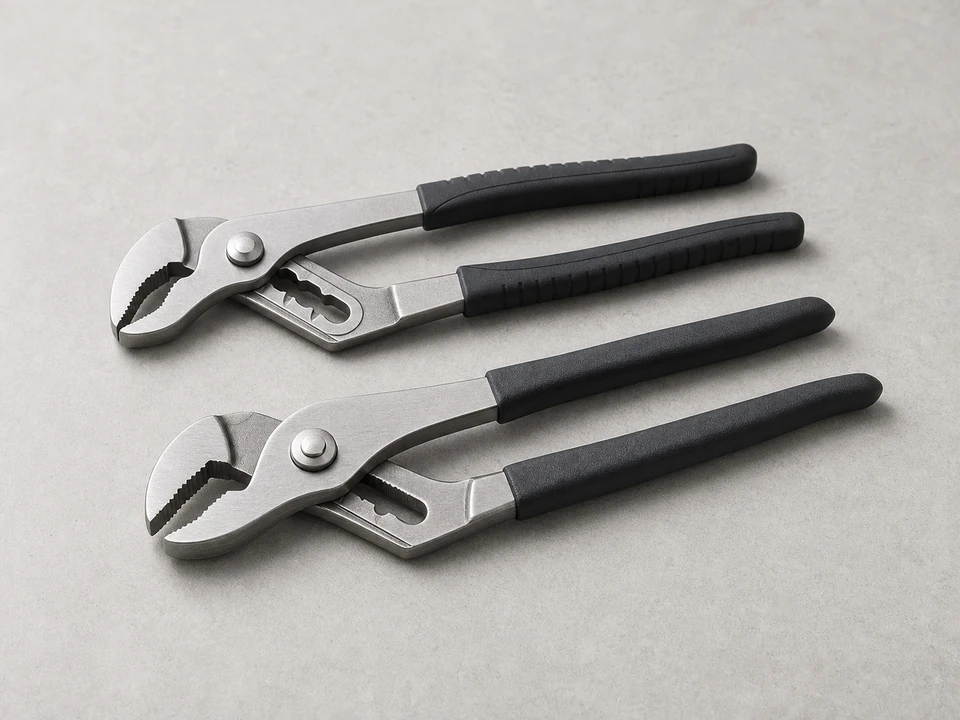
Use it for: Helps loosen or snug slip-joint nuts if they are stuck or overtightened.
Shop channel-lock pliers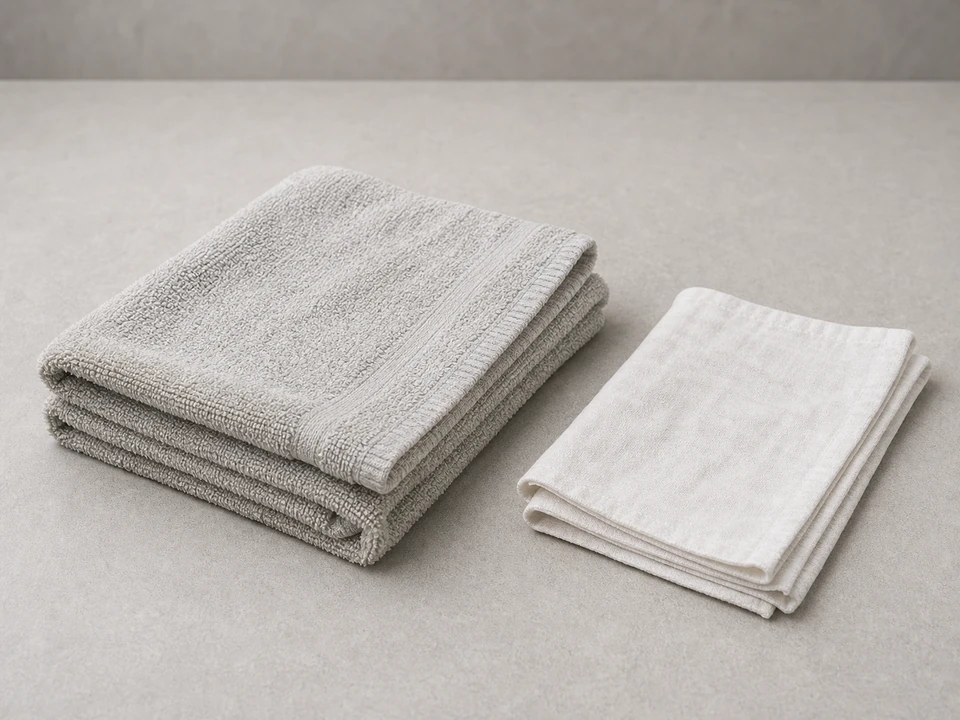
Use it for: Protects the cabinet bottom and wipes the pipe clean before reassembly.
Shop absorbent shop towels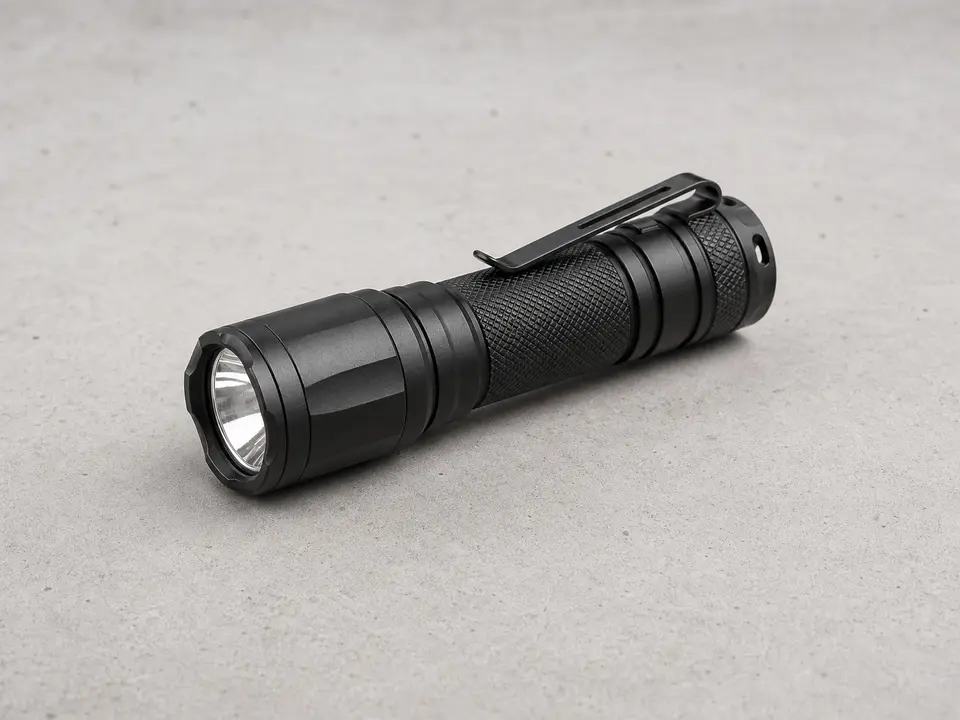
Use it for: Lets you see exactly which drain joint is leaking under the sink.
Shop LED flashlight
Use it for: Provides matching washers for the leaking trap or tailpiece connection.
Find replacement slip joint washer setAs an Amazon Associate I earn from qualifying purchases. Repair Riot may earn a commission at no extra cost to you.
If it works: You have confirmed the drip starts at a slip-joint connection, which makes worn or misaligned washers the right repair to try first.
If it doesn’t: If the water is coming from the sink drain flange, a cracked trap, or the supply plumbing, fix that problem instead of replacing the slip joint washers.
If it doesn’t: If you see a small drip, tighten the leaking nut just a little more and test again. If it still leaks, reopen the joint and check the washer fit and orientation.
If it works: The area stays dry through normal use, confirming the new slip joint washers are sealing properly.
If it doesn’t: If dampness returns only during heavy draining, inspect the repaired joint again and replace any damaged nut or misaligned trap section that is preventing a good seal.
Match the replacement part to your exact bathroom sink before ordering.
As an Amazon Associate I earn from qualifying purchases. Repair Riot may earn a commission at no extra cost to you.
A bad slip joint washer usually causes dripping right at a hand-tightened drain nut when the sink drains. If the leak starts higher up at the drain flange or from a cracked pipe, the washer is not the main problem.
Usually no. Slip-joint connections seal with the washer, not the threads. The important part is using the right washer, installing it in the correct direction, and tightening the nut evenly.
It is better to replace it. Old washers often flatten, harden, or take a set, and they may leak again once disturbed.
The most common causes are the wrong washer size, backward washer orientation, a crooked connection, overtightening, or a damaged nut or pipe end that cannot seal properly.
If one slip-joint washer has failed and the others are the same age, replacing the other easy-to-reach washers at the trap can save you from another leak soon after.