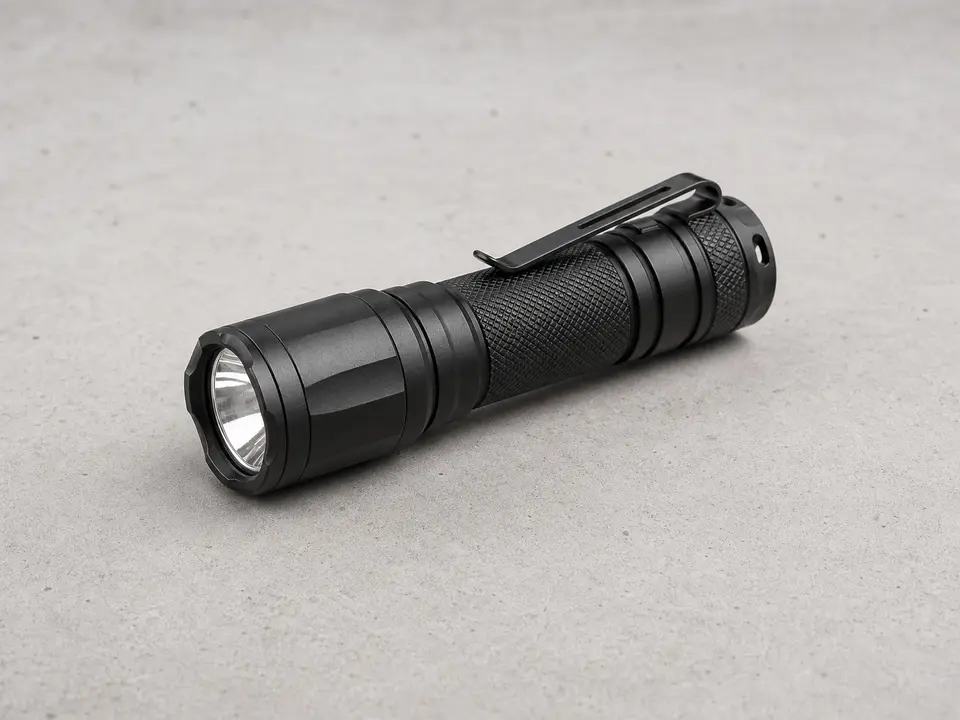
Flashlight
Use it for: Helps you see the pivot rod, retaining nut, and linkage under the sink.
Shop flashlightsTo replace a bathroom sink pop-up stopper, first confirm the stopper itself is bent, worn, missing, or no longer catching the lift rod correctly. Then remove the old stopper from the drain, install the matching replacement, reconnect the linkage if needed, and test that the sink seals and drains smoothly.
This is a manageable repair for most homeowners. The main goal is to replace the stopper without damaging the drain linkage under the sink or ordering the wrong style.
Before you start: Match the drain size, stopper style, and linkage compatibility before ordering.
Use it for: Helps you see the pivot rod, retaining nut, and linkage under the sink.
Shop flashlights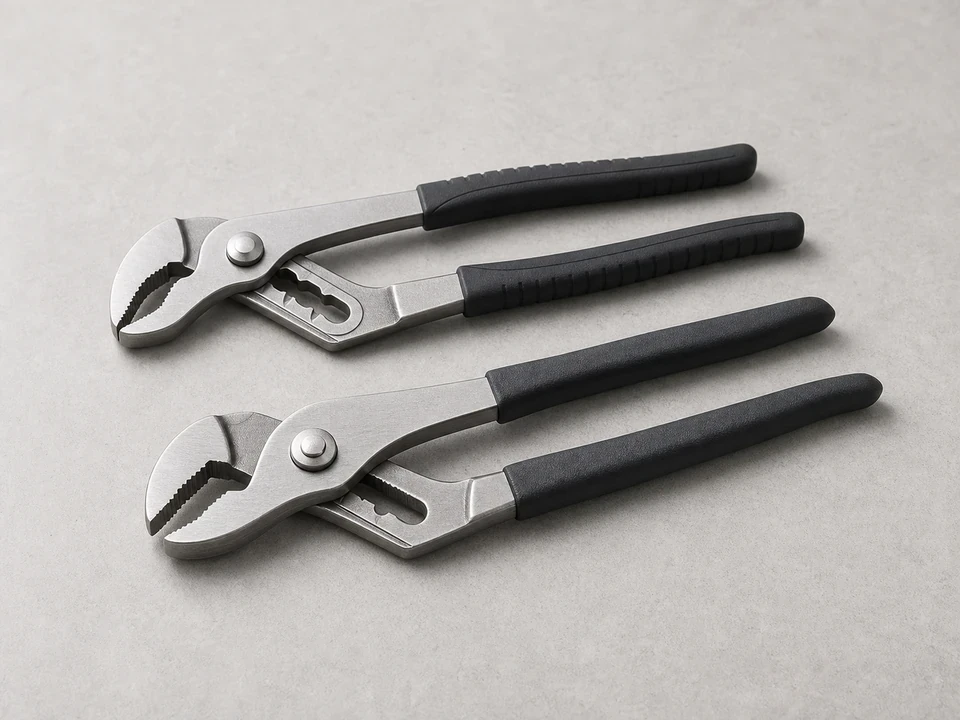
Use it for: Useful for loosening or snugging the pivot nut if it is stuck by hand.
Shop adjustable pliers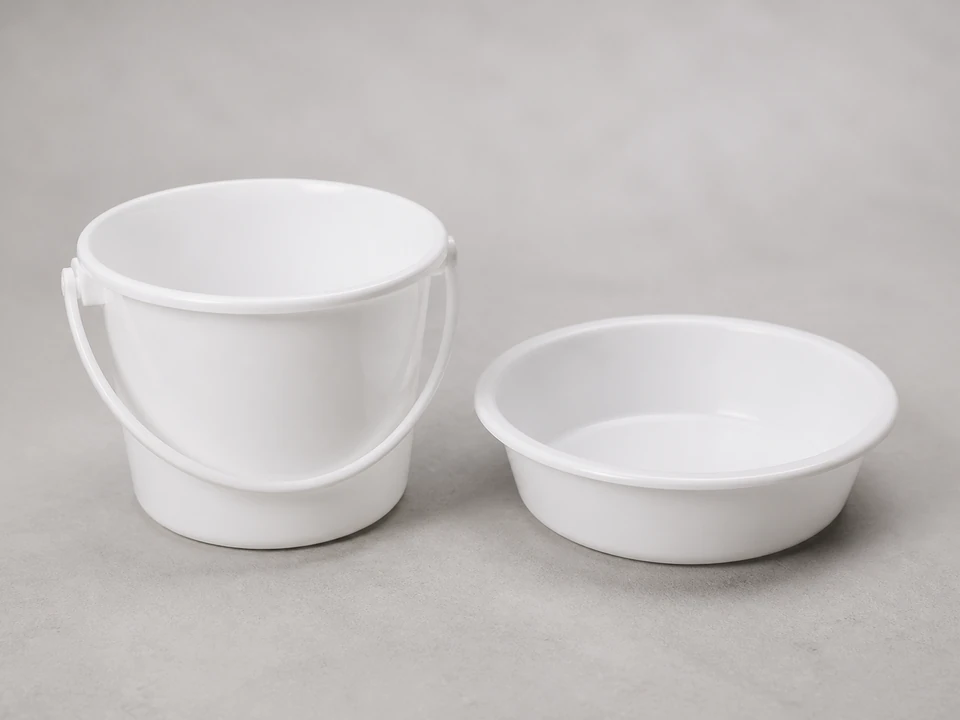
Use it for: Catches any water that drips when you open the drain linkage.
Shop small utility buckets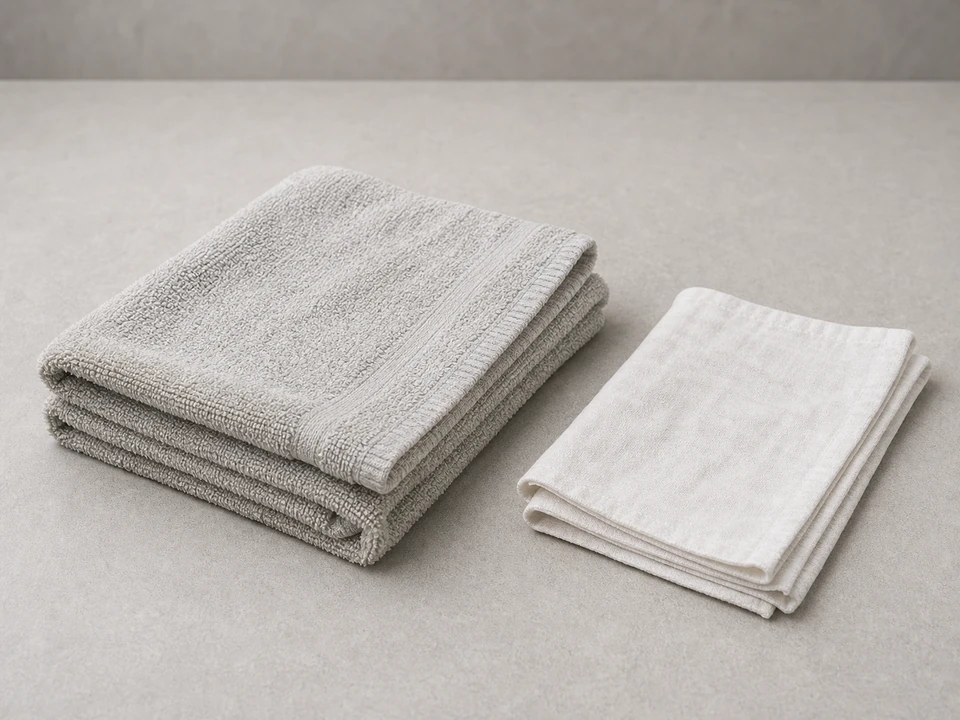
Use it for: Protects the cabinet floor and wipes off grime from the stopper and linkage.
Shop cleaning rags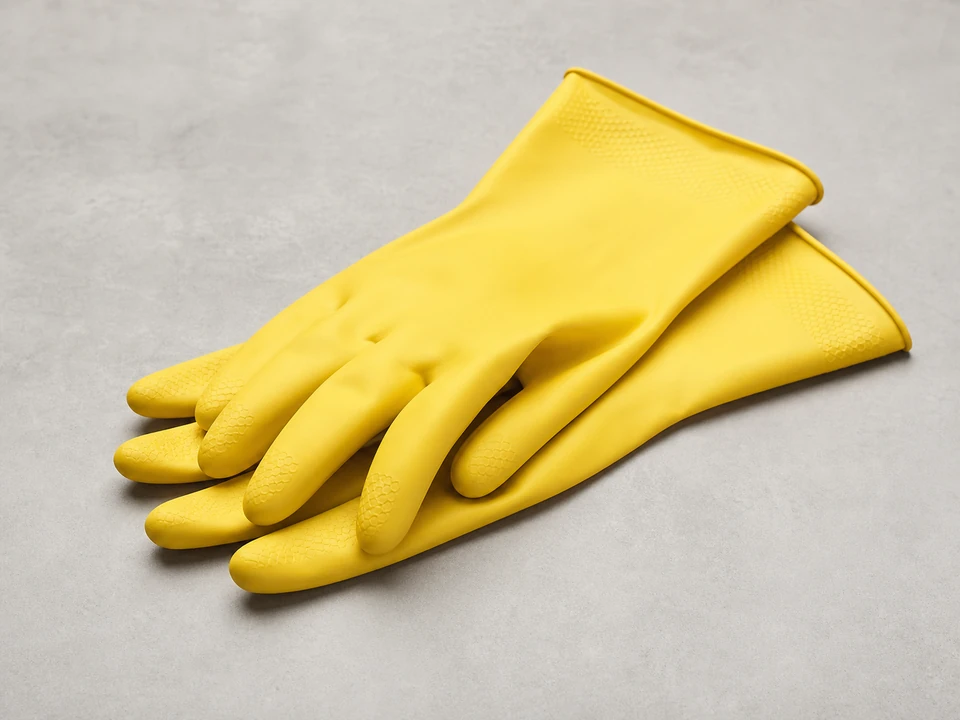
Use it for: Keeps your hands cleaner when handling old drain buildup.
Shop rubber cleaning glovesAs an Amazon Associate I earn from qualifying purchases. Repair Riot may earn a commission at no extra cost to you.
If it works: You have confirmed the bathroom sink pop-up stopper is worn out, damaged, missing, or not working correctly with the linkage.
If it doesn’t: If the stopper looks fine but the sink still drains slowly, clean the drain and linkage first before replacing parts.
If it works: The linkage is disconnected and the pivot rod is free to release the old stopper.
If it doesn’t: If the nut will not loosen, apply steady pressure and try again without forcing the drain body to turn.
If it works: The old stopper is out and the drain opening is clean enough for the new part to move smoothly.
If it doesn’t: If the stopper will not lift out, rotate it slightly while pulling up to free the pivot connection.
If it works: The new stopper is seated in the drain and captured correctly by the pivot rod.
If it doesn’t: If the stopper binds, remove it and realign the pivot hole toward the back before tightening again.
If it works: The lift rod now opens and closes the stopper with a smooth, controlled motion.
If it doesn’t: If the stopper will not seal or open enough, reposition the clip on the strap and test again.
If it works: The sink holds water, drains properly, and shows no leaks or loose linkage under the sink.
If it doesn’t: If water leaks at the pivot nut, snug it slightly and retest. If the stopper still will not seal or move correctly, recheck part fit and linkage adjustment.
Match the drain size, stopper style, and linkage compatibility before ordering.
As an Amazon Associate I earn from qualifying purchases. Repair Riot may earn a commission at no extra cost to you.
Usually no. If the drain body is in good shape and not leaking, you can often replace just the stopper. If the drain is cracked, badly corroded, or loose in the sink, the larger assembly may need attention too.
The most common causes are the wrong stopper style, the pivot rod missing the stopper hole, or worn linkage hardware under the sink. Recheck alignment and fit before forcing anything.
Yes. This repair is done at the drain, not the supply lines. You may still get a small amount of water dripping from the drain linkage, so keep a towel and bucket underneath.
A slow drain usually means buildup farther down in the drain, not just a bad stopper. Clean out hair and sludge from the drain and trap area if the new stopper moves correctly but water still drains slowly.
Tight enough to prevent leaks but loose enough for the stopper to move freely. If you overtighten it, the stopper can bind or the nut can crack.