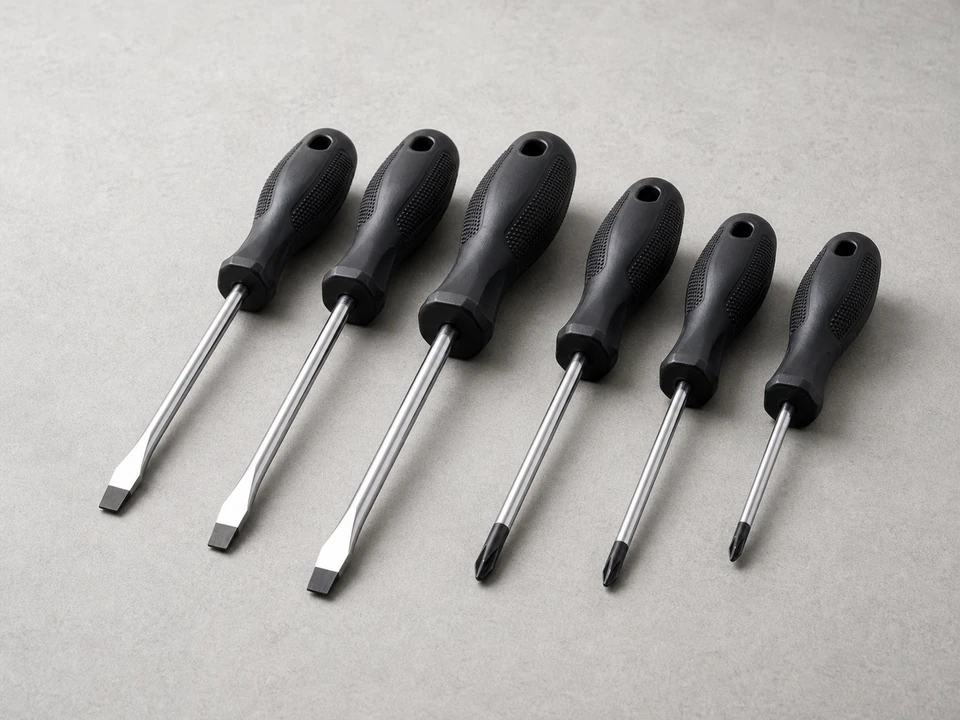
Screwdriver set
Use it for: To remove the handle screw, trim screws, and access parts around the faucet.
Shop screwdriver setsIf your bathtub faucet drips, will not shut off fully, or the handle feels stripped or hard to turn, replacing the bathtub faucet stem assembly is often the right fix.
This repair is usually straightforward if you can shut off the water and remove the handle without damaging the trim. The key is matching the new stem assembly to the old one and checking the valve body for damage before you put everything back together.
Before you start: Match the replacement part to your exact bathtub before ordering.
Use it for: To remove the handle screw, trim screws, and access parts around the faucet.
Shop screwdriver sets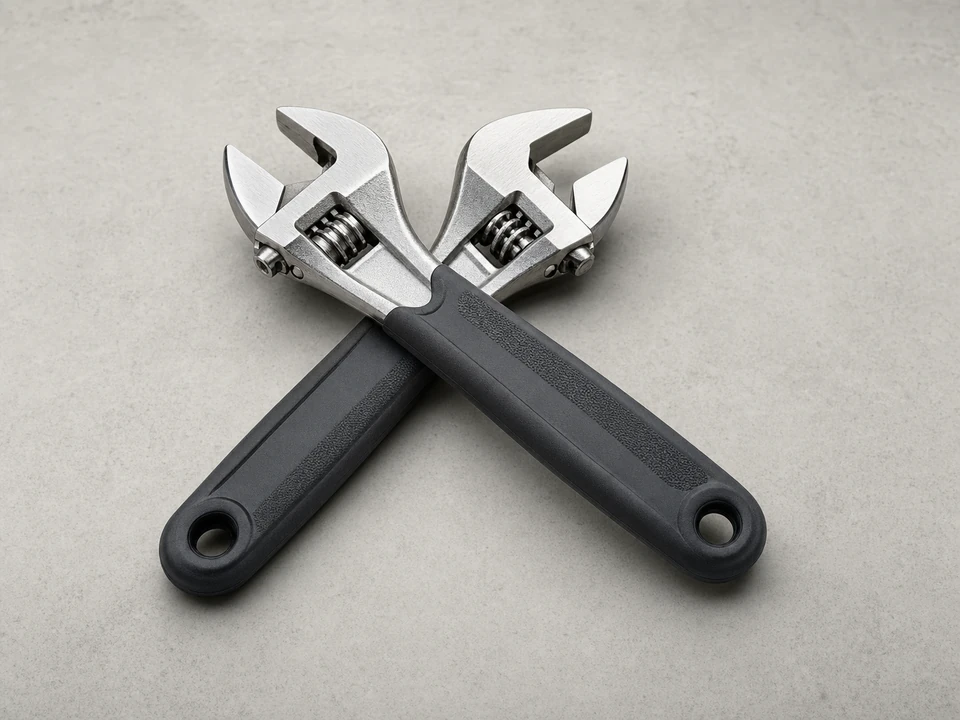
Use it for: To loosen and tighten the stem assembly and retaining parts.
Shop adjustable wrenches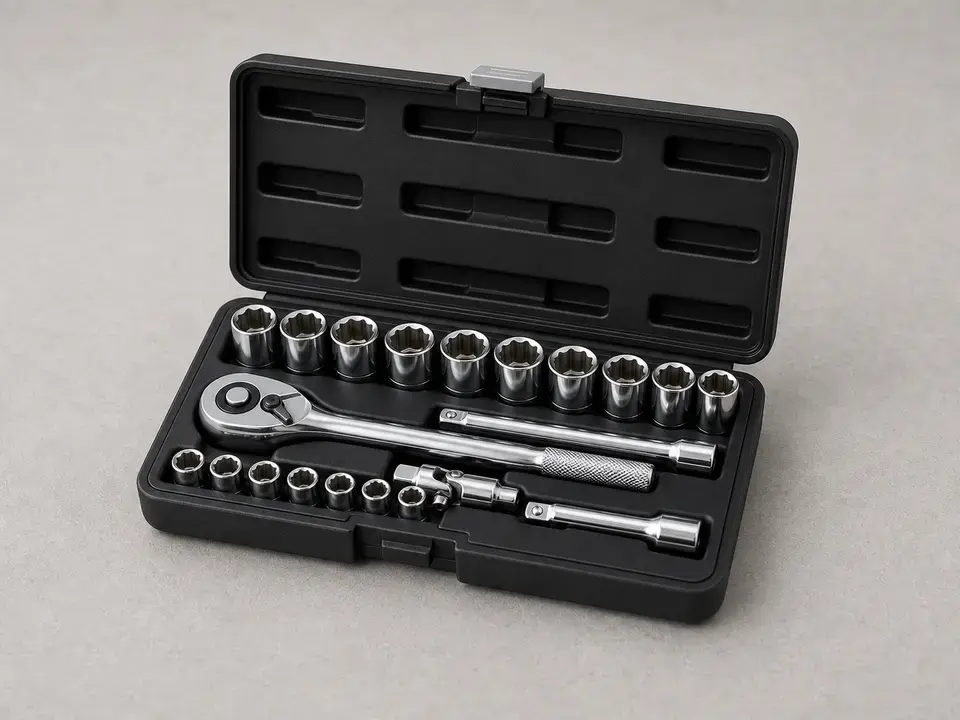
Use it for: To remove recessed bathtub faucet stems without rounding the flats.
Shop faucet stem socket sets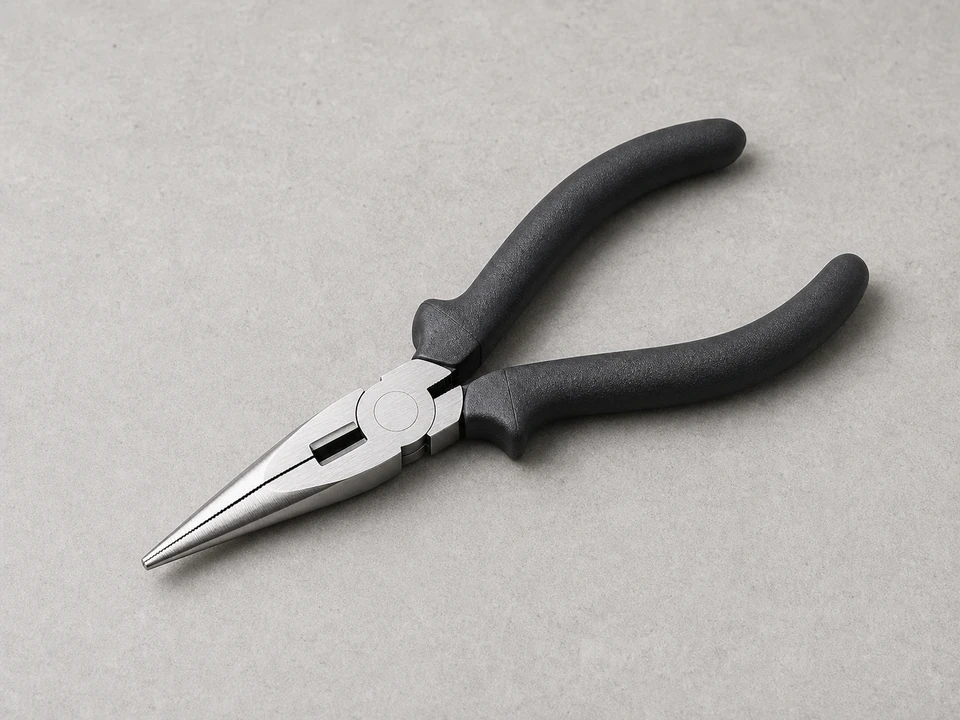
Use it for: To pull clips, small washers, or stubborn trim pieces.
Shop needle-nose pliers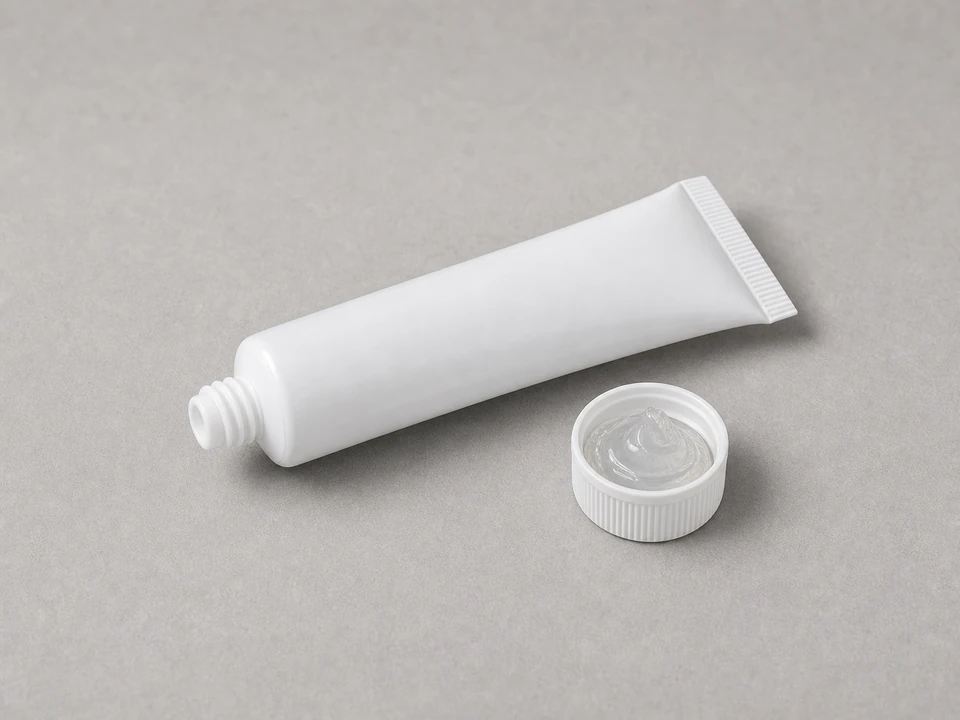
Use it for: To lightly lubricate seals and threads where appropriate during reassembly.
Shop plumber's grease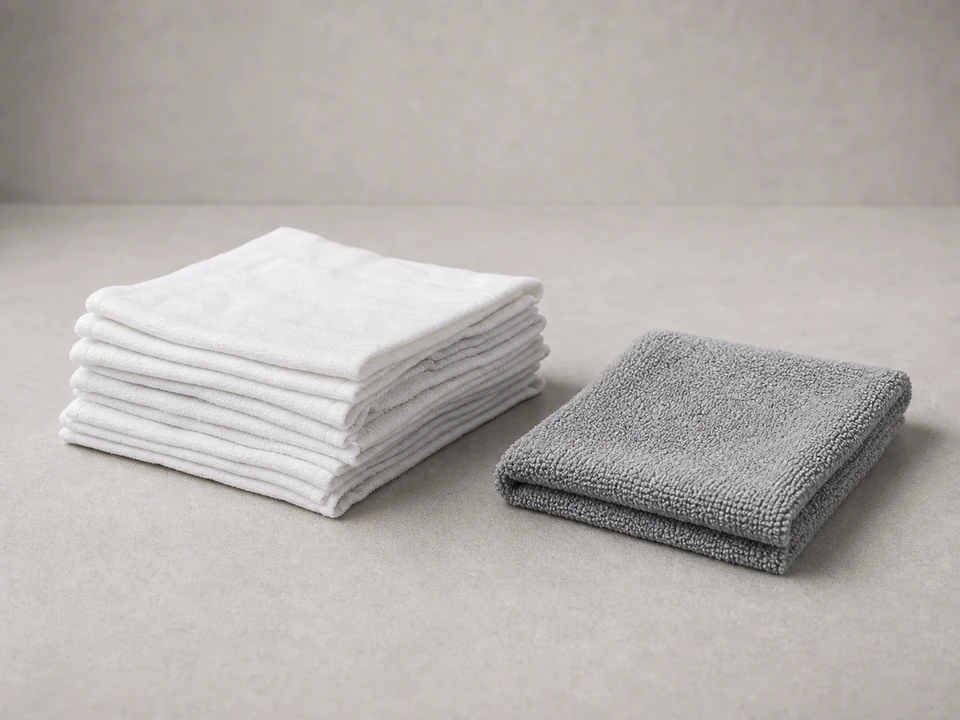
Use it for: To protect the tub finish, catch drips, and wipe debris from the valve area.
Shop microfiber cleaning clothsAs an Amazon Associate I earn from qualifying purchases. Repair Riot may earn a commission at no extra cost to you.
If it works: The symptoms point to a worn or damaged stem assembly, and you have a replacement that appears to match the old part.
If it doesn’t: If the faucet only leaks around the handle trim while running, the packing or seal may be the main issue. If the spout leak changes when you wiggle the handle, the stem is still a likely repair.
If it works: Water is off, pressure is relieved, and the work area is protected.
If it doesn’t: If water still flows steadily, recheck the shutoff valves or use the main shutoff before continuing.
If it works: The stem assembly is exposed and you have clear access to remove it.
If it doesn’t: If the handle is stuck, apply steady hand pressure and gentle back-and-forth movement. A handle puller can help if corrosion has locked it in place.
If it works: The old stem assembly is out, and the new one matches it closely enough to install.
If it doesn’t: If the stem will not break loose, apply steady pressure with the correct socket and make sure you are turning the removable part, not twisting the valve body in the wall.
If it works: The new stem assembly is seated properly, the handle turns smoothly, and the trim is back in place.
If it doesn’t: If the stem does not thread in smoothly by hand, back it out and realign it before tightening.
If it works: The faucet turns on and off normally, the drip is gone, and there are no leaks around the handle or wall trim.
If it doesn’t: If the drip is better but not gone, the replacement may be mismatched or the valve seat inside the faucet body may also be worn.
Match the replacement part to your exact bathtub before ordering.
As an Amazon Associate I earn from qualifying purchases. Repair Riot may earn a commission at no extra cost to you.
Common signs are a tub spout that keeps dripping after shutoff, a handle that spins or feels stripped, or a valve that is very hard to turn. If the leak is only around the handle while the faucet is running, a packing or seal issue may also be involved.
Only if there are no working local shutoff valves for that bathtub faucet. You need the water fully off before removing the stem assembly.
Sometimes, but replacing the full stem assembly is often the more reliable repair when the stem is worn, the handle connection is damaged, or you want to avoid reopening the faucet soon.
Do not install it if the length, threads, washer end, or handle connection differ in a meaningful way. A near match can leak, bind, or damage the valve body.
The replacement may be the wrong fit, the valve seat may be worn, or there may be damage inside the faucet body. If the drip continues after a correct installation, the problem is likely deeper than the stem alone.