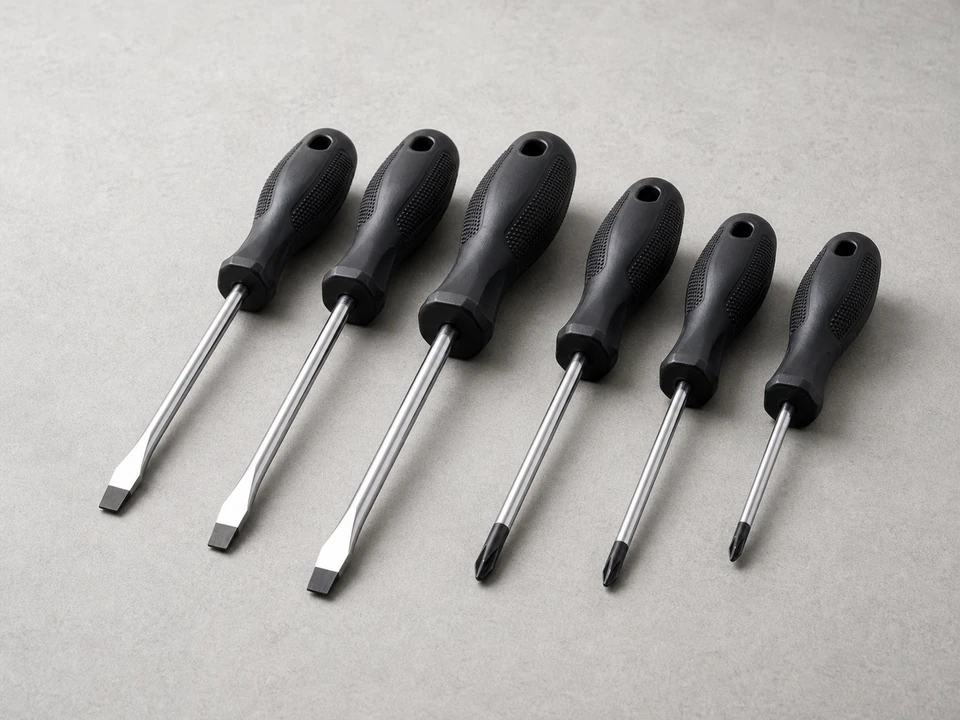
Screwdriver set
Use it for: To remove the handle screw and trim pieces.
Shop screwdriver setIf your bathtub faucet drips, squeals, or does not shut off firmly, worn stem washers are a common cause. Replacing them usually means shutting off the water, removing the handle and stem, swapping the old washers for matching new ones, and testing for a clean shutoff.
This is a straightforward repair for many older two-handle tub faucets. Work slowly, keep parts in order, and bring the old washers with you if you need help matching size and shape.
Before you start: Match the replacement part to your exact faucet before ordering.
Use it for: To remove the handle screw and trim pieces.
Shop screwdriver set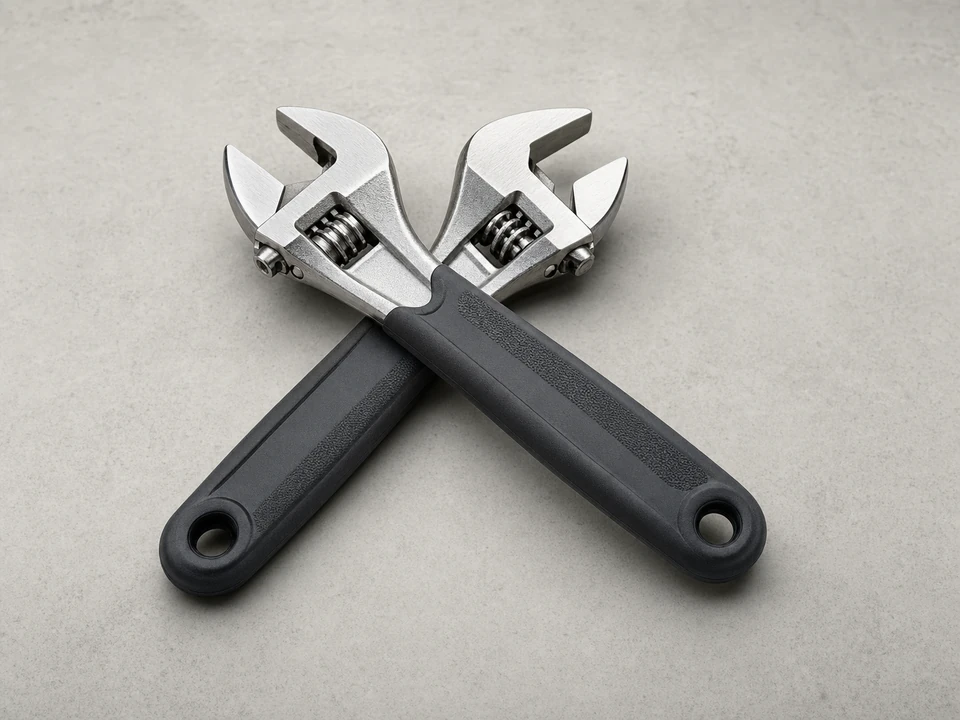
Use it for: To loosen the stem assembly and hold fittings without needing exact wrench sizes.
Shop adjustable wrench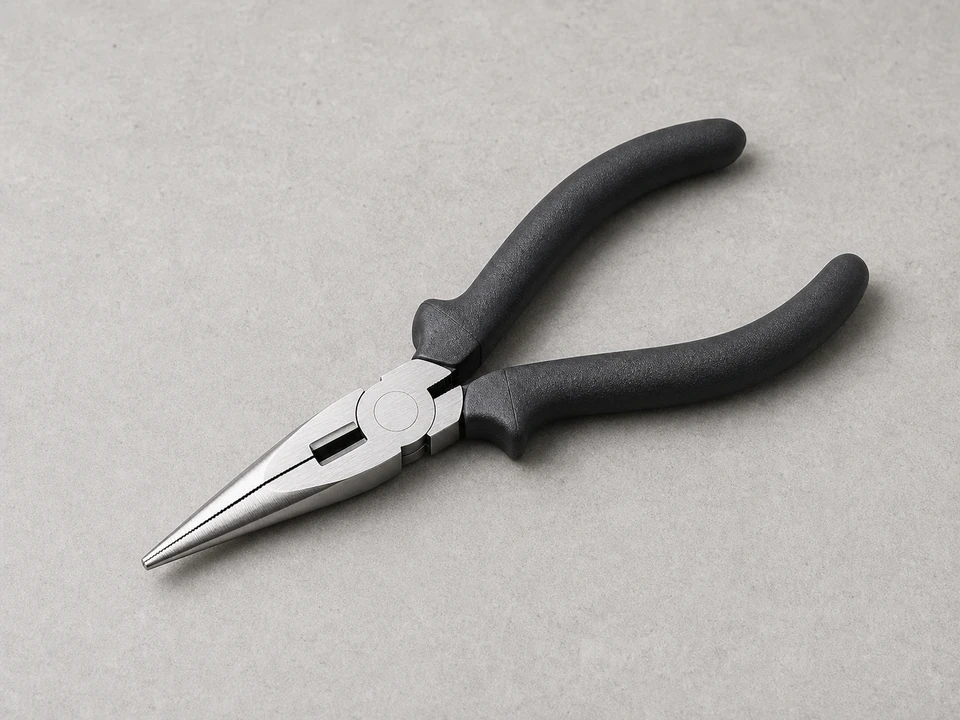
Use it for: To pull small screws, washers, or clips from the stem.
Shop needle nose pliers
Use it for: To replace the worn sealing washer at the end of the faucet stem.
Shop stem washers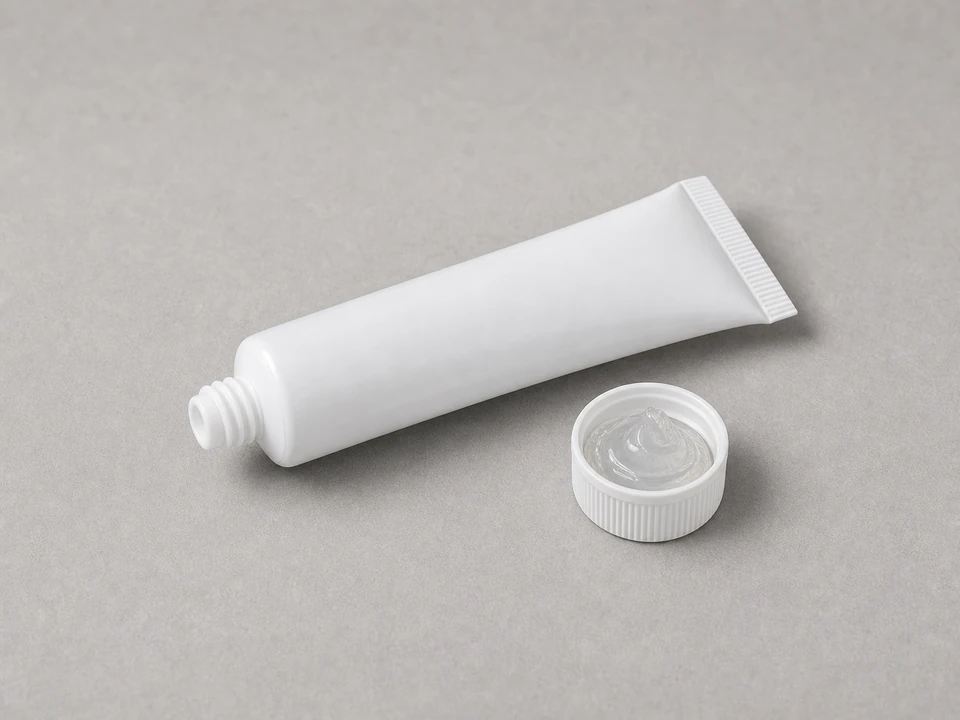
Use it for: To lightly lubricate threads and moving parts during reassembly.
Shop plumber's grease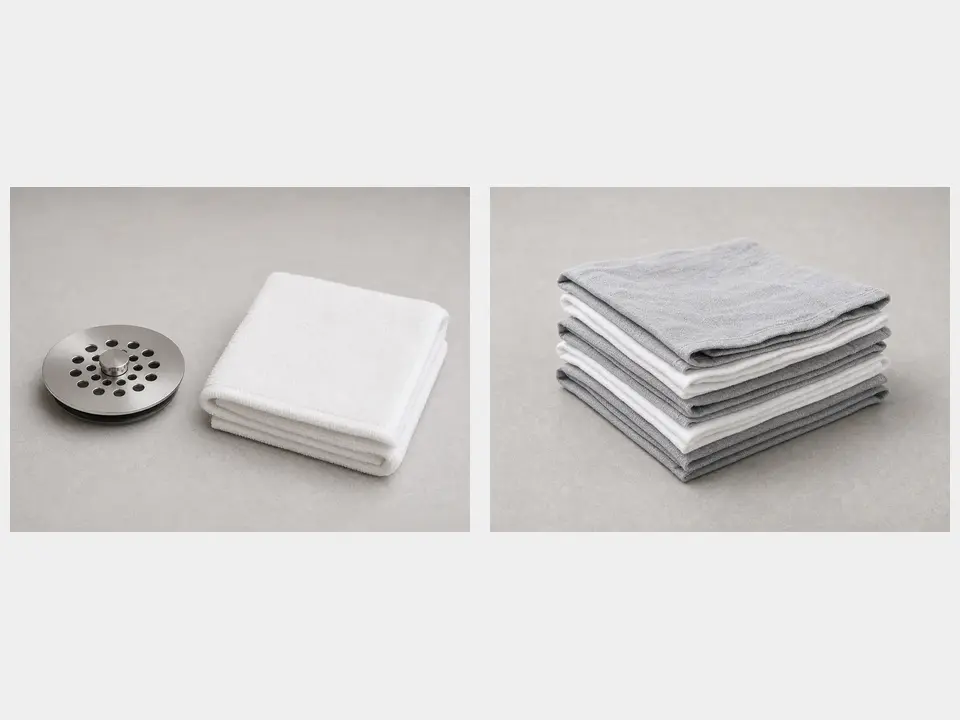
Use it for: To block the tub drain so small screws and parts do not fall in.
Shop drain coverAs an Amazon Associate I earn from qualifying purchases. Repair Riot may earn a commission at no extra cost to you.
If it works: You have a clear reason to inspect and replace the stem washers.
If it doesn’t: If the leak is coming from around the handle instead of the spout, the packing or stem seal may be the main issue. You can still inspect the washer, but plan to check the stem packing and seat condition too.
If it works: The faucet is depressurized and the work area is protected.
If it doesn’t: If water still flows strongly, the shutoff you used is not fully closing. Find the correct shutoff before removing any faucet parts.
If it works: The faucet stem is out where you can inspect the washer on the end.
If it doesn’t: If the handle or stem is stuck from mineral buildup, apply steady pressure and work slowly. A handle puller can help if needed.
If it works: A matching new washer is installed securely on the stem.
If it doesn’t: If you cannot match the washer closely, take the old washer and stem to a hardware store or compare against a faucet repair kit before reassembling.
If it works: The faucet is reassembled and ready for water.
If it doesn’t: If the stem does not thread in smoothly by hand, back it out and realign it before tightening.
If it works: The faucet shuts off cleanly without dripping, squealing, or leaking around the handle.
If it doesn’t: If the faucet still drips from the spout, the valve seat or the full stem may also be worn. If it leaks around the handle, inspect the packing or stem seal next.
Match the replacement part to your exact faucet before ordering.
As an Amazon Associate I earn from qualifying purchases. Repair Riot may earn a commission at no extra cost to you.
A worn stem washer often causes a drip from the tub spout after the handle is shut off. It can also cause squealing or make the handle feel like it has to be tightened too hard to stop the water.
Yes, if the stem is in good shape and the washer is the worn part. If the stem is corroded, stripped, or the seat surface is damaged, replacing only the washer may not solve the leak for long.
The washer may be the wrong size, the screw may not be holding it flat, or the valve seat inside the faucet may be worn. A damaged seat or stem can keep a new washer from sealing properly.
It is often a good idea if both handles are the same age and wear. If one side has failed, the other may not be far behind.
Usually no. This repair is mainly about the washer sealing at the end of the stem. A small amount of plumber's grease on moving parts is more useful than tape here.