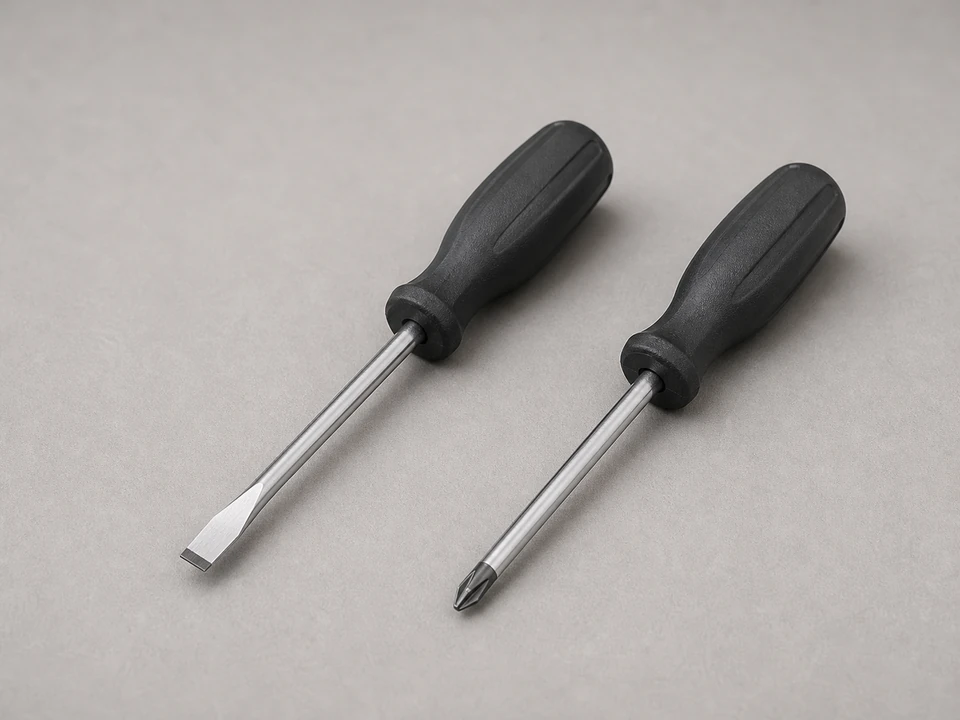
Flat and Phillips screwdriver
Use it for: To remove the handle screw and trim pieces.
Shop faucet screwdriversIf your faucet drips from the spout after you turn it off, worn faucet stem washers are a common cause. Shut off the water, remove the handle and stem, swap in matching washers, then reassemble and test.
This is a straightforward repair on many compression-style faucets. The key is using washers that match the old ones in size and shape and checking the stem parts for damage while you have them apart.
Before you start: Match the replacement part to your exact faucet before ordering.
Use it for: To remove the handle screw and trim pieces.
Shop faucet screwdrivers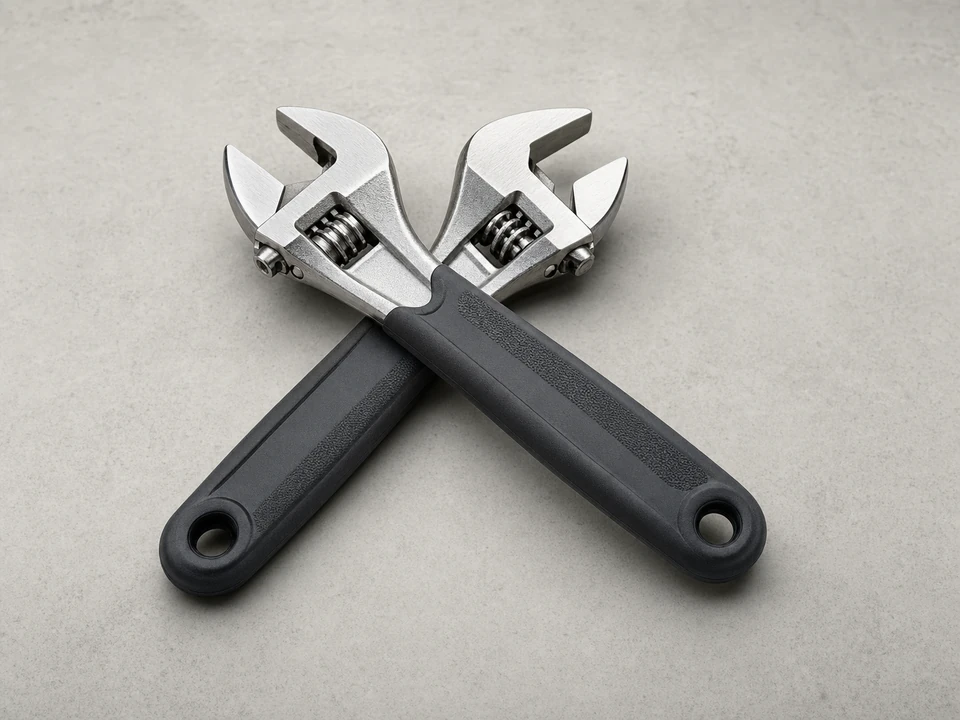
Use it for: To loosen the packing nut or stem assembly.
Shop adjustable wrench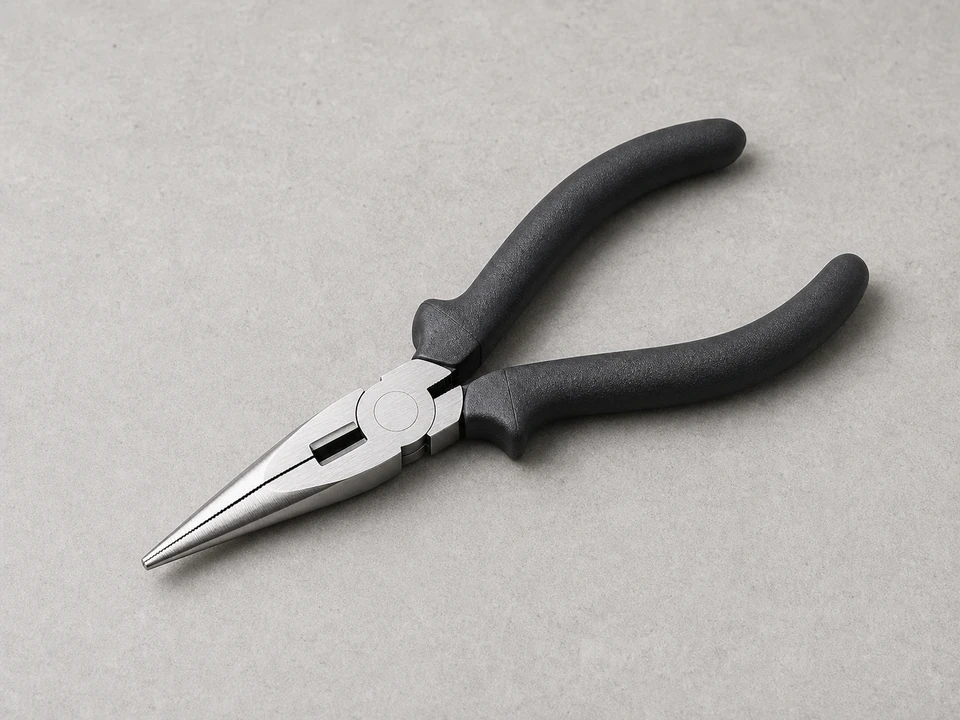
Use it for: To lift small screws, washers, or clips if they are stuck.
Shop needle-nose pliers
Use it for: To replace the worn sealing surface at the end of the stem.
Shop stem washers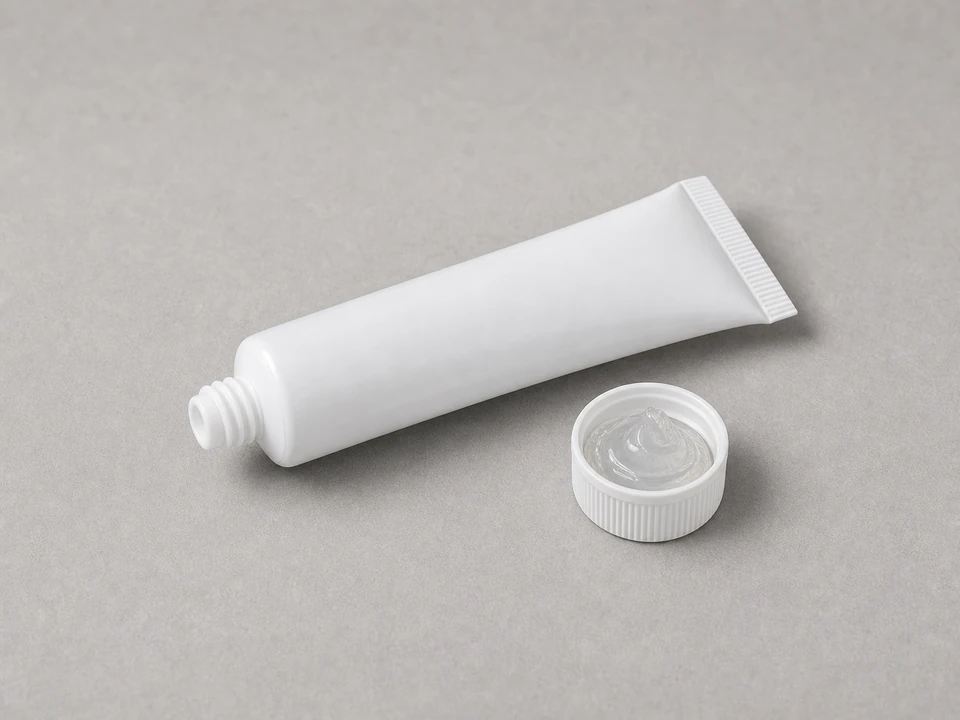
Use it for: To lightly lubricate stem threads and moving parts during reassembly.
Shop plumber's grease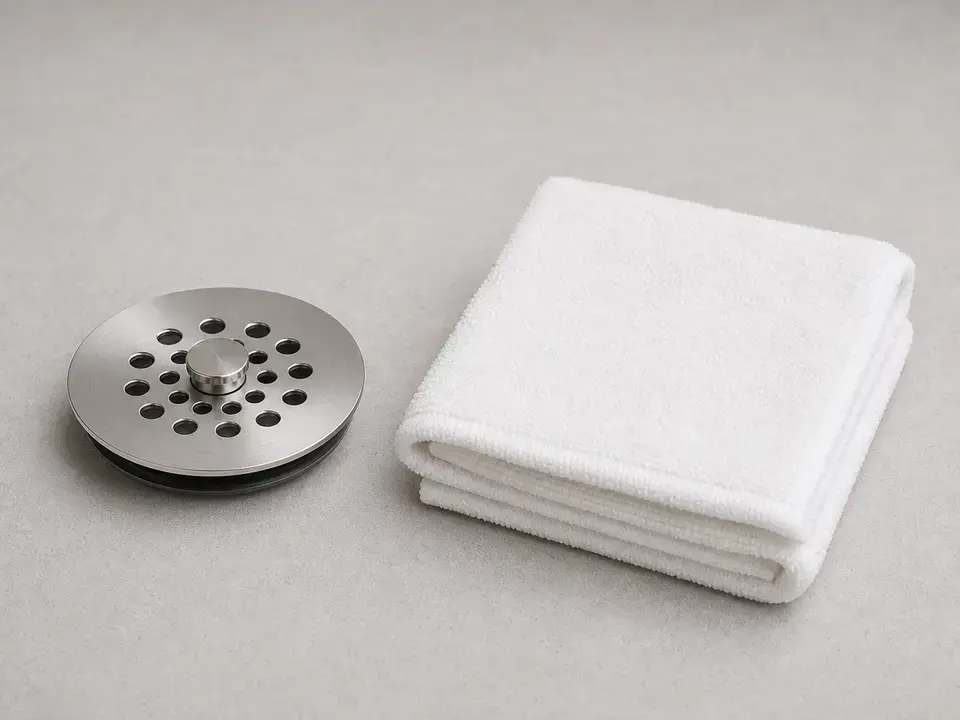
Use it for: To block the drain so small parts do not fall in.
Shop sink drain stopperAs an Amazon Associate I earn from qualifying purchases. Repair Riot may earn a commission at no extra cost to you.
If it works: The faucet symptoms match a worn stem washer and you are ready to disassemble it safely.
If it doesn’t: If the faucet is a quarter-turn style or the leak is coming from around the handle or under the sink instead of the spout, the problem may be a cartridge, packing, or supply connection rather than stem washers.
If it works: The water is off and the handle is removed without losing any small parts.
If it doesn’t: If the handle is stuck, apply steady upward pressure and work it loose gradually. A little mineral buildup is common.
If it works: The stem is out and the old washer is removed for matching.
If it doesn’t: If the washer screw is stubborn, use a properly fitting screwdriver and clean away mineral buildup so the tip seats fully.
If it works: A matching new washer is installed securely and the stem is cleaned and ready to go back in.
If it doesn’t: If the new washer does not match closely, pause and get the correct size. A near match often still drips.
If it works: The faucet is back together and ready for water.
If it doesn’t: If the stem does not thread in smoothly by hand, back it out and start again to avoid damaging the threads.
If it works: The faucet shuts off cleanly, the spout stays dry, and there are no leaks around the handle or stem.
If it doesn’t: If the spout still drips, the washer may be the wrong size or the valve seat or stem may also be worn. If water seeps around the handle, the packing nut may need a slight additional tightening.
Match the replacement part to your exact faucet before ordering.
As an Amazon Associate I earn from qualifying purchases. Repair Riot may earn a commission at no extra cost to you.
A worn stem washer usually causes a drip from the spout after the faucet is turned off, especially on a compression-style faucet that takes several turns to close.
Yes. If only one side is dripping, you can replace that side only. If both handles are the same age and wear, many homeowners replace both while the tools are already out.
The new washer may not match correctly, or the stem or valve seat may also be worn. Recheck the washer size and inspect the stem for damage.
Usually no. The shutoff valves under the sink are enough if they work properly. If they do not close fully, you may need to shut off water to the house before continuing.
Use a light amount on stem threads and moving parts, not as a substitute for the washer seal itself. The washer needs to fit and seat correctly on its own.