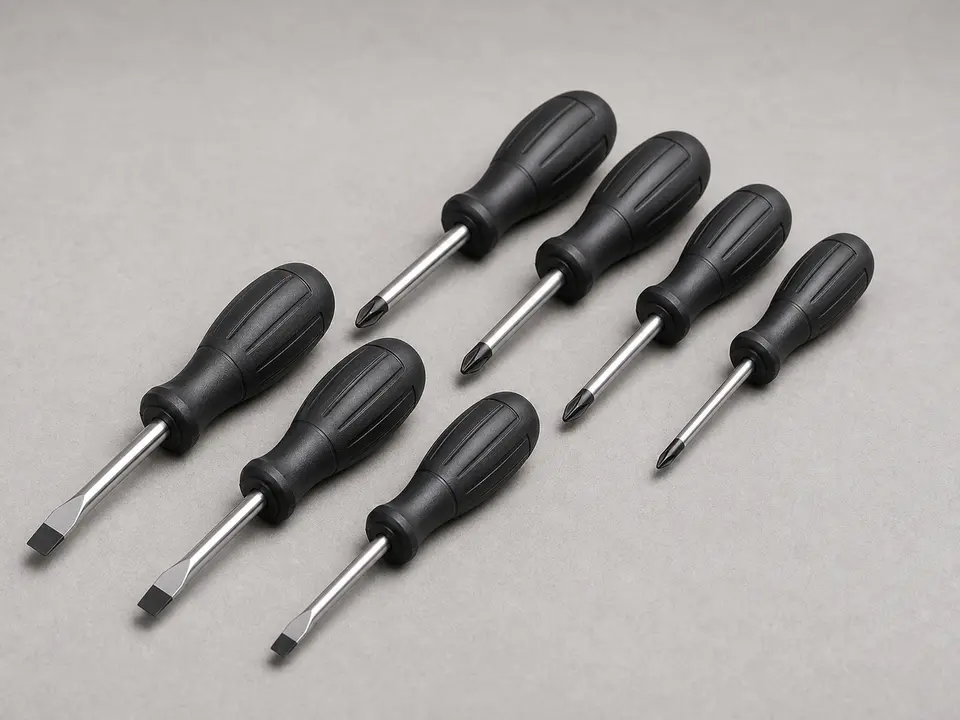
Phillips and flathead screwdriver set
Use it for: To remove the handle screw, trim screws, and gently pry off a cap if needed.
Shop screwdriver setsTo replace a bathtub handle limit stop kit, remove the handle and trim, swap the worn or broken stop parts with matching pieces from the new kit, then reset the handle so it limits how far the valve can turn toward hot.
This is a good repair when the tub handle turns too far into hot, no longer limits temperature correctly, or the stop pieces are cracked, stripped, or missing. The job is usually straightforward, but take your time so the handle goes back on in the right position.
Before you start: Match the valve and handle style, spline shape, and stop piece layout before ordering. Compare your old stop parts and trim connection points to the replacement kit.
Use it for: To remove the handle screw, trim screws, and gently pry off a cap if needed.
Shop screwdriver sets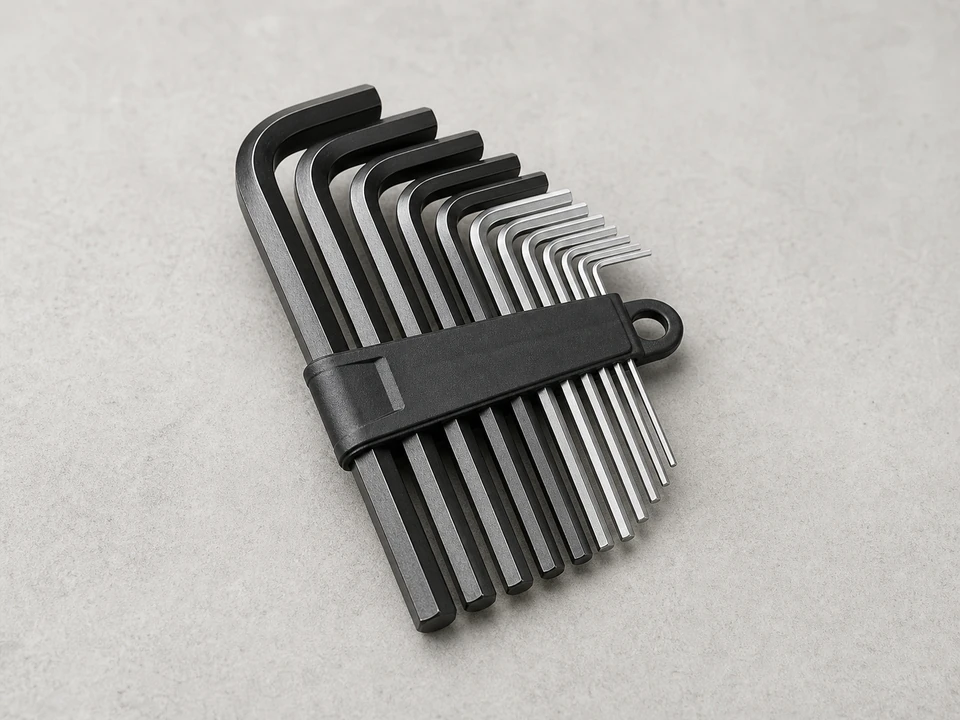
Use it for: Some tub handles use a small set screw instead of a face screw.
Shop Allen key sets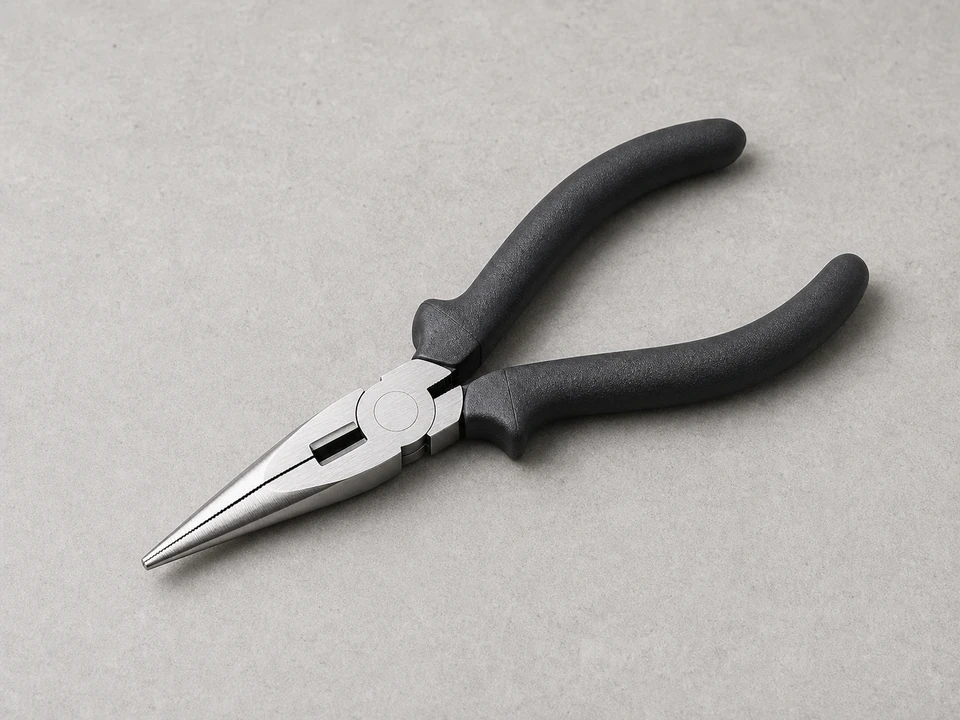
Use it for: Helpful for pulling small stop pieces, clips, or spacers without dropping them.
Shop needle-nose pliers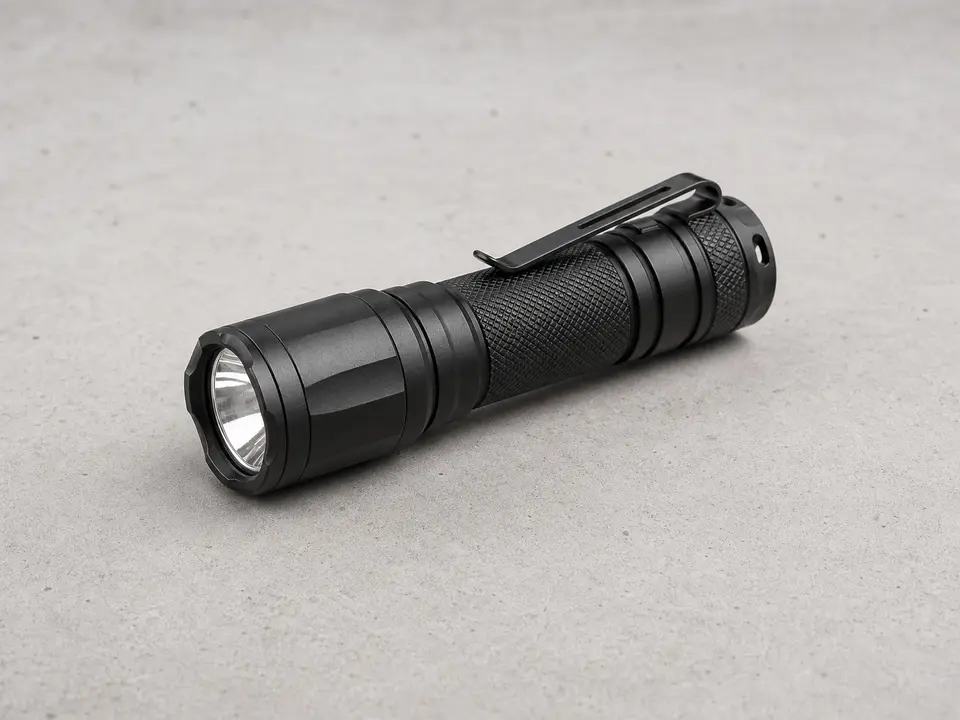
Use it for: Lets you see the valve stem, stop tabs, and alignment marks inside the trim area.
Shop flashlights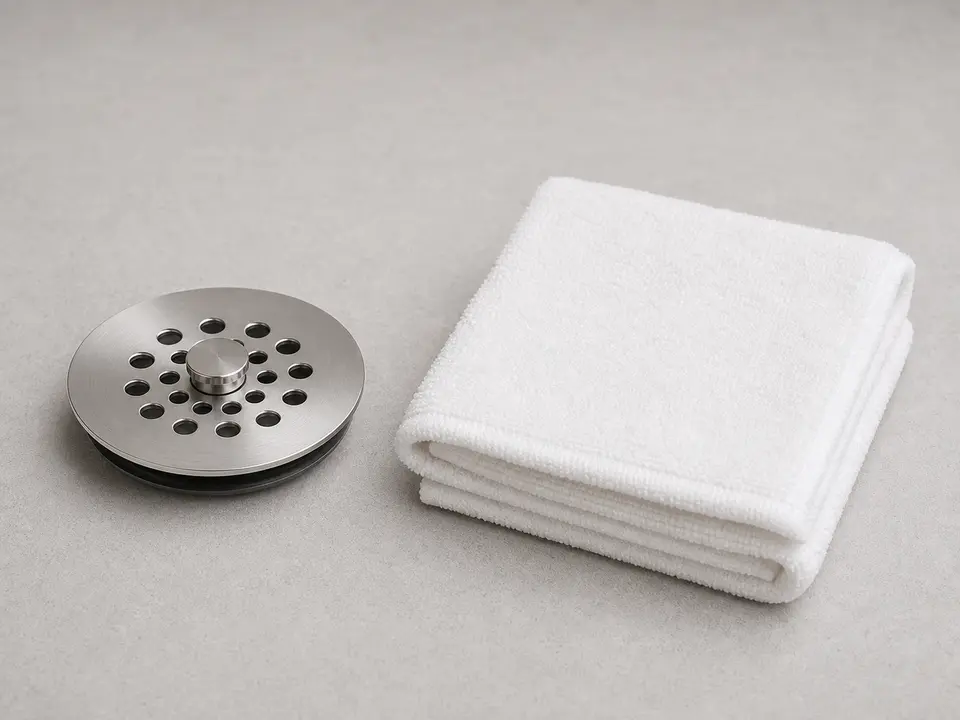
Use it for: Catches screws and small parts so they do not fall into the tub drain.
Shop drain coversAs an Amazon Associate I earn from qualifying purchases. Repair Riot may earn a commission at no extra cost to you.
If it works: You have a matching replacement kit and the problem points to worn or broken limit stop parts behind the handle.
If it doesn’t: If the handle is hard to turn, leaking behind the wall, or the water temperature changes on its own, the valve cartridge or valve body may be the real problem instead.
If it works: The handle and enough trim are off to clearly reach the old limit stop parts.
If it doesn’t: If the handle is stuck, apply steady hand pressure and wiggle it loose. If mineral buildup is holding it, clean around the stem and try again rather than prying hard against the wall.
If it works: The old stop parts are out and the stem area is clean and ready for the new kit.
If it doesn’t: If a piece seems stuck, clean the area and try again with gentle plier pressure. Do not twist hard enough to damage the valve stem.
If it works: The new stop kit is installed and the handle now has a clear stopping point toward the hot side.
If it doesn’t: If the stop engages too early or too late, remove the handle again and reposition the stop one increment at a time until the range feels right.
If it works: The handle stops where you want it to, and the hottest water setting is limited to a safer range.
If it doesn’t: If the water still gets too hot even with the stop adjusted, the valve cartridge may not be mixing correctly and this repair may not solve the whole problem.
If it works: The handle limit works consistently in real use, the stop holds its position, and the tub no longer turns too far into hot.
If it doesn’t: If the stop drifts, the handle loosens, or the water temperature still is not controlled, reopen the handle and confirm the kit is seated correctly and matched to the valve.
Match the valve and handle style, spline shape, and stop piece layout before ordering. Compare your old stop parts and trim connection points to the replacement kit.
As an Amazon Associate I earn from qualifying purchases. Repair Riot may earn a commission at no extra cost to you.
It limits how far the handle can rotate toward hot. That helps control maximum water temperature and keeps the handle from overtraveling if the old stop parts are worn or broken.
A bad limit stop usually shows up as overtravel, a missing stop point, or visibly broken stop pieces behind the handle. If temperature is unstable, the handle is hard to turn, or the valve leaks, the cartridge or valve body may also need attention.
Usually no, because you are working on the handle and trim rather than opening the pressurized valve. Still, make sure the faucet is off and no one uses the tub while the handle is apart.
If they are cracked, rounded off, loose, or worn, replace them. Reusing damaged stop parts often leads to the same problem returning quickly.
Do not force it. Limit stop parts need to match the valve and handle connection closely. Compare the old parts, stem shape, and trim layout, and get a kit that matches your setup.