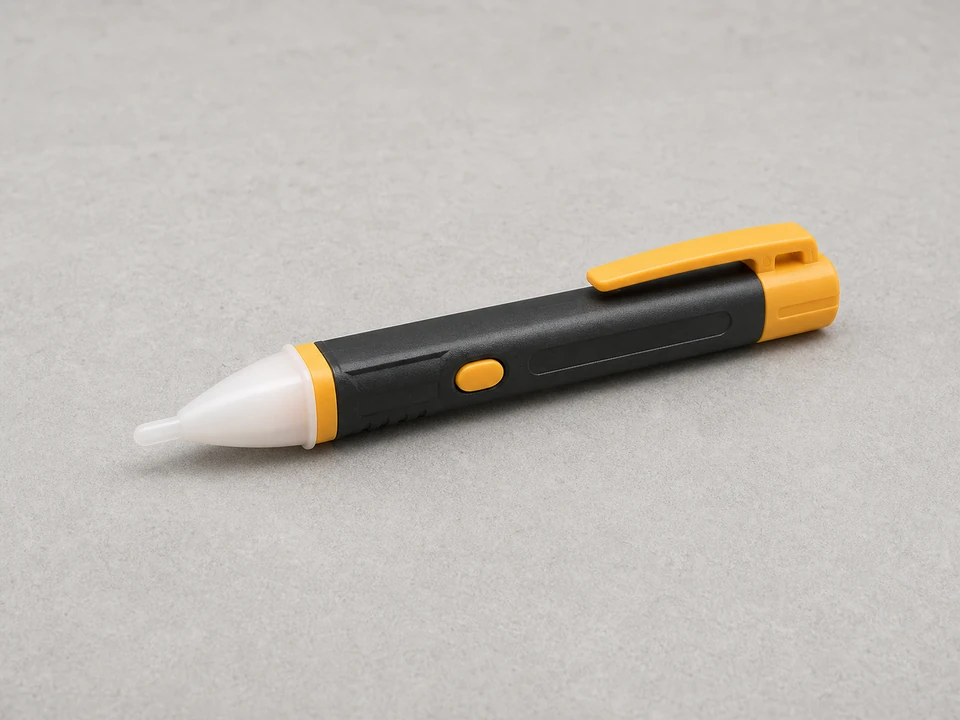
Non contact voltage tester
Use it for: To confirm power is off before touching fixture wiring.
Shop non-contact voltage testersTo replace a ceiling light driver, first confirm the fixture is getting power and the driver is the failed part, then shut off the breaker, open the fixture, swap in a matching driver, reconnect the wires, and test the light under normal use.
A ceiling light driver is the small power supply used in many integrated LED fixtures. When it fails, the light may flicker, pulse, stay dim, or stop working even though the switch and breaker seem fine. This repair is manageable for a careful homeowner, but only if the fixture is dry, stable, and safely accessible.
Before you start: Match the replacement part to your exact light before ordering.
Use it for: To confirm power is off before touching fixture wiring.
Shop non-contact voltage testers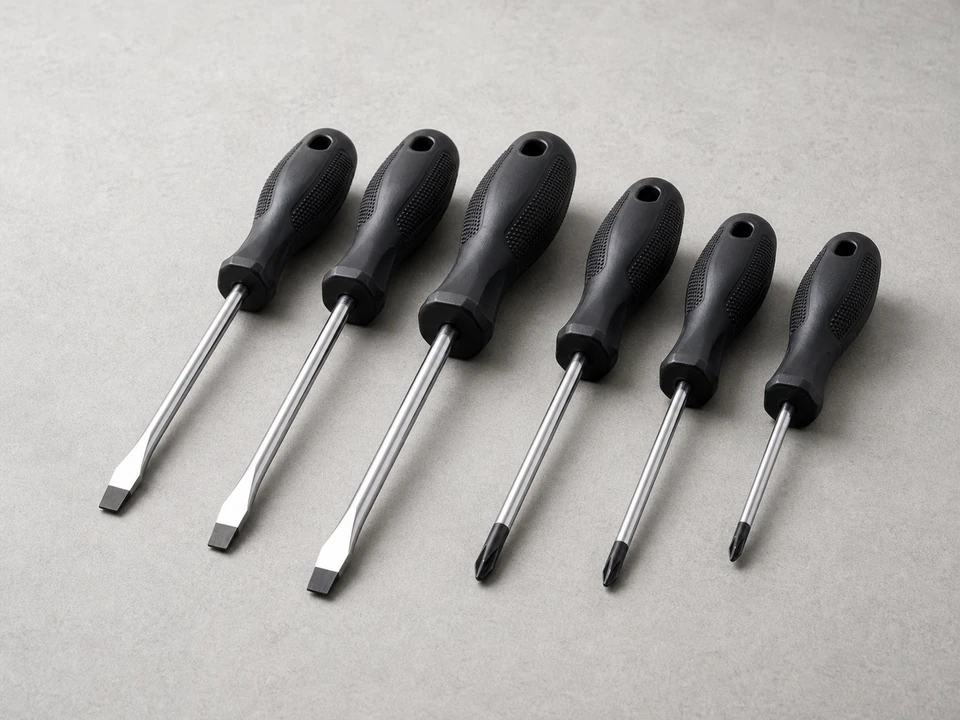
Use it for: To remove the fixture cover, driver screws, and wire compartment screws.
Shop screwdriver sets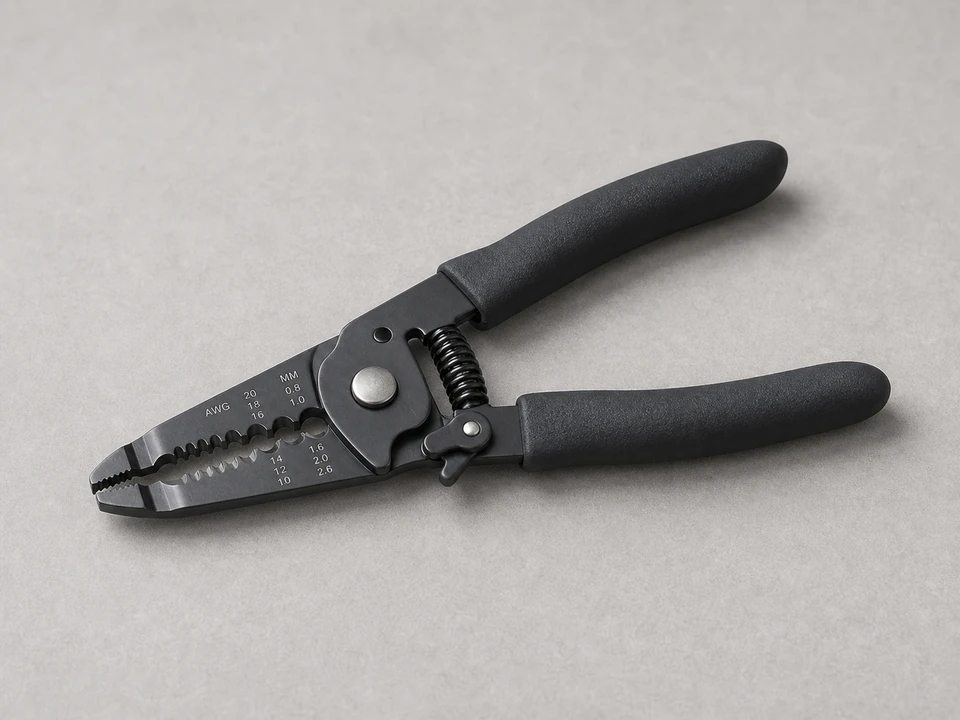
Use it for: To trim and strip wire ends cleanly if the new driver leads need fresh connections.
Shop wire strippers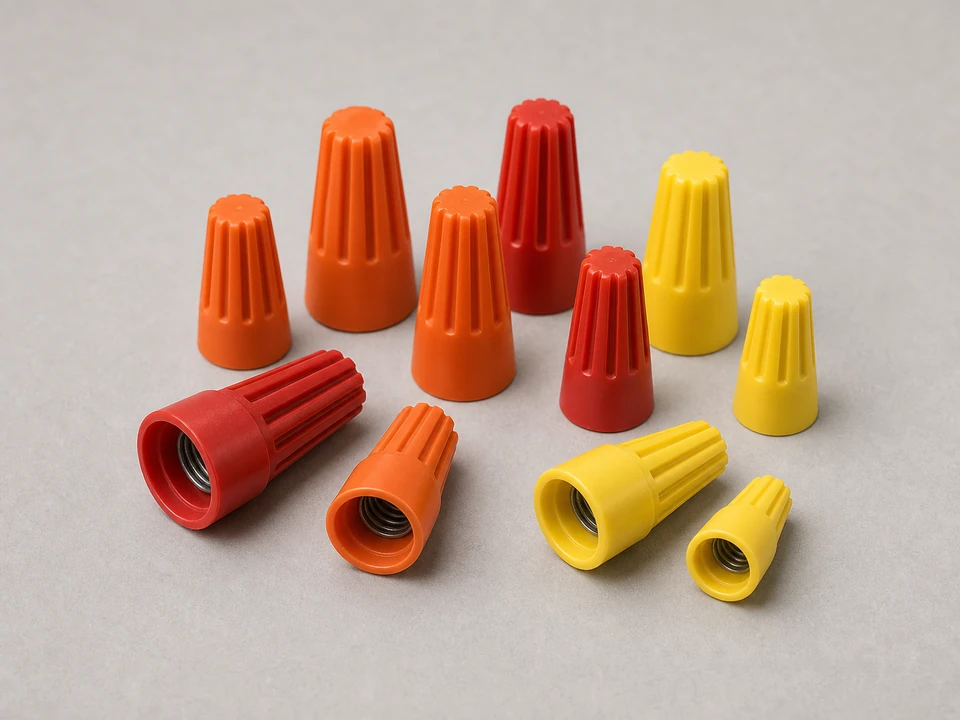
Use it for: To reconnect the new driver leads securely if the old connectors cannot be reused.
Shop wire connectors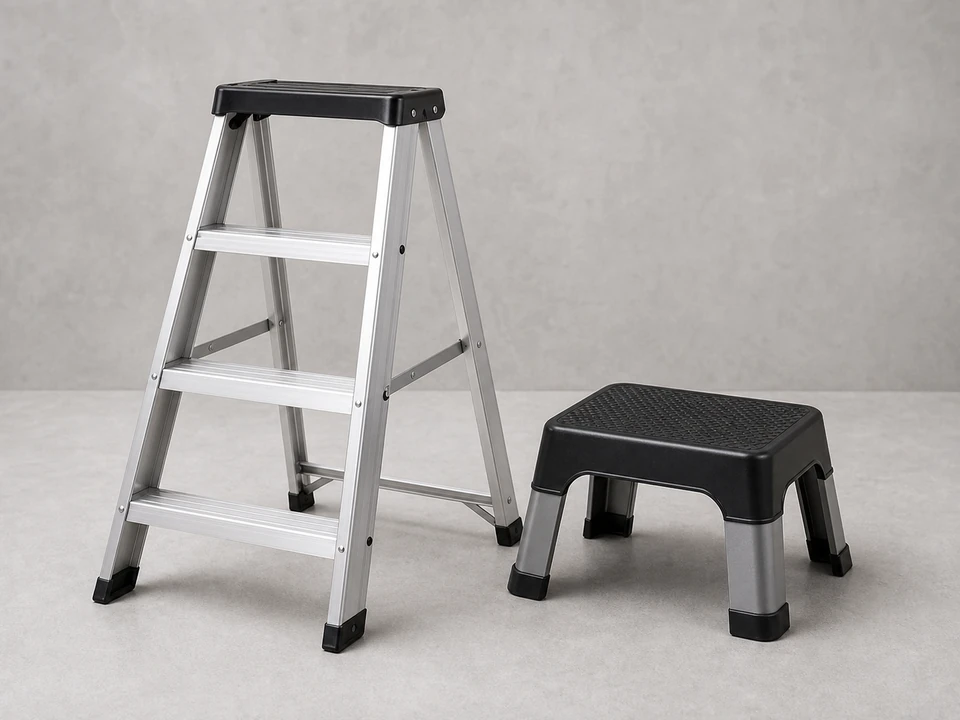
Use it for: To reach the ceiling fixture safely and work with both hands free.
Shop step ladders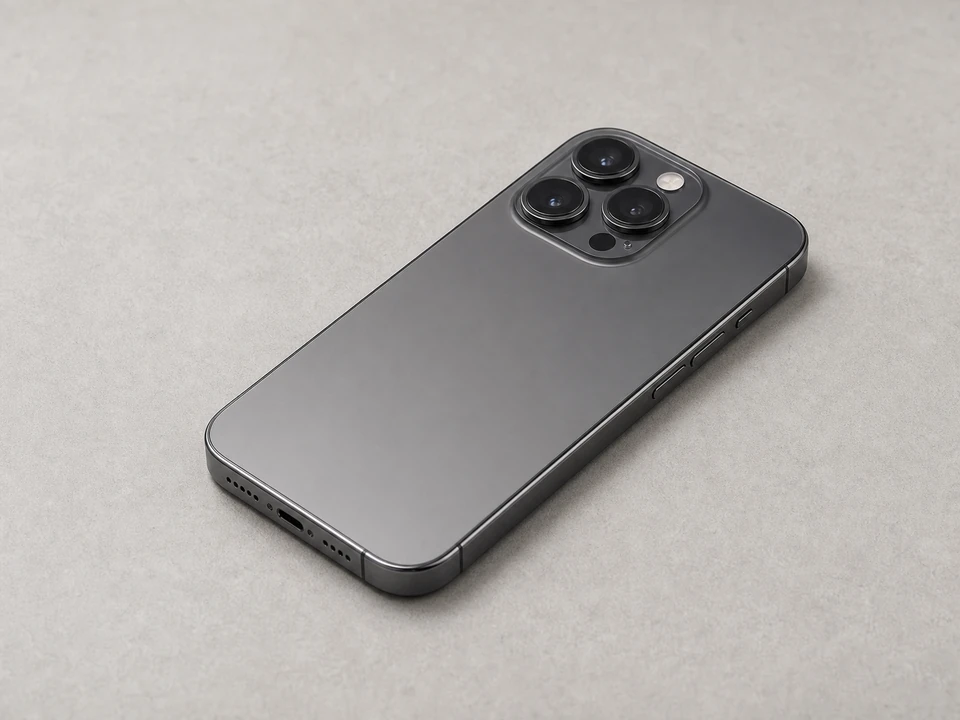
Use it for: To photograph the original wiring before disconnecting anything.
Shop phone camera accessoriesAs an Amazon Associate I earn from qualifying purchases. Repair Riot may earn a commission at no extra cost to you.
If it works: You have a good reason to suspect the ceiling light driver instead of a bad bulb, tripped breaker, or dead switch.
If it doesn’t: If the fixture uses standard bulbs, starts working with a new bulb, or the whole circuit is dead, solve that issue before replacing the driver.
If it works: The fixture is open, power is off, and you can clearly see the existing driver and its wiring.
If it doesn’t: If you cannot access the driver without forcing the fixture or damaging the ceiling, remove the fixture carefully or look up the fixture's service method before continuing.
If it works: You have a replacement driver that matches the original closely enough to install safely.
If it doesn’t: If the ratings or connector style do not match, pause and get the correct driver for that exact light.
If it works: The old driver is out and the wiring is ready for the new part.
If it doesn’t: If the wire layout no longer matches your photo, stop and identify each connection before reconnecting anything.
If it works: The new driver is mounted securely and all wiring is reconnected neatly with the fixture closed back up.
If it doesn’t: If the wires do not seat securely or the cover will not close without pressure on the driver, reopen the fixture and reroute or remount the part.
If it works: The light turns on normally, stays stable, and works the same way it should in real use.
If it doesn’t: If the light still does not work, recheck the wiring against your photos and the driver label. If the wiring is correct, the LED board, switch, or supply wiring may be the real problem.
Match the replacement part to your exact light before ordering.
As an Amazon Associate I earn from qualifying purchases. Repair Riot may earn a commission at no extra cost to you.
It converts incoming power into the output the LED light engine needs. In many integrated LED fixtures, the driver acts like the power supply for the light.
A bad driver often causes flickering, pulsing, dim light, delayed startup, or complete failure while the rest of the circuit still works. If the whole circuit is dead or other switched loads also fail, the switch or supply wiring may be the issue instead.
No. The replacement needs to match the original driver's input and output ratings and connect to the fixture correctly. A loose match can cause poor performance or damage.
No. They do similar jobs in different types of lighting, but they are not the same part and are not interchangeable.
Common causes include age, heat buildup, moisture exposure, power surges, or a failing LED module that overstressed the driver.