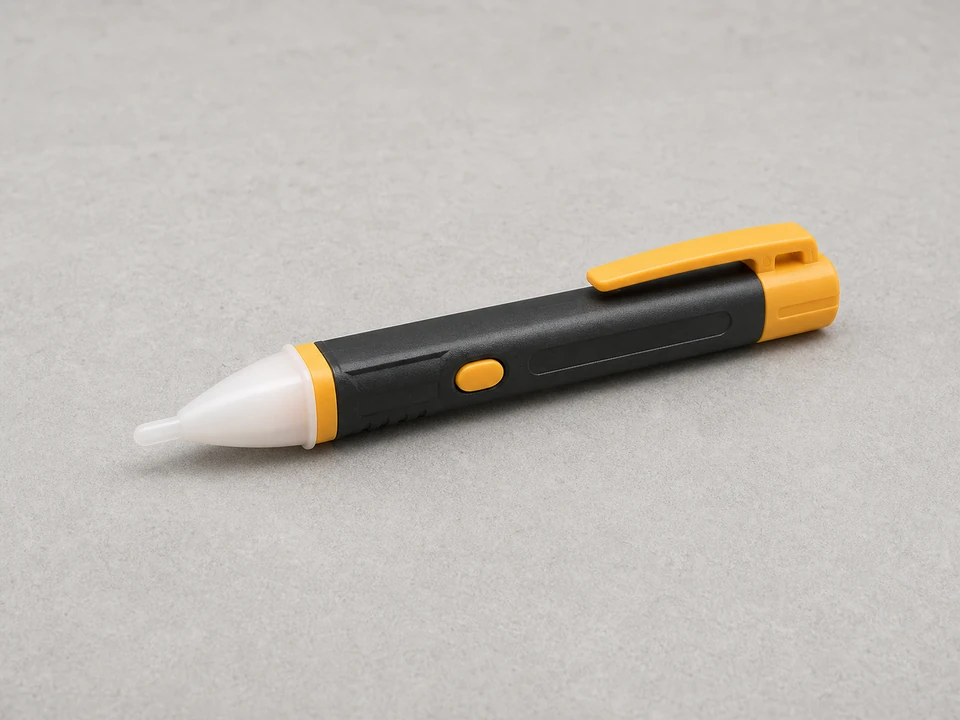
Non contact voltage tester
Use it for: To confirm the fixture is actually de-energized before you touch wires or the socket.
Shop voltage testersIf the bulb is good but the light still flickers, cuts out, or the socket looks heat-damaged, replacing the ceiling light socket is often the right fix.
This is a moderate-risk repair because you will be working on a wired light fixture. Take your time, shut off power at the breaker, and stop if you find burned wiring, water damage, or a loose ceiling box.
Before you start: Match the replacement part to your exact light before ordering.
Use it for: To confirm the fixture is actually de-energized before you touch wires or the socket.
Shop voltage testers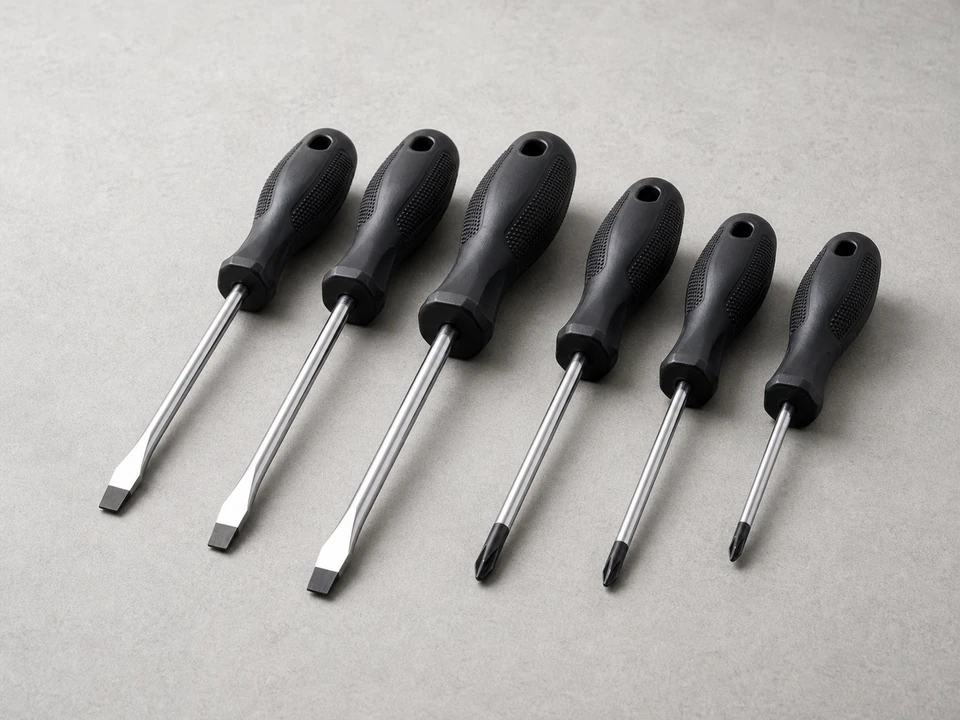
Use it for: To remove the fixture cover, socket screws, and wire terminal screws.
Shop screwdriver sets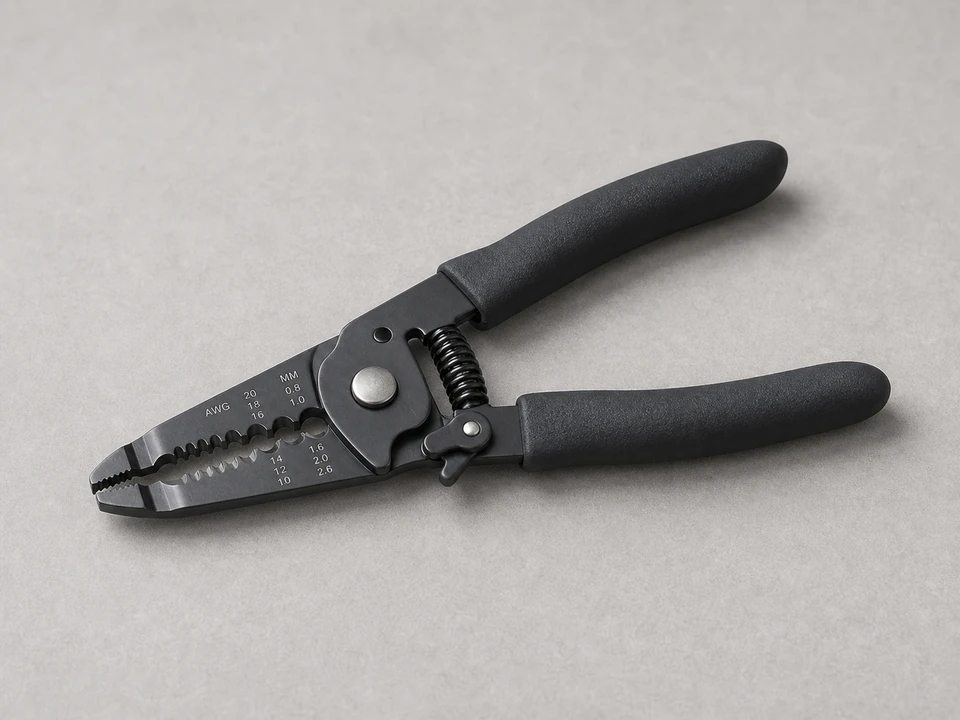
Use it for: To trim and re-strip wire ends if the old connection is burned or frayed.
Shop wire strippers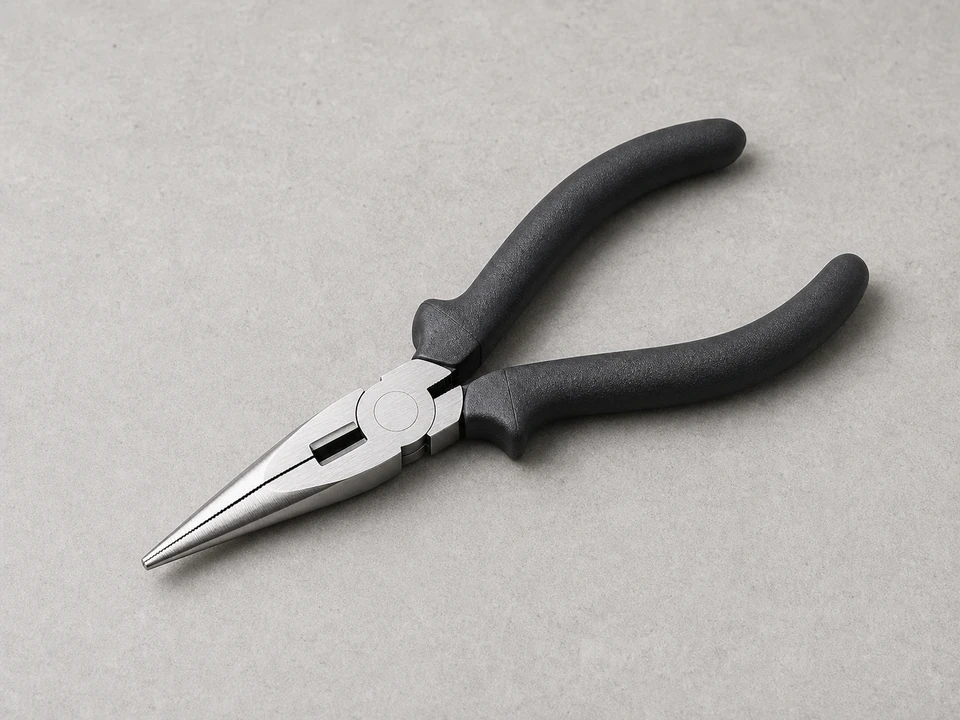
Use it for: To bend wire ends neatly and help remove small connectors.
Shop needle-nose pliers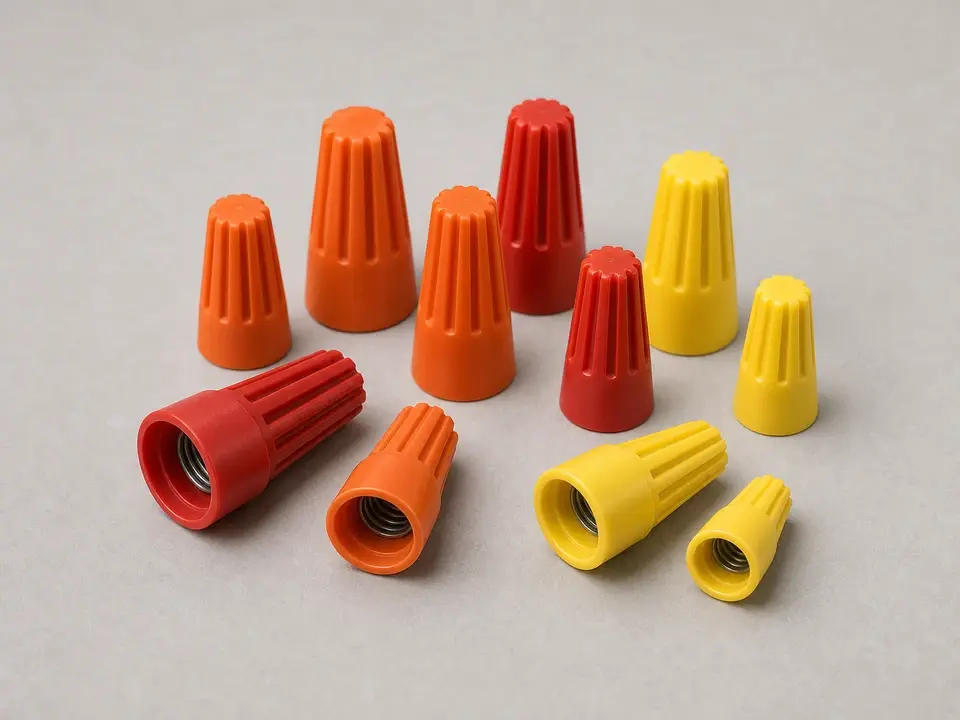
Use it for: To make fresh wire connections if the old connectors are damaged or loose.
Shop wire connectors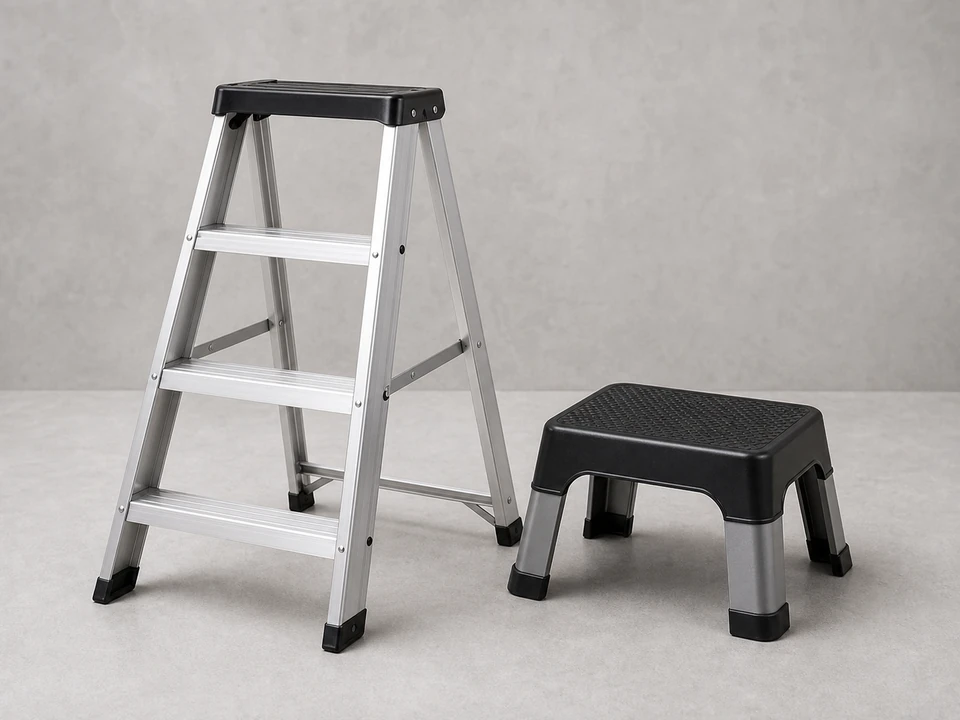
Use it for: To reach the ceiling fixture safely and work with both hands free.
Shop step laddersAs an Amazon Associate I earn from qualifying purchases. Repair Riot may earn a commission at no extra cost to you.
If it works: You have a clear reason to suspect the ceiling light socket instead of just a bad bulb.
If it doesn’t: If a new bulb fixes the problem and the socket shows no damage, you likely do not need this repair.
If it works: The fixture is open, stable, and confirmed de-energized.
If it doesn’t: If you cannot confirm the power is off, stop and identify the correct breaker before going further.
If it works: The old socket is out and the fixture wiring is ready for the new part.
If it doesn’t: If the socket is built into a damaged fixture body and cannot be removed cleanly, you may need to replace the entire fixture instead of just the socket.
If it works: The new ceiling light socket is mounted securely and wired neatly.
If it doesn’t: If the new socket does not fit the fixture correctly, stop and get a matching replacement rather than forcing it into place.
If it works: The light turns on normally and stays on without flicker or intermittent contact.
If it doesn’t: If the light still does not work, recheck the bulb, switch, and wire connections. If those are good, the problem may be elsewhere in the fixture or circuit.
If it works: The light works consistently in real use, which confirms the socket replacement fixed the problem.
If it doesn’t: If the problem returns, the root cause may be a failing switch, damaged fixture wiring, or a broader circuit issue that needs electrical diagnosis.
Match the replacement part to your exact light before ordering.
As an Amazon Associate I earn from qualifying purchases. Repair Riot may earn a commission at no extra cost to you.
Common signs are a bulb that only works when twisted a certain way, visible scorching, a loose socket body, a flattened center contact, or flickering that continues even with a known-good bulb.
Usually yes, if the fixture body is in good shape and the socket is a separate replaceable part. If the mount is heat-damaged or the socket is built into a failing fixture, replacing the whole fixture is the better repair.
Yes. A wall switch is not enough protection for this repair. Shut off the breaker and verify the fixture is de-energized before touching any internal parts.
The problem may be a bad wall switch, loose fixture connection, damaged wiring, or another failed fixture component. Recheck your connections first, then move to a broader diagnosis if the symptom remains.
Yes. Moisture can corrode contacts, cause arcing, and damage insulation. If the fixture has been near a leak, fix the moisture source and inspect for wiring damage before restoring normal use.