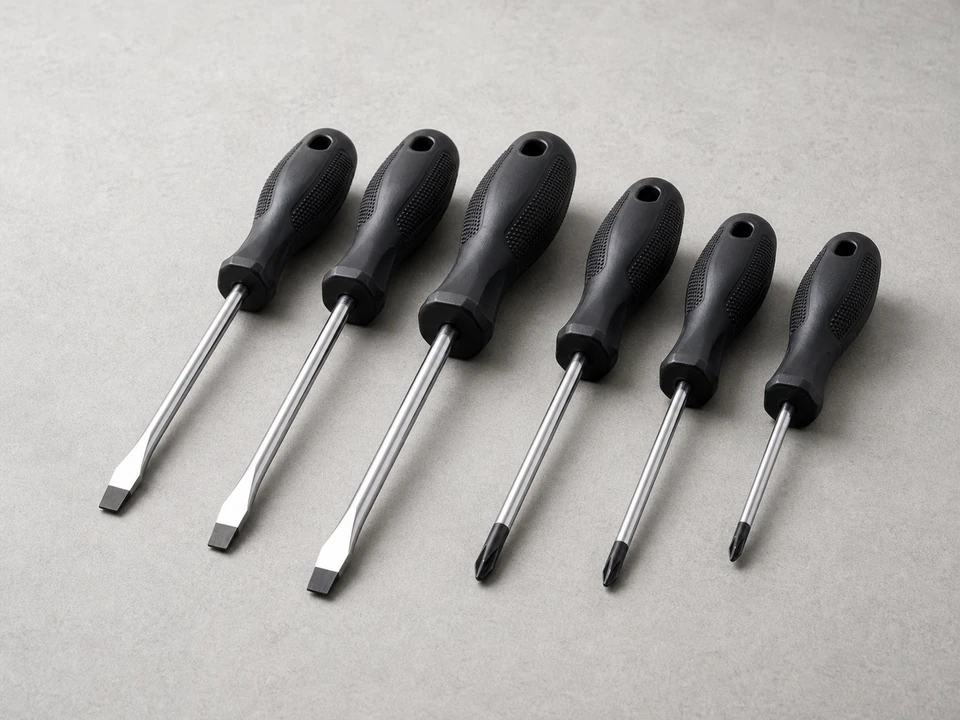
Screwdriver set
Use it for: To remove the cooktop top, mounting screws, or element brackets.
Shop screwdriver setsTo replace a cooktop surface element, disconnect power, access the element from the top or below, move the wires to the new part one at a time, secure it in place, and test for even heating.
A failed surface element may not heat, may heat unevenly, or may show visible damage. This job is manageable for many homeowners, but it does involve live-circuit components, so work only with power fully disconnected and stop if the wiring or mounting does not match what you expected.
Before you start: Match the replacement part to your exact cooktop before ordering.
Use it for: To remove the cooktop top, mounting screws, or element brackets.
Shop screwdriver sets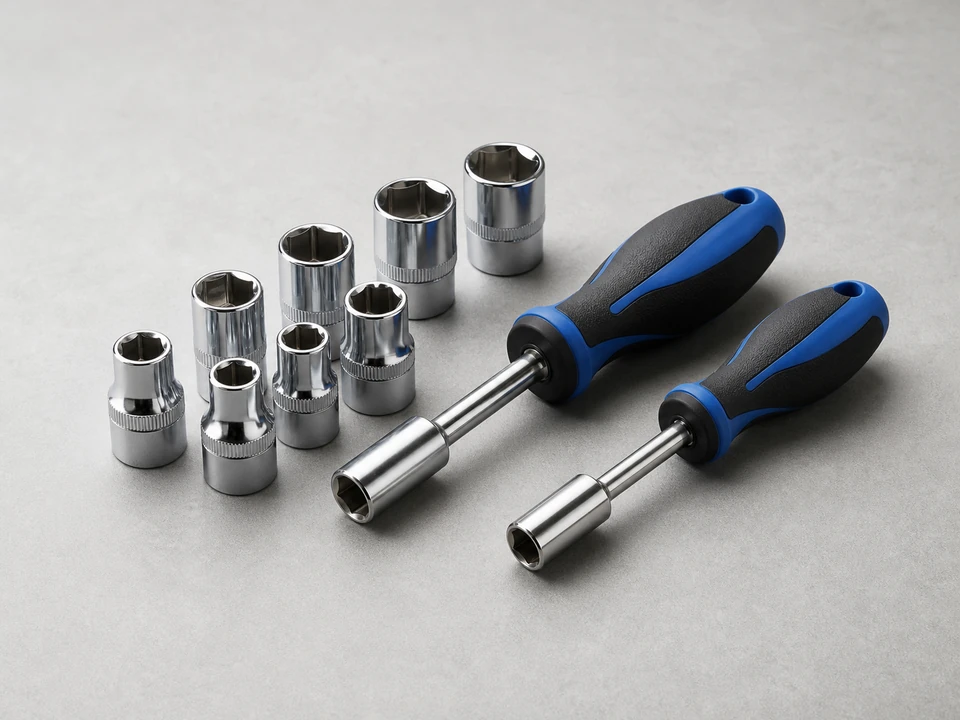
Use it for: Some cooktops use hex-head screws or small nuts to hold the element or support brackets.
Shop nut driver sets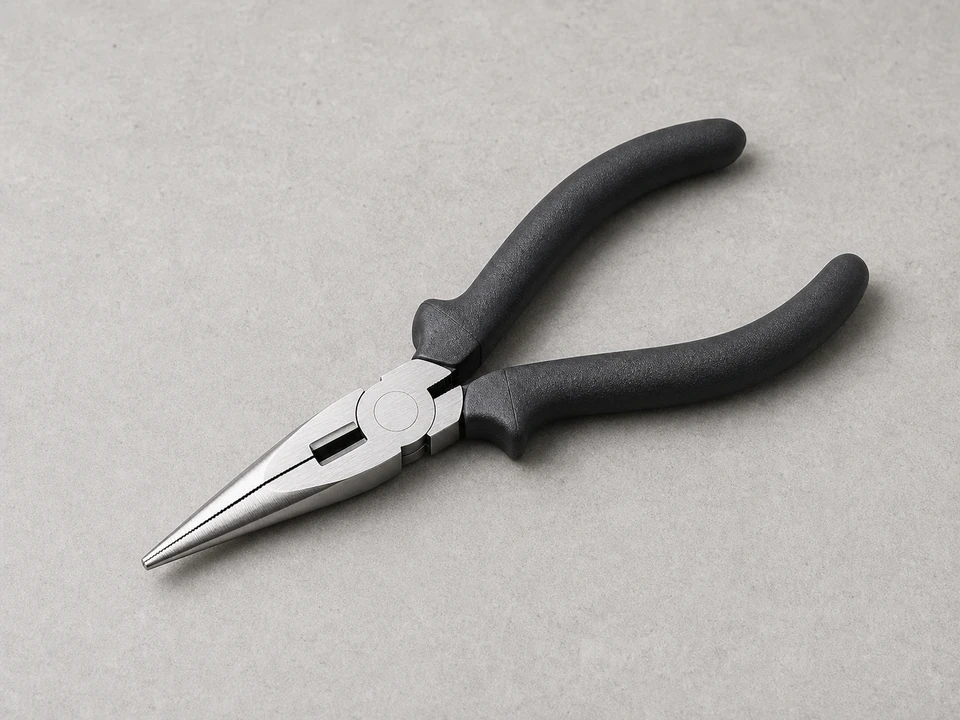
Use it for: To pull wire terminals off the element without damaging the connectors.
Shop needle-nose pliers
Use it for: To protect your hands from sharp metal edges under the cooktop.
Shop work gloves
Use it for: To take a clear photo of the wire layout before moving anything.
Shop phone tripods and standsAs an Amazon Associate I earn from qualifying purchases. Repair Riot may earn a commission at no extra cost to you.
If it works: The cooktop is cool and the surface element will not energize.
If it doesn’t: Double-check the correct breaker and do not continue until power is fully off.
If it works: You can clearly see the cooktop surface element, its terminals, and its mounting points.
If it doesn’t: Look for additional screws along the front edge, under trim, or beneath the cooktop top. Do not force the panel.
If it works: The old cooktop surface element is free and the wire terminals are intact.
If it doesn’t: If a connector will not release, wiggle it gently and support the terminal so it does not bend.
If it works: The new element is mounted securely and all wires are connected in the correct positions.
If it doesn’t: Recheck your photo and the part fit before tightening everything fully.
If it works: The cooktop is fully reassembled with no leftover hardware and no pinched wires.
If it doesn’t: Open it back up and check alignment before forcing any screw or panel into place.
If it works: The new surface element heats and responds normally without sparking, smoke, or unusual odor.
If it doesn’t: Turn power back off and recheck the wire connections, terminal fit, and part match.
Match the replacement part to your exact cooktop before ordering.
As an Amazon Associate I earn from qualifying purchases. Repair Riot may earn a commission at no extra cost to you.
Common signs include a burner that does not heat, only heats partway, heats unevenly, or shows visible blistering or damage. If the switch or wiring is also damaged, replacing the element alone may not solve the problem.
Many homeowners can, as long as power is fully disconnected and the replacement part matches exactly. Stop if the wiring is burned, the terminals are damaged, or access to the cooktop is unclear.
Not always. If the terminals are clean, tight, and not heat-damaged, they may be reused. If a connector is loose, discolored, or melted, it should be addressed before the cooktop is put back into service.
Turn power back off and check that each wire is on the correct terminal and fully seated. If the wiring is correct, the problem may be with the burner switch, incoming power, or damaged wiring rather than the element itself.
No. The replacement should match your exact cooktop application, including size, mounting style, and terminal layout. A similar-looking part may not fit or operate correctly.