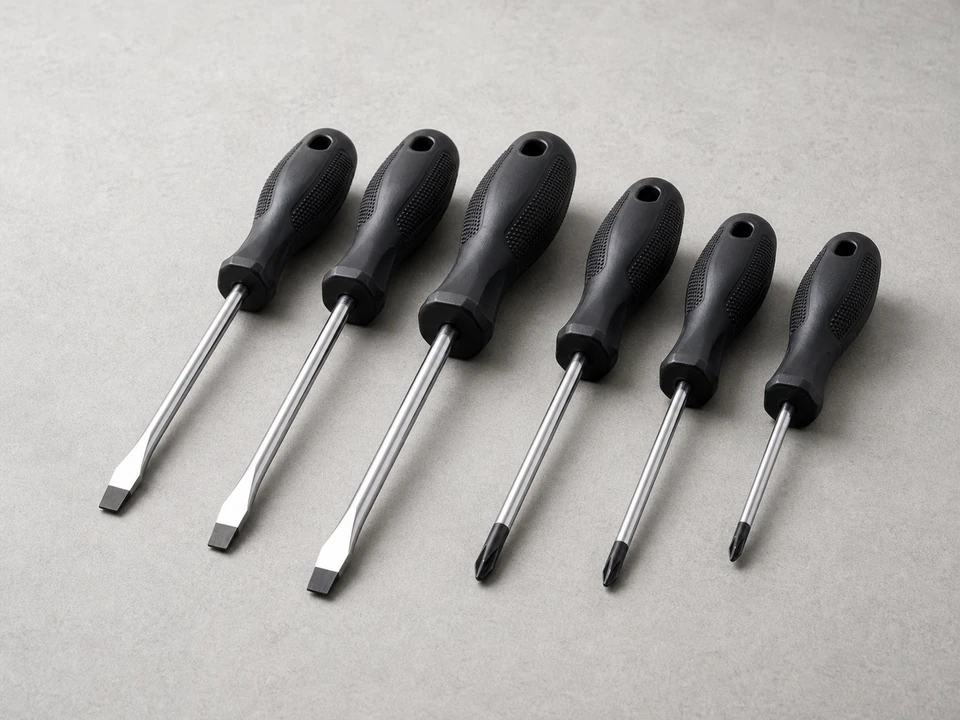
Screwdriver set
Use it for: To remove the cooktop top, support brackets, or access panels.
Shop screwdriver setsIf a surface element fits loosely, cuts in and out, or shows heat damage at the plug-in connection, replacing the cooktop surface element receptacle is often the right fix.
This repair is usually straightforward, but it does involve live-appliance wiring once the unit is opened. Work with power fully disconnected, replace any heat-damaged connectors you find, and test the burner under normal use when you are done.
Before you start: Match the receptacle style, wire connector type, and heat rating to your cooktop before ordering.
Use it for: To remove the cooktop top, support brackets, or access panels.
Shop screwdriver sets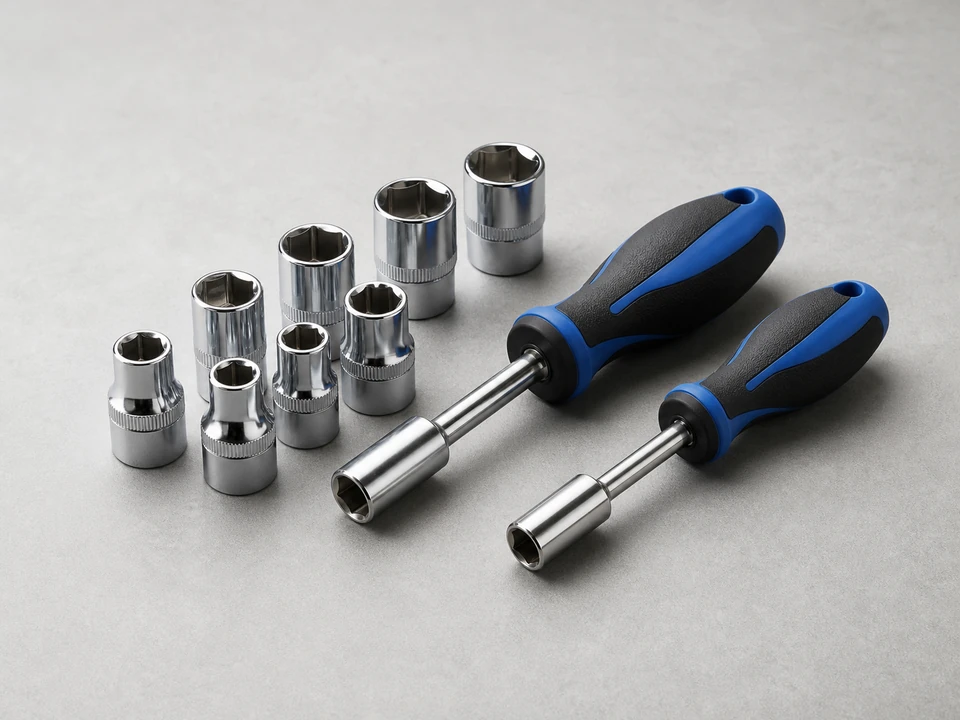
Use it for: Many cooktops use hex-head screws instead of standard Phillips screws.
Shop nut driver sets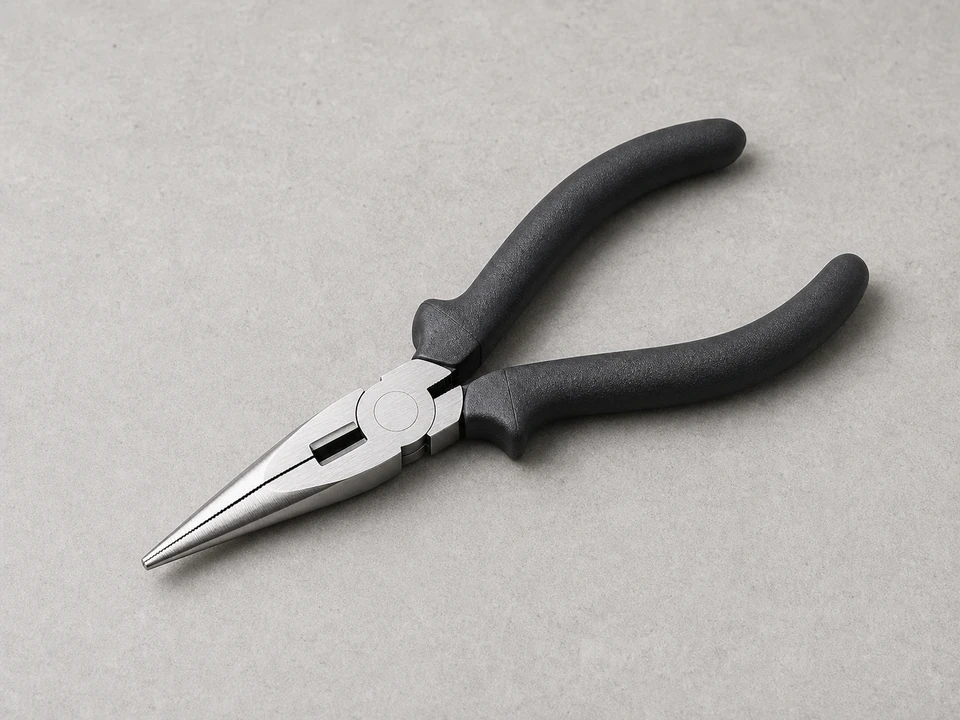
Use it for: To pull wire terminals and position the new receptacle safely.
Shop needle-nose pliers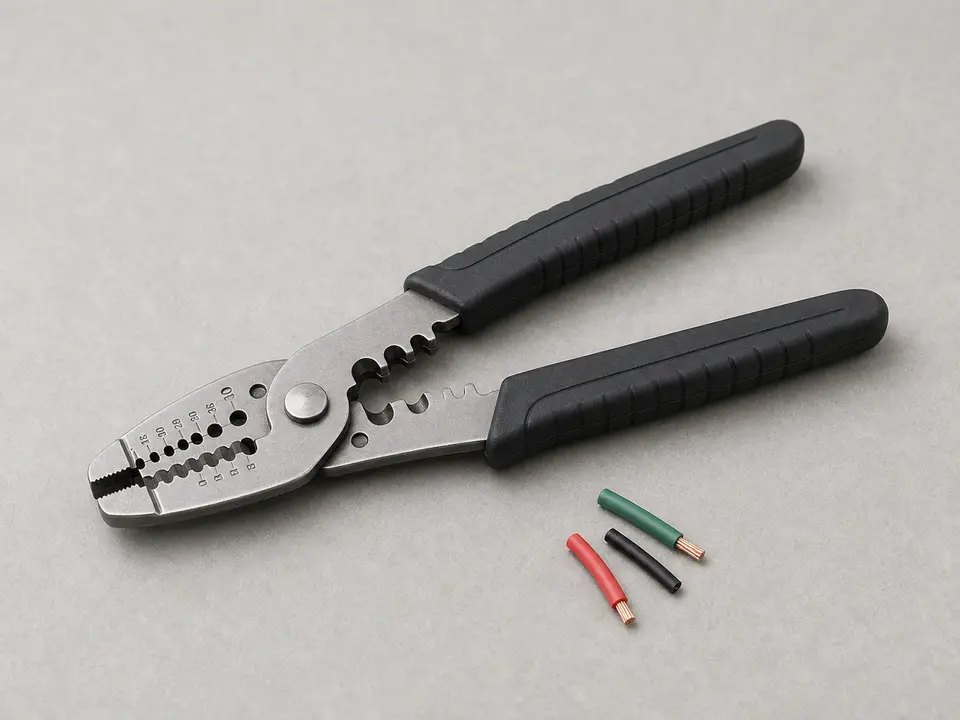
Use it for: To cut back damaged wire and attach new high-heat terminals if needed.
Shop wire stripper crimpers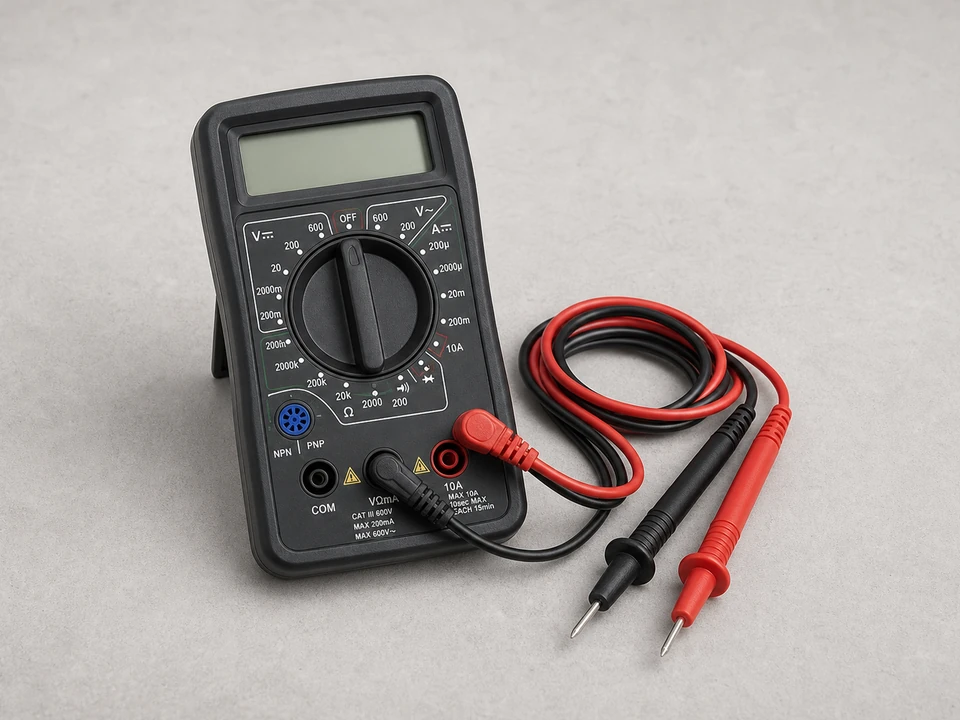
Use it for: To confirm power is off before touching internal wiring.
Shop multimeters
Use it for: To protect your hands from sharp sheet metal edges inside the cooktop.
Shop work glovesAs an Amazon Associate I earn from qualifying purchases. Repair Riot may earn a commission at no extra cost to you.
If it works: You have clear signs of heat damage, looseness, or arcing at the receptacle connection.
If it doesn’t: If the receptacle looks clean and tight, try a known-good surface element in that position before opening the cooktop.
If it works: The cooktop is open, stable, and fully de-energized.
If it doesn’t: If you cannot access the underside of the burner receptacle without forcing parts, look for hidden mounting screws along the front edge, under trim, or below the cooktop.
If it works: The old receptacle is out and you know whether the existing wire ends are reusable.
If it doesn’t: If a terminal is stuck, rock it gently with pliers instead of yanking on the wire. A damaged wire end should be trimmed back and re-terminated.
If it works: The new receptacle is mounted securely and the wiring is tight, clean, and properly routed.
If it doesn’t: If the new receptacle does not fit the bracket or the burner prongs loosely, recheck part compatibility before reassembling the cooktop.
If it works: The cooktop is back together and the burner element sits firmly in the new receptacle.
If it doesn’t: If the element will not seat fully, remove it and check for a bent prong, misaligned receptacle, or the wrong replacement part.
If it works: The burner heats normally, stays connected without flickering, and the repair holds during actual use.
If it doesn’t: If the burner still runs too hot, does not regulate, or still cuts in and out with a good connection, the problem may be the surface element, switch, or internal wiring rather than the receptacle alone.
Match the receptacle style, wire connector type, and heat rating to your cooktop before ordering.
As an Amazon Associate I earn from qualifying purchases. Repair Riot may earn a commission at no extra cost to you.
Common signs are melted plastic, dark scorch marks, loose burner fit, pitted metal contacts, or a burner that works only when moved around.
If the element prongs are burned, pitted, or misshapen, yes. A damaged element can quickly ruin a new receptacle.
Only if they are clean, tight, and show no heat damage. Burned or loose terminals should be cut off and replaced so the new receptacle gets a solid connection.
The surface element itself may be failing, or the burner control switch may not be regulating heat correctly. A new receptacle only fixes the plug-in connection point.
No. Access and mounting details vary, but the basic job is the same: disconnect power, open the cooktop, remove the damaged receptacle, install the matching replacement, and test the burner.