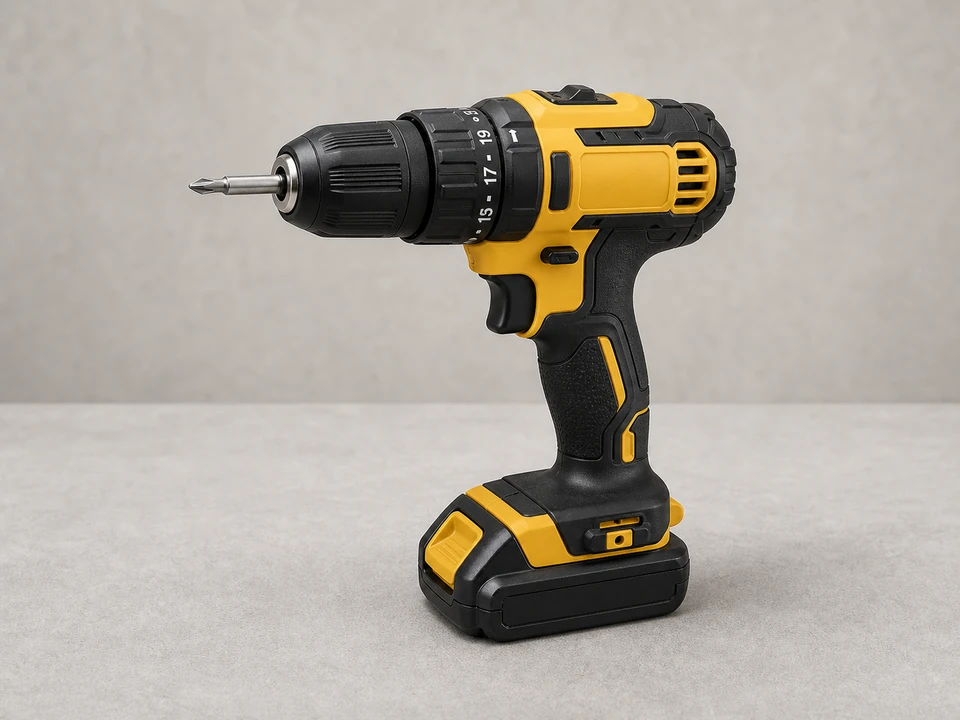
Drill/driver
Use it for: To remove old screws and drive the new fasteners cleanly.
Shop drill/driversTo replace deck fasteners, remove the loose, rusted, or backed-out fasteners, pull the board snug to the framing, and install new exterior-rated fasteners that match the deck material and board thickness.
This is a good repair when deck boards are lifting, squeaking, shifting underfoot, or showing popped nails or rusted screws. The goal is not just to swap hardware, but to pull the board tight again so it stays put in normal use.
Before you start: Match the screw type, length, head style, and exterior rating to your deck board thickness and framing material before ordering.
Use it for: To remove old screws and drive the new fasteners cleanly.
Shop drill/drivers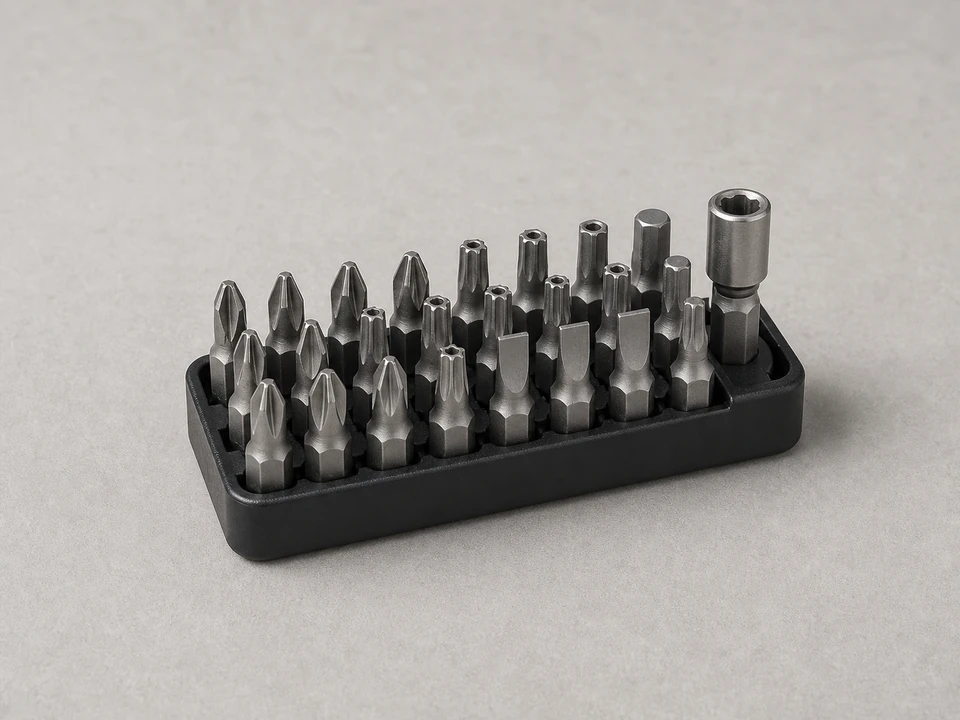
Use it for: To match the screw head and avoid stripping fasteners during removal or installation.
Find driver bit sets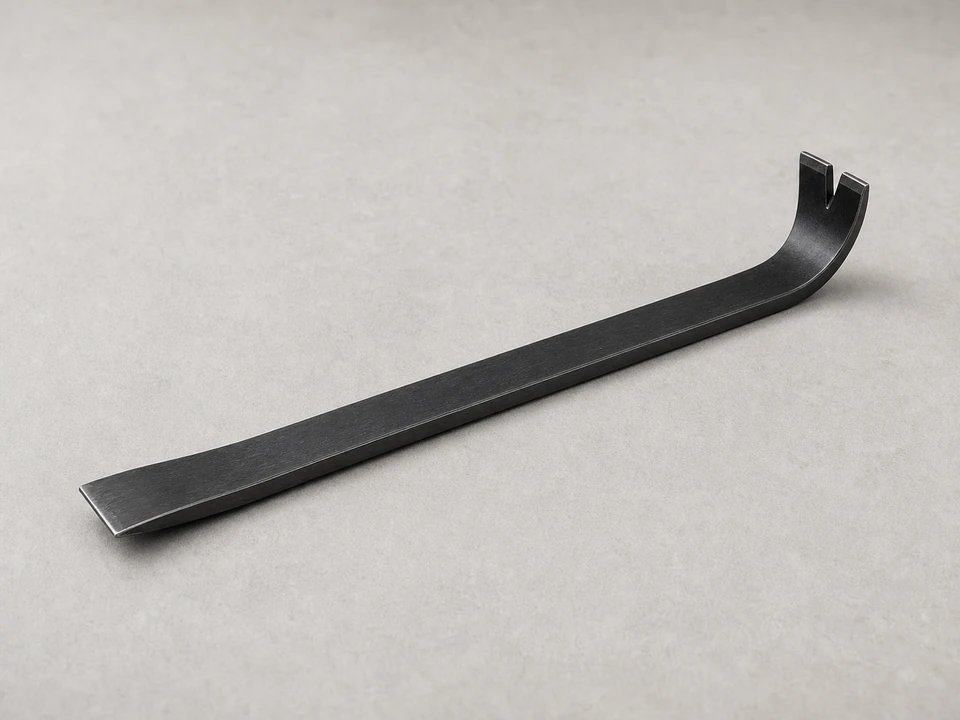
Use it for: To lift stubborn nails or help nudge a board back into position.
Shop pry bars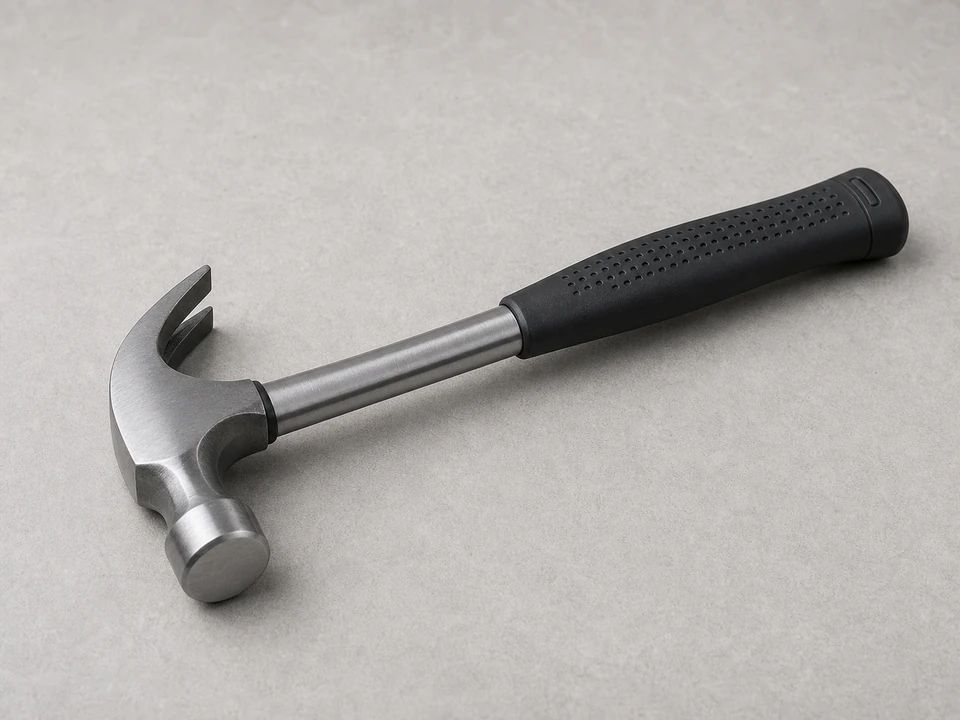
Use it for: To pull nails, tap boards into line, or help with a pry bar.
Find hammers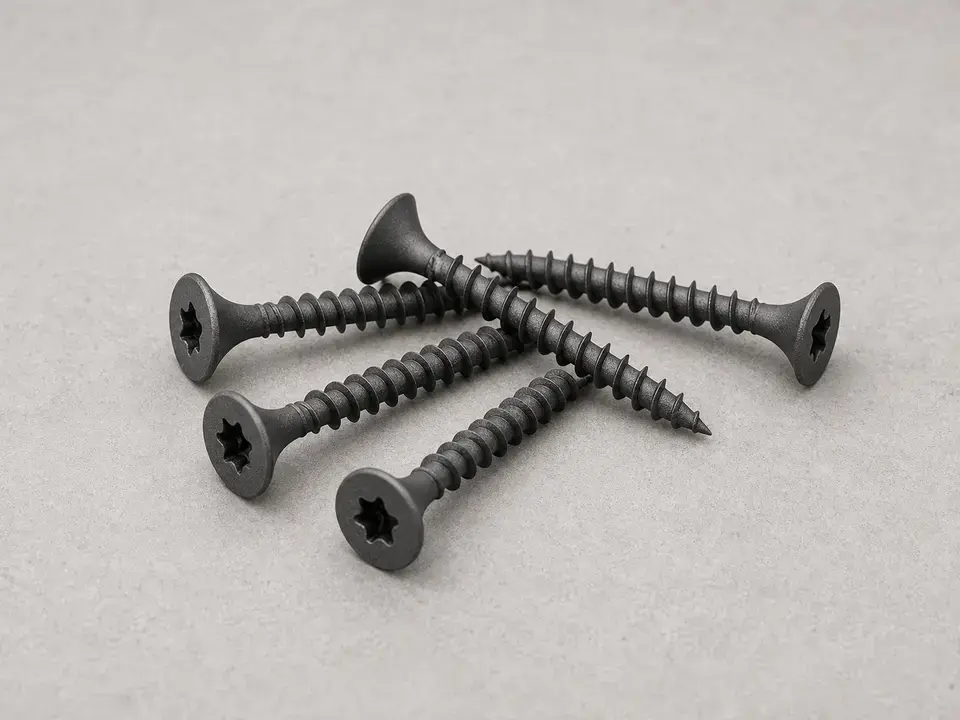
Use it for: These are the replacement fasteners for most deck board repairs.
Find exterior deck screws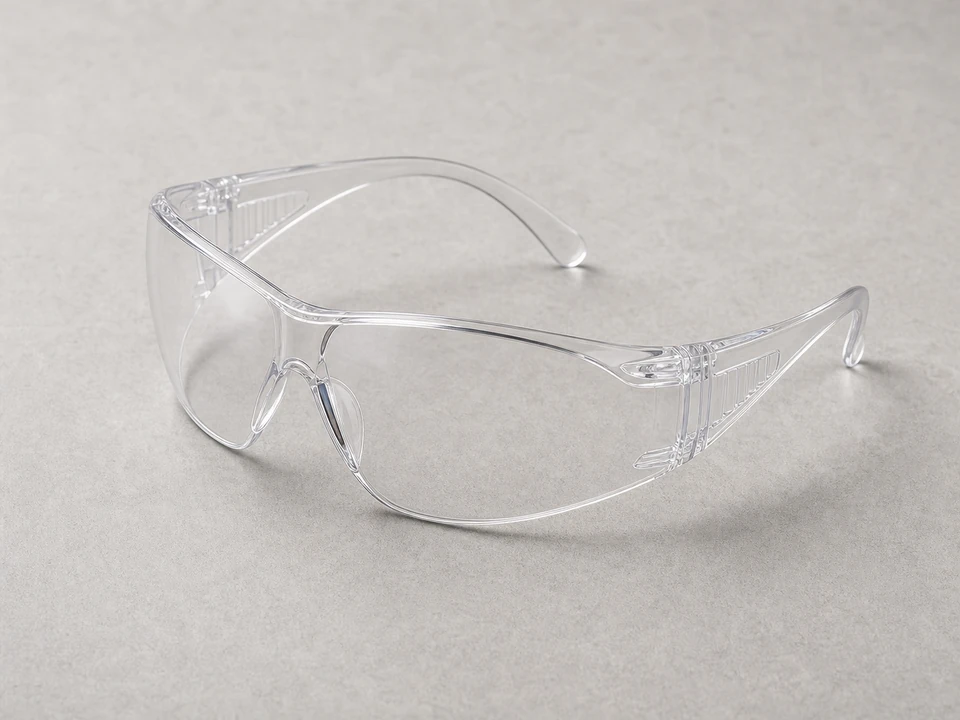
Use it for: To protect your eyes from metal fragments, wood chips, and snapped fastener heads.
Shop safety glassesAs an Amazon Associate I earn from qualifying purchases. Repair Riot may earn a commission at no extra cost to you.
If it works: You have identified loose or failed deck fasteners as the main cause of the movement.
If it doesn’t: If the board itself is split, badly rotted, or badly warped, replace the board first and then install new fasteners.
If it works: The work area is clear and you have replacement fasteners that fit the deck.
If it doesn’t: If you are unsure about size, remove one intact fastener first and use it as your sample before buying the rest.
If it works: The damaged or loose fasteners are out and the board is free to be pulled back into place.
If it doesn’t: If one stubborn fastener will not come out cleanly, leave it flush if possible and install the new fastener nearby in solid wood.
If it works: The board is seated firmly against the framing and aligned with the surrounding deck boards.
If it doesn’t: If the board will not pull down tight, inspect again for a warped board, debris trapped underneath, or damaged framing.
If it works: The replacement fasteners are secure, flush, and holding the board evenly.
If it doesn’t: If a new fastener spins without tightening, move to fresh solid wood over the framing and try again with the correct length screw.
If it works: The board stays tight, feels solid underfoot, and the new fasteners remain seated.
If it doesn’t: If the board loosens again, the root cause is usually a damaged board, enlarged holes, or weak framing rather than the fasteners alone.
Match the screw type, length, head style, and exterior rating to your deck board thickness and framing material before ordering.
As an Amazon Associate I earn from qualifying purchases. Repair Riot may earn a commission at no extra cost to you.
Usually yes for a surface deck board repair. Exterior-rated screws hold better over time and are less likely to work back out than nails.
Match the replacement to the board thickness and make sure it is long enough to anchor securely into the framing below. Bringing one old fastener with you is the easiest way to compare.
Only if the wood is still solid and the new fastener tightens properly. If the old hole is enlarged or crumbly, move the new fastener slightly into sound wood over the same framing member.
That usually means the wood is stripped or deteriorated at that spot. Move to fresh solid wood over the framing, or inspect for board or joist damage if several fasteners do the same thing.
If they are loose, backing out, staining heavily, or no longer holding the board tight, replace them. Surface discoloration alone is less important than whether the fastener still holds securely.