Deck repair

How to Replace Deck Guardrail Fasteners

If your deck guardrail feels loose because screws or other fasteners are rusted, stripped, backing out, or missing, you can usually fix it by replacing them with properly sized exterior-rated fasteners.

Start by confirming the railing itself is still sound. If the posts, rails, or framing are cracked or rotted, new fasteners alone will not make the guardrail safe.

Before you start: Match the screw type, length, head style, and exterior rating to your deck board thickness and framing material before ordering.

Prepared by: Repair Riot Last updated: 2026-06-05 How we build and check guides

Safety first

  • Wear safety glasses when removing rusted or stripped fasteners.
  • Work on a dry deck surface so your footing stays steady.
  • Do not lean your body weight on a loose guardrail while repairing it.
  • Keep fingers clear of the joint as you pull connections back into alignment.

Tools you may need

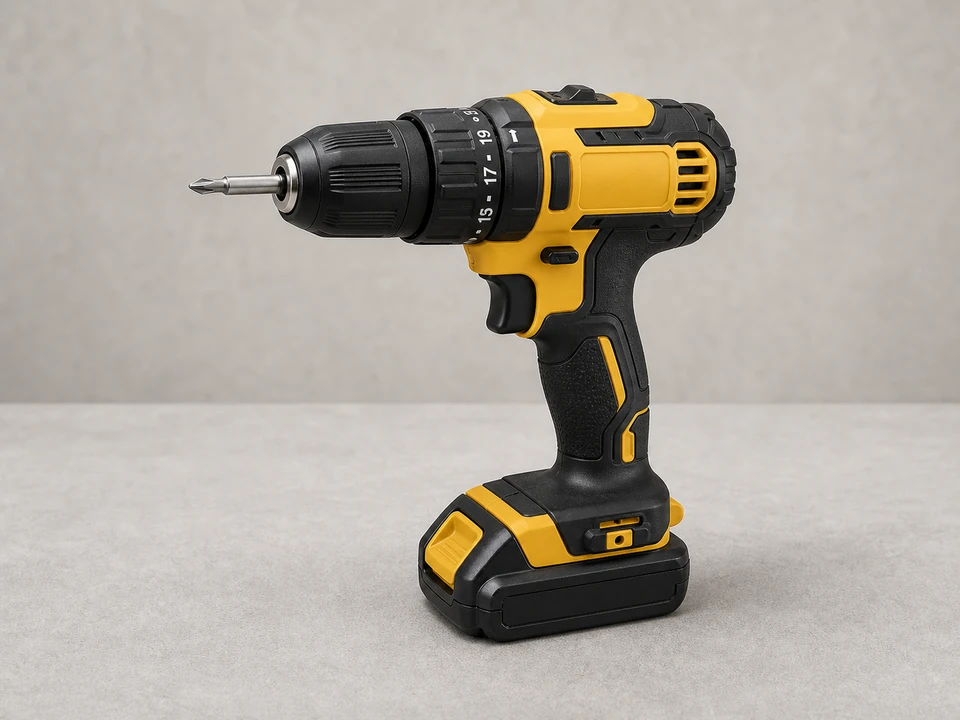
Drill driver tool

Drill/driver

Use it for: To remove old screws and drive the new fasteners cleanly.

Shop drill/drivers
Driver bit set tool

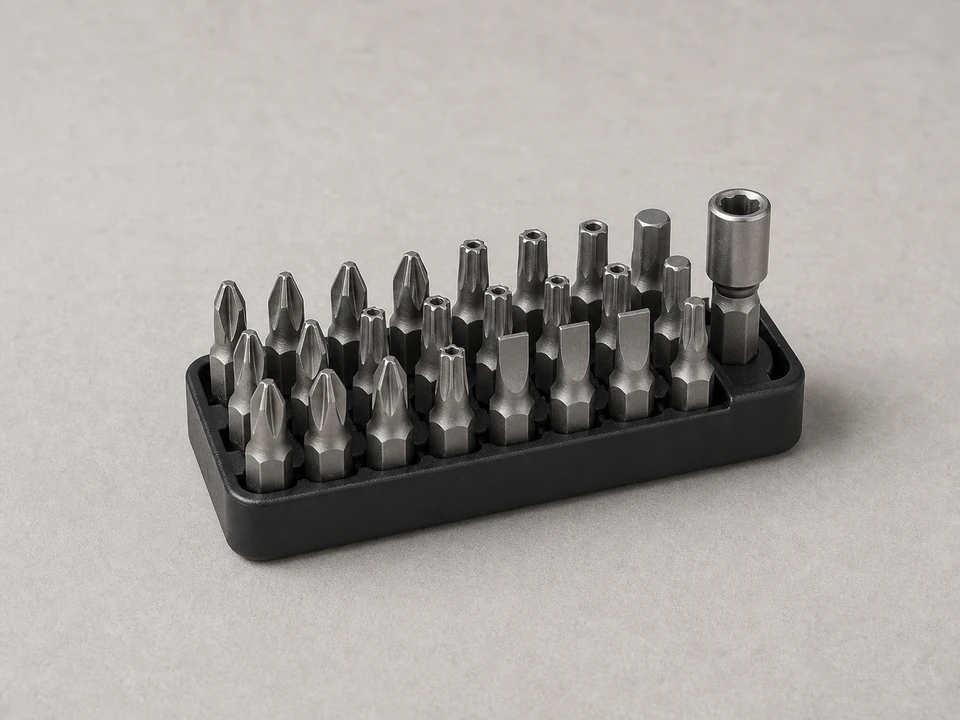
Driver bit set

Use it for: To match the old and new screw heads without stripping them.

Find driver bit sets
Tape measure tool

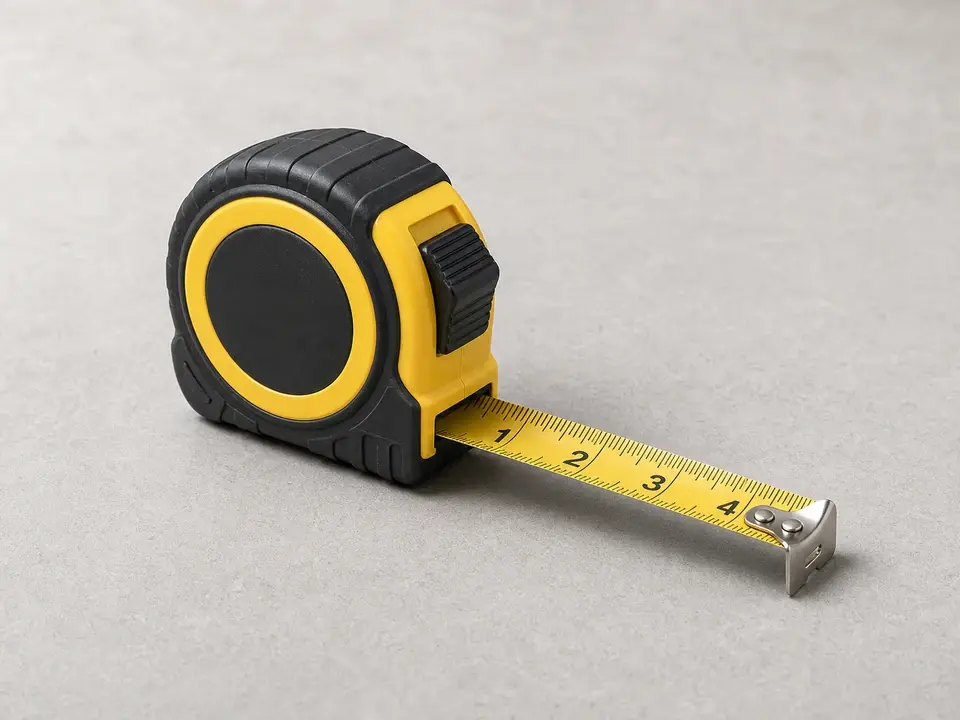
Tape measure

Use it for: To check fastener length and spacing before you buy replacements.

Shop tape measures
Pliers tool

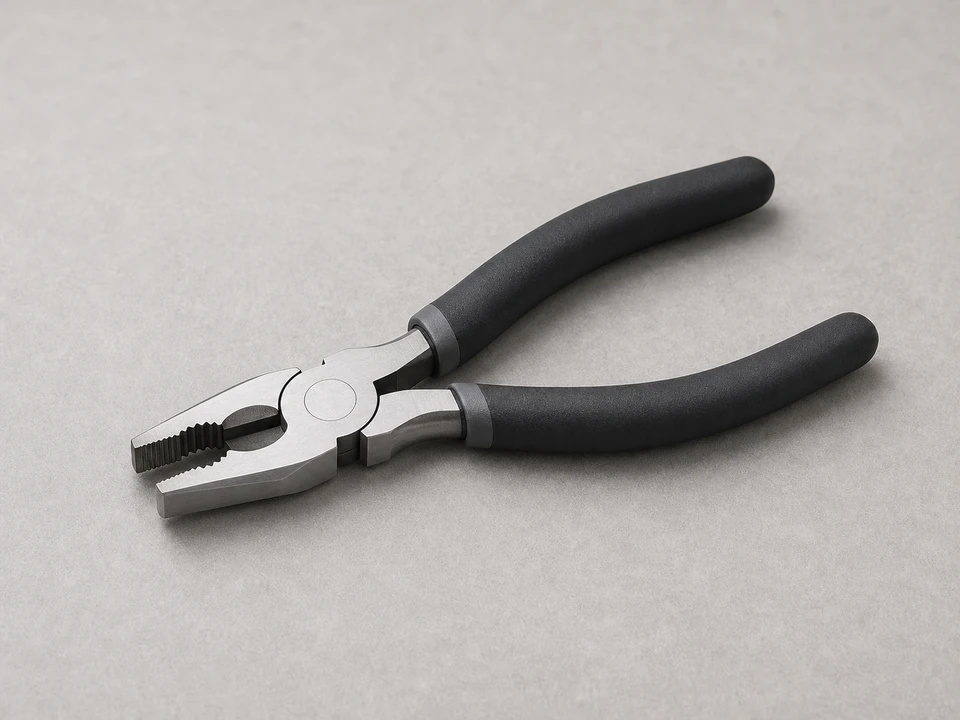
Pliers

Use it for: To pull stubborn fasteners or hold spinning hardware while you remove it.

Find pliers
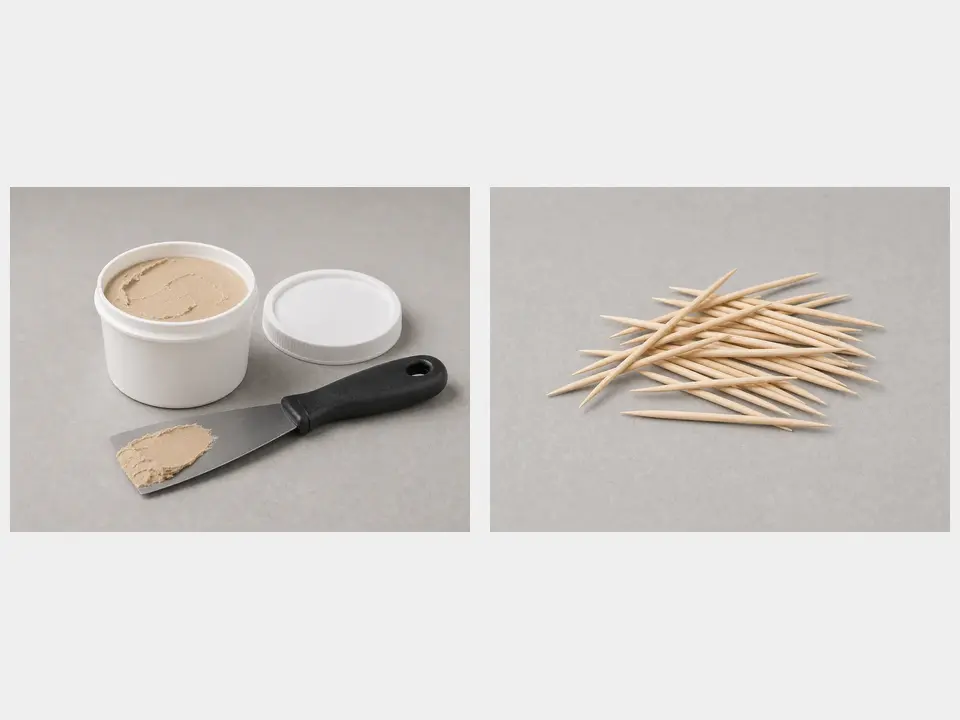
Exterior wood filler or wood toothpicks tool

Exterior wood filler or wood toothpicks

Use it for: To snug up slightly worn screw holes before reinstalling fasteners.

Shop wood repair supplies
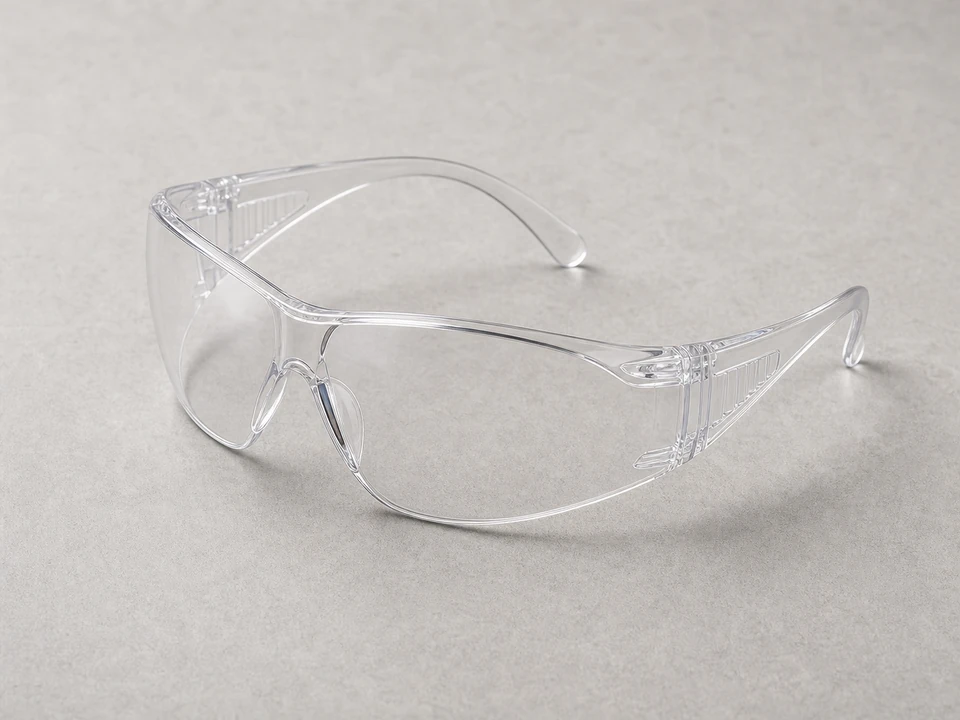
Safety glasses tool

Safety glasses

Use it for: To protect your eyes from rust flakes, wood chips, and spinning debris.

Get safety glasses

As an Amazon Associate I earn from qualifying purchases. Repair Riot may earn a commission at no extra cost to you.

Step-by-step fix

Step 1: Confirm fasteners are the real problem

  1. Grip the guardrail and push it gently in a few spots to feel where the movement is coming from.
  2. Look closely at the connections where the rail meets posts, balusters, brackets, or framing.
  3. Identify fasteners that are loose, rusted, missing, bent, or stripped out of the wood or metal connector.
  4. Check the surrounding wood for soft spots, splitting, or dark rot around the connection.

If it works: You found one or more bad fasteners and the surrounding railing parts still look solid enough for a straightforward fastener replacement.

If it doesn’t: If the railing is loose but the fasteners look sound, inspect the posts, brackets, and framing more closely because the problem may be a cracked connection or failed wood.

Stop if:
  • Guardrail posts are loose at the deck framing.
  • Wood around the fasteners is rotted, badly split, or crumbling.
  • Metal brackets or connectors are cracked, bent, or pulling apart.

Step 2: Match the replacement fasteners before removing everything

  1. Remove one representative fastener from a solid connection if possible so you can match the type and length.
  2. Choose exterior-rated replacement fasteners that match the original use as closely as practical in diameter, length, and head style.
  3. If the old fasteners are badly rusted or undersized, choose a proper exterior structural or deck-rated replacement suited to the same connection.
  4. Set the new fasteners, bit, drill, and safety glasses within reach before you start swapping them out.

If it works: You have replacement fasteners that fit the existing connection and are rated for outdoor use.

If it doesn’t: If you cannot confidently match the fastener size or purpose, take the old fastener to a hardware store and compare it before continuing.

Stop if:
  • The connection appears to rely on specialty hardware you cannot identify.
  • The old fastener was clearly carrying a structural load and you are not sure what replacement is appropriate.

Step 3: Remove the failed fasteners and clean the connection

  1. Work on one connection at a time so the railing stays aligned.
  2. Back out the damaged fasteners with the correct driver bit.
  3. Use pliers on stubborn fasteners if the head is partly stripped or spinning.
  4. Brush away rust, dirt, and loose wood fibers from the joint so the new fasteners can seat tightly.
  5. Pull the rail or bracket back into position by hand if it shifted after the old fasteners came out.

If it works: The old fasteners are out and the connection surfaces are clean and lined up for reinstallation.

If it doesn’t: If a fastener head strips completely, try gripping it with pliers or use a screw extractor before moving to the next connection.

Stop if:
  • Removing the fasteners causes the railing section to sag or separate noticeably.
  • You uncover hidden rot or a split that runs through the post, rail, or framing member.

Step 4: Tighten up worn holes if needed

  1. Test-fit a new fastener in each old hole before driving it fully.
  2. If a hole still grips the fastener firmly, reuse it.
  3. If a hole is slightly loose in wood, pack it with exterior wood filler or wood slivers, let it set as needed, and redrive the fastener once it can bite.
  4. If the old hole is too damaged to hold, move the fastener slightly to fresh material while keeping the connection properly supported and aligned.

If it works: Each fastener location can now hold a new fastener tightly without spinning loose.

If it doesn’t: If multiple holes are blown out or the wood will not hold a fastener, the connection likely needs wood repair or partial rebuilding, not just new fasteners.

Stop if:
  • The wood is too damaged to hold replacement fasteners.
  • Moving the fastener location would place it too close to an edge or split the wood further.

Step 5: Install the new deck guardrail fasteners

  1. Drive the new fasteners snugly into the cleaned and aligned connection.
  2. Keep the fastener heads flush and firm without overdriving them into the wood or deforming metal brackets.
  3. Replace all failed or heavily rusted fasteners in that connection, not just the single worst one.
  4. Repeat the same process at each loose guardrail connection until the railing feels consistently tight.

If it works: The new fasteners are seated firmly and the railing connections look even, tight, and secure.

If it doesn’t: If a fastener keeps spinning without tightening, remove it and correct the hole before trying again.

Stop if:
  • A connection will not tighten even with fresh fasteners and solid alignment.
  • The railing shifts because the post or framing itself is moving.

Step 6: Test the repair in real use

  1. Push and pull the guardrail by hand in several spots with steady pressure.
  2. Walk the deck and recheck the repaired areas for movement, gaps, or fastener heads backing out.
  3. Look for any connection that tightened at first but loosens again after a few minutes of testing.
  4. Check again after the next rain or normal use to make sure the fasteners are still holding.

If it works: The guardrail stays firm under normal hand pressure and the repaired connections remain tight after use.

If it doesn’t: If the railing still moves, the root problem is likely damaged wood, a loose post connection, or the wrong fastener choice rather than simple fastener wear.

Stop if:
  • The guardrail still feels unsafe after replacing the fasteners.
  • Any post, rail, or bracket continues to move independently of the new fasteners.

Replacement Parts

As an Amazon Associate I earn from qualifying purchases. Repair Riot may earn a commission at no extra cost to you.

Verify the repair

  • The replaced fasteners are exterior-rated and match the connection well.
  • Fastener heads are snug and not stripped or overdriven.
  • The guardrail no longer shifts at the repaired connections.
  • The railing stays tight after a firm hand test and normal deck use.

FAQ

Can I just tighten the old screws instead of replacing them?

Sometimes, but if they are rusted, stripped, bent, or backing out, they usually will not hold for long. Replacement is the better fix.

What kind of fasteners should I use on a deck guardrail?

Use exterior-rated fasteners suited to the connection and material. Match the length, diameter, and head style so the new fasteners can grip properly without damaging the rail or post.

What if the new fasteners still will not tighten?

That usually means the hole or surrounding wood is worn out or damaged. A slightly loose hole may be repairable, but badly damaged wood needs more than new fasteners.

Should I replace just the missing fasteners or all the rusty ones nearby?

Replace all failed or heavily rusted fasteners in the same connection. Mixing one new fastener with several weak ones often leaves the railing loose.

Do I need to predrill new holes?

Not always. If you are moving to a fresh location near an edge or working with dense material, predrilling can help prevent splitting and make the fastener seat more cleanly.