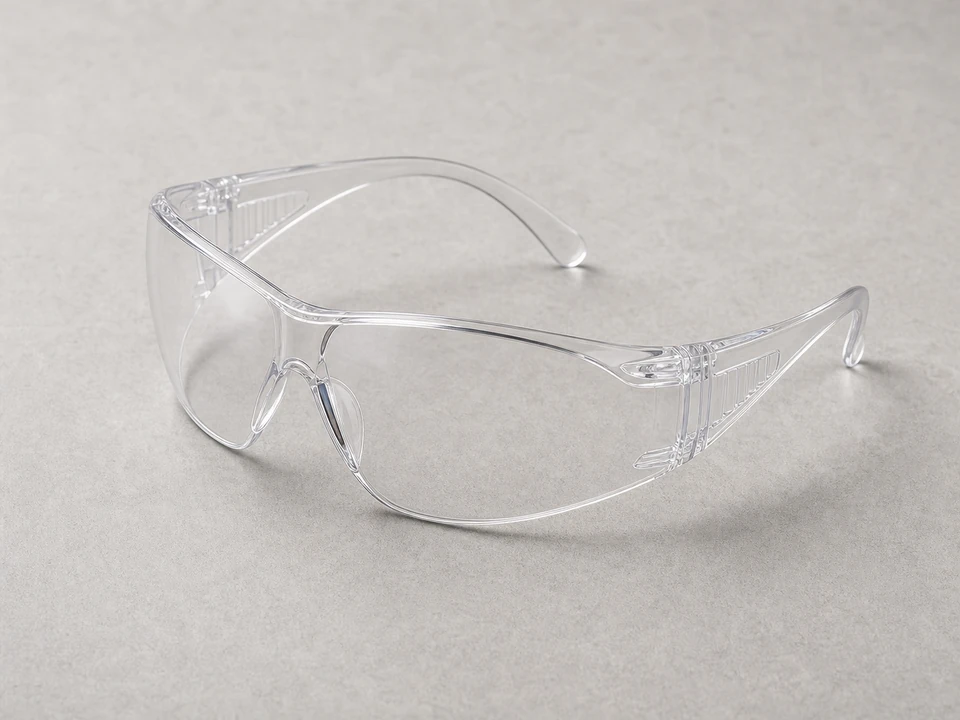
Safety glasses
Use it for: Protects your eyes from rust flakes, metal chips, and falling debris while removing old fasteners.
Shop safety glassesIf a joist hanger has loose, rusted, bent, or missing fasteners, you can usually replace them one at a time with the correct structural connector fasteners and tighten the hanger back to the framing.
This repair is straightforward when the hanger itself is still sound and the wood around it is solid. The main goal is to use the right fasteners in the right holes without letting the joist shift while you work.
Before you start: Match the joist size, hanger style, hole pattern, and approved fastener type before ordering. Do not substitute common deck screws for hanger fasteners unless the connector specifically allows them.
Use it for: Protects your eyes from rust flakes, metal chips, and falling debris while removing old fasteners.
Shop safety glasses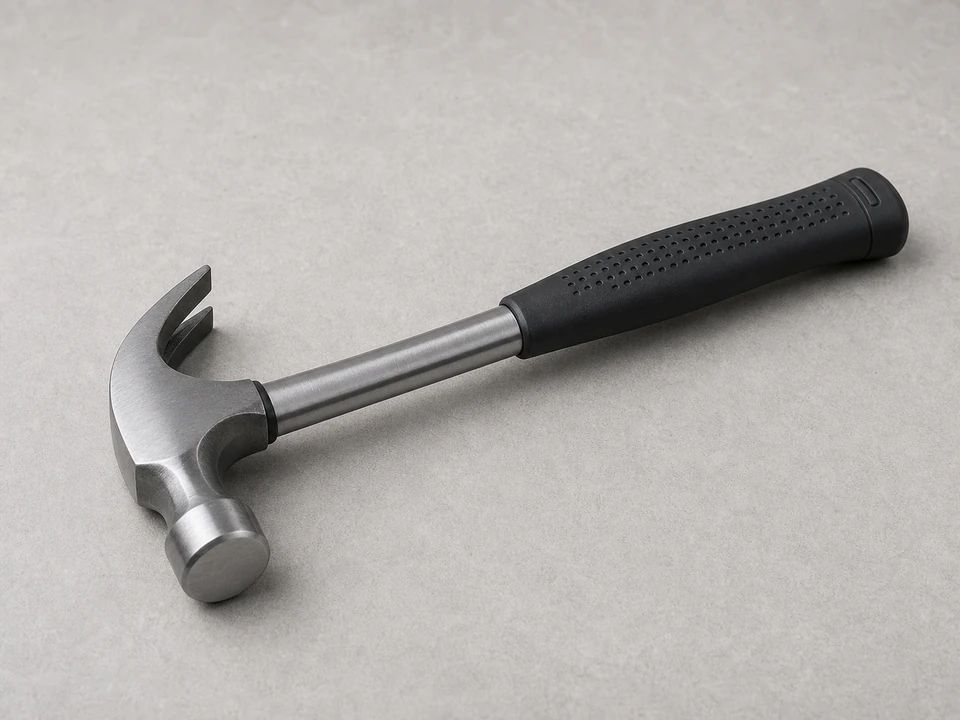
Use it for: Drives approved joist hanger nails and helps tap out stubborn old fasteners.
Shop framing hammer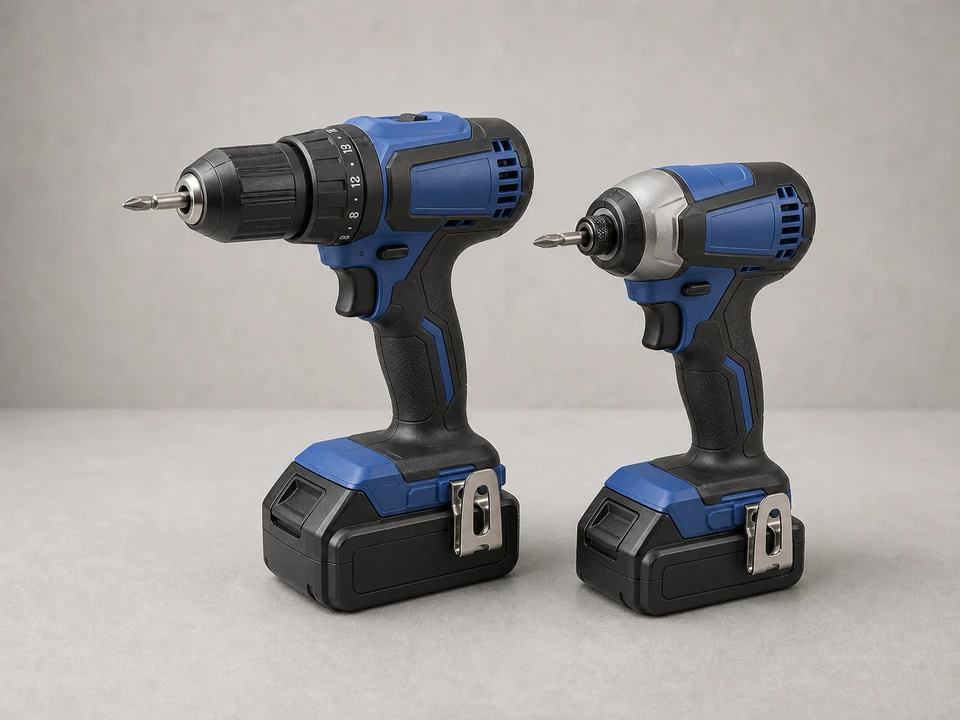
Use it for: Installs approved structural connector screws if your hanger allows screws instead of nails.
Shop impact driver kit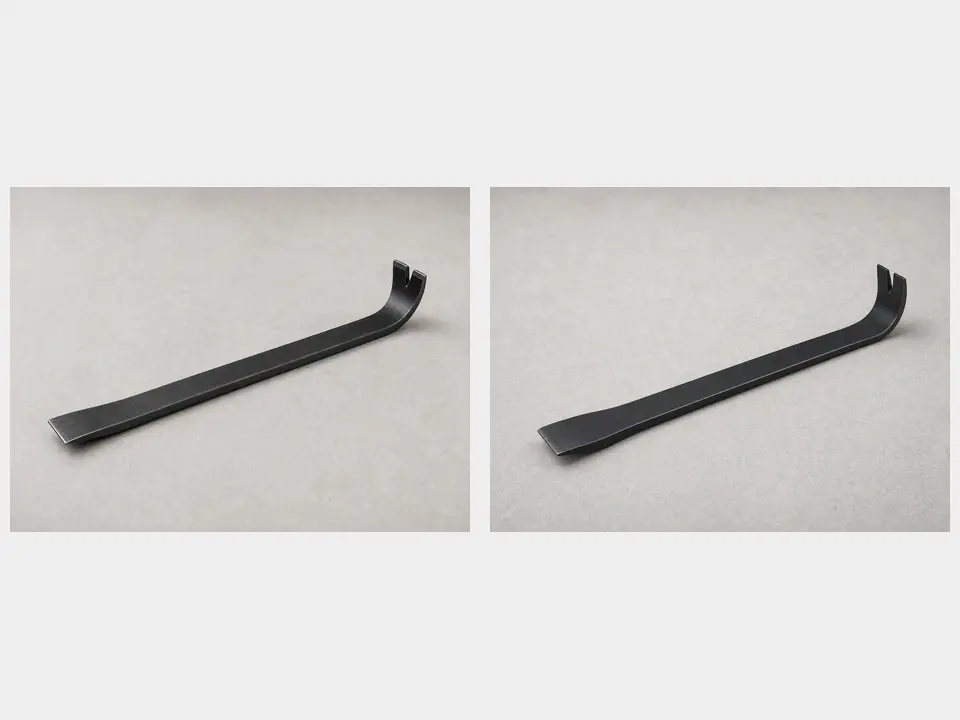
Use it for: Removes old nails without tearing up the hanger or surrounding wood more than necessary.
Shop nail puller tool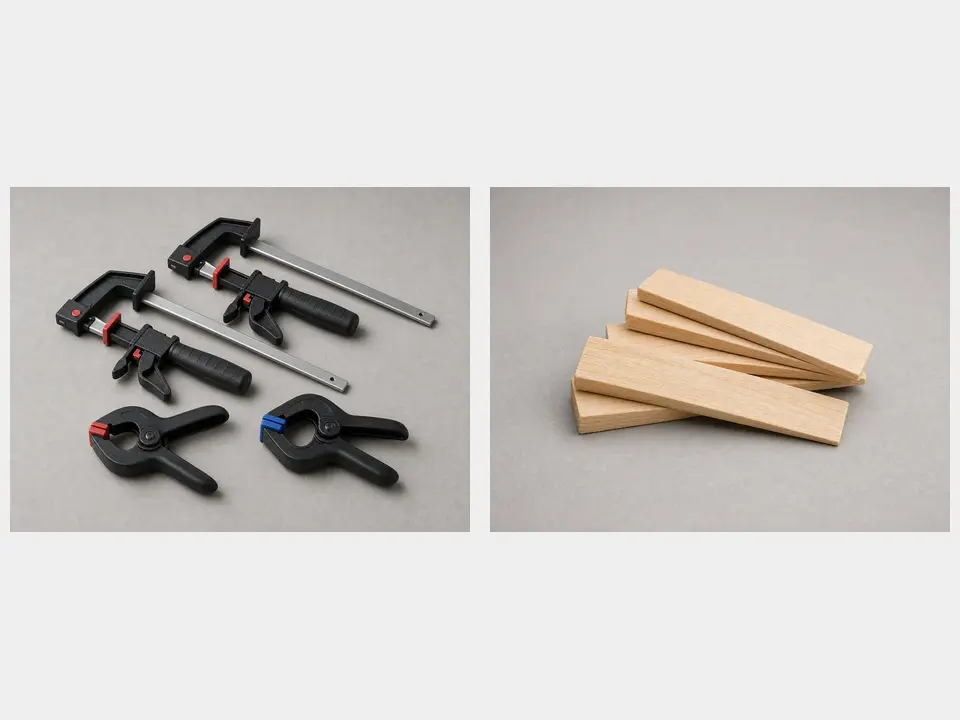
Use it for: Keeps the joist from dropping or twisting while fasteners are out.
Shop bar clamps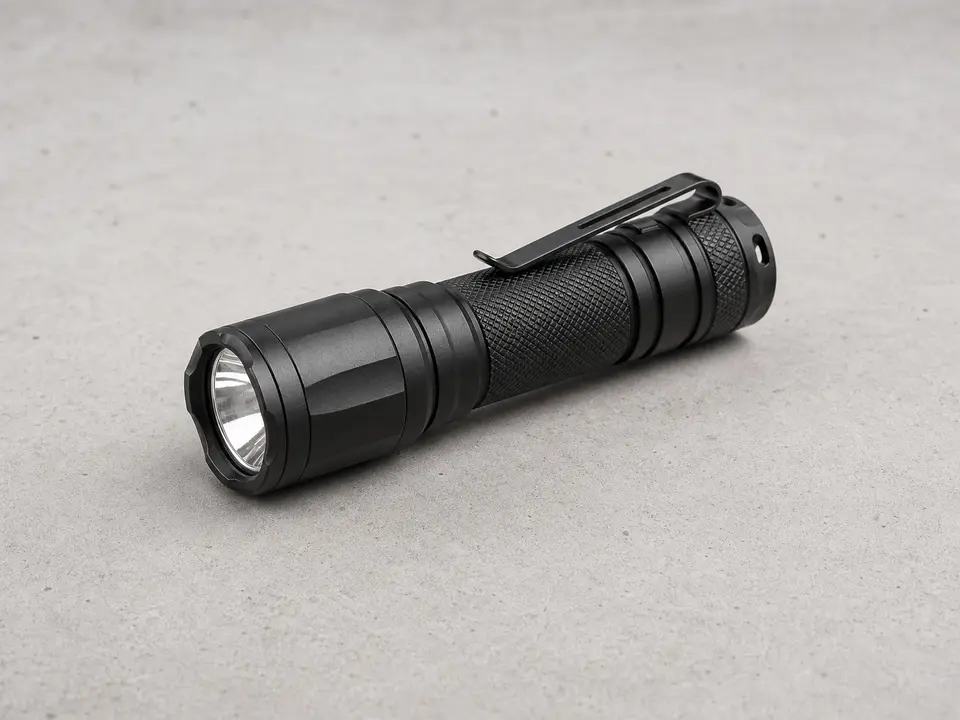
Use it for: Helps you inspect the hanger, wood fibers, and hidden rust in shaded areas under the deck.
Shop LED flashlightAs an Amazon Associate I earn from qualifying purchases. Repair Riot may earn a commission at no extra cost to you.
If it works: You found a hanger with fastener problems, but the hanger body and surrounding wood still appear usable.
If it doesn’t: If the hanger is intact and all fasteners are tight and corrosion-free, the movement or sag may be coming from another deck connection.
If it works: The joist is supported, the area is stable, and you have the correct replacement fasteners ready.
If it doesn’t: If you cannot safely support the joist or reach the hanger without overreaching, stop and improve access before continuing.
If it works: The bad fasteners are out and the hanger is still aligned against solid wood.
If it doesn’t: If a fastener breaks off flush, remove what you can and move to an approved open hole if the hanger pattern allows it. If not, the connection may need a larger repair.
If it works: The hanger is tight to the framing and joist, and the replacement fasteners are seated cleanly in the proper holes.
If it doesn’t: If the fasteners will not tighten because the wood is too damaged to hold them, the repair has moved beyond a simple fastener replacement.
If it works: The joist stays in place on its own and the hanger remains tight after support is removed.
If it doesn’t: If the joist settles or the hanger opens up again, the connection likely has hidden wood or framing damage that needs a broader repair.
If it works: The connection stays tight during normal foot traffic, with no visible movement at the hanger.
If it doesn’t: If movement, squeaking, or sag returns, inspect nearby hangers and framing because the root cause may be broader than one set of fasteners.
Match the joist size, hanger style, hole pattern, and approved fastener type before ordering. Do not substitute common deck screws for hanger fasteners unless the connector specifically allows them.
As an Amazon Associate I earn from qualifying purchases. Repair Riot may earn a commission at no extra cost to you.
Usually no. Regular deck screws are not the same as structural connector fasteners. Use the fastener type approved for that hanger so the connection can handle load properly.
Not always. If only a few are loose, rusted, or wrong, you can often replace just those. If corrosion is widespread or several holes are compromised, replacing all affected fasteners is the safer path.
Remove them carefully with a nail puller or pry tool and avoid tearing up the wood. If they break off and the wood or hanger is damaged, the repair may need to expand beyond simple fastener replacement.
Replace the hanger if it is cracked, bent, torn, heavily corroded, or no longer sits flat. New fasteners will not fix a damaged connector body.
Common causes are corrosion, the wrong fastener type, repeated movement, or moisture damage in the surrounding wood. Replacing the fasteners works best when you also correct the underlying cause.