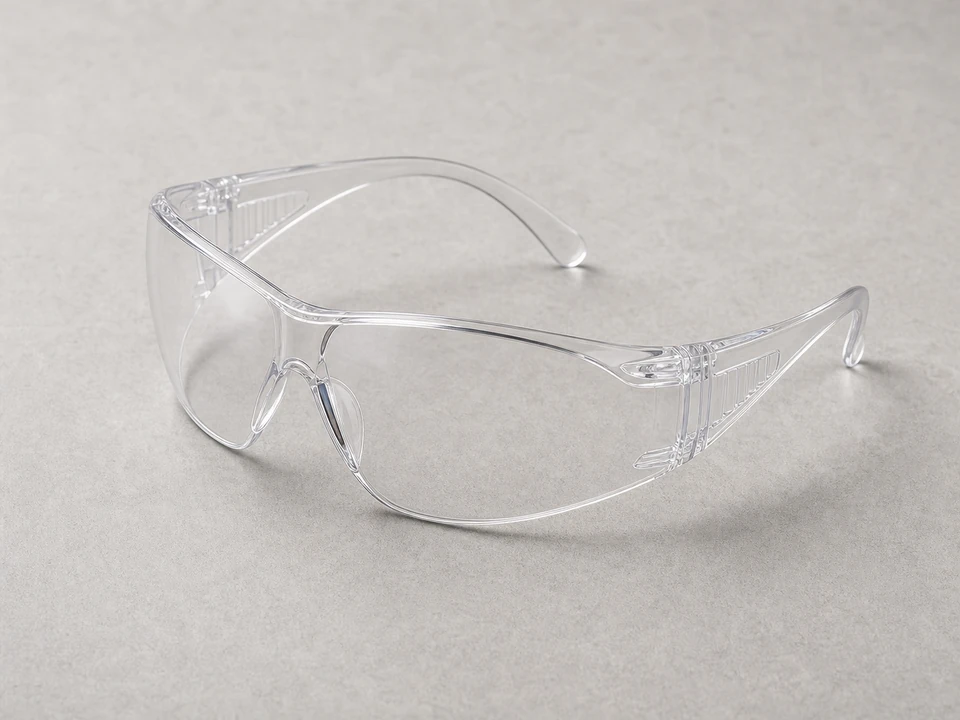
Safety glasses
Use it for: Protects your eyes while pulling old fasteners and driving new ones overhead or at awkward angles.
Shop safety glassesTo replace a deck stair joist hanger, first support the stair stringer or joist so it cannot drop, remove the old hanger and fasteners, install the correct replacement hanger in the same position, and fasten it with the approved hanger nails or structural screws.
This repair is manageable for many homeowners if the damage is limited to the metal hanger and fasteners. If the wood around the connection is split, soft, badly rotted, or pulling apart, stop and address the structural damage before installing a new hanger.
Before you start: Match the joist size, hanger style, and approved fastener requirements before ordering.
Use it for: Protects your eyes while pulling old fasteners and driving new ones overhead or at awkward angles.
Shop safety glasses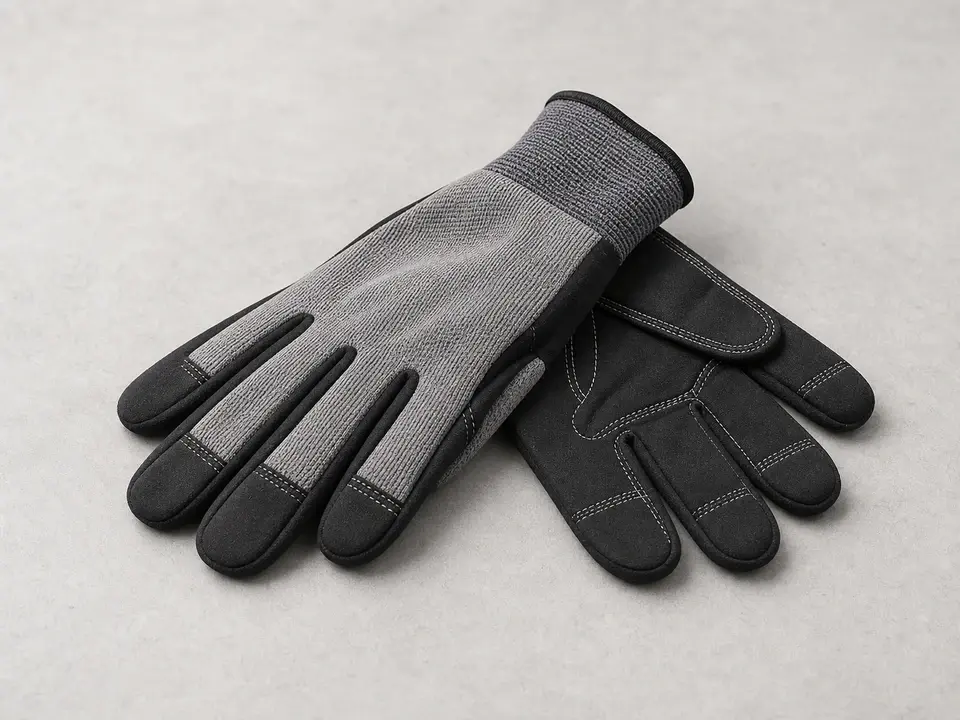
Use it for: Helps protect your hands from sharp metal edges and splinters.
Shop work gloves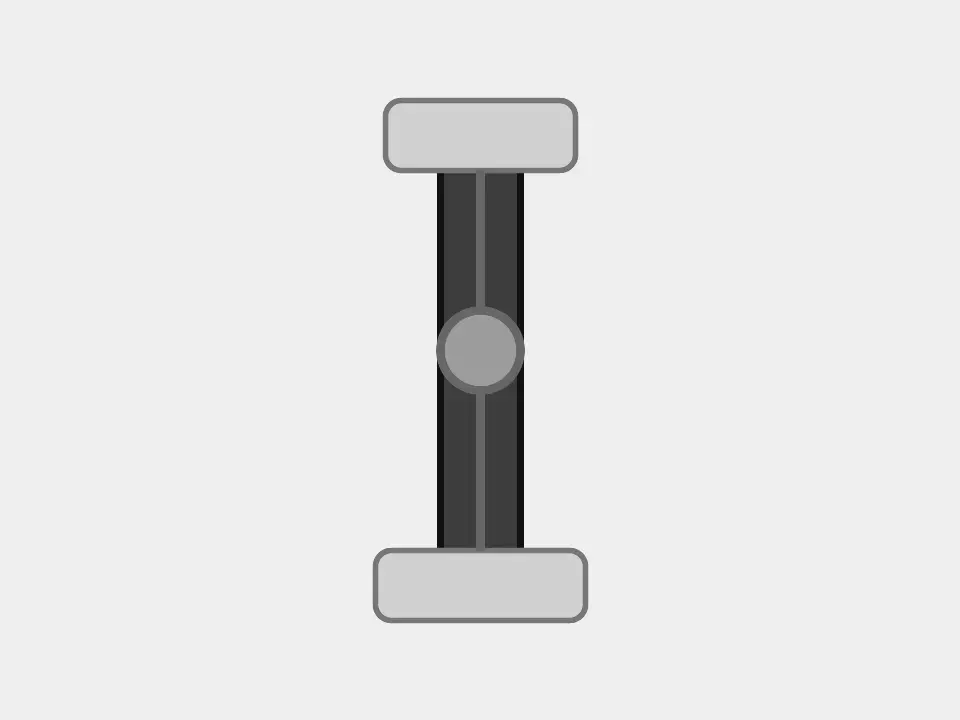
Use it for: Holds the stair member in place while the hanger is removed.
Shop temporary support tools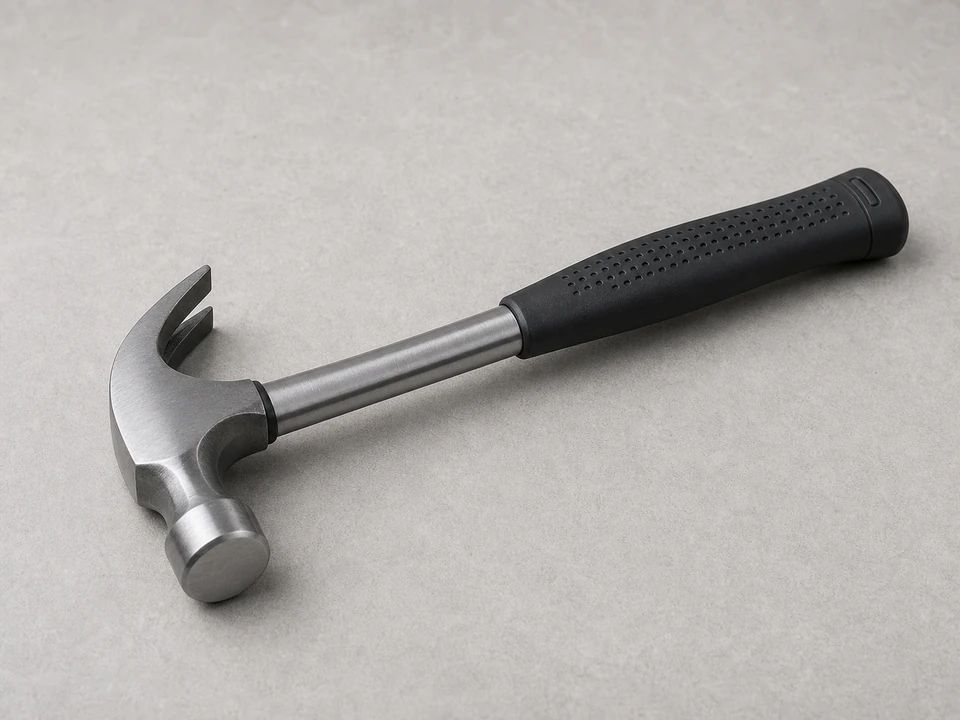
Use it for: Useful for removing old hanger nails and driving new approved nails if needed.
Shop hammers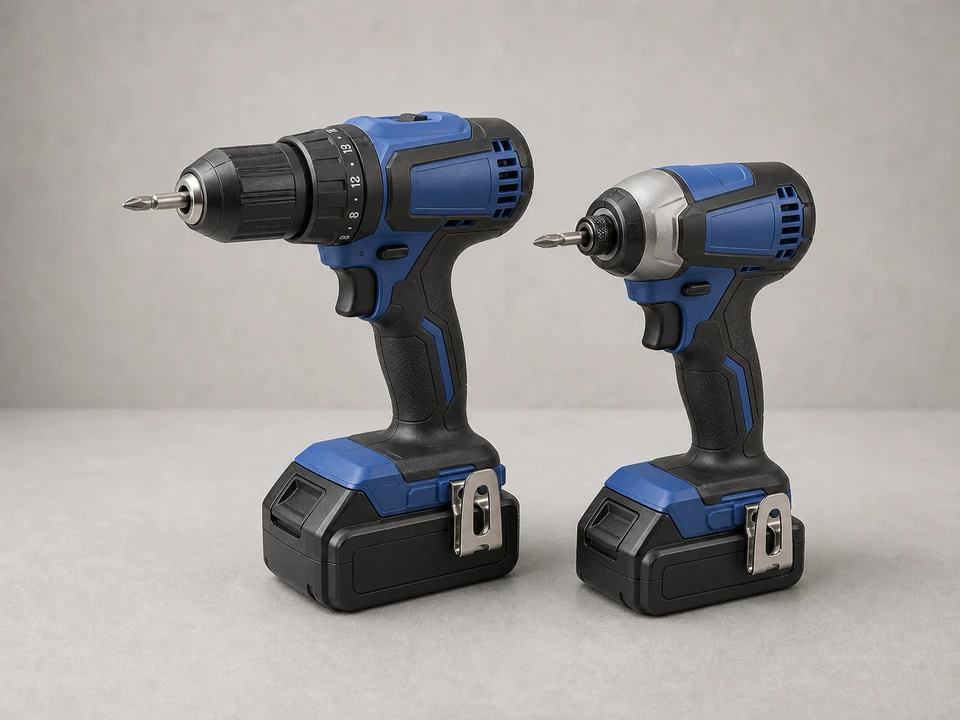
Use it for: Drives approved structural fasteners if your hanger uses screws instead of nails.
Shop drill drivers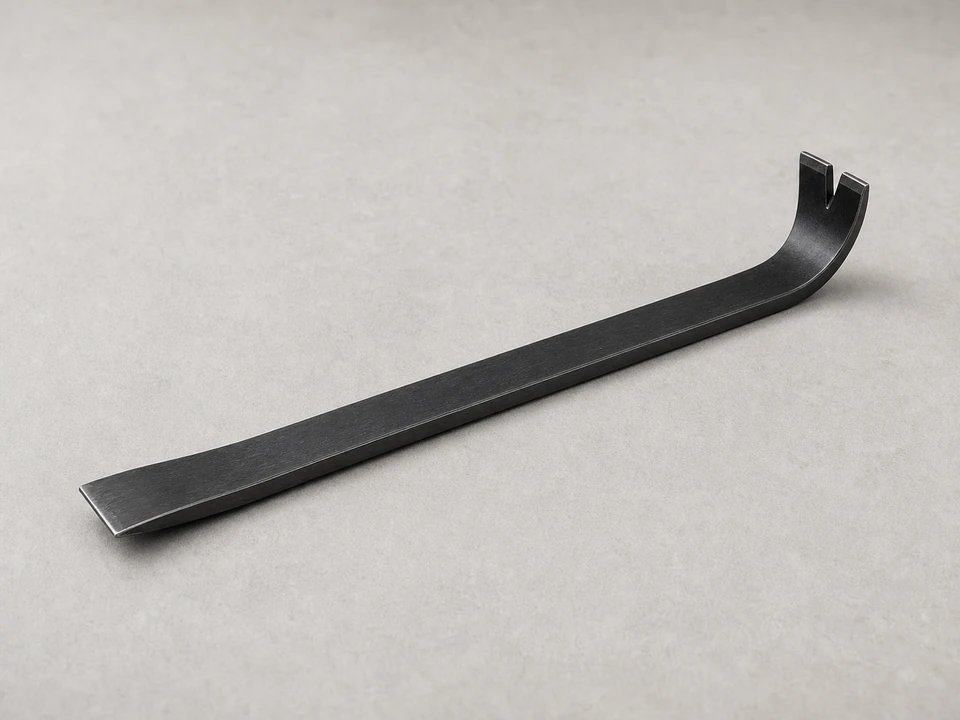
Use it for: Helps lift the old hanger free without tearing up surrounding wood more than necessary.
Shop pry bars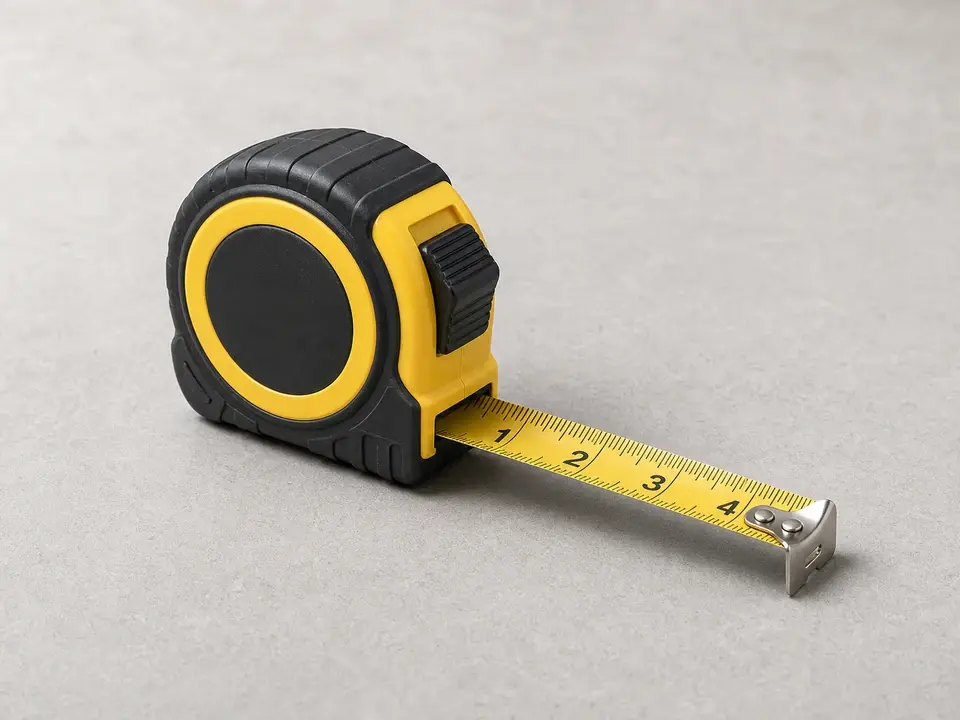
Use it for: Confirms the joist or stringer size so the replacement hanger fits correctly.
Shop tape measuresAs an Amazon Associate I earn from qualifying purchases. Repair Riot may earn a commission at no extra cost to you.
If it works: You have confirmed the hanger or its fasteners are damaged and the surrounding wood appears solid enough for a direct replacement.
If it doesn’t: If the hanger looks intact but the stair still moves, inspect the stringer, tread connections, ledger area, and posts for the real source of movement before replacing parts.
If it works: The stair connection is stable, unloaded, and safe to work on without the member dropping when the hanger comes off.
If it doesn’t: If you cannot support the stair securely from below, wait and set up a safer support method before continuing.
If it works: The old hanger is off, the fastener holes are exposed, and the wood surfaces are clean enough for the new hanger to sit flat.
If it doesn’t: If a few old holes are enlarged, you may still be able to use a new hanger with a full approved fastener pattern in solid wood nearby.
If it works: The new hanger fits the wood member correctly and sits in the right position without forcing the connection.
If it doesn’t: If the hanger does not fit snugly, stop and get the correct size or style instead of trying to bend it to fit.
If it works: The hanger is fully fastened, the stair member stays in place after support is removed, and the connection looks tight and even.
If it doesn’t: If the hanger pulls away or the fasteners will not tighten in solid wood, the surrounding framing likely needs repair before this replacement will hold.
If it works: The stair feels firm in normal use, the hanger stays tight, and there is no fresh movement at the repaired connection.
If it doesn’t: If the stair still feels loose, inspect the adjacent framing and other stair connections because more than one part may be contributing to the movement.
Match the joist size, hanger style, and approved fastener requirements before ordering.
As an Amazon Associate I earn from qualifying purchases. Repair Riot may earn a commission at no extra cost to you.
Yes, if the looseness is coming from a damaged hanger or failed fasteners and the surrounding wood is still solid. If the wood is rotten, split, or pulling apart, the wood repair comes first.
Not as a substitute unless the screw is specifically made and approved for structural connector use. Standard deck screws are not the same as hanger nails or structural connector screws.
Measure the width and depth of the stair joist or stringer where it sits in the hanger, then match the replacement to that size and connection style. The hanger should fit snugly without bending or shimming.
Yes. If the old hanger is being replaced, use new approved fasteners with the new connector. Mixing in old corroded fasteners can weaken the repair.
That usually means the wood is damaged, the old fasteners are still in the way, or the replacement hanger is the wrong style. Clean the area, remove obstructions, and confirm the fit before fastening anything.