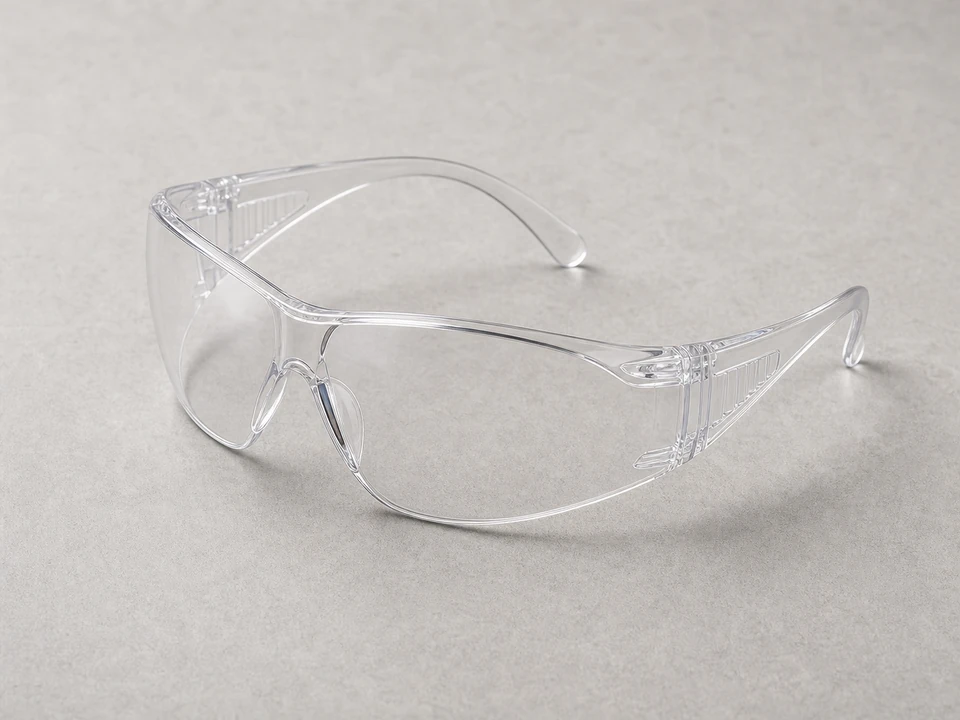
Safety glasses
Use it for: Protects your eyes while pulling old fasteners and driving new ones overhead.
Shop safety glassesTo replace a deck joist hanger, first confirm the hanger is actually bent, rusted through, cracked, or pulling loose. Then support the joist, remove the old hanger and fasteners, install the correct new hanger with the right structural fasteners, and make sure the joist sits fully in the seat without movement.
A joist hanger is a structural connector, so this repair needs careful support and the right replacement part. If the surrounding wood is rotten, split badly, or the deck is sagging more than one loose hanger can explain, stop and deal with the framing problem before swapping hardware.
Before you start: Match the joist size, hanger style, and approved fastener requirements before ordering.
Use it for: Protects your eyes while pulling old fasteners and driving new ones overhead.
Shop safety glasses
Use it for: Helps you handle sharp metal edges and rough framing safely.
Shop work gloves
Use it for: Takes weight off the joist so the old hanger can come out without the framing dropping.
Find a support jack post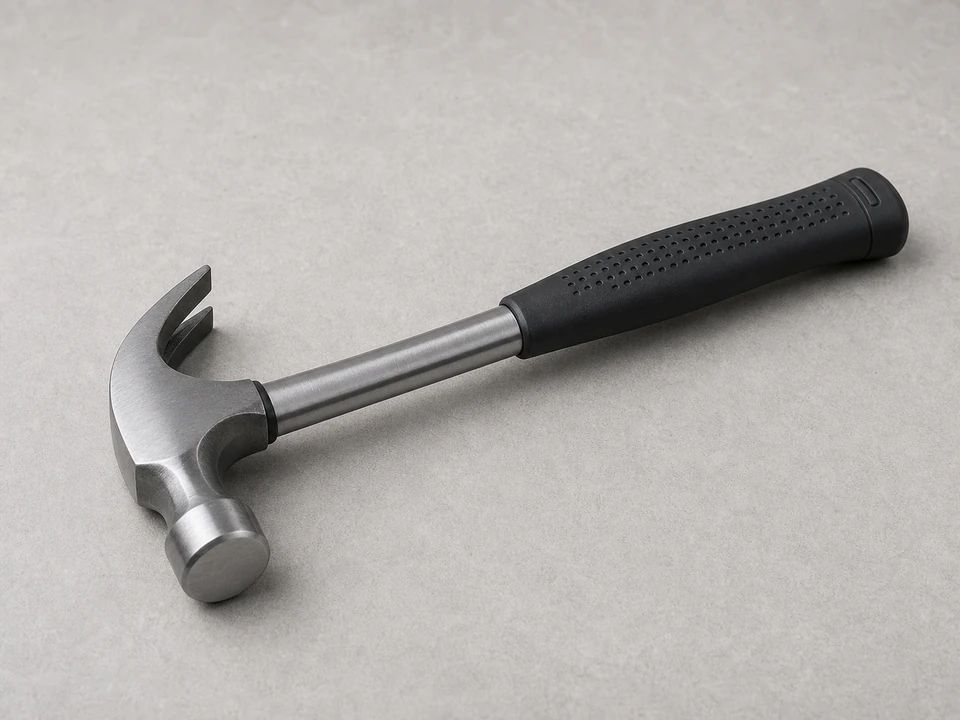
Use it for: Useful for tapping the hanger into place and removing some nails.
Shop framing hammer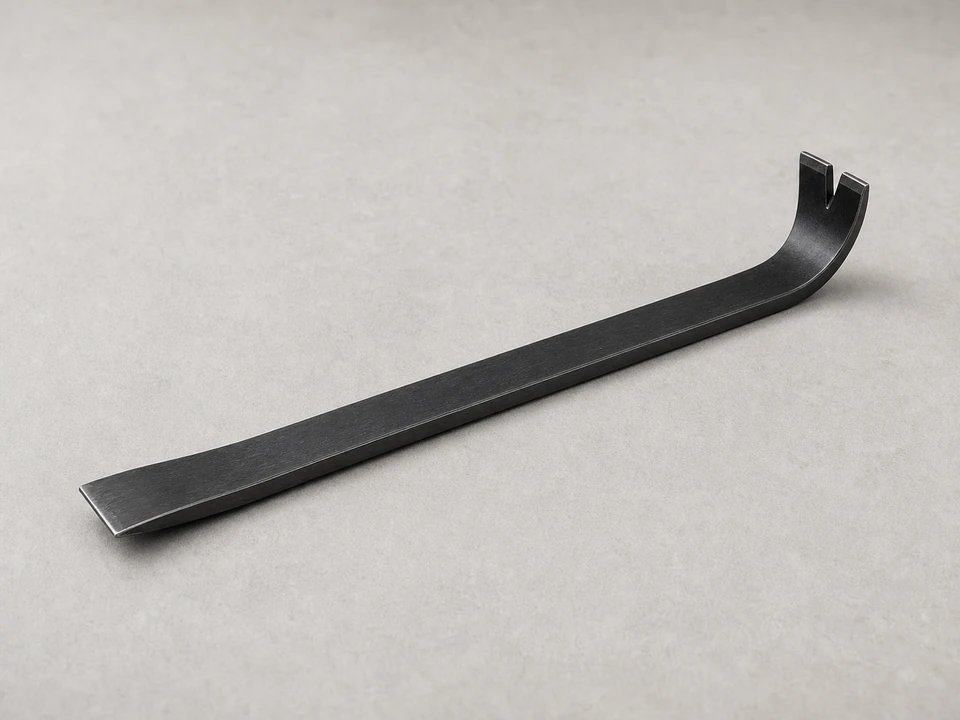
Use it for: Helps pull the old hanger loose and remove stubborn fasteners.
Find a pry bar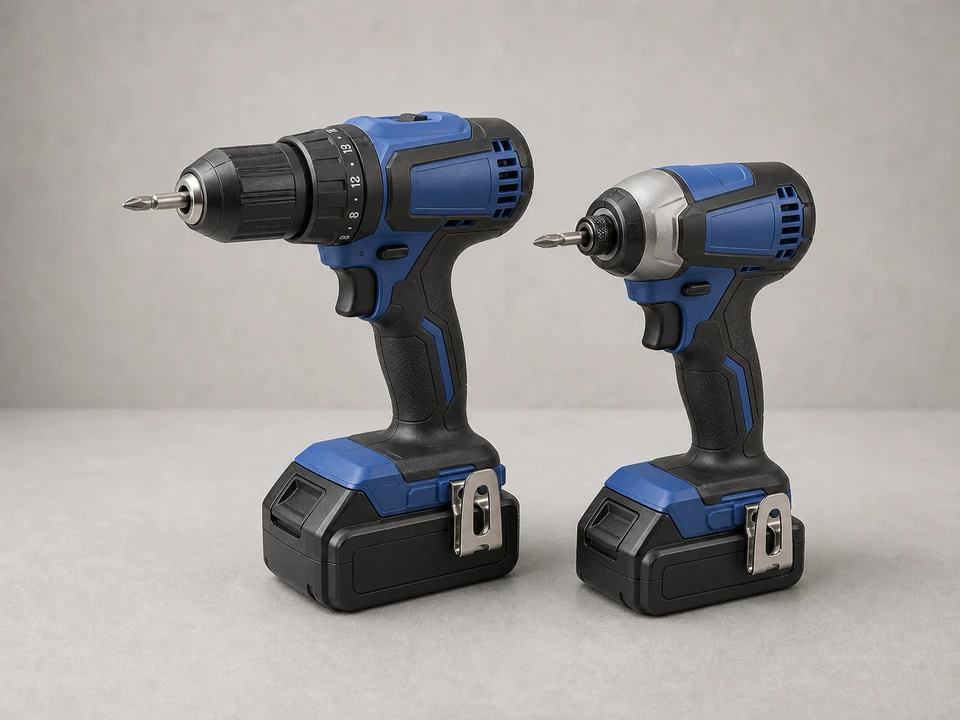
Use it for: Drives approved structural screws if your hanger uses them.
Shop drill driver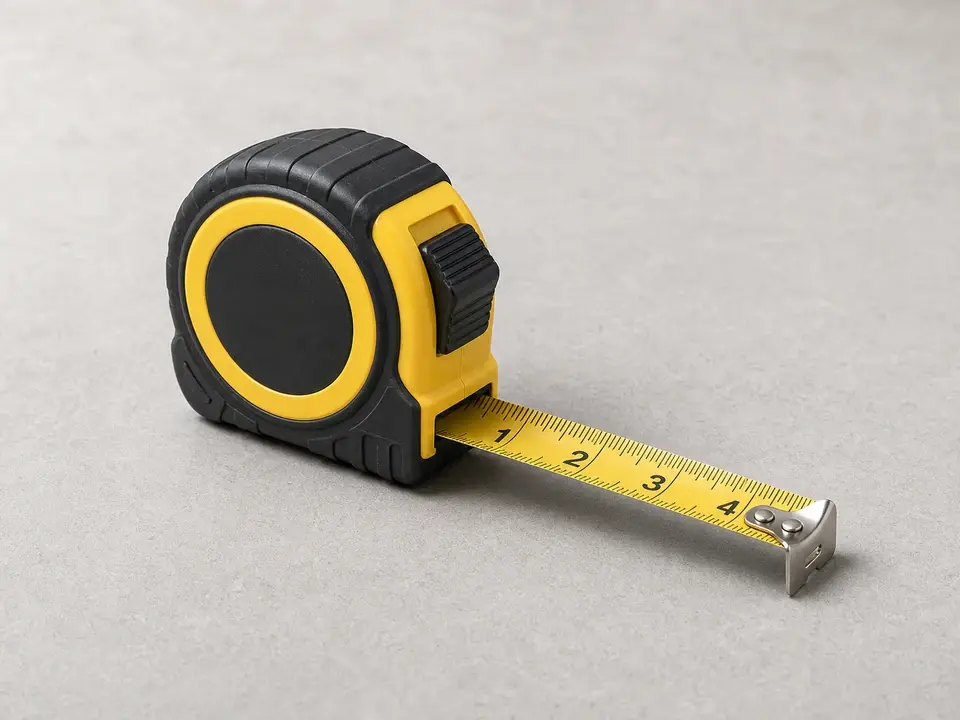
Use it for: Lets you confirm joist width and hanger size before installation.
Shop tape measuresAs an Amazon Associate I earn from qualifying purchases. Repair Riot may earn a commission at no extra cost to you.
If it works: You have confirmed the hanger is damaged or loose and the repair makes sense.
If it doesn’t: If the hanger looks sound, look for a different cause such as loose decking, a split joist, or movement at the beam or ledger connection.
If it doesn’t: If a fastener spins out or will not tighten because the wood is damaged, move to a sound fastening location only if the connector still installs properly. Otherwise repair the framing before relying on the hanger.
If it works: The joist stays seated, the hanger stays tight, and the deck feels solid in normal use.
If it doesn’t: If movement or noise remains, inspect nearby hangers, the joist itself, and the supporting beam or ledger for additional loose or damaged framing.
Match the joist size, hanger style, and approved fastener requirements before ordering.
As an Amazon Associate I earn from qualifying purchases. Repair Riot may earn a commission at no extra cost to you.
It is safer to support the joist first. Even if the joist does not drop much, unloading the hanger makes removal easier and helps keep the framing aligned while you install the new connector.
No. Joist hangers need approved structural fasteners for that connector. Common deck screws and drywall screws are not a substitute for hanger nails or structural connector screws.
Match the hanger to the actual joist size and the connection style. Measure the joist width and depth, and compare the replacement to the old hanger only after confirming the old one was the correct size.
Do not rely on a new hanger alone. The framing needs repair or replacement before the connector can do its job. A new hanger installed into weak wood will not be a lasting fix.
If one hanger failed from age, corrosion, or the wrong fasteners, inspect the others closely. Replace any that are similarly rusted, bent, loose, or installed with the wrong hardware.