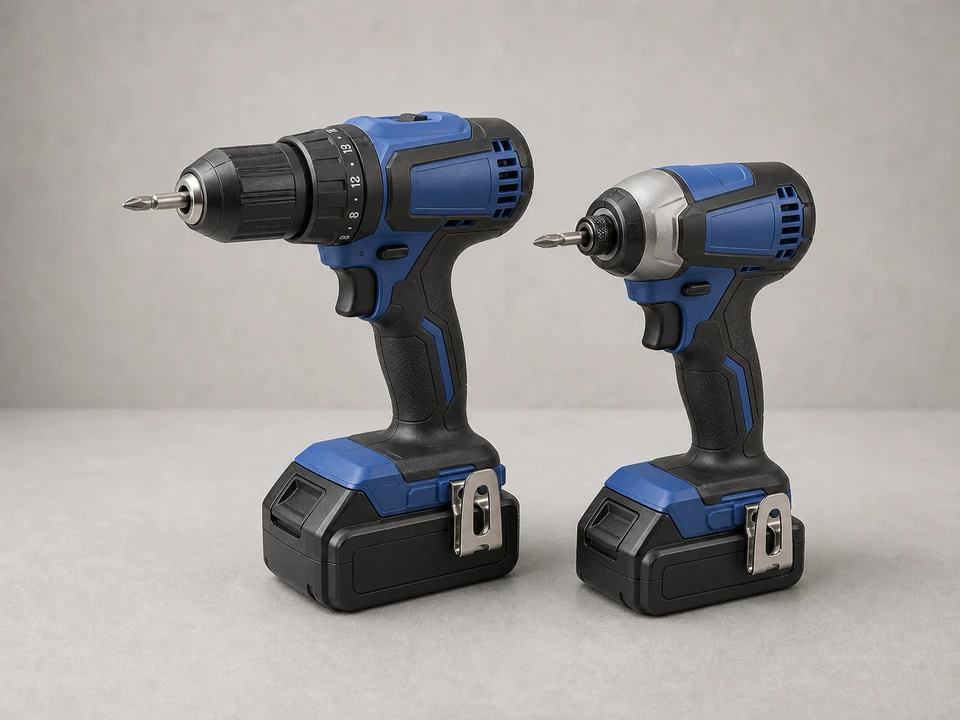
Impact driver or drill
Use it for: To remove old screws and drive the replacements cleanly.
Shop impact driversTo replace deck ledger structural screws, support the work area if needed, remove and swap the fasteners one at a time, and make sure the ledger stays tight to the house with no movement or widening gaps.
This repair is usually straightforward when the ledger itself is still sound. The key is to replace the screws carefully without loosening the whole connection at once. If you find rot, crushed wood, or a ledger pulling away from the house, stop and address that larger structural problem first.
Before you start: Match the screw type, length, head style, and exterior rating to your deck board thickness and framing material before ordering.
Use it for: To remove old screws and drive the replacements cleanly.
Shop impact drivers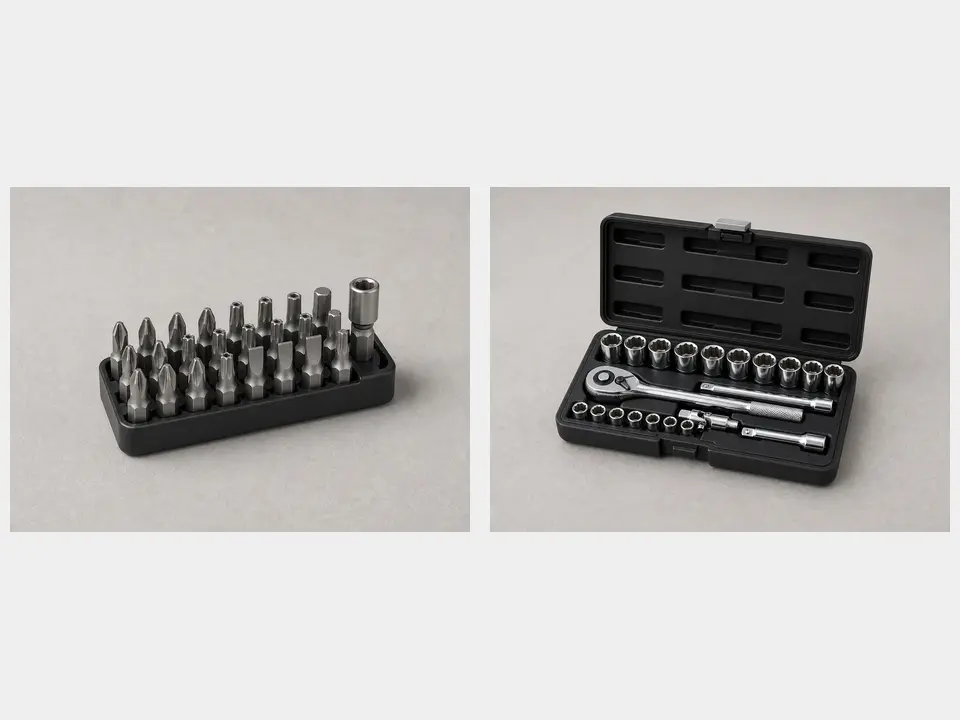
Use it for: To match the head style on the old and new structural screws.
Find driver bit sets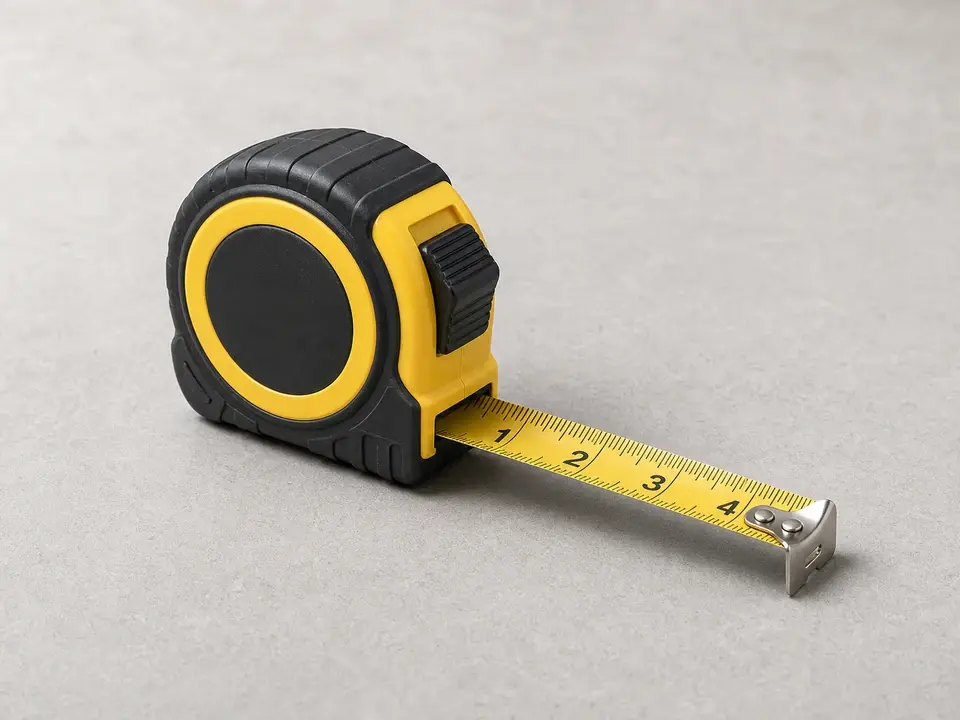
Use it for: To check screw length and spacing before you buy or install replacements.
Shop tape measures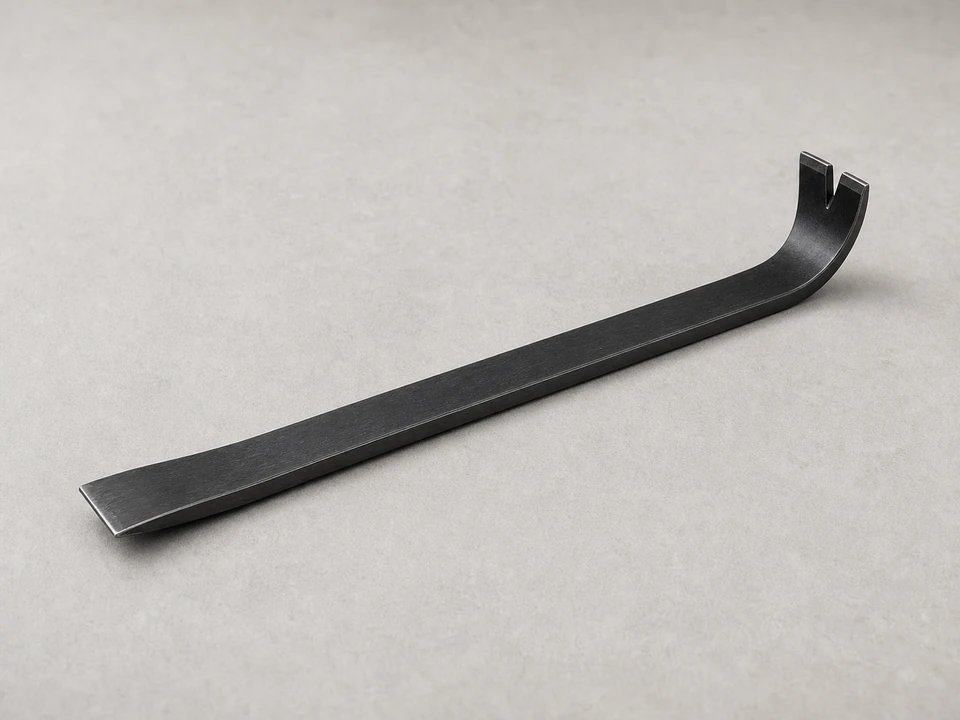
Use it for: To gently test for movement and help align the ledger if a screw comes out hard.
Find small pry bars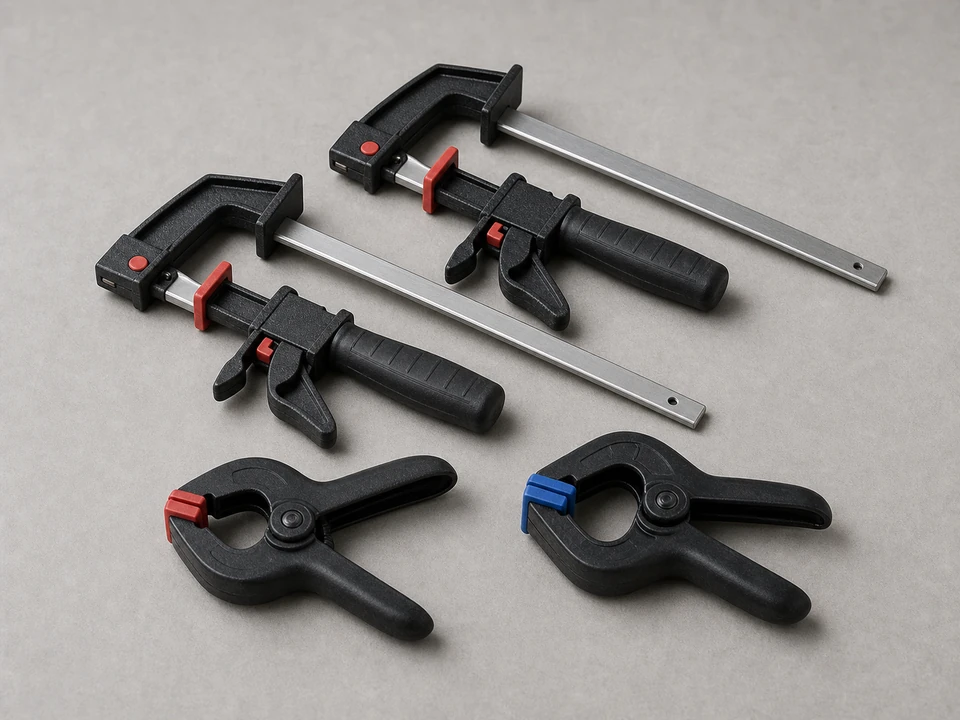
Use it for: To hold the ledger tight to the rim area while you start a new screw if needed.
Shop clamps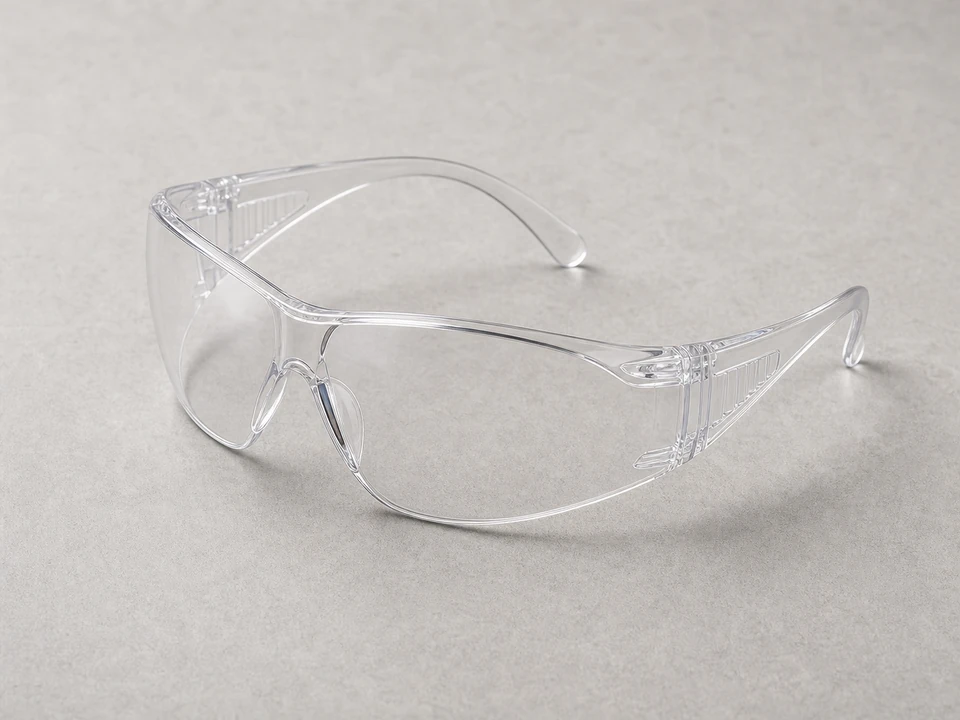
Use it for: To protect your eyes from rust flakes, wood chips, and metal debris.
Get safety glassesAs an Amazon Associate I earn from qualifying purchases. Repair Riot may earn a commission at no extra cost to you.
If it works: You have confirmed the ledger is generally sound and the repair is to replace failed or questionable structural screws.
If it doesn’t: If the ledger is solid, the screws are intact, and the movement is coming from posts, joists, or decking, diagnose that area instead.
If it works: The work area is clear and you have replacement screws that match the existing structural fasteners closely enough for the same job.
If it doesn’t: If you cannot match the old screw size or type, remove one sample screw and take it with you when shopping so you do not guess.
If it works: One old screw is out and the ledger stayed in place without opening a gap.
If it doesn’t: If the screw head strips, try a fresh bit with firm pressure or move to the next accessible screw and come back with an extraction method later.
If it works: The new screw is fully seated and the ledger is tight at that location.
If it doesn’t: If the old hole will not hold, shift to a nearby solid location in the same framing line and keep spacing consistent with the existing pattern.
If it works: All targeted ledger structural screws have been replaced and the ledger remains evenly tight to the house.
If it doesn’t: If you reach a section where the screws will not tighten or the wood condition changes, stop replacing fasteners there and inspect for hidden damage.
If it works: The deck feels solid near the ledger, the screws stay tight, and the ledger remains snug to the house in normal use.
If it doesn’t: If movement remains, inspect the ledger flashing, framing, and adjacent structural connections because the root cause may be water damage or a larger attachment problem.
Match the screw type, length, head style, and exterior rating to your deck board thickness and framing material before ordering.
As an Amazon Associate I earn from qualifying purchases. Repair Riot may earn a commission at no extra cost to you.
No. Replace them one at a time so the ledger stays supported and aligned. Removing too many at once can let the connection shift.
Not for this job. The ledger connection needs structural fasteners rated for that load and for exterior exposure.
That usually means the old hole is damaged or the surrounding wood is weak. Try a nearby solid location in the same framing line. If several holes fail, inspect for rot or structural damage.
Sometimes it helps, especially in dry, dense, or split-prone wood. If the wood starts to crack or the screw binds badly, predrilling can make the installation cleaner.
If the deck moves right where it meets the house and you find missing, corroded, or loose structural screws, the ledger connection is a likely cause. If posts, beams, or joists are moving instead, the problem is elsewhere.