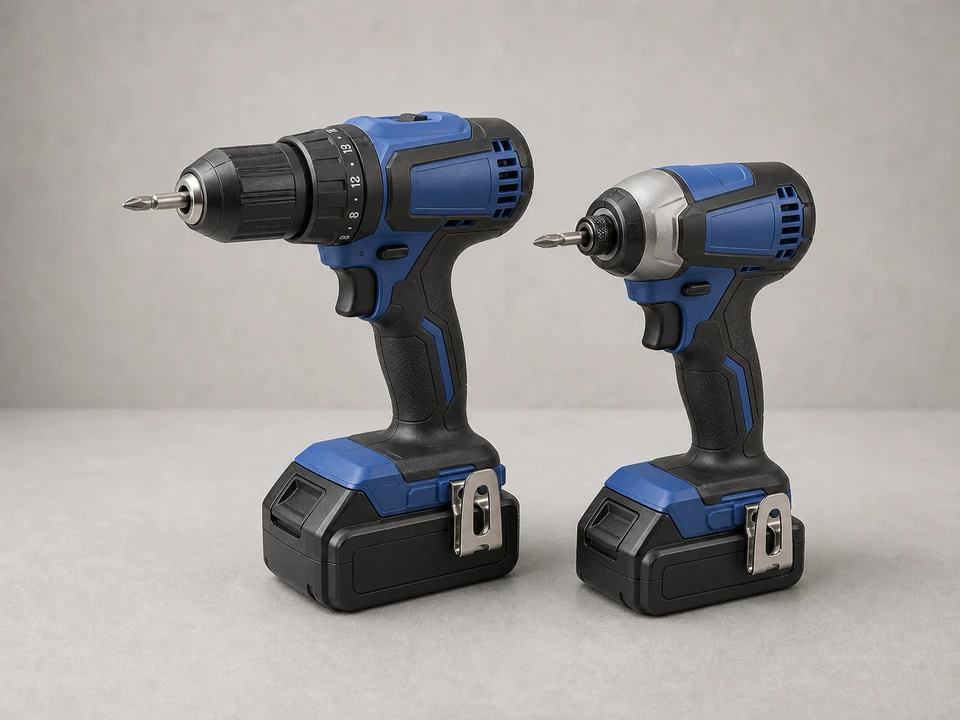
Impact driver or drill
Use it for: To remove old screws and drive the new ones without stripping the heads.
Shop impact drivers and drillsIf your deck stairs feel loose because the structural screws are rusted, backing out, or snapped, you can usually replace them one at a time with matching exterior-rated structural screws and tighten the connection back up.
This repair works best when the stair stringers, treads, and framing are still sound and the problem is failed fasteners. Work slowly, support any loose section before removing hardware, and replace screws with the same basic size and purpose rather than guessing.
Before you start: Match the screw type, length, head style, and exterior rating to your deck board thickness and framing material before ordering.
Use it for: To remove old screws and drive the new ones without stripping the heads.
Shop impact drivers and drills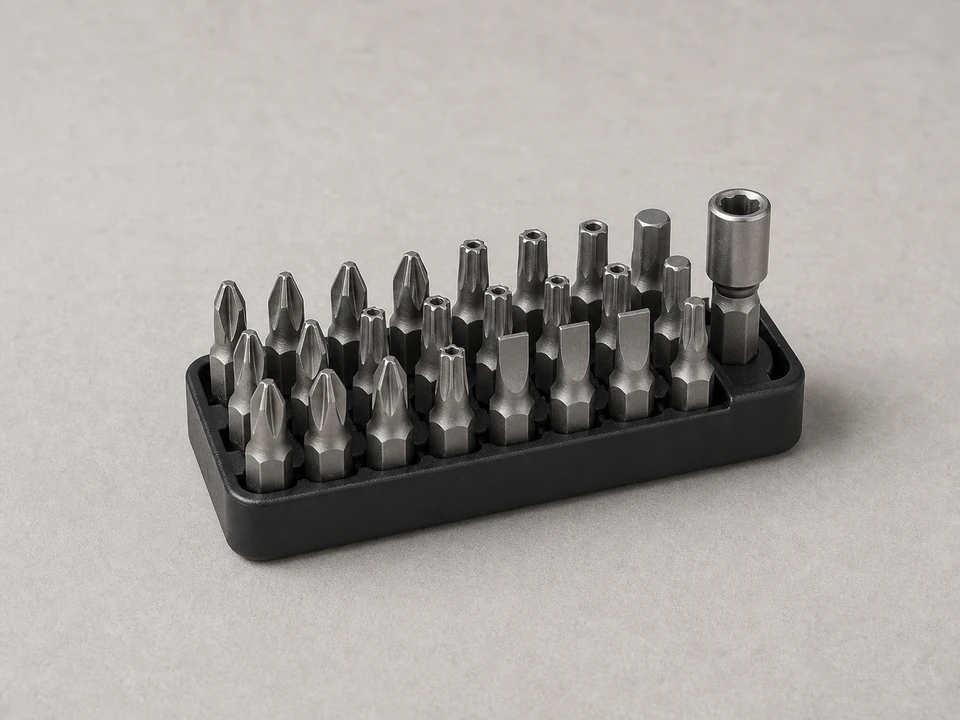
Use it for: To match the screw head properly and avoid cam-out while removing or installing fasteners.
Find driver bit sets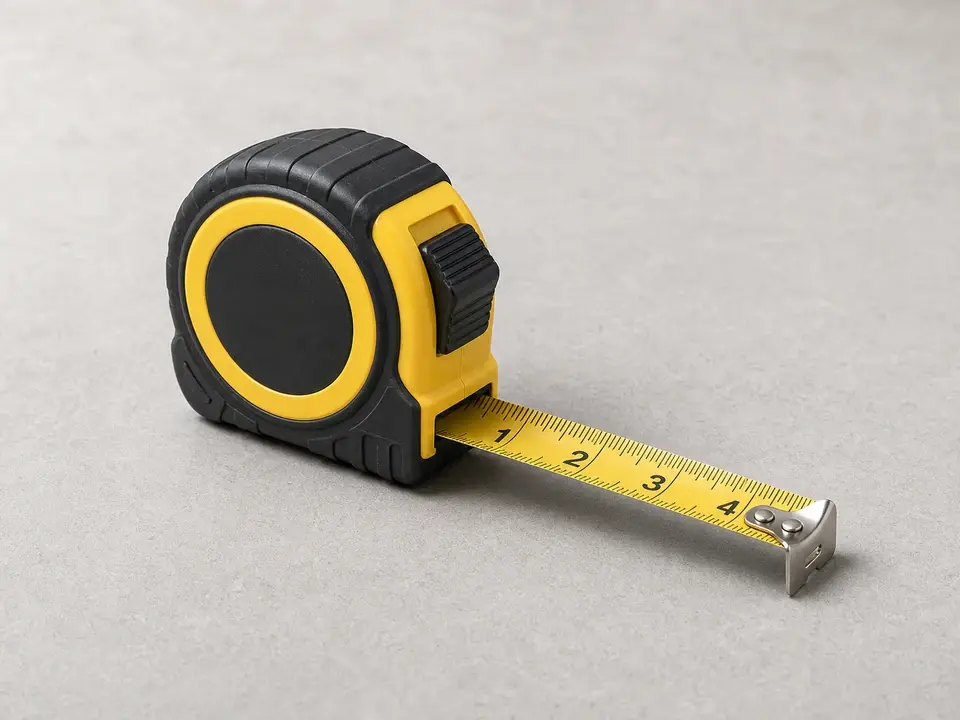
Use it for: To check old screw length and confirm the replacement will reach solid framing.
Shop tape measures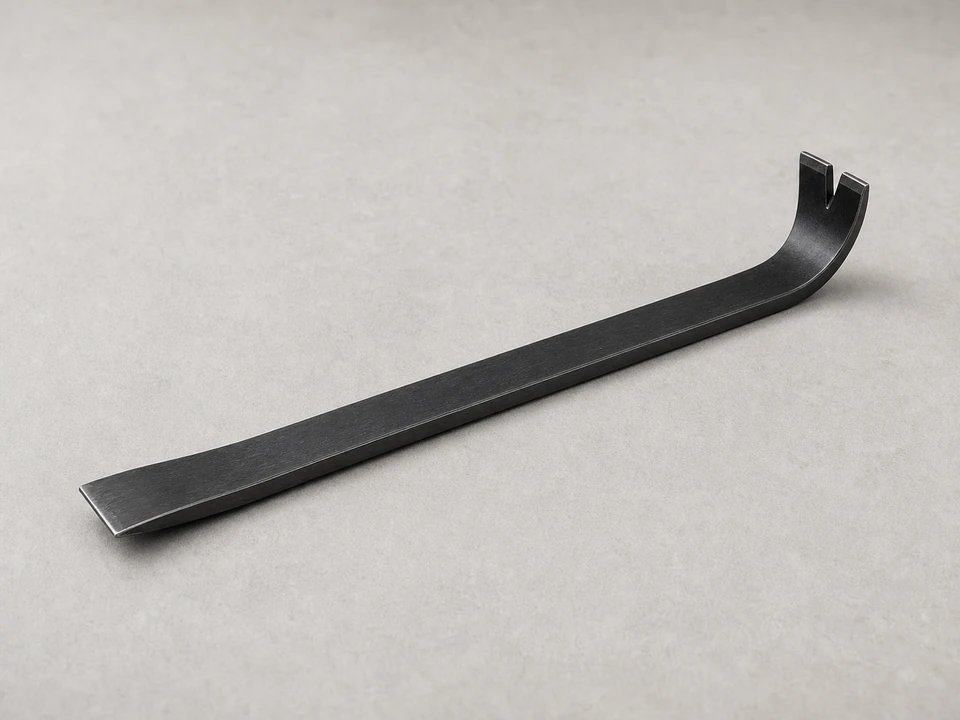
Use it for: To gently pull a tread or bracket into position if the joint has shifted.
Find small pry bars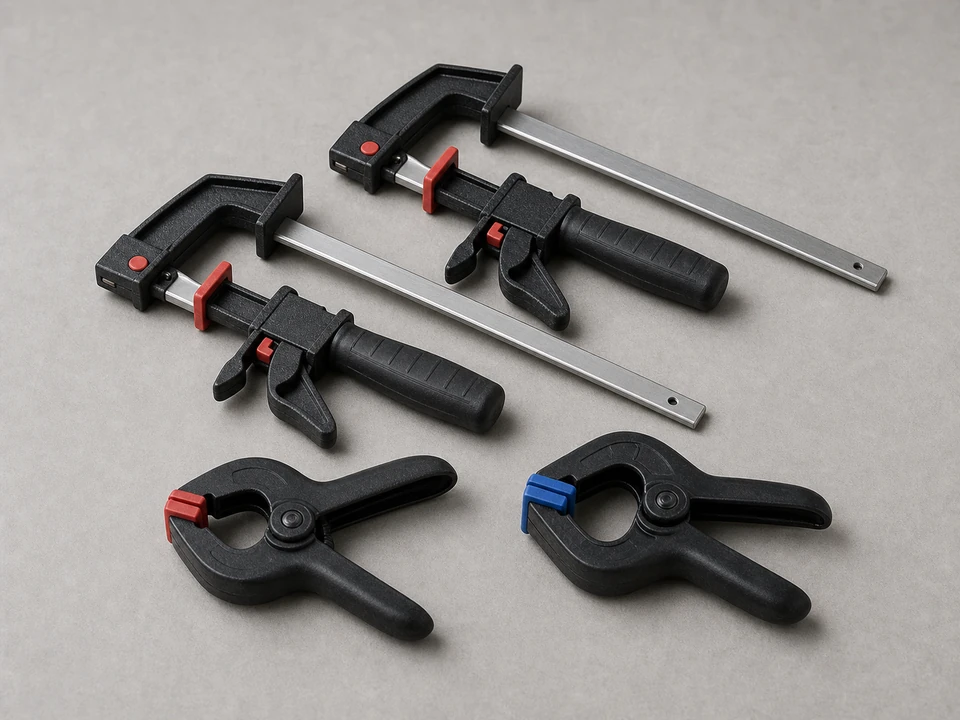
Use it for: To hold the stair part tight to the framing while you drive the new screws.
Shop clamps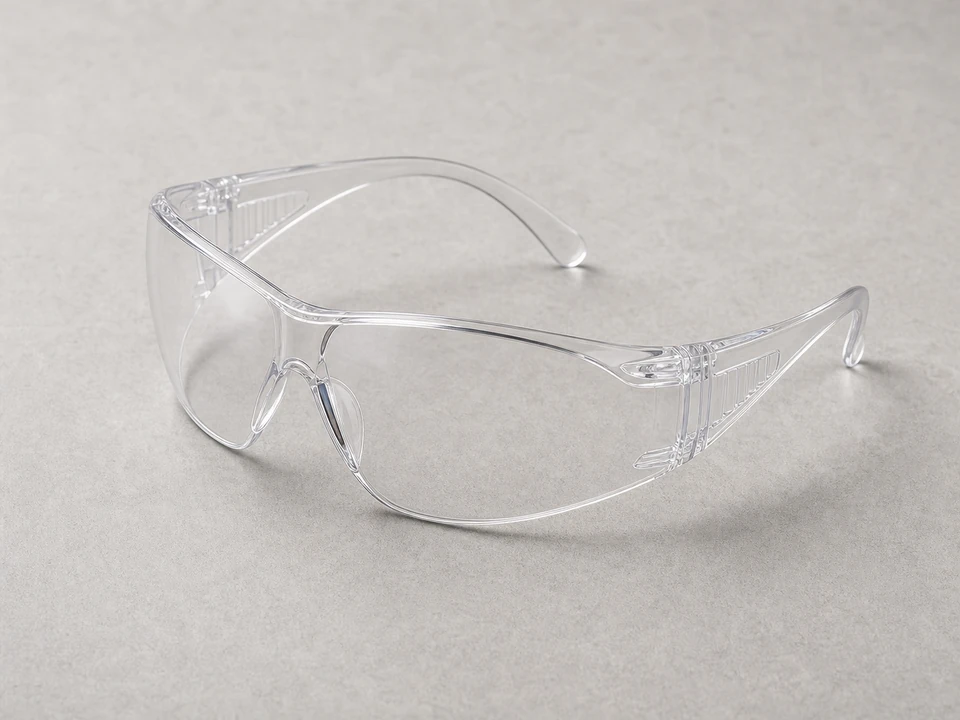
Use it for: To protect your eyes from rust flakes, wood chips, and broken screw pieces.
Get safety glassesAs an Amazon Associate I earn from qualifying purchases. Repair Riot may earn a commission at no extra cost to you.
If it works: You have a specific loose connection with bad screws and solid enough wood to accept replacements.
If it doesn’t: If you cannot tie the movement to a failed fastener, inspect for cracked stringers, split treads, loose posts, or failing ledger connections instead.
If it works: The loose stair part is supported and you can replace screws without letting the connection shift suddenly.
If it doesn’t: If the joint will not stay in place long enough to replace one screw at a time, clamp it tight before removing any more fasteners.
If it works: The failed screws are out, or you have a clear plan for placing the replacements into solid material nearby.
If it doesn’t: If the screw head strips, try a fresh bit, firmer pressure, and slower speed before moving to a nearby replacement location.
If it works: The connection is pulled tight and the new screws are seated firmly without stripping or sinking too deep.
If it doesn’t: If the screw will not tighten, move to fresh solid wood nearby or use the correct longer or heavier structural screw for that connection.
If it works: All obviously failed screws in that connection have been replaced and the joint looks tight and even.
If it doesn’t: If nearby screws still feel solid and show no corrosion or movement, you can leave them in place and monitor them during future inspections.
If it works: The stairs feel solid in normal use, the joint stays closed, and the new screws remain tight.
If it doesn’t: If the same area loosens again, the root problem is likely damaged wood, a shifted stair assembly, or the wrong fastener type rather than just old screws.
Match the screw type, length, head style, and exterior rating to your deck board thickness and framing material before ordering.
As an Amazon Associate I earn from qualifying purchases. Repair Riot may earn a commission at no extra cost to you.
Only if the original connection was not structural. For stair framing and other load-bearing connections, use the same type of structural fastener the joint was designed to use. Regular deck screws can snap or loosen in places that carry weight.
No. Replace the screws that are rusted, loose, snapped, or no longer holding. If several screws in the same connection are in similar condition, it makes sense to replace that group while the joint is aligned and accessible.
If the broken piece is buried and the surrounding wood is still solid, you can often leave it in place and drive the new screw into fresh wood nearby. If the connection is crowded or there is not enough solid wood left, the repair may need a different approach.
Predrilling can help in dry hardwood, near board ends, or anywhere the wood wants to split. If the replacement screw drives cleanly without forcing the wood apart, predrilling may not be necessary.
The new screw should match the old one closely and reach solid framing without being so long that it misses the target or creates a new hazard. Measure the old screw and confirm what material it was fastening through and into before buying replacements.