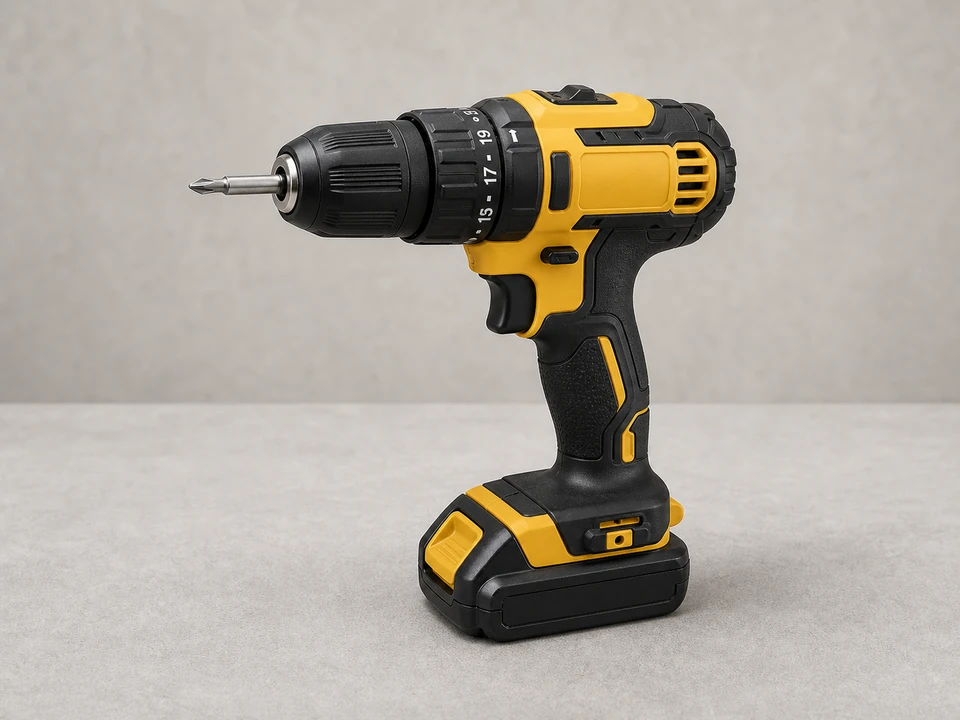
Drill/driver
Use it for: To remove old screws and drive the new ones cleanly.
Shop drill/driversIf your deck stairs feel squeaky, loose, or bouncy because screws are rusted, stripped, or backing out, replacing the deck stair screws can tighten the treads back down.
This is a straightforward repair when the wood is still sound. The goal is to remove failed fasteners, pull each tread snug to the framing again, and confirm the stairs stay solid when you walk on them.
Before you start: Match the screw type, length, head style, and exterior rating to your deck board thickness and framing material before ordering.
Use it for: To remove old screws and drive the new ones cleanly.
Shop drill/drivers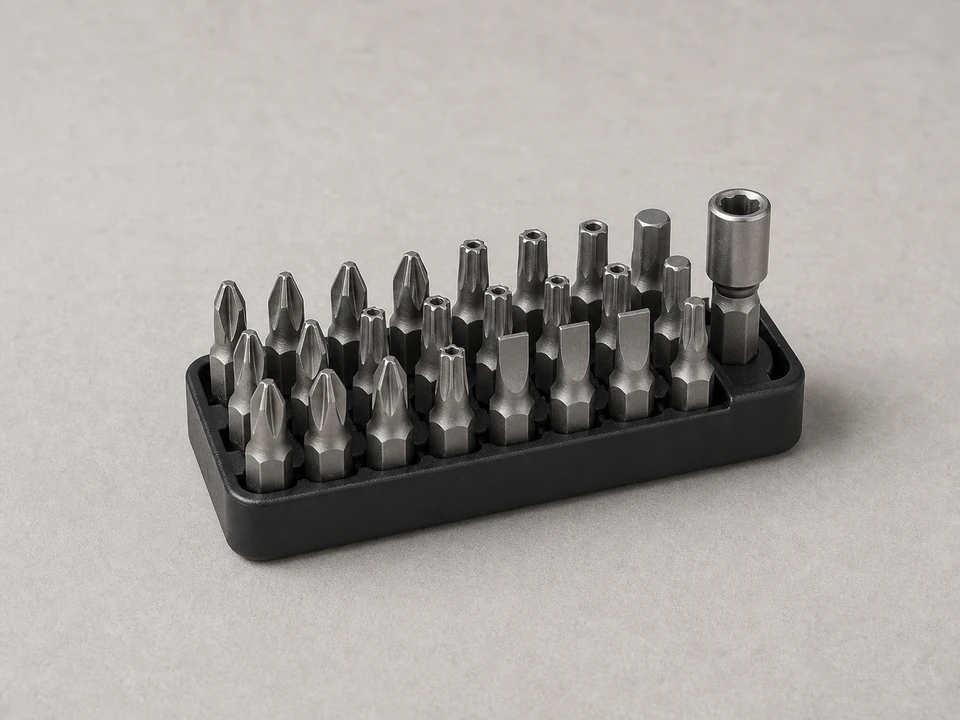
Use it for: To match the old and new screw heads without stripping them.
Find driver bit sets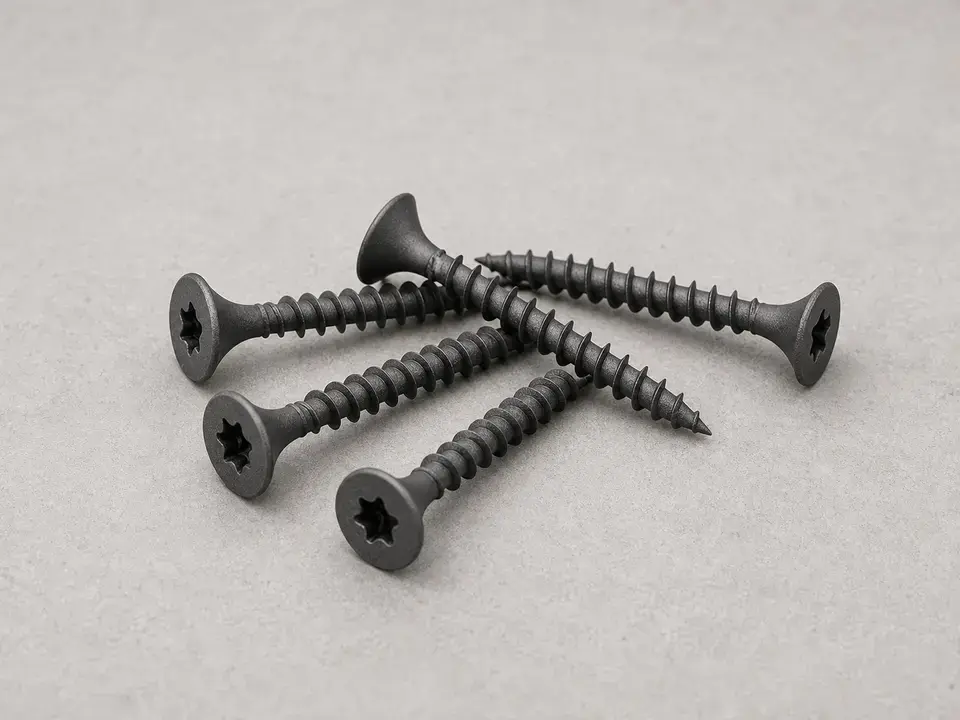
Use it for: These are the replacement fasteners that hold the stair treads tight to the stringers or framing.
Find exterior deck screws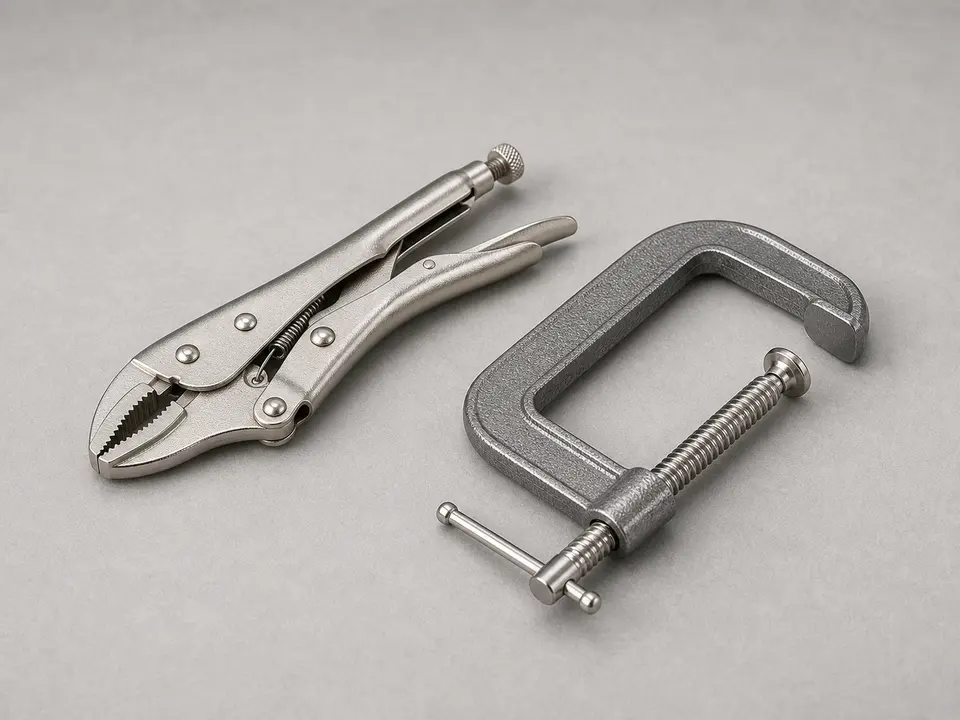
Use it for: To back out stubborn screw heads or grab broken fasteners.
Shop locking pliers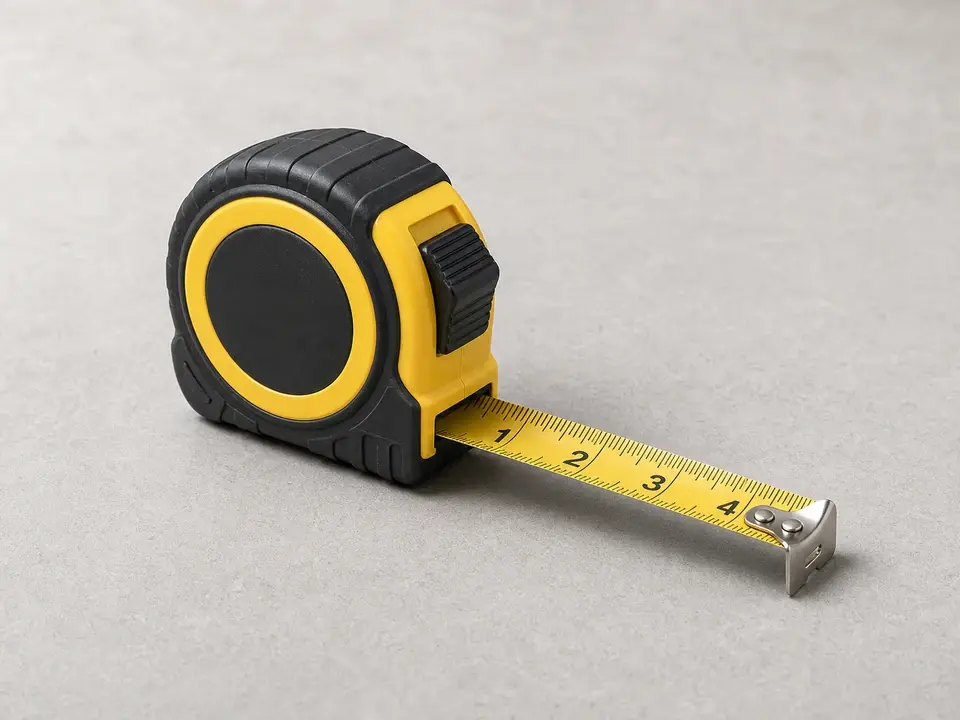
Use it for: To check screw length and match replacements to tread thickness and framing.
Find tape measures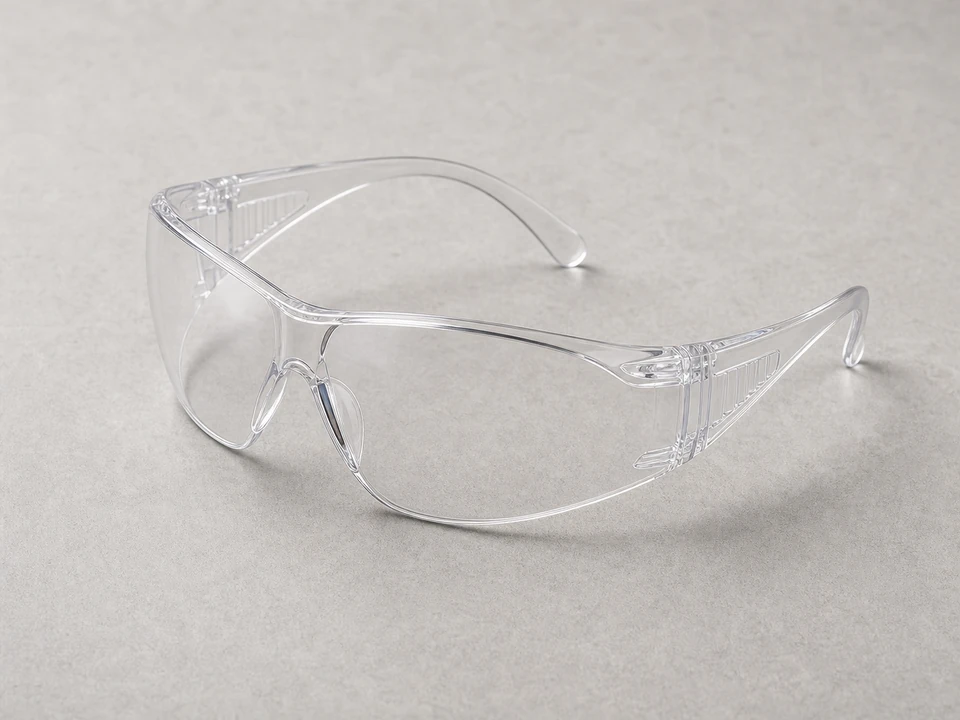
Use it for: To protect your eyes from metal shavings, dirt, and splinters.
Shop safety glassesAs an Amazon Associate I earn from qualifying purchases. Repair Riot may earn a commission at no extra cost to you.
If it works: You found loose, corroded, stripped, or missing deck stair screws and the surrounding wood still looks solid enough to refasten.
If it doesn’t: If the screws seem tight but the stair still moves, inspect the tread, riser, stringers, and connections for a different cause before replacing hardware.
If it works: You have the right replacement screws and a safe, clear work area.
If it doesn’t: If you cannot match the old screw closely, measure the tread thickness and framing depth before buying replacements.
If it works: The bad screws are out and the tread is ready for fresh fasteners.
If it doesn’t: If one screw will not come out, leave it in place if it is not proud of the surface and install the new screw in a nearby solid spot on the same framing member.
If it works: Each repaired tread is pulled tight and the screw heads sit flush and secure.
If it doesn’t: If a screw spins without tightening, move over to fresh wood on the same framing member and try again with a new screw.
If it works: The stairs look even and the repaired treads feel consistently tight underfoot.
If it doesn’t: If one area still moves, inspect that exact spot for a stripped hole, split tread, or weak framing connection.
If it works: The stairs stay solid, the treads remain tight, and the new screws hold without backing out.
If it doesn’t: If the same tread loosens again, the root problem is usually stripped wood, a cracked tread, or movement in the stringer connection rather than the screws alone.
Match the screw type, length, head style, and exterior rating to your deck board thickness and framing material before ordering.
As an Amazon Associate I earn from qualifying purchases. Repair Riot may earn a commission at no extra cost to you.
Sometimes, but if the screws are rusted, stripped, backing out, or no longer biting into the wood, replacement is the better fix. Reusing failed screws usually leads to the same problem again.
Use exterior-rated screws sized for the tread thickness and the framing below. Match the head style and choose a length that grabs solid wood without being excessively long.
Not always. Replace the screws that are loose, corroded, missing, or no longer holding. If many screws are failing across the whole stair run, it often makes sense to replace them in groups so the treads tighten evenly.
That usually means the old hole is stripped or the wood is weak. Move the screw slightly to fresh wood on the same framing member. If you still cannot get a solid bite, inspect for split or rotted wood.
If new screws are holding but the stair still shifts, the problem may be a cracked tread, damaged stringer, loose stair connection, or deteriorated wood. In that case, the screws were not the root cause.