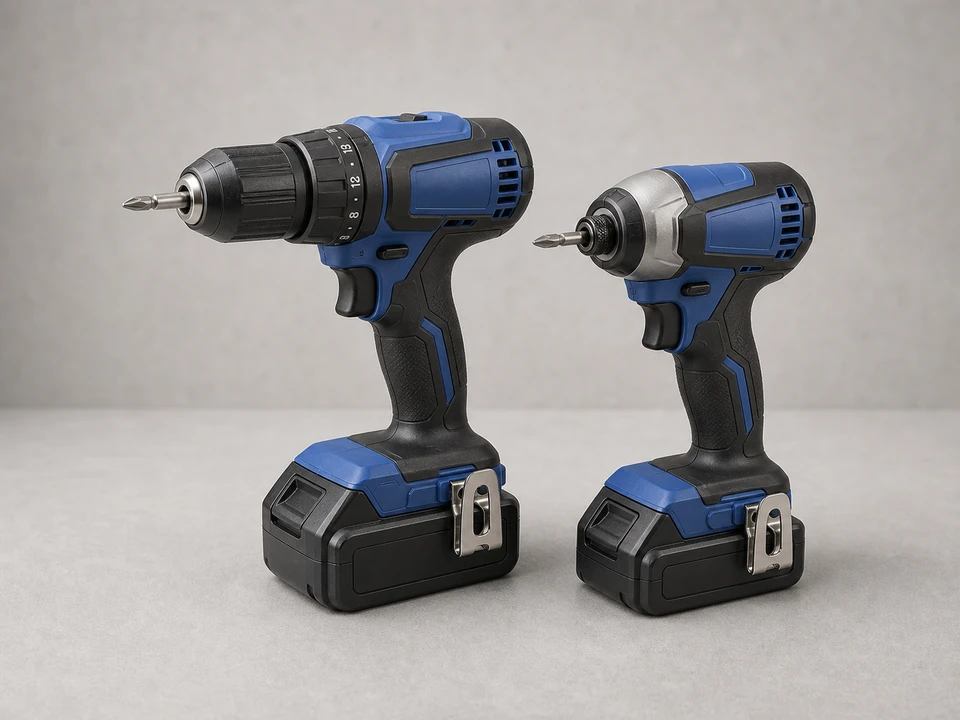
Impact driver or drill/driver
Use it for: To remove old screws and drive the new ones cleanly into the framing.
Shop impact driversTo replace deck structural connector screws, confirm the connector itself is still sound, match the replacement screws to the connector and framing, then remove and replace the old screws one at a time so the connection stays supported.
This is a straightforward repair when the metal connector is intact and the wood around it is still solid. The main mistake to avoid is using regular deck screws in structural connectors. Use the right connector screws, keep the joint supported, and check the connection under normal use when you finish.
Before you start: Match the screw length, diameter, drive type, and the connector hole style before ordering. Use screws made for structural framing connectors, not generic deck screws.
Use it for: To remove old screws and drive the new ones cleanly into the framing.
Shop impact drivers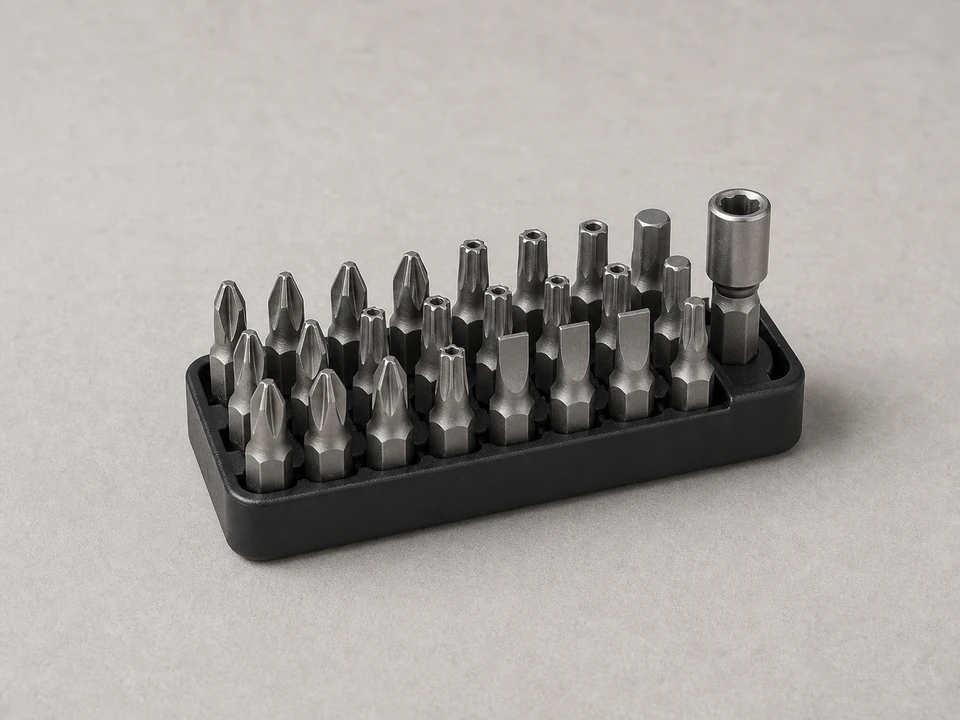
Use it for: To match the screw head and avoid stripping it during removal or installation.
Shop driver bit sets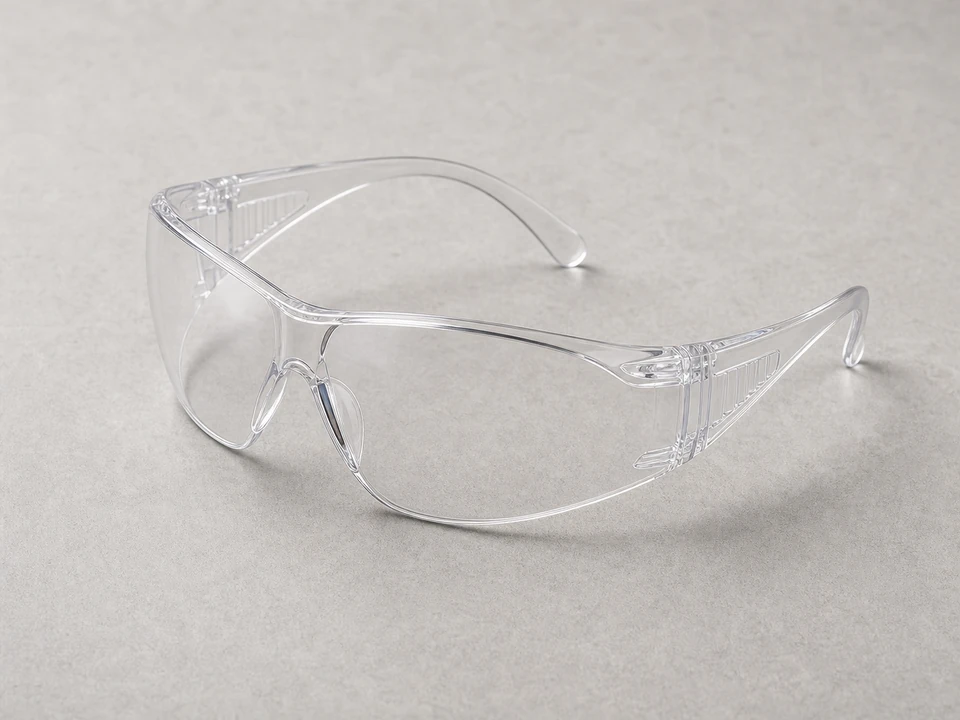
Use it for: To protect your eyes from rust flakes, metal chips, and falling debris.
Shop safety glasses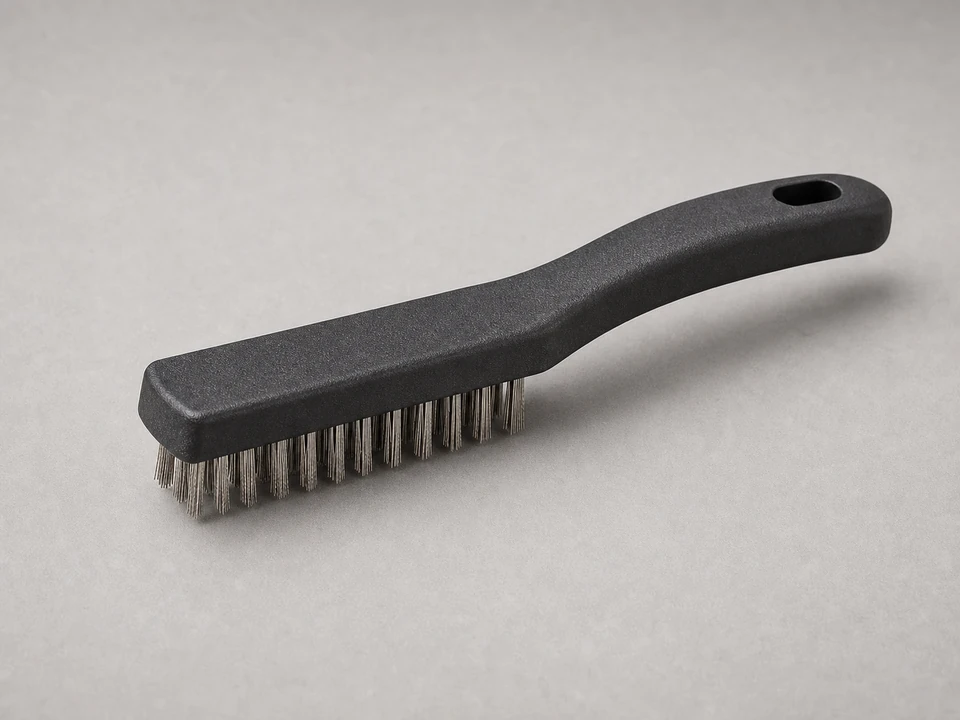
Use it for: To clean rust and debris from the connector and screw holes before reinstalling screws.
Shop wire brushes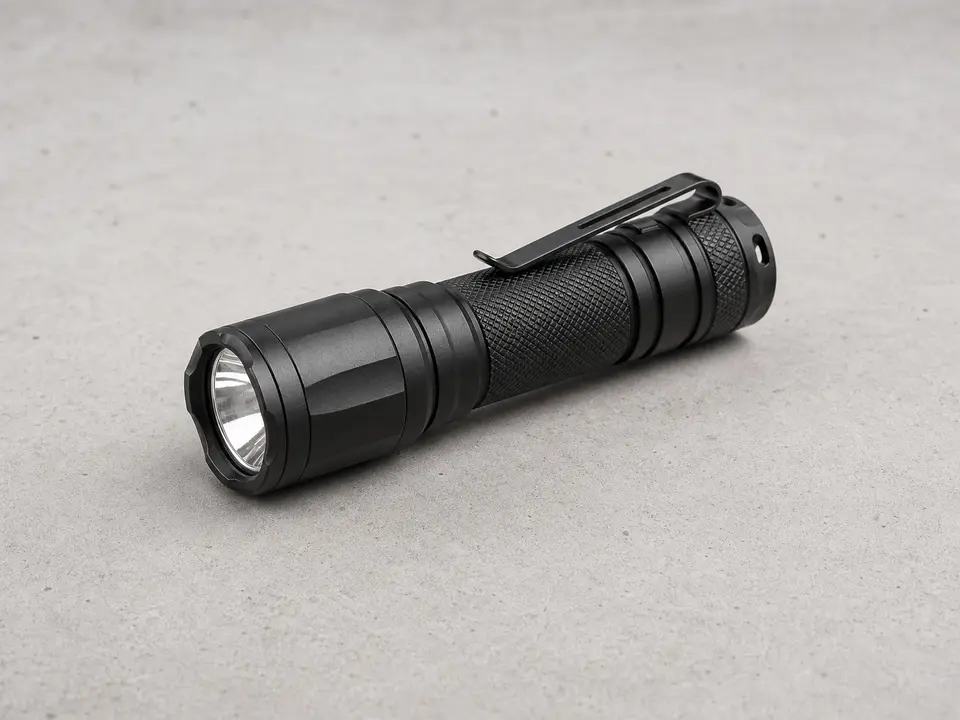
Use it for: To inspect the connector, wood, and hole condition closely.
Shop flashlights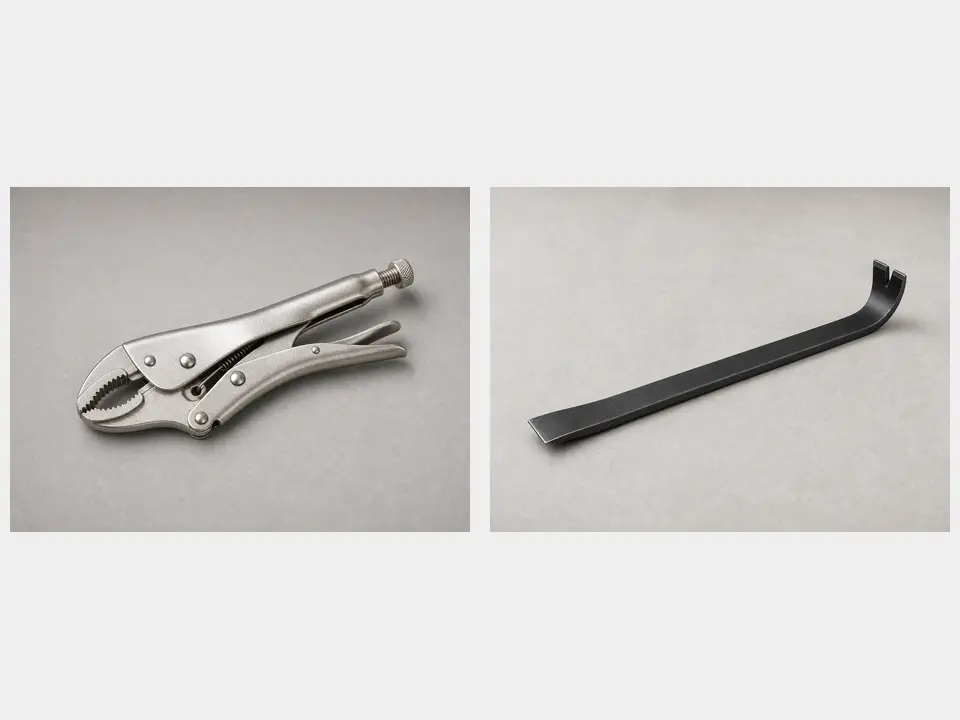
Use it for: To help back out stubborn screws or pull broken fastener pieces free when accessible.
Shop pry bars and locking pliersAs an Amazon Associate I earn from qualifying purchases. Repair Riot may earn a commission at no extra cost to you.
If it works: You found a sound connector with solid surrounding wood, and the problem is limited to the screws.
If it doesn’t: If the connector is bent, heavily corroded, or the wood is damaged, replace the connector or repair the framing before worrying about the screws.
If it works: You have the correct connector screws and the right bit ready before the connection is disturbed.
If it doesn’t: If you cannot confidently match the screw type, take one old screw and a photo of the connector to a hardware store and match it there before continuing.
If it works: The damaged screws are out, and the connector holes and contact surfaces are clean enough for the new screws to seat properly.
If it doesn’t: If one screw breaks off flush but the rest of the connection is sound, leave that piece in place and use another approved hole if the connector has one available and the framing still allows a full fastener pattern.
If it works: The connector is pulled tight to the framing and the new screws are seated firmly without stripping or bending the hardware.
If it doesn’t: If one location will not hold a screw, inspect the wood more closely for hidden damage and decide whether the framing or connector needs a larger repair.
If it works: The connection looks complete, sits flat, and feels solid by hand.
If it doesn’t: If the connection still moves, recheck for missed holes, stripped wood, or a damaged connector that needs replacement instead of just new screws.
If it works: The repaired connection stays tight during normal use, with no visible shifting, backing-out screws, or new movement.
If it doesn’t: If movement returns, the root problem is likely damaged framing, a failing connector, or a connection that needs a more complete rebuild.
Match the screw length, diameter, drive type, and the connector hole style before ordering. Use screws made for structural framing connectors, not generic deck screws.
As an Amazon Associate I earn from qualifying purchases. Repair Riot may earn a commission at no extra cost to you.
No. Regular deck screws are not the same as structural connector screws. They can snap, fit poorly in the holes, or fail to hold the connector the way it was designed to be fastened.
Not always. If only a few are missing, loose, or badly rusted and the rest are sound, you can usually replace the bad ones. If many are corroded or mismatched, replacing the full fastener pattern is often the better repair.
That usually means the wood hole is worn out, split, or decayed. If the connector has another approved hole and the wood there is solid, use that location. If several holes will not hold, the framing likely needs repair.
Usually no. On structural connectors, it is safer to swap screws one at a time so the hardware stays aligned and the connection keeps its support.
Light surface rust can often be cleaned off during the repair. If the metal is deeply corroded, flaking, bent, cracked, or torn, replacing screws alone is not enough and the connector should be replaced.