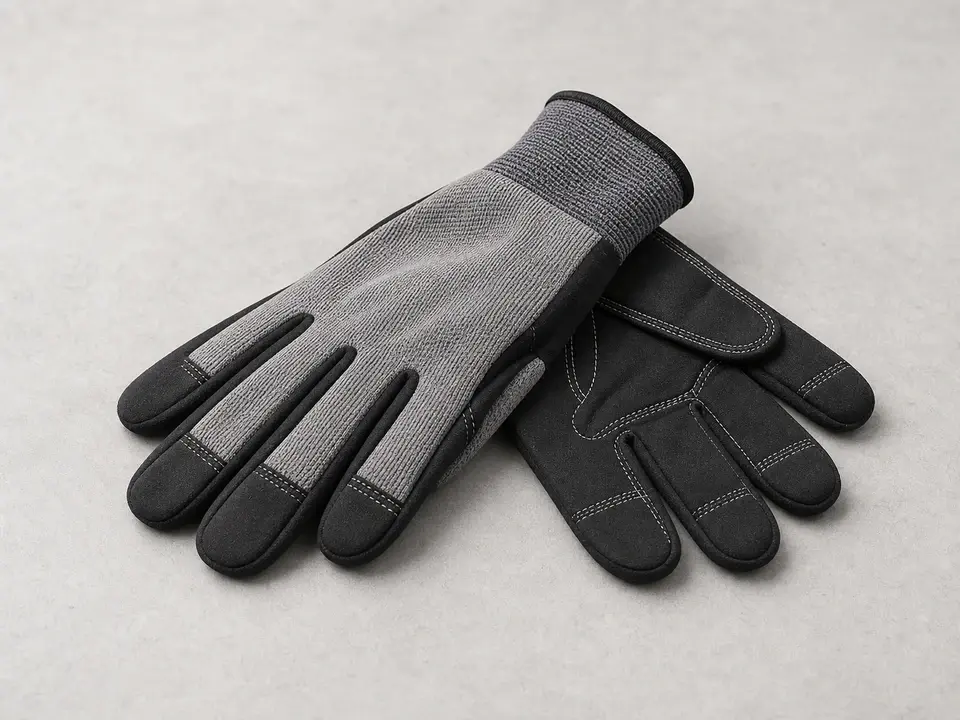
Work gloves
Use it for: Protects your hands from sharp edges, dirty water, and old pipe residue.
Shop work glovesTo replace a drain branch cleanout cap, confirm the cap is the actual problem, remove the damaged or missing cap, clean the fitting threads, install the correct replacement by hand, and then check that it stays dry and sealed during normal drain use.
A cleanout cap closes an access opening in your drain line. When it cracks, loosens, or goes missing, you can end up with drips, sewer odor, or a mess if the line backs up. This is usually a straightforward replacement as long as the fitting itself is still in good shape and the line is not actively backing up.
Before you start: Match the replacement part to your exact drain sewer before ordering.
Use it for: Protects your hands from sharp edges, dirty water, and old pipe residue.
Shop work gloves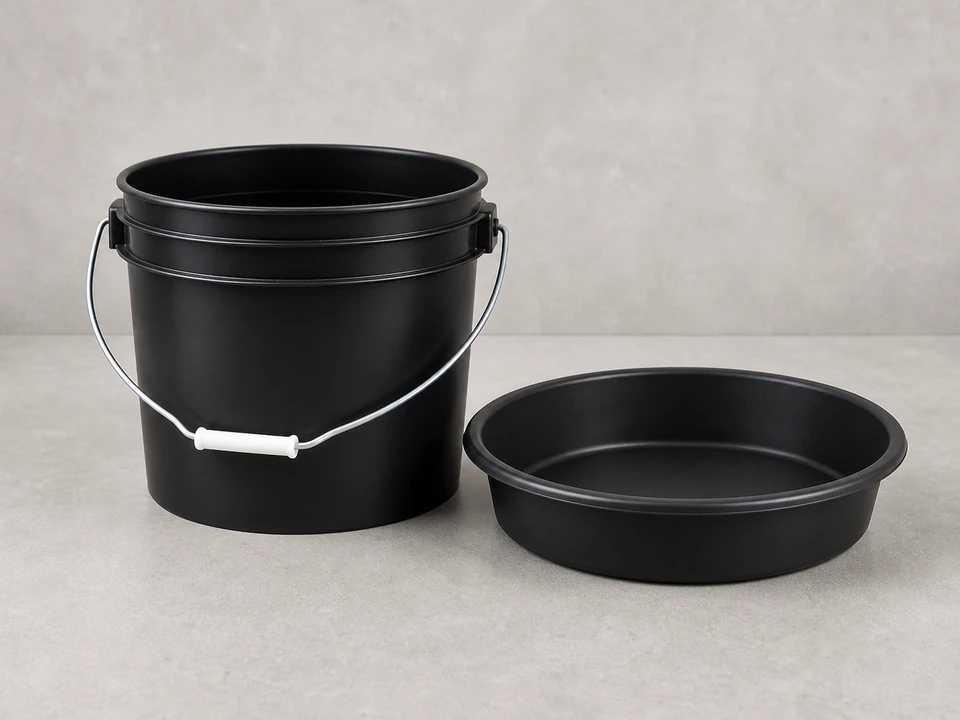
Use it for: Catches any water or debris that comes out when the old cap is removed.
Shop shallow drain pan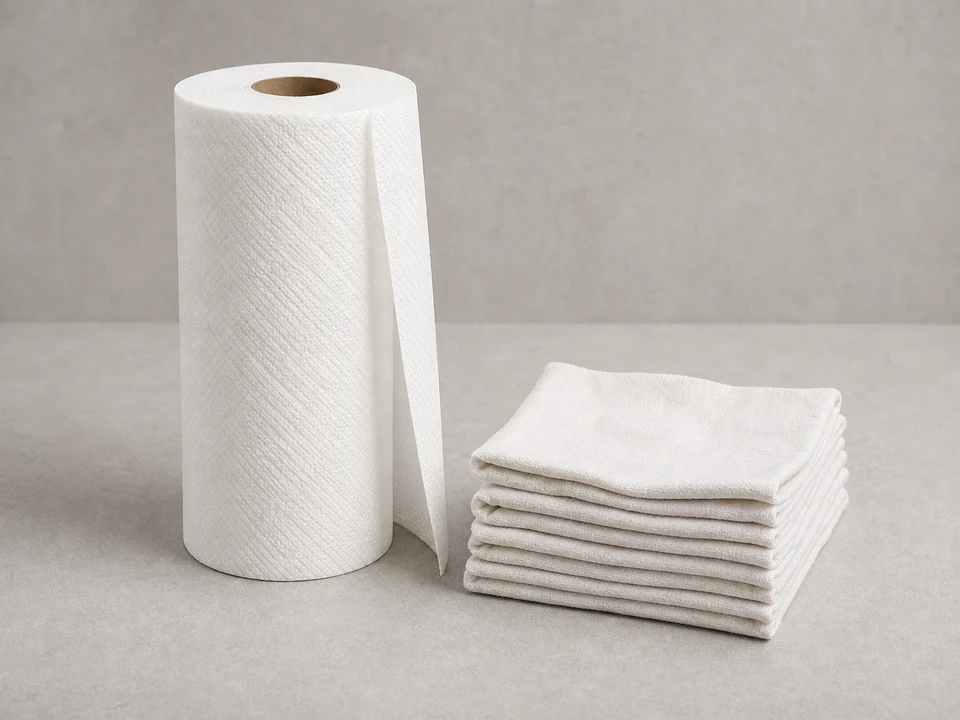
Use it for: Lets you wipe the fitting clean and check for fresh moisture after the repair.
Shop cleaning rags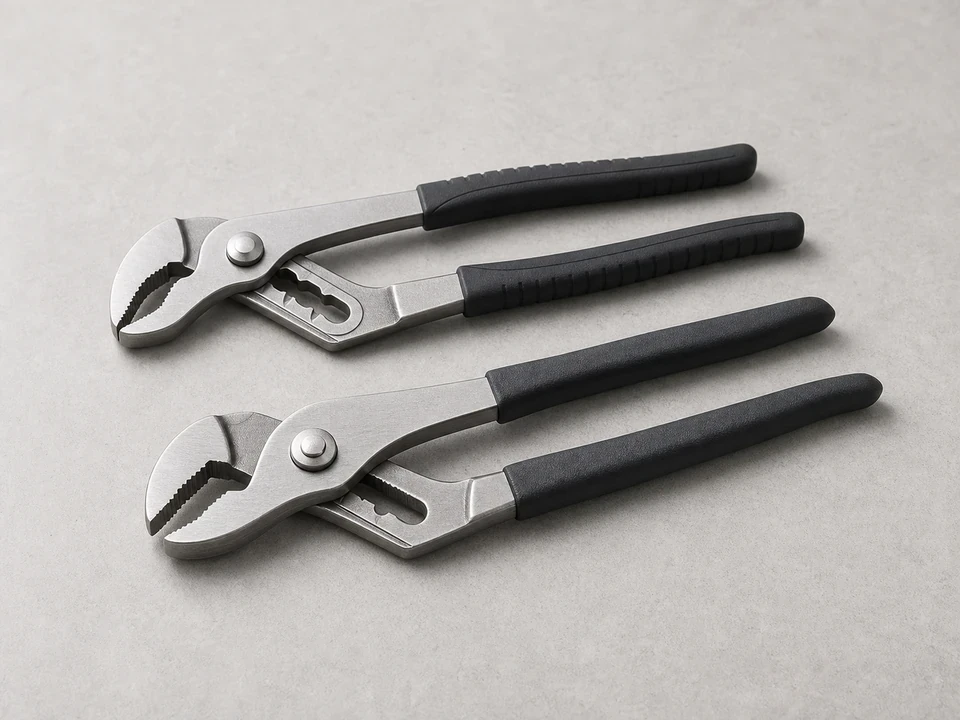
Use it for: Helps loosen a stuck cap or snug the new one without over-tightening.
Shop adjustable pliers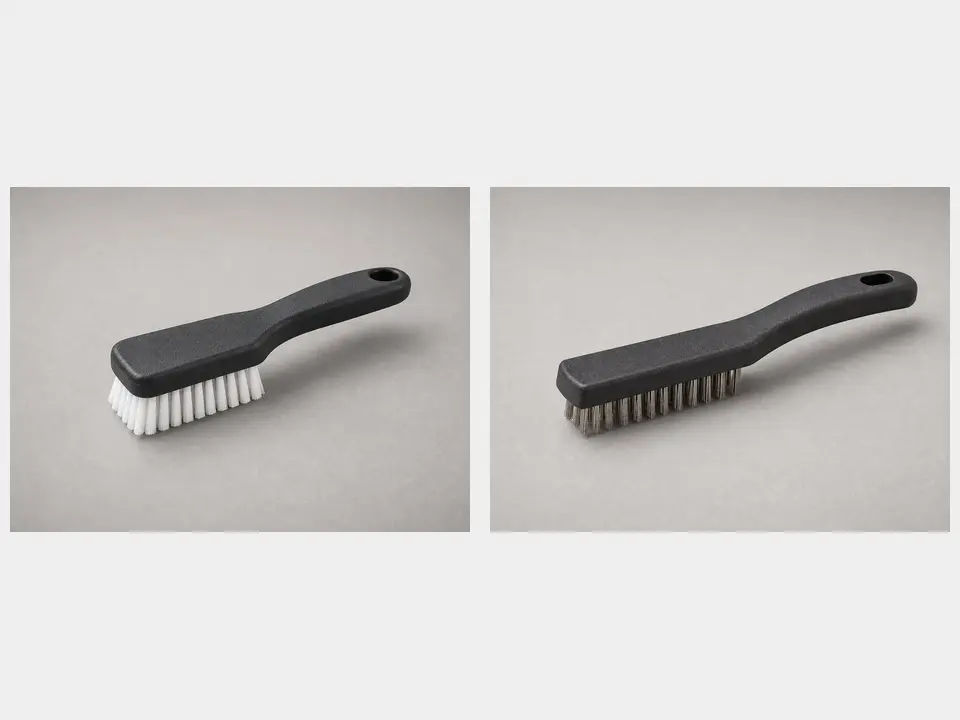
Use it for: Cleans old debris and thread buildup from the cleanout fitting.
Shop small wire brush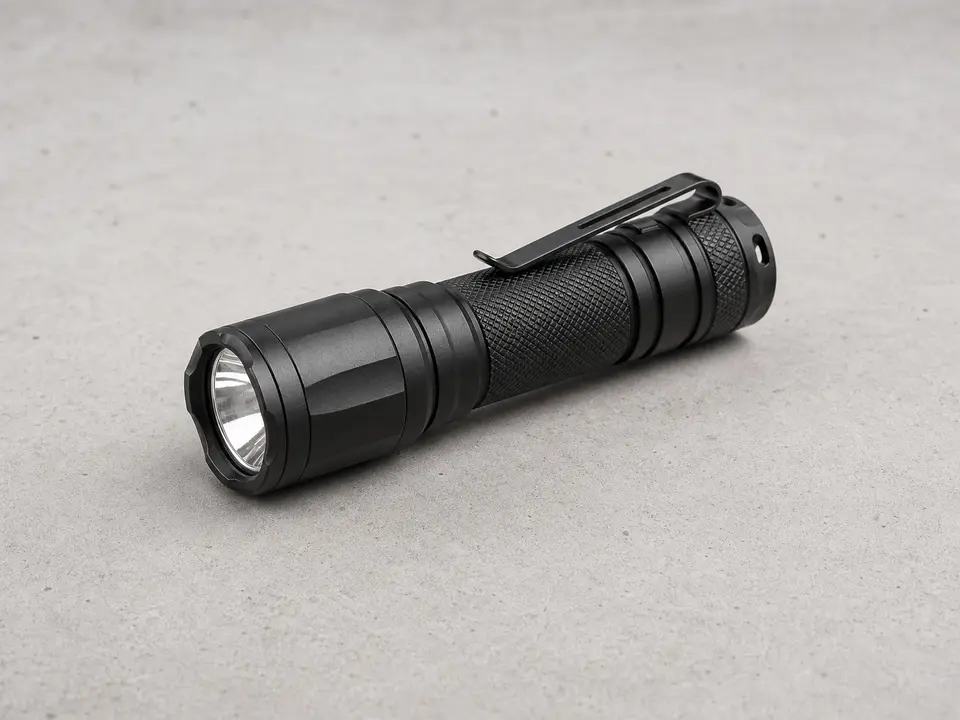
Use it for: Helps you inspect the fitting for cracks, damaged threads, or hidden moisture.
Shop flashlightAs an Amazon Associate I earn from qualifying purchases. Repair Riot may earn a commission at no extra cost to you.
If it works: You have confirmed the cap is missing, damaged, or no longer sealing properly.
If it doesn’t: If the area stays dry and odor-free and the cap is intact, the problem may be a nearby drain leak, a backup issue, or another fitting instead of the cleanout cap.
If it works: The old cap is removed and the opening is accessible.
If it doesn’t: If the cap will not budge, apply steady pressure instead of forcing it suddenly. A badly seized cap may need a plumber to avoid damaging the fitting.
If it works: The fitting is clean, the threads are visible, and the replacement cap appears to match.
If it doesn’t: If the new cap does not thread on the same way as the old one, recheck the size and thread type before ordering another part.
If it works: The new cap is seated evenly and feels secure without forcing it.
If it doesn’t: If the cap will not thread in smoothly by hand, remove it and inspect both the cap and fitting threads again for mismatch or damage.
If it works: The area stays dry and there is no obvious sewer odor around the new cap.
If it doesn’t: If you see slight seepage, try a small additional hand-tightening or light snug with pliers, then dry the area and test again.
If it works: The cleanout stays sealed, dry, and odor-free during real household use.
If it doesn’t: If the cap loosens again or the area gets wet, the fitting threads may be worn or the branch drain may be backing up and needs further diagnosis.
Match the replacement part to your exact drain sewer before ordering.
As an Amazon Associate I earn from qualifying purchases. Repair Riot may earn a commission at no extra cost to you.
A bad cap is usually cracked, missing, loose, or unable to seal. If water or sewage rises at the cleanout when fixtures drain, that points to a blockage or backup in the line, not just a bad cap.
Usually yes. This repair does not normally require shutting off the water supply. Just avoid using fixtures on that branch while the cap is off, and stop if wastewater starts coming out.
Many cleanout caps are meant to seal by their threads and proper fit. The most important part is using the correct cap and threading it in cleanly without damage. If the fitting is damaged, sealant alone will not fix it.
That usually means the threads are dirty, damaged, cross-threaded, or the replacement is the wrong type or size. Clean the fitting again and compare the old and new cap carefully before trying another part.
The cleanout opening connects to the drain system. If the cap is missing or not sealing, sewer gas can escape through that opening and cause odor nearby.