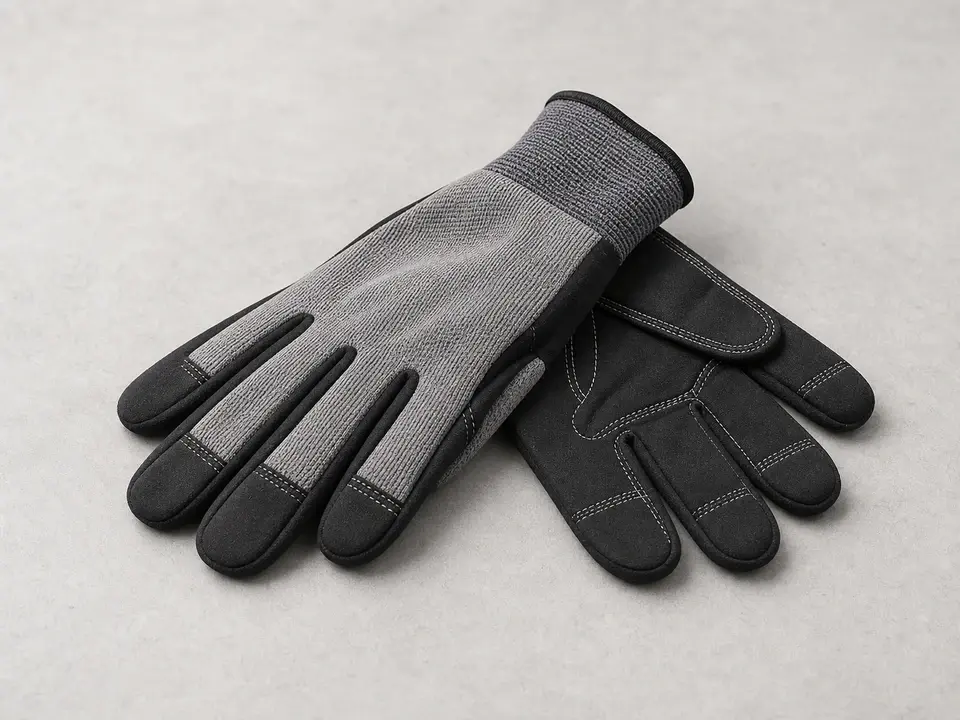
Work gloves
Use it for: Protects your hands from dirty surfaces and sharp edges around the cleanout.
Shop work glovesTo replace a drain cleanout cap, confirm the cap is the problem, remove the old cap carefully, clean the opening and threads, then install a matching new cap snugly without forcing it.
A cracked, loose, or missing cleanout cap can let out sewer odor, allow debris into the line, or leak during a backup. This is usually a straightforward repair if the fitting itself is still in good shape and the cap comes off without damaging the cleanout.
Before you start: Match the replacement part to your exact drain sewer before ordering.
Use it for: Protects your hands from dirty surfaces and sharp edges around the cleanout.
Shop work gloves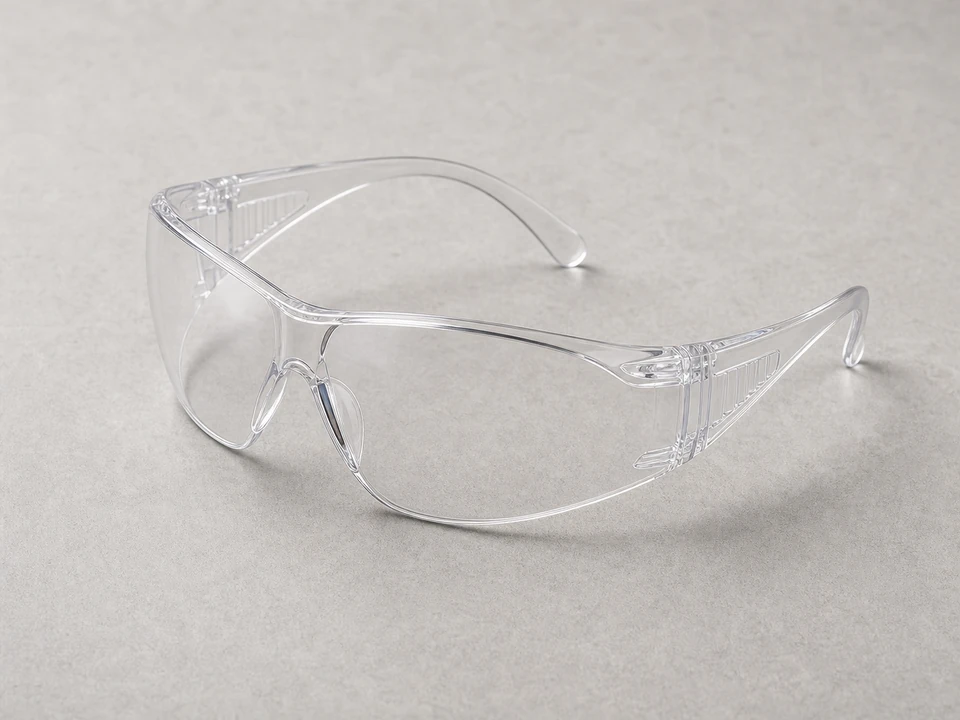
Use it for: Helps protect your eyes if debris or dirty water spits out when the cap loosens.
Shop safety glasses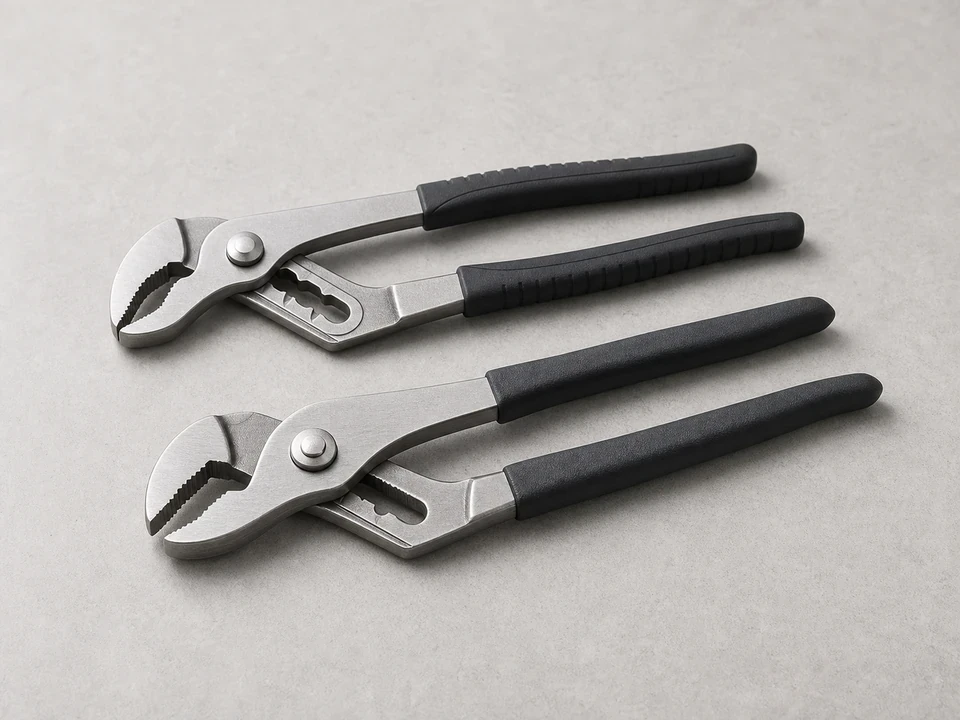
Use it for: Gives you grip to loosen and tighten the old and new cap.
Find adjustable pliers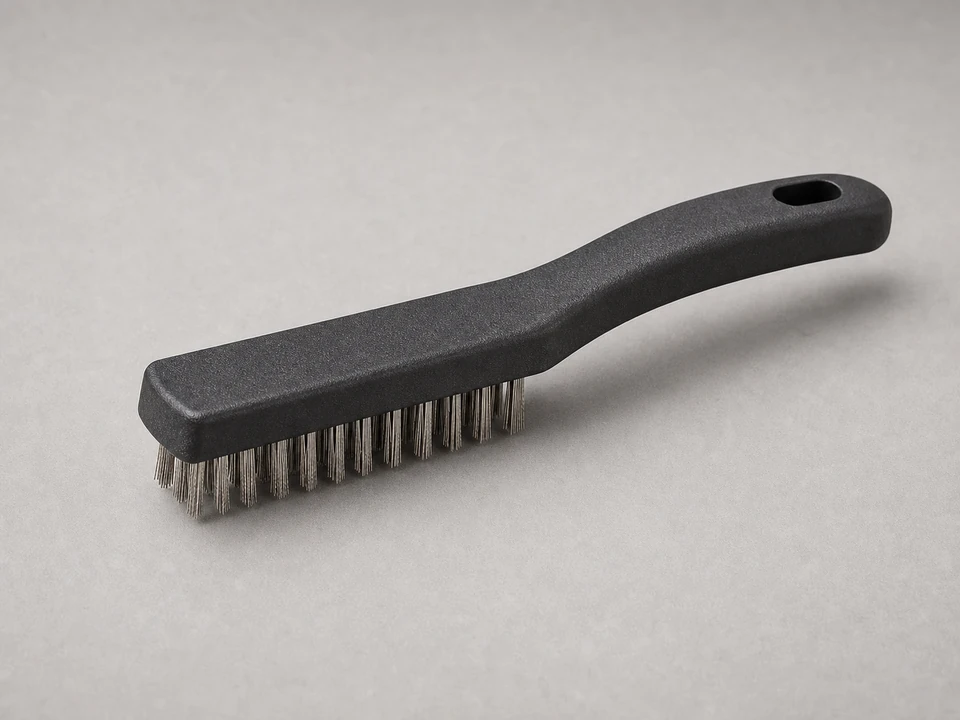
Use it for: Cleans dirt, rust, and buildup from the cleanout threads before installing the new cap.
Shop a wire brush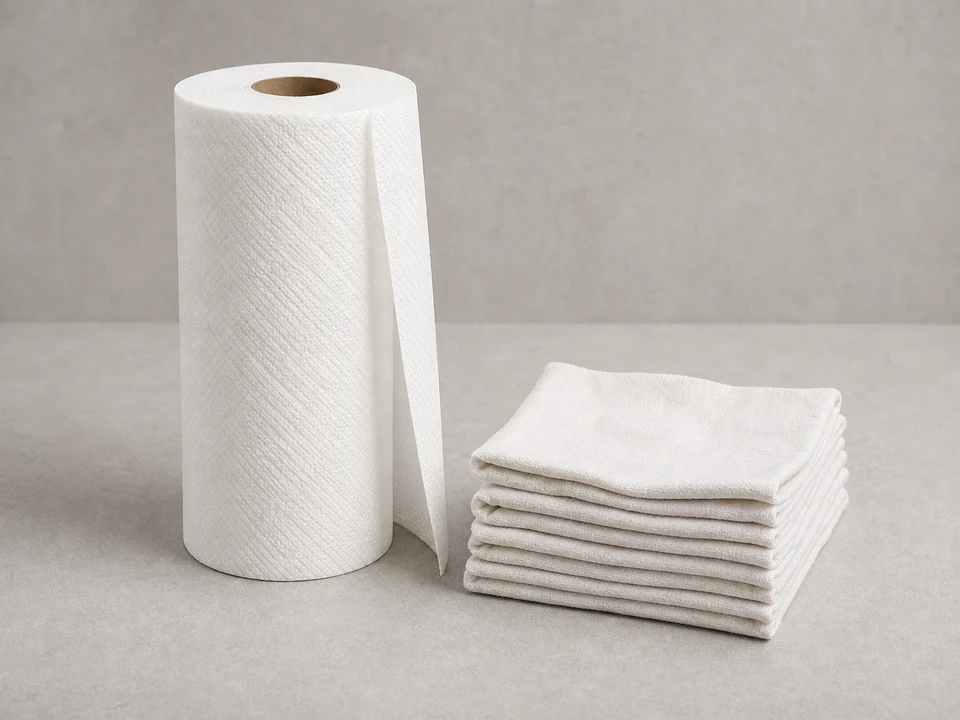
Use it for: Wipes the opening and helps keep the area clean while you work.
Find cleaning rags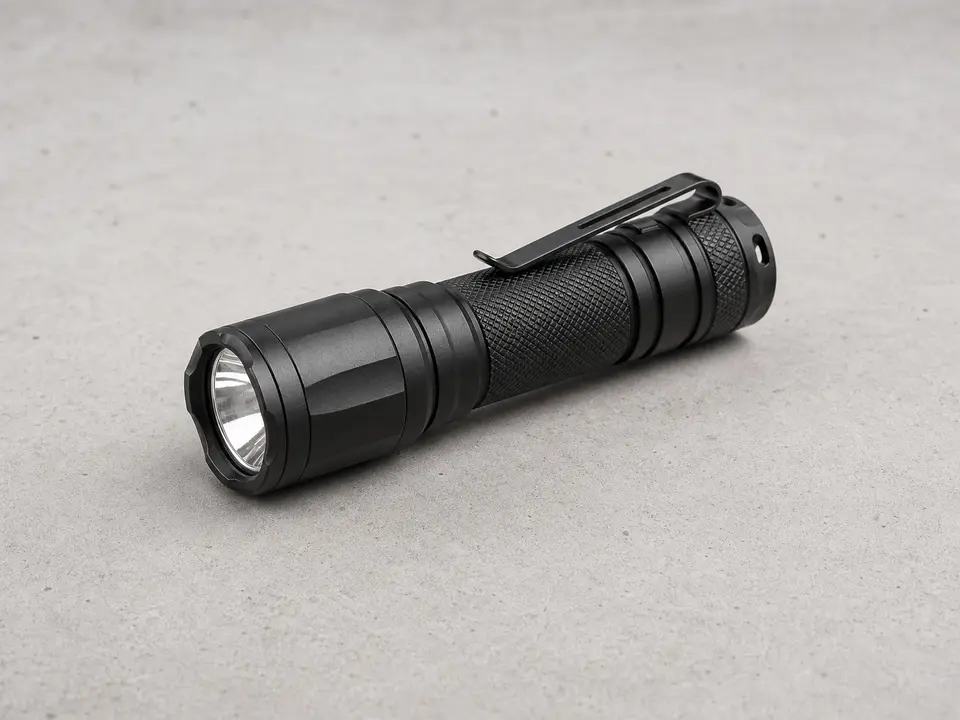
Use it for: Lets you inspect the cleanout body and threads for cracks or damage.
Shop flashlightsAs an Amazon Associate I earn from qualifying purchases. Repair Riot may earn a commission at no extra cost to you.
If it works: You have confirmed the drain cleanout cap is damaged, missing, or not sealing properly, and the cleanout fitting appears usable.
If it doesn’t: If the fitting is sound and the cap is not the issue, shift to diagnosing a drain or sewer blockage instead of replacing the cap.
If it doesn’t: If the cap keeps spinning, will not seat, or loosens immediately, the threads are likely mismatched or damaged and need a closer inspection.
If it works: The cap stays dry, secure, and odor-free during normal drain use.
If it doesn’t: If odor, seepage, or loosening returns, remove the cap and recheck the fit and threads. If the cap fits correctly but still will not seal, the cleanout fitting may need repair.
Match the replacement part to your exact drain sewer before ordering.
As an Amazon Associate I earn from qualifying purchases. Repair Riot may earn a commission at no extra cost to you.
If the cap is cracked, missing, loose, or cross-threaded, replacing the cap makes sense. If drains are slow, gurgling, or backing up, the main problem may be a clog in the line, not the cap itself.
Usually yes, if the cap is accessible and the cleanout fitting is still in good shape. The job gets more serious if the cap is stuck, sewage is present, or the fitting threads are damaged.
Many cleanout caps are meant to thread in directly when the cap and fitting match correctly. The main goal is a proper fit and clean threads. Avoid adding products unless they are clearly appropriate for your specific cap and fitting.
Try steady pressure with pliers while supporting yourself safely to the side. If the fitting starts to crack or the cap will not move without extreme force, stop before you break the cleanout body.
The new cap may be the wrong fit, the threads may be damaged, or the odor may be coming from another plumbing issue nearby. Recheck the cap seating first, then inspect the cleanout fitting and surrounding drain system.