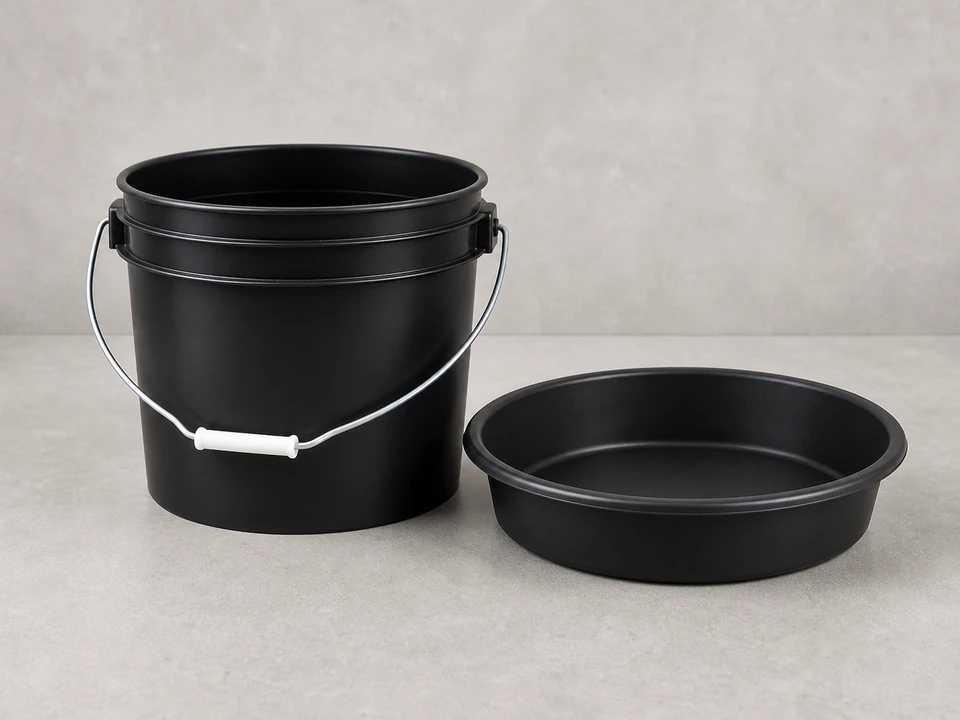
Bucket or shallow pan
Use it for: Catches the water and debris that spill out when the trap is removed.
Shop drain catch panTo replace a drain P-trap kit, first confirm the leak or damage is at the trap itself, then remove the old trap, clean the connections, install the new washers and trap pieces in the same layout, and test with running water for leaks.
This is a manageable under-sink repair for many homeowners. The key is making sure the trap is actually the problem, then matching the new kit to the existing drain size and wall connection so the joints seal without forcing anything.
Before you start: Match the pipe diameter, inlet and outlet layout, and trap style before ordering.
Use it for: Catches the water and debris that spill out when the trap is removed.
Shop drain catch pan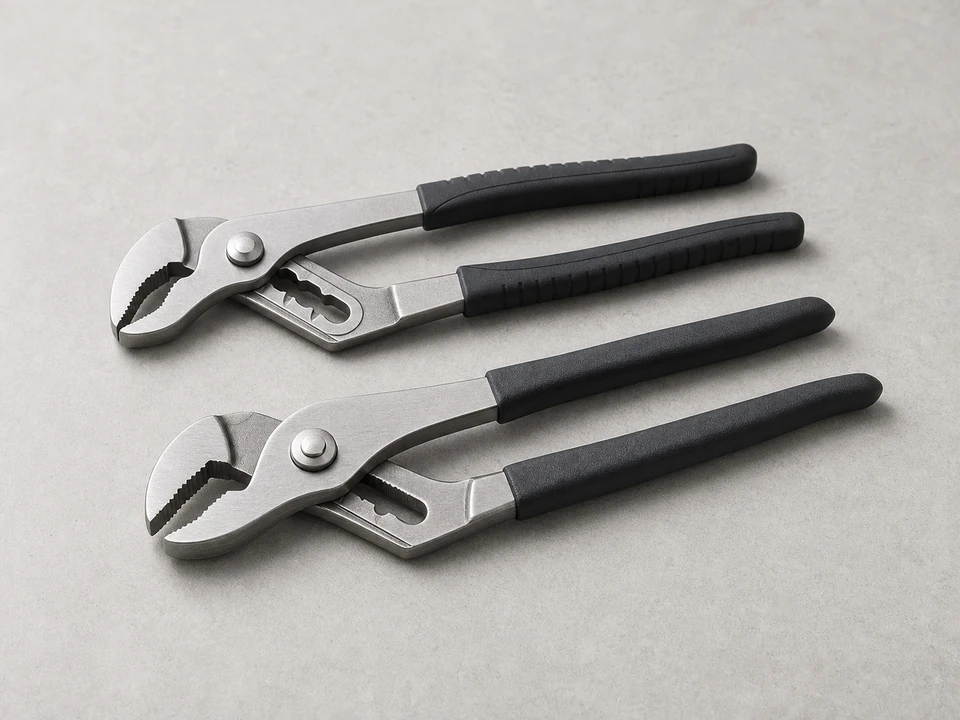
Use it for: Helps loosen stubborn slip nuts without crushing the pipe.
Find channel lock pliers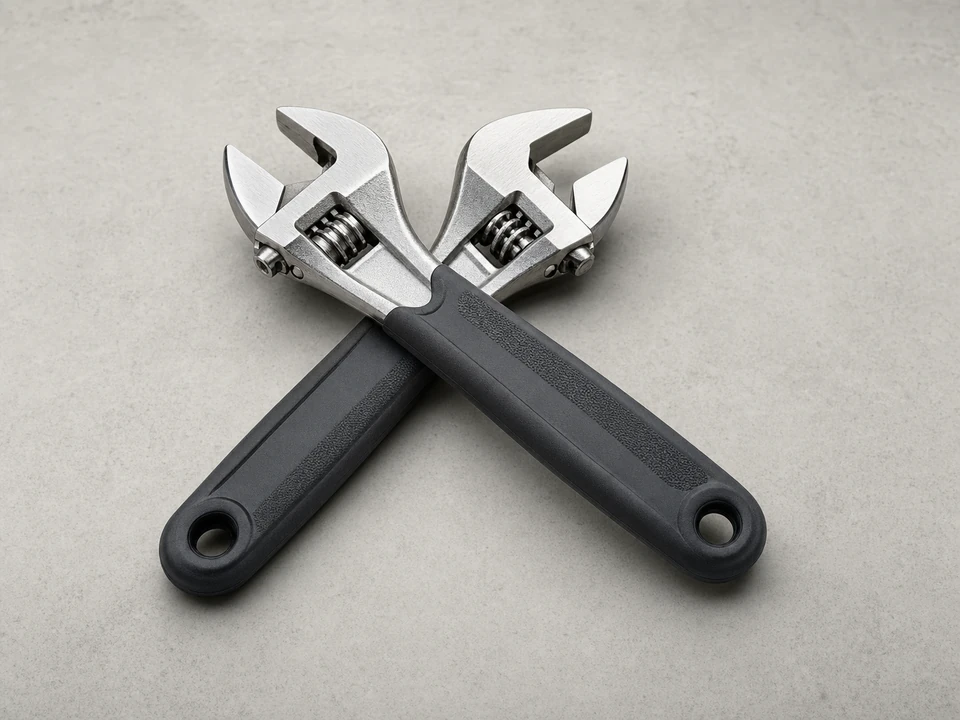
Use it for: Useful if the trap connects to threaded metal parts that need a little extra grip.
Shop adjustable wrench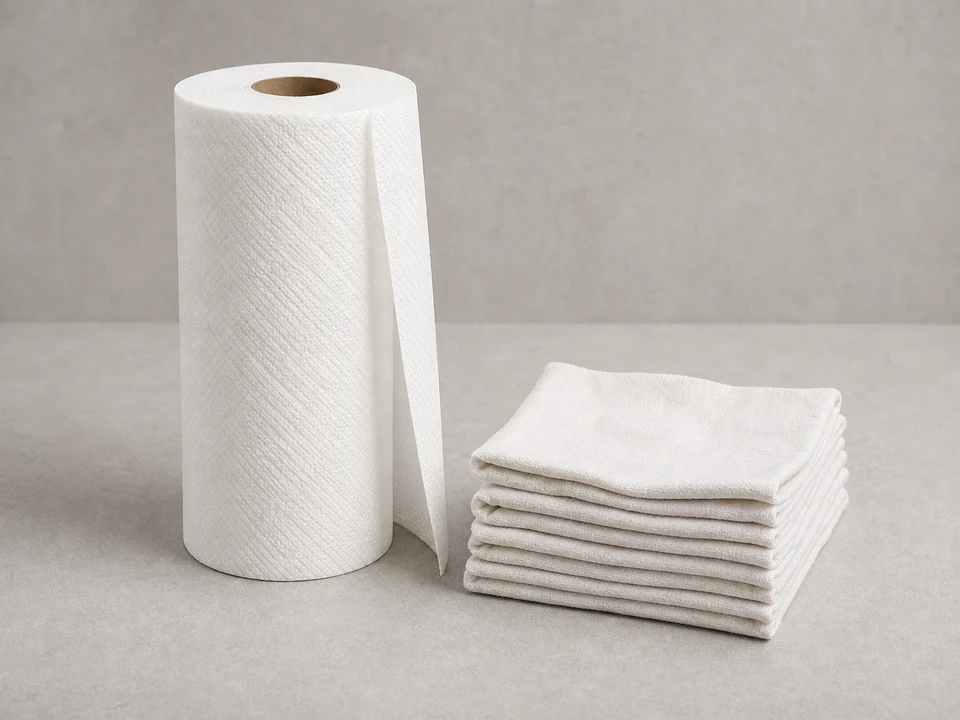
Use it for: Wipes out the cabinet and helps spot fresh drips during testing.
Get shop rags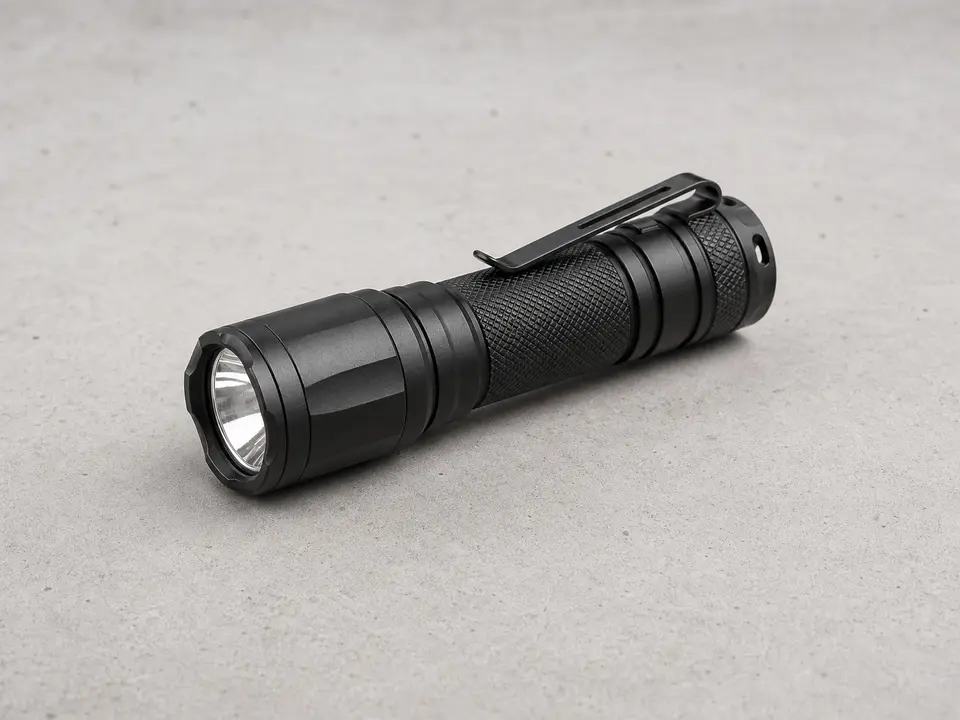
Use it for: Lets you see the back side of the trap and wall connection clearly.
Find LED flashlightAs an Amazon Associate I earn from qualifying purchases. Repair Riot may earn a commission at no extra cost to you.
If it works: You have confirmed the leak, damage, or blockage is centered at the P-trap assembly and replacing the drain P-trap kit makes sense.
If it doesn’t: If the water starts higher up, fix the sink drain, tailpiece, or another leaking connection instead of replacing the trap first.
If it doesn’t: If a joint seeps, tighten that slip nut slightly and test again. If it still leaks, take that joint apart and check that the washer is facing the right way and seated cleanly.
If it works: The new drain P-trap kit stays dry in real use and the drain works without leaking or sewer odor.
If it doesn’t: If leaks return after normal use, disassemble the leaking joint and inspect the washer fit, pipe alignment, and part size rather than just tightening harder.
Match the pipe diameter, inlet and outlet layout, and trap style before ordering.
As an Amazon Associate I earn from qualifying purchases. Repair Riot may earn a commission at no extra cost to you.
Usually no. Most P-trap kits seal with slip nuts and washers, not thread tape. The seal comes from the washer seating correctly and the parts lining up without strain.
The most common causes are a crooked washer, the wrong washer direction, dirty sealing surfaces, mismatched pipe size, or pipes being pulled out of alignment. Taking the joint apart and resetting it usually works better than tightening harder.
It is better to use the new washers and nuts that come with the kit if they match your setup. Old washers often harden or deform and can cause repeat leaks.
Match the pipe diameter and the basic layout of your existing drain. Under-sink drains are commonly one of a few standard sizes, so compare the old trap carefully before buying.
Yes. A P-trap is supposed to hold water. That water seal helps block sewer gas from coming back into the room.