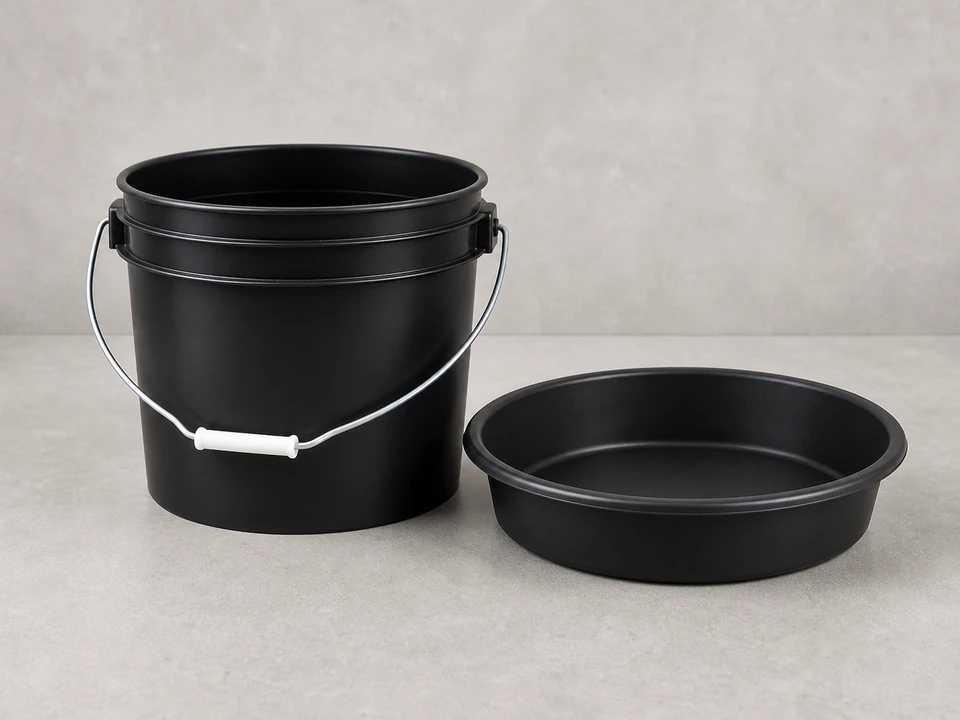
Bucket or shallow pan
Use it for: Catches the water and debris that spill out when the trap comes apart.
Shop drain catch panTo replace a drain trap, confirm the trap is the source of the leak or sewer smell, remove the old trap, dry-fit the new parts, tighten the slip joints evenly, and test with a full sink of water.
A drain trap holds water to block sewer gas and carries wastewater into the drain line. If it is cracked, corroded, loose, or badly misaligned, replacement is usually faster and more reliable than trying to patch it.
Before you start: Match the pipe diameter, inlet and outlet layout, and trap style before ordering.
Use it for: Catches the water and debris that spill out when the trap comes apart.
Shop drain catch pan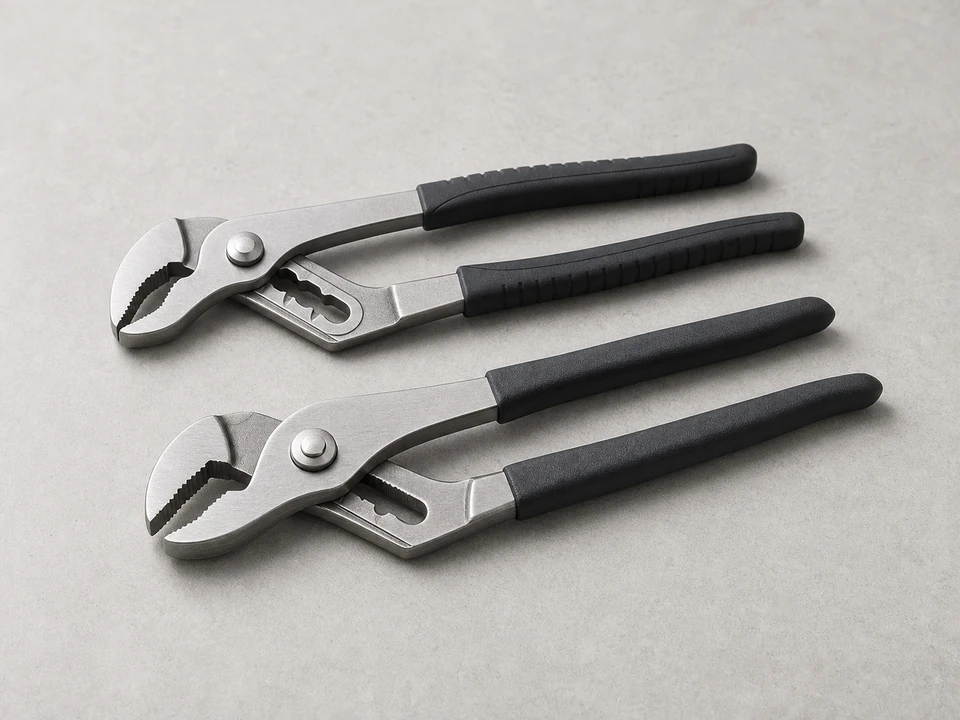
Use it for: Helps loosen and snug slip nuts without crushing plastic parts.
Shop channel-lock pliers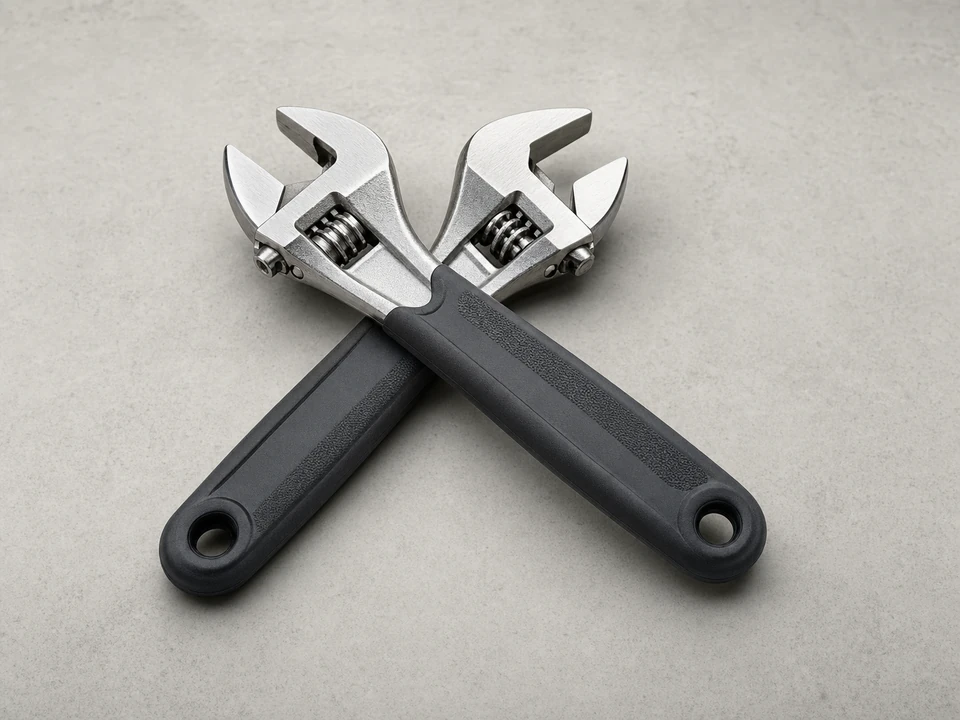
Use it for: Useful if the trap has metal nuts or stubborn threaded connections.
Shop adjustable wrench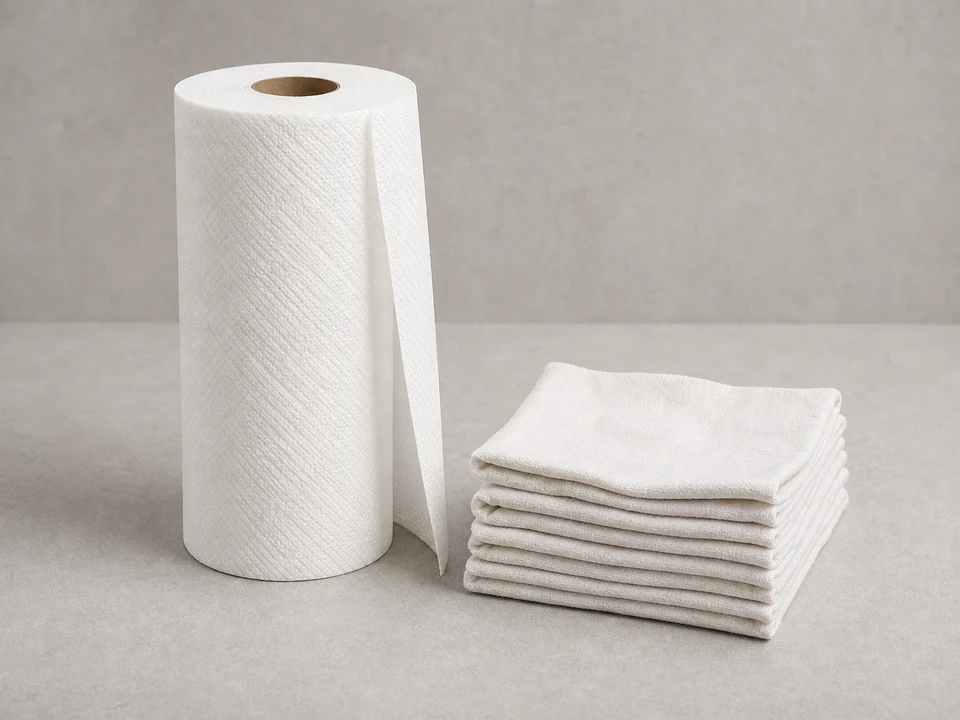
Use it for: Wipes the pipes clean so the new washers can seal properly.
Shop shop towels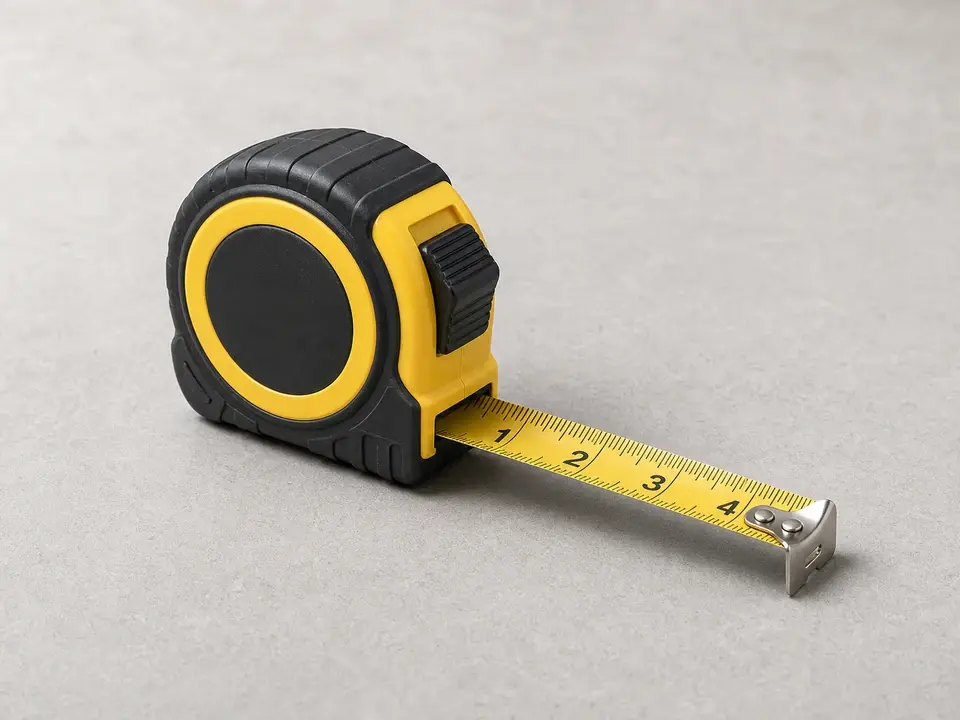
Use it for: Checks pipe diameter and helps you trim or position the new trap correctly.
Shop tape measure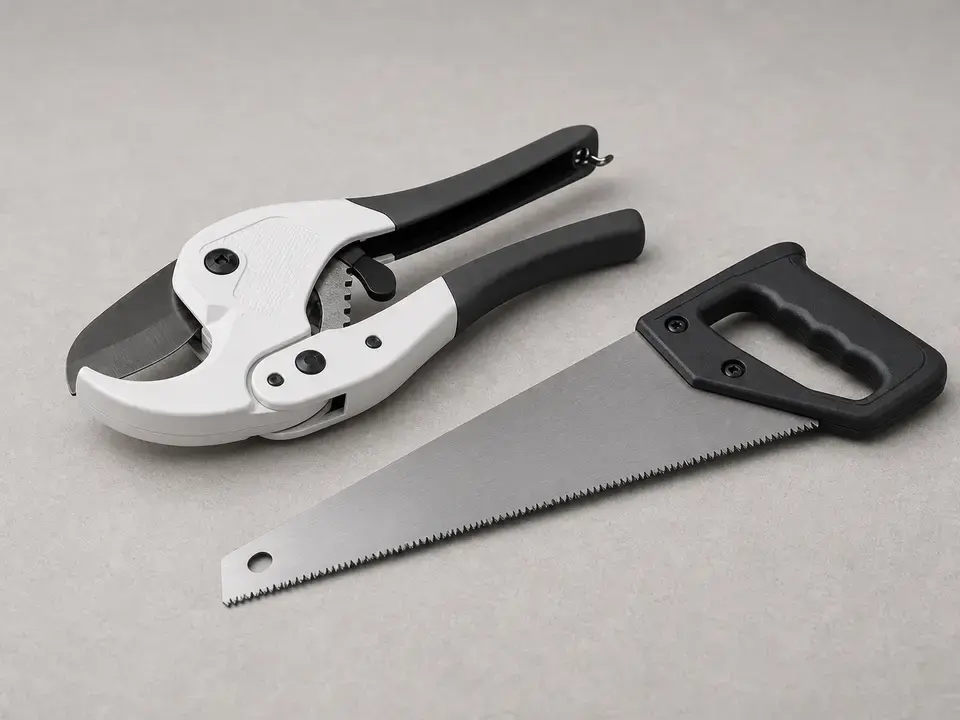
Use it for: Cuts a new trap arm or extension tube to length if the kit is oversized.
Shop plastic pipe sawAs an Amazon Associate I earn from qualifying purchases. Repair Riot may earn a commission at no extra cost to you.
If it works: You have confirmed the trap is leaking, cracked, badly corroded, missing, or misaligned enough that replacement makes sense.
If it doesn’t: If the leak starts above the trap, repair that connection first. If there is no leak but the drain smells, run water to refill the trap and check for a loose or dry connection before replacing parts.
If it works: The old trap is out and the connecting pipes are exposed, clean, and ready to inspect.
If it doesn’t: If a nut will not move, apply steady pressure and avoid twisting the wall pipe. A little back-and-forth motion often breaks it loose.
If it works: The new trap fits naturally between the sink drain and wall drain with no strain on the joints.
If it doesn’t: If the kit does not line up, recheck the diameter, trap style, and whether you need an extension tube or a different trap arm length.
If it works: The new trap is installed, aligned, and tightened enough for testing.
If it doesn’t: If a nut feels crooked or binds early, back it off and restart the threads by hand before tightening again.
If it works: The trap stays dry during both a light flow and a full-drain test, and the sink drains normally.
If it doesn’t: If the trap stays dry but the sink drains slowly, clear the drain line or check for a clog farther downstream.
If it works: The new drain trap stays dry in normal use and sewer odor is gone or greatly reduced.
If it doesn’t: If odor remains with a full, leak-free trap, inspect the sink strainer seal, overflow passage, and nearby venting or drain issues.
Match the pipe diameter, inlet and outlet layout, and trap style before ordering.
As an Amazon Associate I earn from qualifying purchases. Repair Riot may earn a commission at no extra cost to you.
Usually no. Most drain trap slip joints seal with tapered washers, not thread tape. Tape on slip-joint threads usually does not fix a bad fit or a misseated washer.
The most common causes are a crooked washer, crossed threads, pipe misalignment, or overtightening that distorts the washer. Take the joint apart, clean it, reseat the washer, and reassemble it squarely.
It is better to use the new washers that come with the replacement trap. Old washers often harden, flatten out, or no longer match the new parts well enough to seal reliably.
First make sure the trap is holding water and not leaking. If it is full and sealed, the odor may be coming from the sink strainer area, overflow passage, buildup in the drain line, or another venting or drain issue.
Start hand-tight, then add only a small amount with pliers if needed to stop a drip. It should be snug, not cranked down hard. Overtightening can crack the nut or deform the washer.