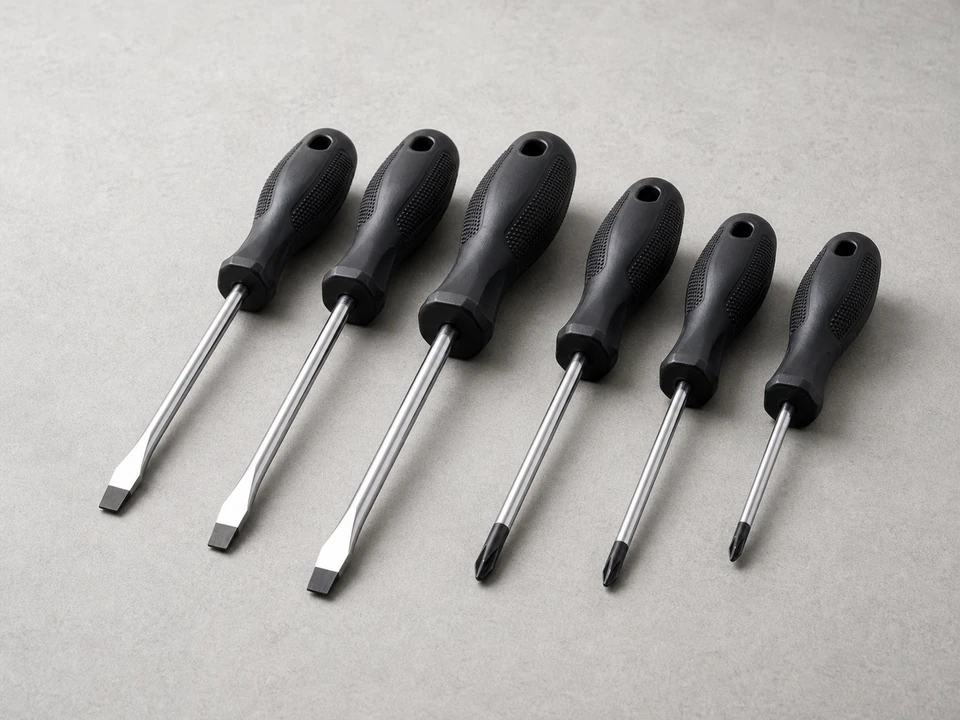
Screwdriver set
Use it for: To remove the rear panel, lower access panel, or mounting screws for the fuse.
Shop screwdriver setsTo replace a dryer thermal cutoff fuse, unplug the dryer, open the access panel that reaches the heater housing or blower area, remove the failed fuse, install the matching replacement, and test the dryer. Before replacing it, make sure the fuse is actually open and that airflow problems did not cause it to fail.
A thermal cutoff fuse is a one-time safety part. When it blows, the dryer may stop heating or stop running, depending on the design. Replacing it is usually straightforward, but the repair only lasts if you also deal with the overheating cause, like a clogged vent or lint buildup.
Before you start: Match the replacement part to your exact dryer before ordering.
Use it for: To remove the rear panel, lower access panel, or mounting screws for the fuse.
Shop screwdriver sets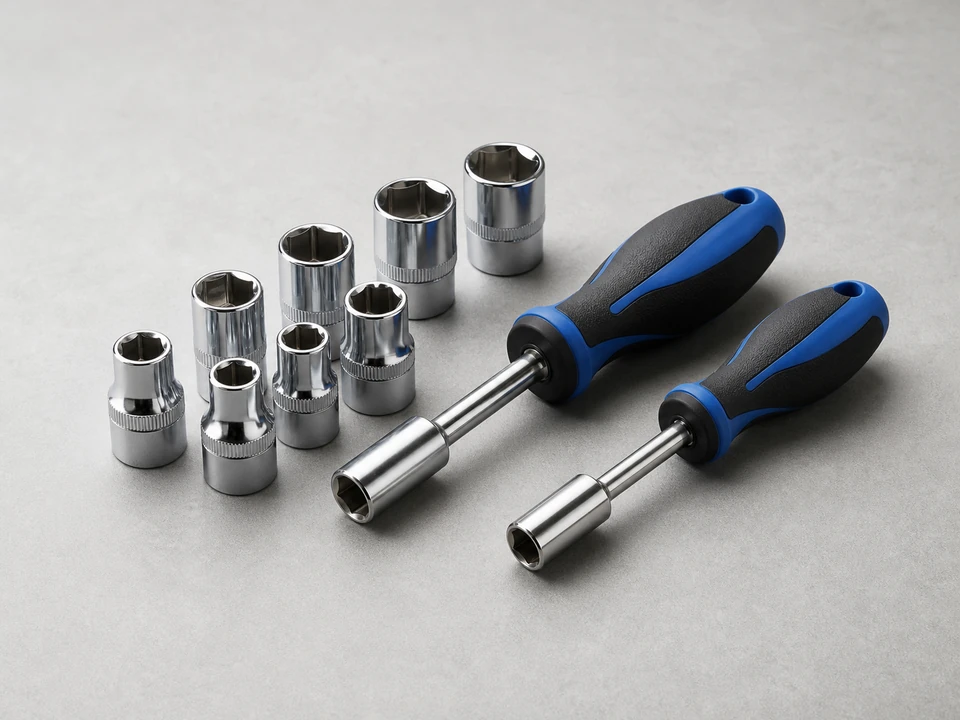
Use it for: Many dryers use hex-head sheet metal screws instead of standard Phillips screws.
Shop nut driver sets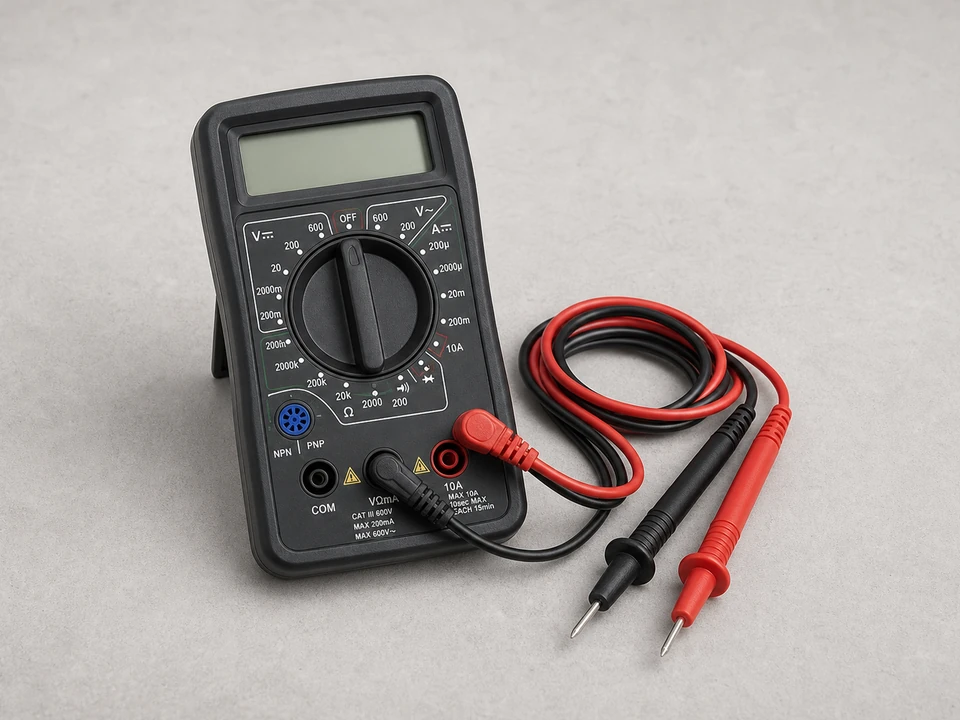
Use it for: To confirm the old thermal cutoff fuse has no continuity before replacing it.
Shop multimeters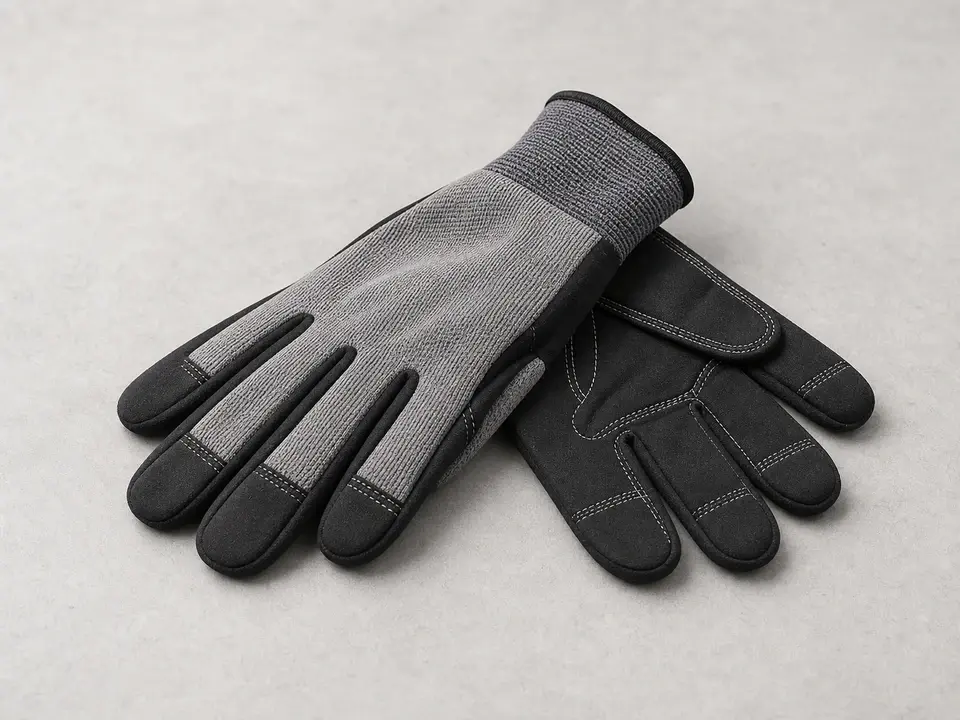
Use it for: To protect your hands from sharp sheet metal edges inside the dryer cabinet.
Shop work gloves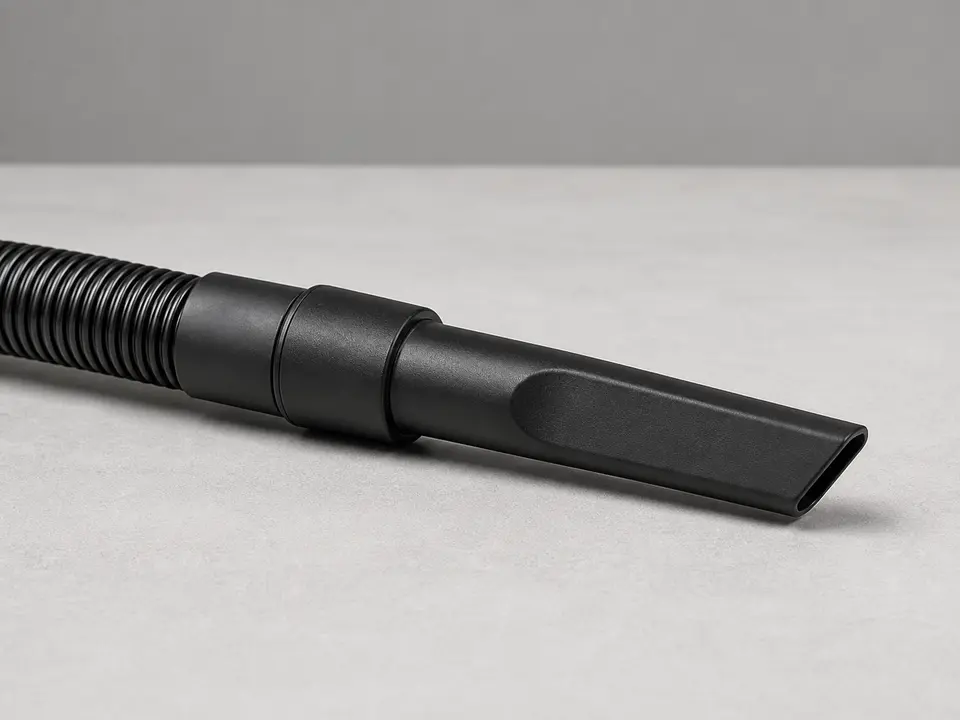
Use it for: To clean lint from the cabinet, blower area, and around the heater housing before reassembly.
Shop shop vacsAs an Amazon Associate I earn from qualifying purchases. Repair Riot may earn a commission at no extra cost to you.
If it works: You confirmed the thermal cutoff fuse is open and needs replacement.
If it doesn’t: If the fuse tests good, stop chasing this part and diagnose the heating circuit, door switch, power supply, or another failed safety or control part instead.
If it works: The dryer is unplugged, opened, and safe to work on.
If it doesn’t: If the panel will not come free, check again for hidden screws along the edges instead of forcing it.
If it works: The old fuse is out and the replacement matches it.
If it doesn’t: If the replacement does not match exactly, pause and order the correct part using your dryer's full model information.
If it works: You cleaned the dryer interior and addressed the most common airflow problems that blow thermal cutoff fuses.
If it doesn’t: If airflow still seems weak, clean the full vent run before putting the dryer back into regular use.
If it works: The new thermal cutoff fuse is mounted securely and wired correctly.
If it doesn’t: If a connector feels loose, replace or tighten the terminal before reassembling so the new fuse does not get poor contact.
If it works: The dryer runs normally and the repair held during an actual heated drying cycle.
If it doesn’t: If the dryer still has no heat, shuts down again, or blows the new fuse, stop using it and diagnose the thermostat, heating system, blower, or venting problem before replacing more parts.
Match the replacement part to your exact dryer before ordering.
As an Amazon Associate I earn from qualifying purchases. Repair Riot may earn a commission at no extra cost to you.
It is a safety device that opens if the dryer overheats. Unlike a resettable thermostat, it is usually a one-time part and must be replaced after it blows.
The most common cause is poor airflow. A clogged lint screen housing, blocked vent, crushed duct, stuck outside flap, or lint buildup inside the dryer can trap heat and blow the fuse.
You can, but testing first is the better move. A continuity test confirms the fuse is actually open so you do not replace a good part and miss the real problem.
No. That removes an important safety protection and can create an overheating or fire risk. Test the fuse with a meter instead.
Only if you also fix the overheating cause. If the vent is still restricted or another heat-control part is failing, the new fuse may blow again.